Autonomous robots take over internal transport
Text Roel van Gils Images Gobotty
Not all repetitive work needs to be done by people
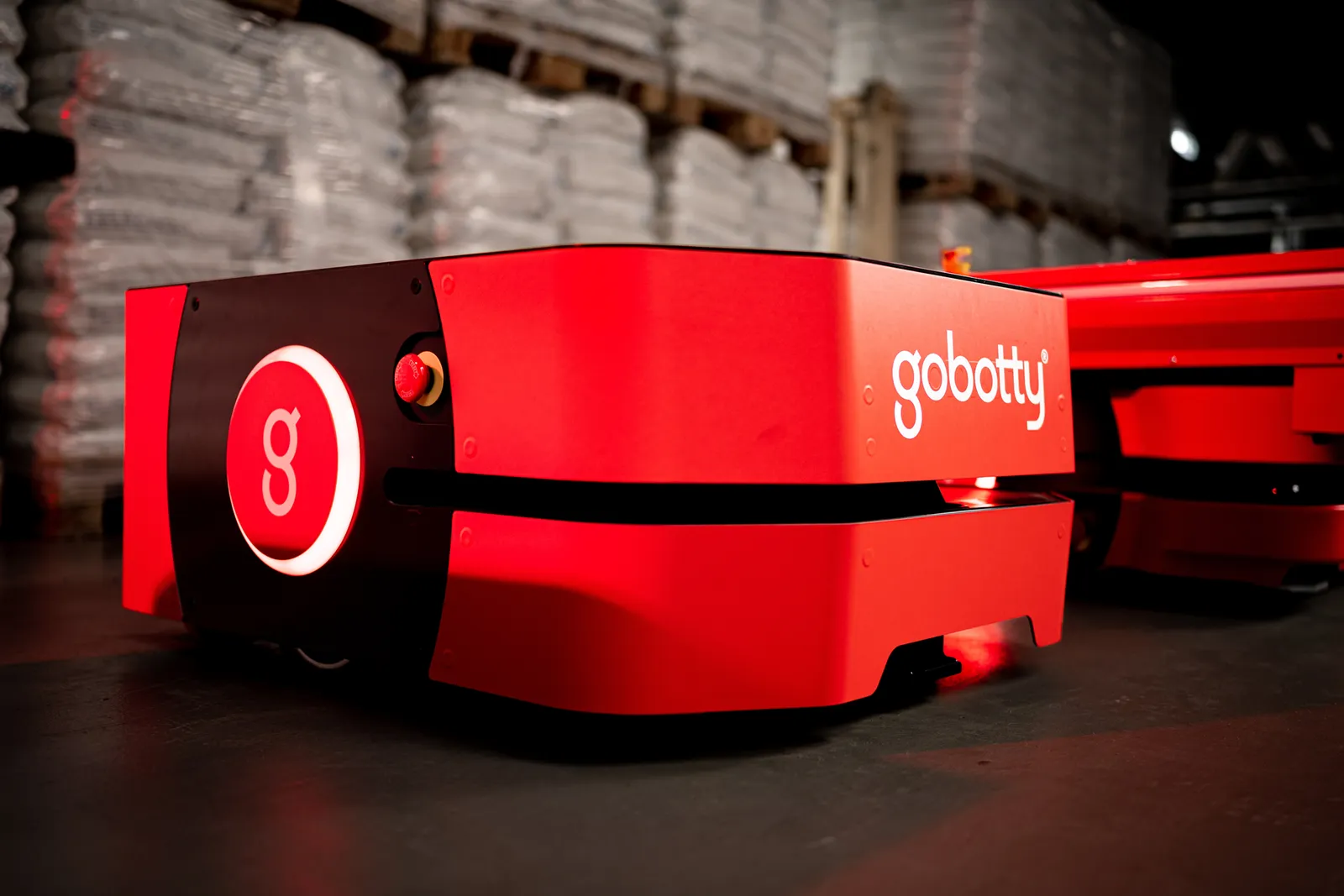
Staff shortages, rising costs and the need for greater flexibility are forcing companies to take a critical look at their logistics processes. At the same time, workplace safety is higher on the agenda than ever. For many manufacturers and distribution centres, the solution is closer than they think. With autonomous mobile robots (AMRs), Gobotty, based in Hendrik-Ido-Ambacht, helps organisations make internal transport safer and more efficient.
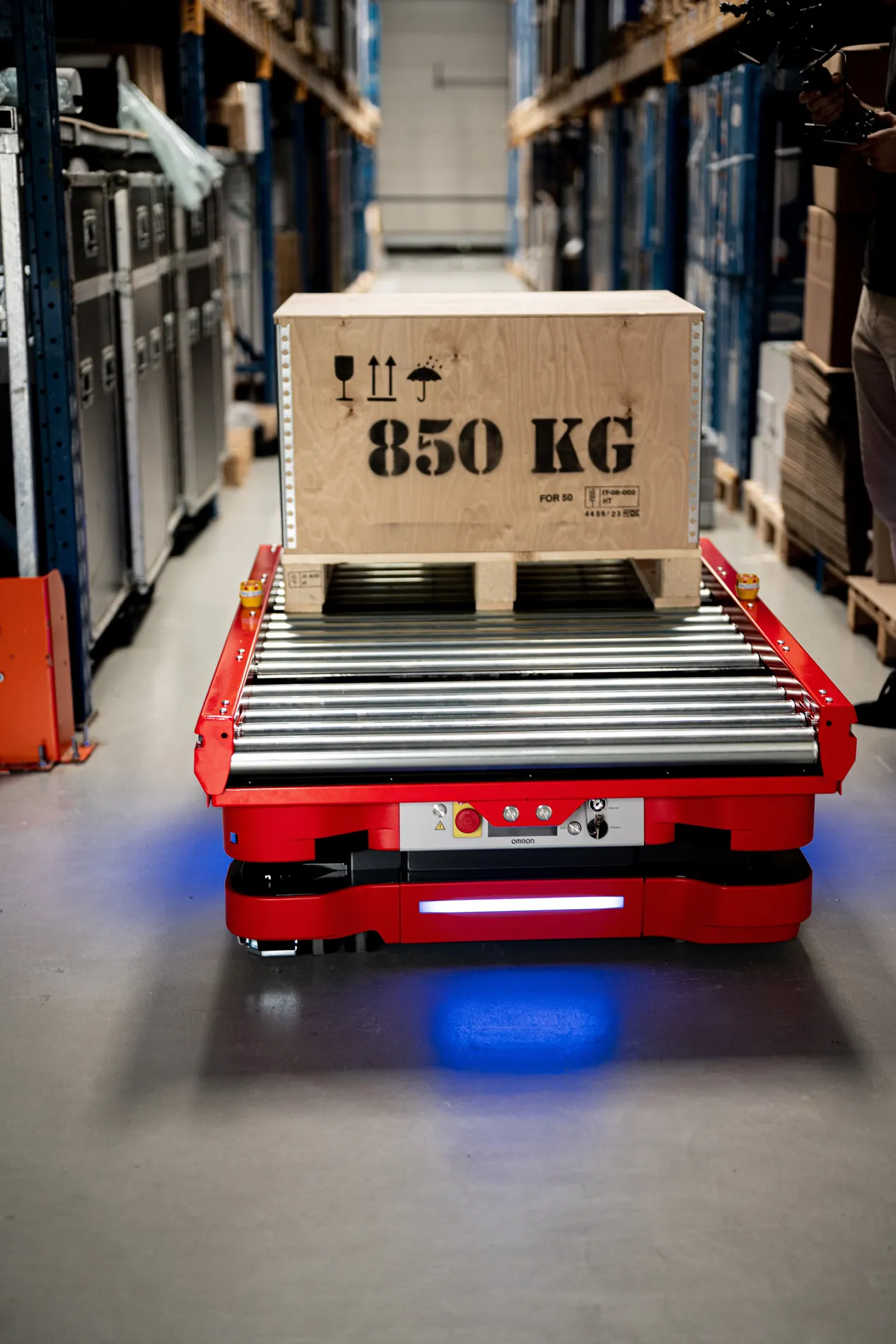
“We essentially take over all repetitive transport movements from people,” says Arie Verhoeven, founder of Gobotty. “Whether it’s pallets, boxes, individual items or carts, our robots move them fully autonomously from A to B.”
25 years of experience
The technology behind the AMRs is based on more than 25 years of experience in control engineering. “The robots move independently through existing business environments without the need for markers, reflectors or guide tracks,” Verhoeven explains. “Using LiDAR sensors and smart software, they create a digital map of their surroundings and navigate safely between people, machines and other vehicles.”
Working safely together
According to Verhoeven, the collaboration between people and robots is a key differentiator. “Our robots comply with the applicable European safety guidelines and can operate safely in environments where people also work. If they detect an employee or an obstacle, they immediately adjust their speed or stop completely if necessary. Ultimately, we want everyone to get home safely at the end of the working day.”
Wide range of applications
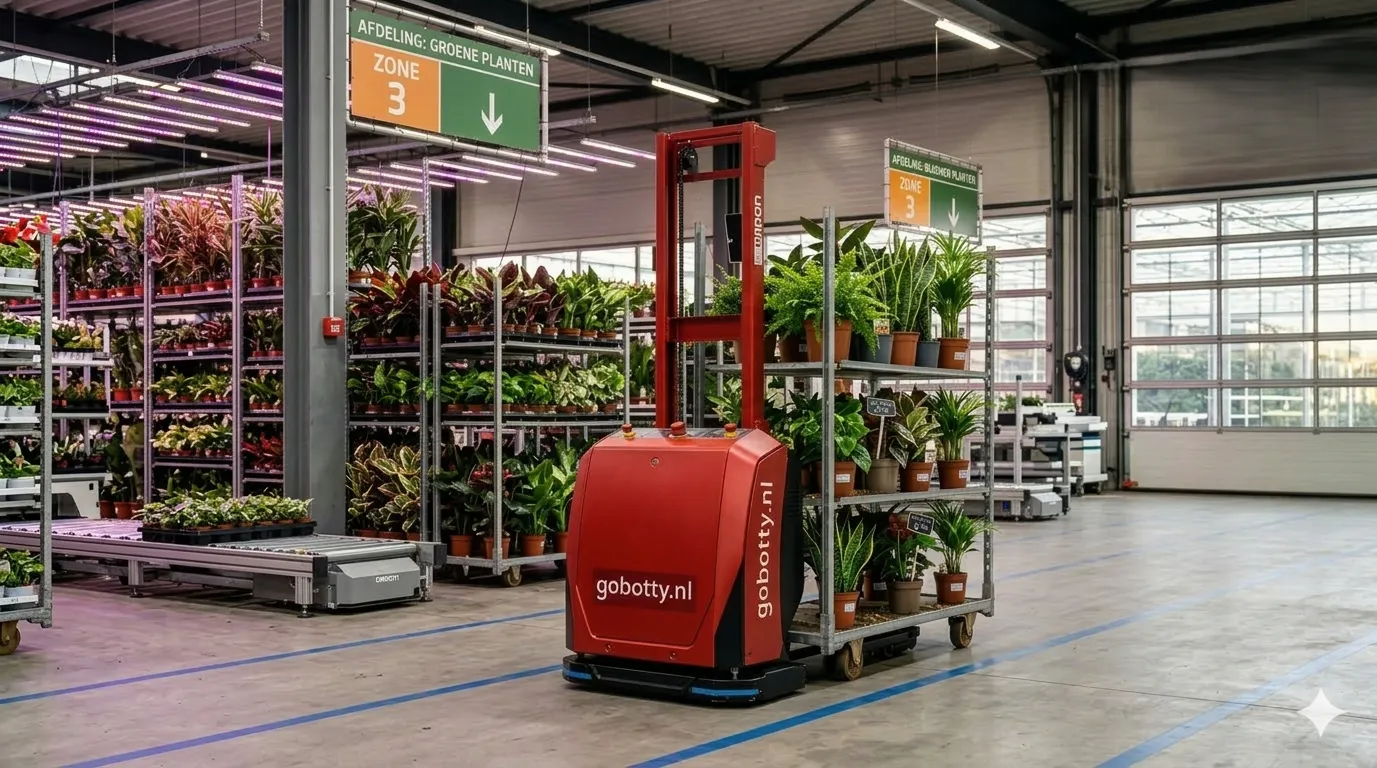
The applications are wide-ranging. In manufacturing, the robots handle the supply and removal of materials at production lines and machines. In warehouses, they replace forklifts and electric pallet trucks for routine transport tasks. They are also proving their worth in greenhouse horticulture. There, our robots autonomously transport Danish and CC carts between different locations, without requiring any staff,” Verhoeven says.
Maximum flexibility
Another advantage is the flexibility of AMRs. “Fixed transport systems such as roller conveyors are often difficult to adapt,” Verhoeven rightly points out. Our AMRs, by contrast, adapt easily to changing production processes. Companies want to produce with increasing flexibility. When a process changes, we often only need to make a software adjustment.”
The systems also feature artificial intelligence. The robots learn from their own movements and continuously optimise their routes. Multiple robots can also work together and decide between them which machine can carry out a task fastest.
Fixed monthly fee
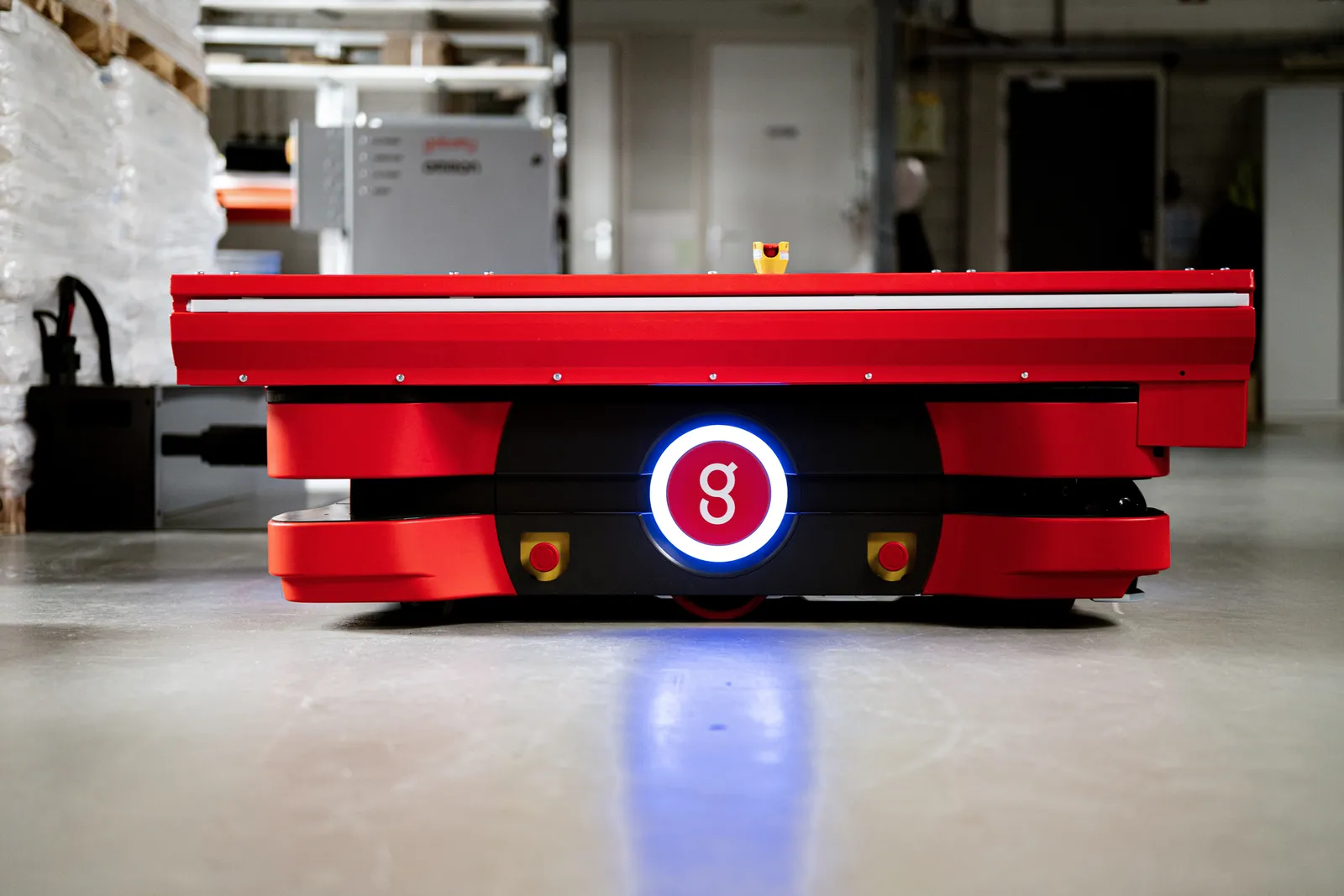
To keep the barrier to entry as low as possible for customers, Gobotty has deliberately opted for a rental model. “Customers pay a fixed monthly fee that includes everything: the robot, installation, maintenance, servicing and any infrastructure modifications. This means no major upfront investment is needed.”
Just give it a try
“Many companies are curious, but find the move to automation daunting,” says Verhoeven. “That’s why we say: just give it a try. We place a robot in the customer’s process for two weeks. If it works well, it stays. If it doesn’t, we take it away again.”
With this accessible approach, Gobotty aims to introduce more and more companies to autonomous logistics in the coming years. The ambition is clear: wherever an electric tugger or forklift is still operating today, distinctive red Gobotty robots should be doing the job in future.
Have a business enquiry for Gobotty B.V.? Get in touch
Companies in this story
Keep following this
Get an email when a new story is published. No account needed.
- ThemeAutomating goods flows
- SubjectAutomation
- CompanyGobotty B.V.