Step-by-step automation: From forklift operations to a smart logistics backbone
Text Armand Landman Image Motrac
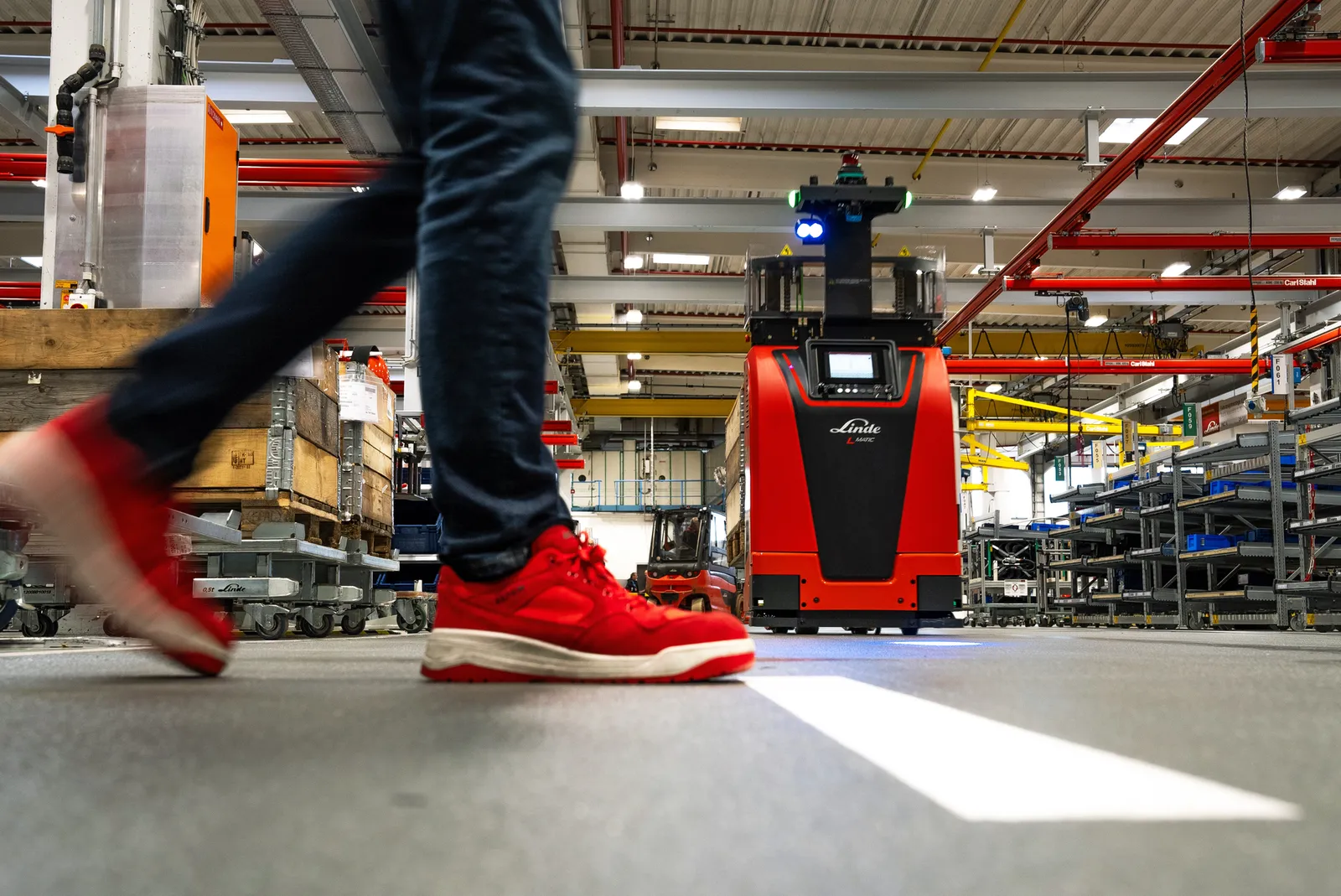
Warehouses are under growing pressure to operate more efficiently and predictably, with fewer staff. At the same time, internal transport is often still the backbone of operations, and therefore also the biggest risk when changes are made. According to Jon Koster, automation expert at Motrac, the key is not one major leap into automation, but a step-by-step approach that brings people, processes and technology together.
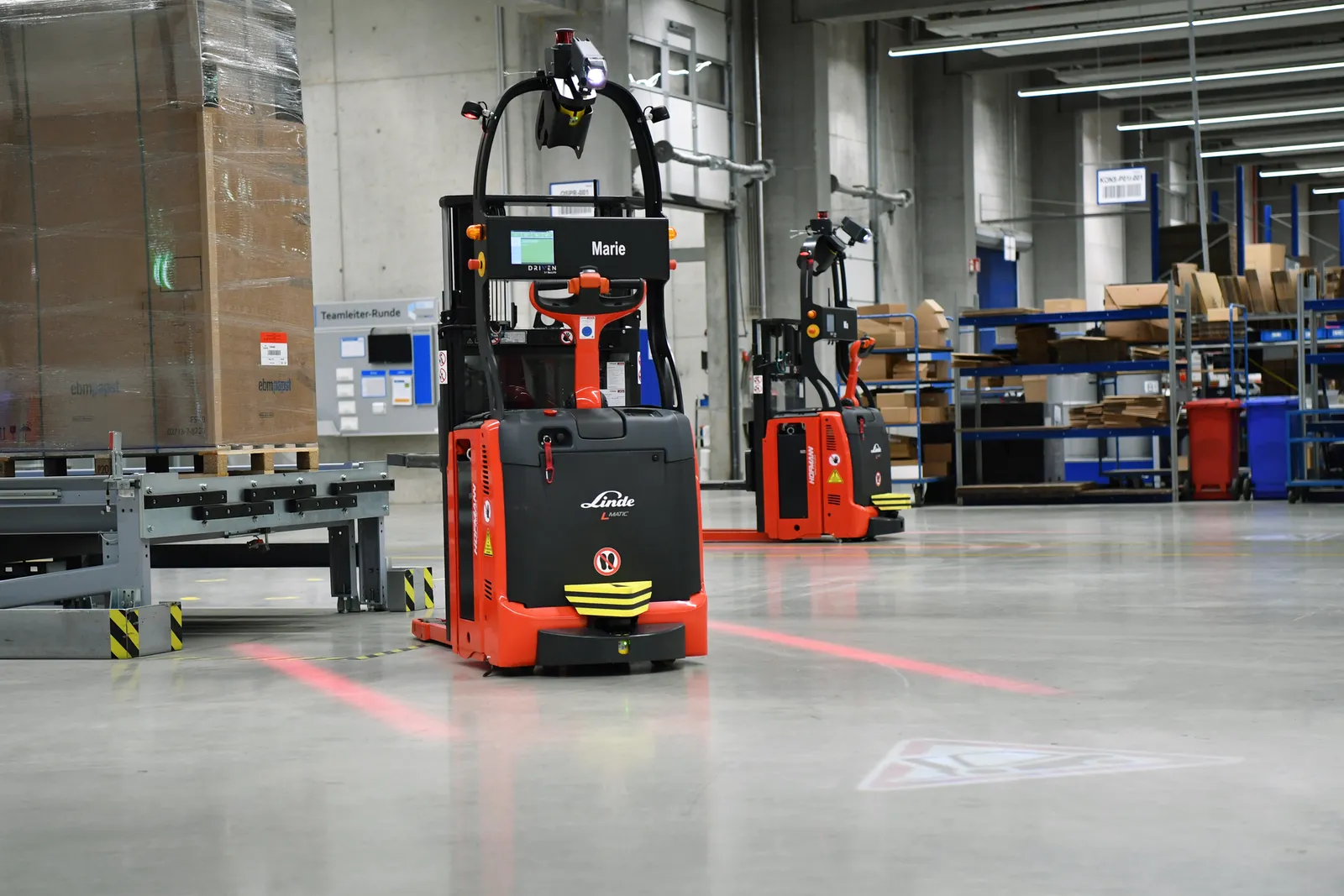
Automation of internal transport is often associated with major, costly projects. Yet more and more companies are choosing to start small. “Logistics is the backbone of a business. If it grinds to a halt because of the wrong automation choice, the financial consequences can be enormous,” says Koster. “That’s why customers prefer to start with, for example, three AGVs and only expand once they have confidence in the solution.”
This phased approach not only reduces risk, but also makes it possible to optimise processes along the way. Motrac takes a modular approach, based on a largely standardised portfolio. Rather than developing everything from scratch, it starts with a standard solution that can later be expanded with additional functionality and software modules, right up to complete warehouse management systems.
“You can start small and let the system grow with the operation,” says Koster. “That gives organisations the scope to learn and improve without overhauling their entire logistics backbone all at once.”
Where should you automate, and where not?
Although automation is rapidly gaining ground, forklift drivers will not disappear entirely. According to Koster, automation adds most value to repetitive, predictable movements. “When you’re dealing with uniform pallets and the same transport movement over and over, a human driver adds no extra value. Those are processes that can be automated effectively,” he says.
Difficult loads are a different matter. “An experienced driver can use their eyes and feel to correct a difficult load or position it precisely. For the time being, that still requires a person.”
The challenge, then, is to automate the right process. Motrac works with customers to review their internal logistics and identify the ‘low-hanging fruit’: repetitive transport tasks that are easy to standardise. “Eliminate the walking and driving distances that add no value. That’s where the gains are.”
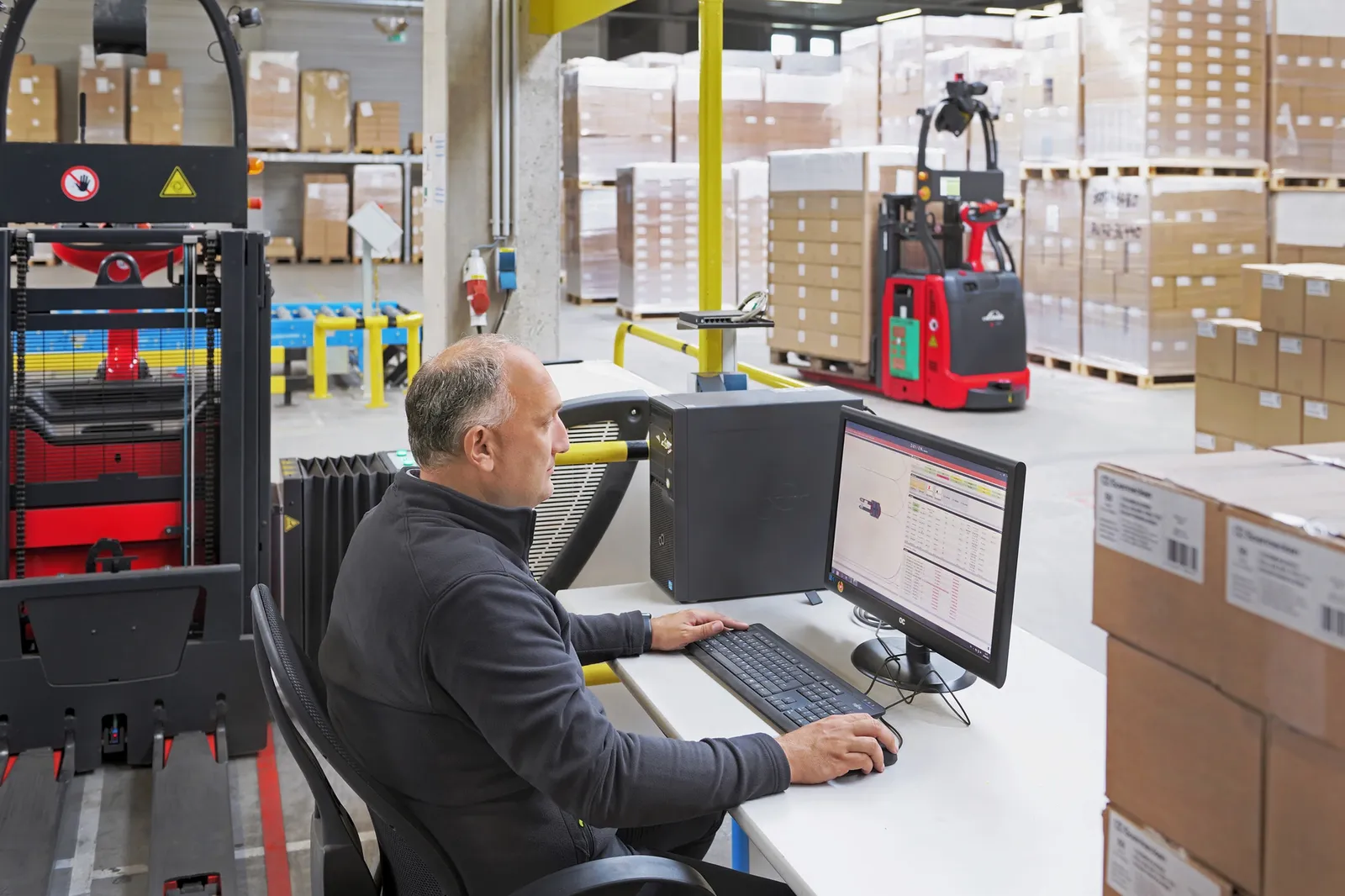
Acceptance on the shop floor
Implementing technology is one thing; working with it is another. According to Koster, automation requires a clear transition on the shop floor. Employees need to learn how to work alongside robots.
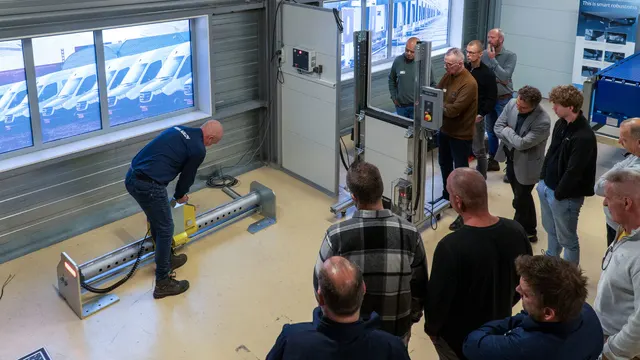
“You’re not getting an extra employee, you’re getting a solution,” he says. “That means people need to learn how to work with an AGV. They need to understand what the system does and how to ensure it can operate at its best.”
In practice, that means training, guidance and, above all, demonstrating the benefits. When operators see repetitive work being carried out automatically, they can focus on tasks with greater added value. “Once they see that it makes their work easier and more interesting, acceptance follows naturally,” says Koster.
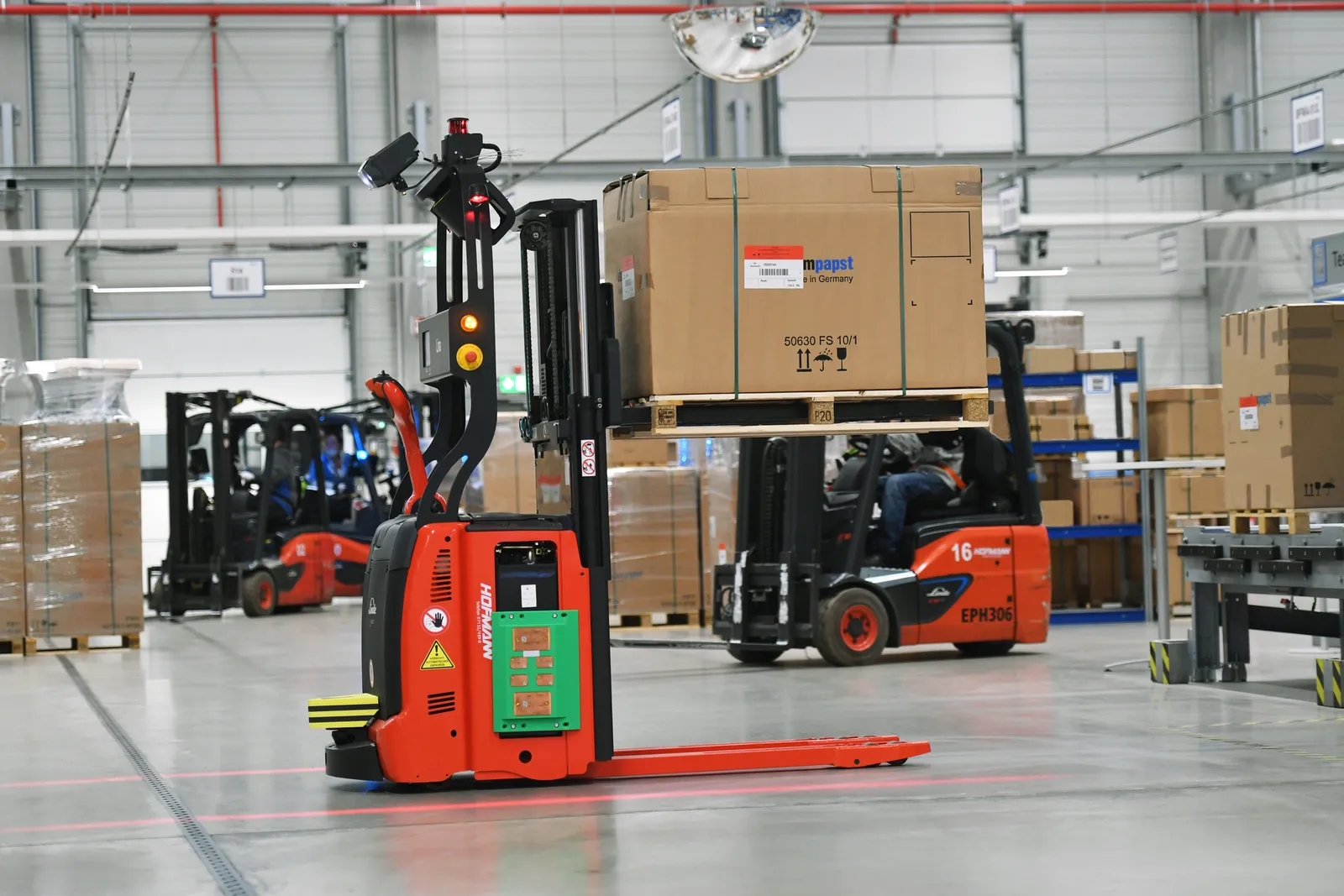
From product supplier to automation partner
Automation is changing the role of partners in internal transport. Motrac has long supported organisations in setting up, improving and keeping their internal logistics running. Now the focus is increasingly shifting towards project-based automation, with software, data and process insight as integral parts of the solution.
“Once an automation solution has been chosen, the next phase begins,” says Koster. “The system is adapted to the situation, the software is configured and the environment is prepared. This calls for additional expertise and collaboration.”
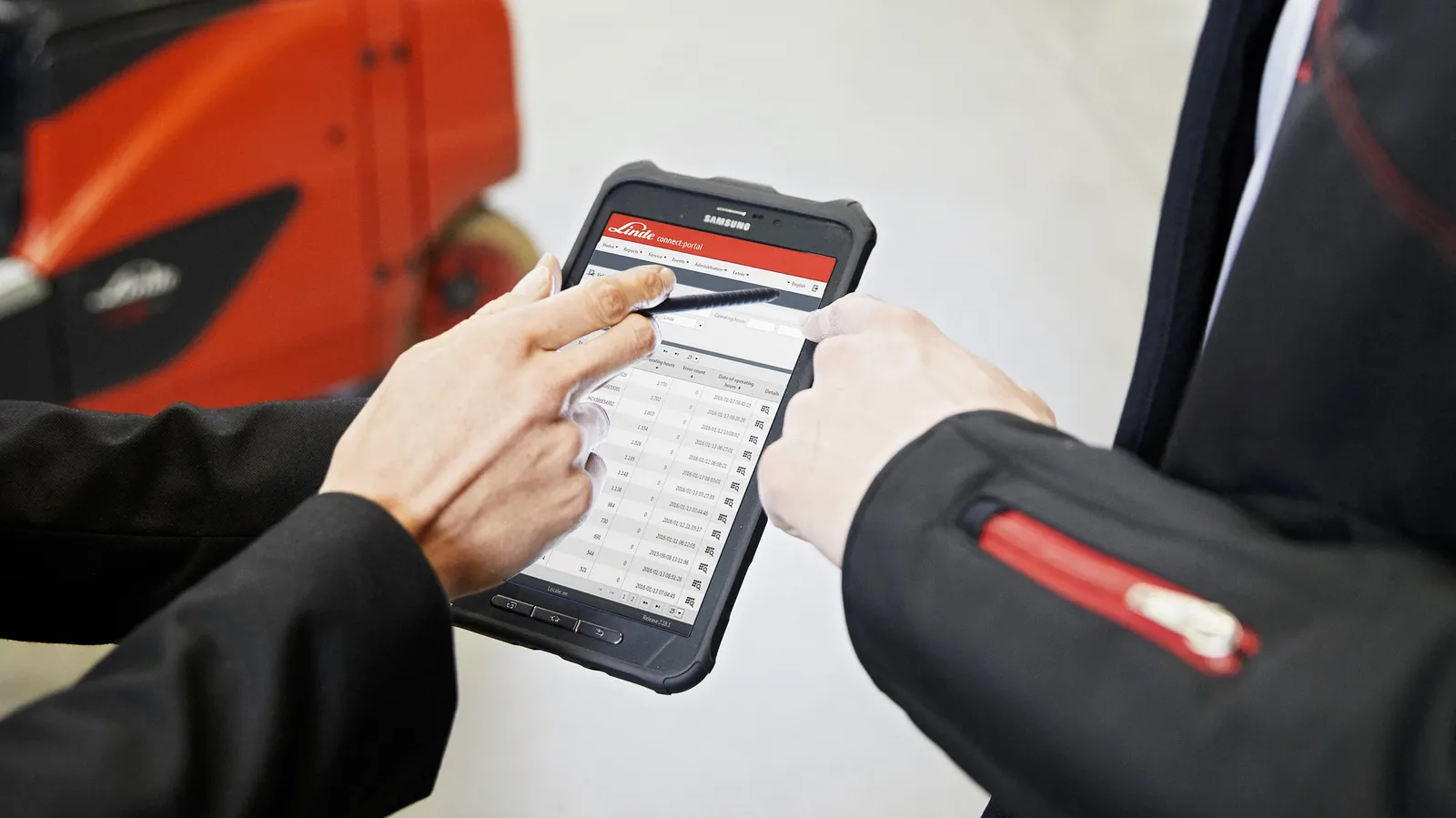
Software is playing an increasingly important role, including in conventional trucks. Service engineers are developing into technicians who read fault codes, configure systems and analyse data. At the same time, the project-based approach provides greater insight into customers’ processes. “We track the product and the data through the warehouse. That helps us understand the customer’s operation and further optimise the system within that environment.”
Automation as a growth path
Automation of internal transport in warehouses is increasingly becoming a growth path rather than a one-off project. Companies start with a pilot, learn from practical experience and then expand. This makes automation more accessible and less risky, while paving the way for a future in which people and machines work ever more closely together.
“Automation isn’t all or nothing,” Koster concludes. “By automating the right processes step by step, you bring greater calm and predictability to operations. The organisation grows along with the system, allowing technology to deliver lasting value.”
Een zakelijke vraag aan Motrac Intern Transport? Get in touch
Companies in this story
Keep following this
Get an email when a new story is published. No account needed.
- ThemeMaterials handling in motion
- SubjectWarehouse equipment & safety
- CompanyMotrac Intern Transport