












Volvo Trucks to start selling its complete range of heavy-duty electric trucks this year
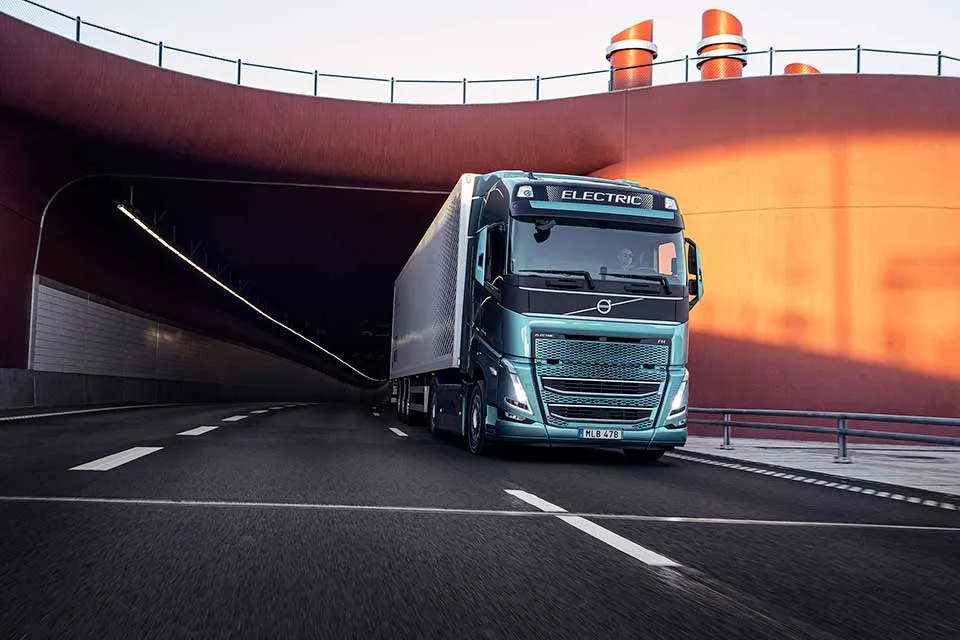
Official sales of the complete range of heavy-duty electric Volvo trucks will begin later this year. Volvo Trucks says the time is right for a rapid increase in the number of electric vehicles in heavier road transport.
These positive prospects are based on the fact that Volvo’s electric trucks can meet a wide range of transport needs. In the near future, almost half of all transport in the EU, for example, could be carried out by electric trucks.
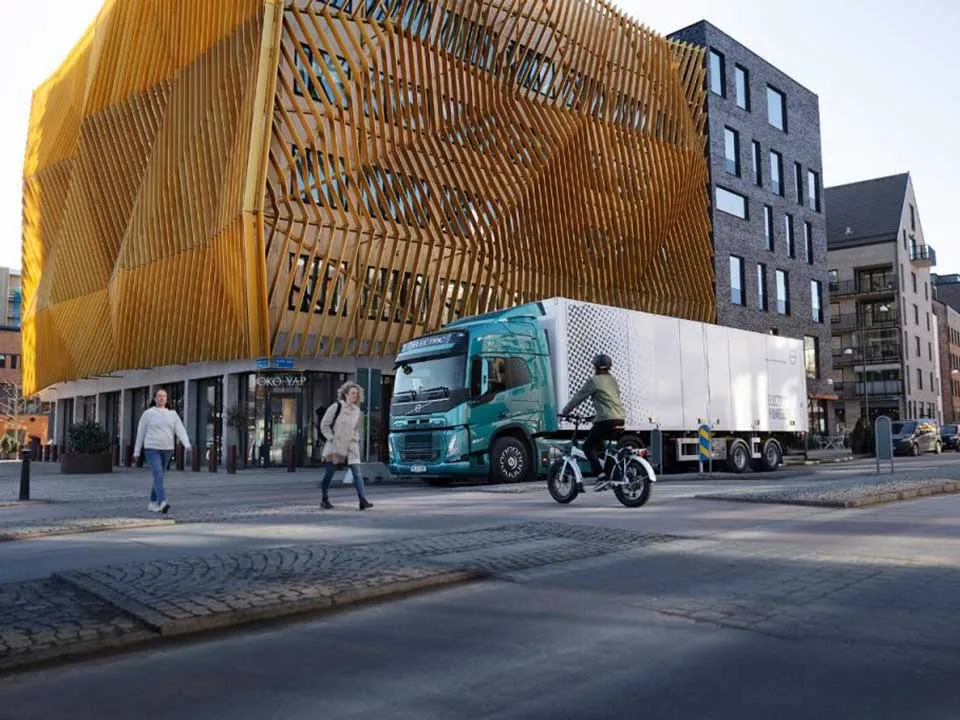
Major national and international hauliers are showing considerable interest in electric vehicles. This is being driven by government plans to make city centres off-limits to diesel trucks, transport operators’ own ambitious climate targets, and consumer demand for CO2-free and cleaner transport.
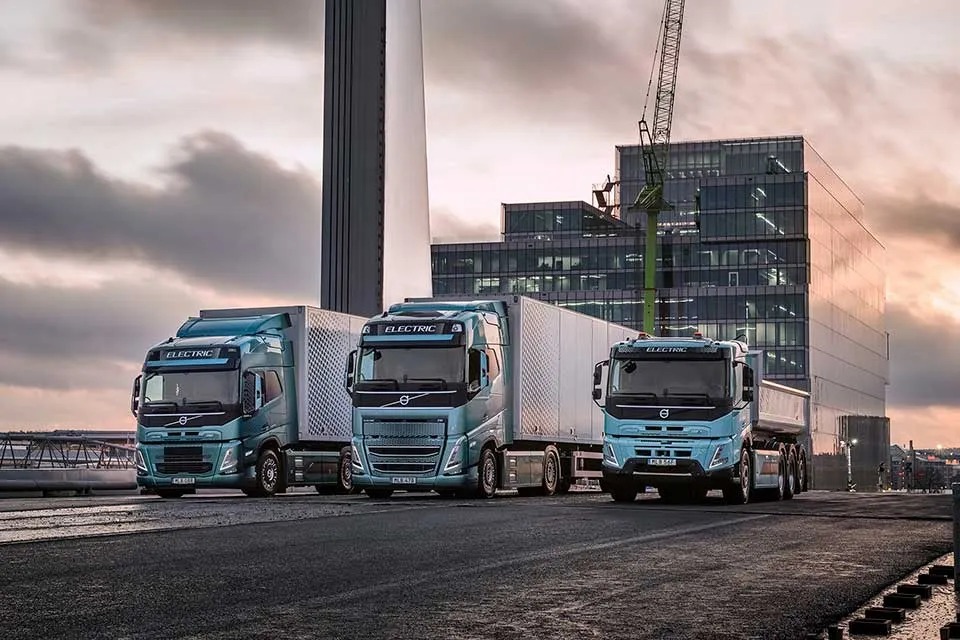
“More and more transport companies are realising that they need to start now with electric vehicles, both for environmental reasons and because of competition, as well as because more and more of their customers are demanding sustainable transport. With our extensive product range, it is feasible for transport companies to go electric,” says Roger Alm, CEO of Volvo Trucks.
Three new heavy-duty electric trucks
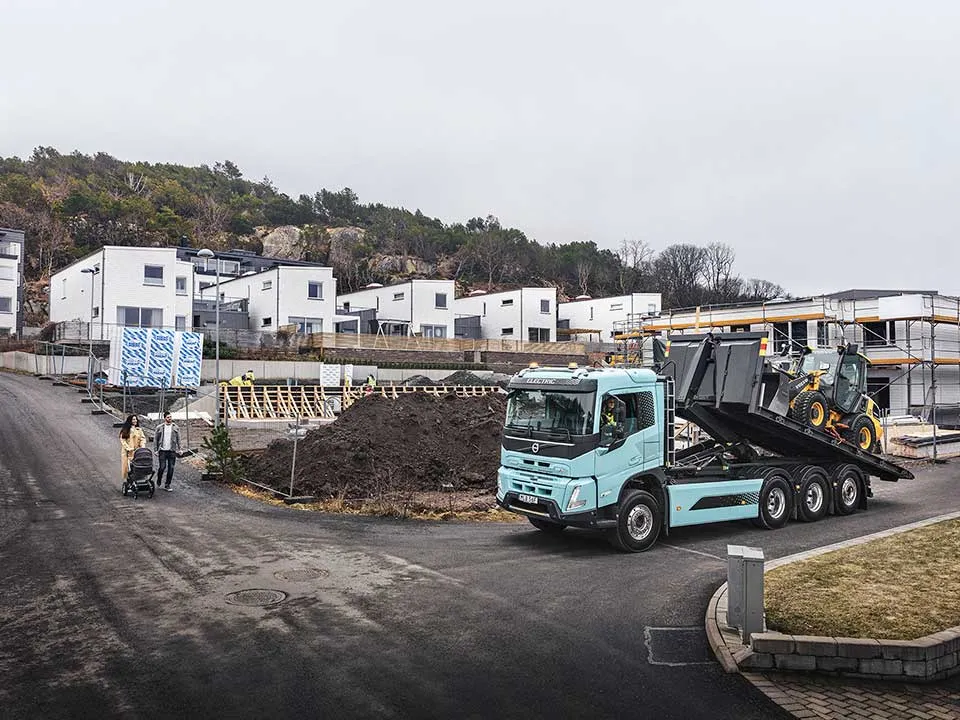
Now that sales of the electric Volvo FH and Volvo FM models have started, heavy-duty electric transport is no longer limited to urban distribution alone, but is now also available for regional transport between cities. In addition, the new Volvo FMX Electric opens up new opportunities to make construction transport quieter and cleaner.
Production of the new electric trucks for Europe will begin next year. They join the Volvo FL Electric and Volvo FE Electric for urban distribution, which entered series production in 2019. In North America, sales of the Volvo VNR Electric began in December 2020.
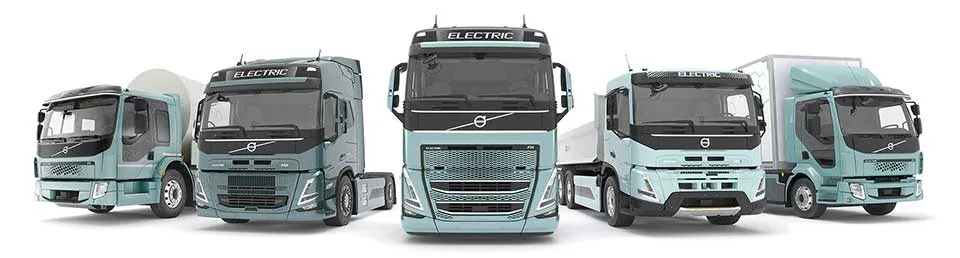
With the start of sales of the new truck models, Volvo Trucks now has a range of six medium- and heavy-duty electric trucks, giving it the industry’s most complete offering of commercial electric trucks produced in-house.
Covers almost half of transport needs in the EU
The new trucks offer greater payload capacity, more powerful drivetrains and a range of up to 300 km (at a GCW of 40 tonnes). With lighter loads, the range can increase. Volvo Trucks’ electric product range can therefore cover around 45% of all current transport in Europe.* Different planning and, in some cases, a different configuration make more possible and contribute significantly to reducing the climate impact of road transport, which according to official statistics is responsible for around 6% of total CO2 emissions in the EU.
“There are enormous opportunities for making truck transport electric in Europe, and in other parts of the world, in the very near future,” says Roger Alm. “To prove this, we have set the ambitious target of generating half of our revenue from electric trucks by 2030. These three new heavy-duty trucks that we are introducing now are a major step towards achieving that goal.”
Alongside its electric vehicles, Volvo Trucks’ programme includes a complete range of service, maintenance and financing solutions, as well as other options that enable an easier and faster transition to electric transport. This comprehensive approach helps customers remain productive and maintain control of their new electric fleets.
“Our complete electric transport solutions, together with our global network of dealers and workshops, will play a crucial role in our customers’ success,” says Roger Alm.
The next step: electric trucks with hydrogen fuel cells
Looking further ahead, heavy-duty long-haul transport can also be carried out using electric vehicles. However, fast-charging stations will be needed at strategic locations. In addition, hydrogen will play a role in longer-distance transport. To meet the challenging requirements for both high payload capacity and a much greater range, hydrogen can be used with fuel cell technology to generate electricity.
“This technology is developing rapidly. Our ambition is to make long-haul transport electric too, using both batteries and fuel cells,” says Roger Alm. “Our goal is to start selling fuel cell electric trucks in the second half of this decade, and we are confident that we can achieve this.”
Volvo Trucks’ electric vehicle range in Europe
Electric Volvo Trucks models:
- Volvo FH Electric, for national transport.
- Volvo FM Electric, a versatile truck for heavy-duty local transport and regional distribution.
- Volvo FMX Electric, for cleaner and quieter construction transport.
- Volvo FE Electric, for regional and urban distribution, and waste collection.
- Volvo FL Electric, for regional and urban distribution.
Technical specifications
Volvo FH, FM and FMX Electric:
- Range of up to 300 km
- Continuous power output of 490 kW
- Maximum torque of 2400 Nm
- Battery capacity of up to 540 kWh
- Maximum gross combination weight (GCW) of up to 44 tonnes (up to 50 tonnes in the Netherlands)
- Range of up to 200 km
- Continuous power output of 330 kW
- Maximum torque of up to 850 Nm
- Battery capacity of up to 264 kWh
- Maximum gross combination weight (GCW) of 27 tonnes
- Range of up to 300 km
- Continuous power output of 165 kW
- Maximum torque of up to 425 Nm
- Battery capacity of up to 396 kWh
- Maximum gross combination weight (GCW) of 16.7 tonnes
*According to Eurostat statistics from 2018, 45% of all freight transport in Europe by road covers a distance of less than 300 km per day.
Question about this story? Ask your question
Keep following this
Get an email when a new story is published. No account needed.
- ThemeMaterials handling in motion
- SubjectGeneral







