












Volvo Trucks reaches milestone with 10,000 LNG trucks sold worldwide
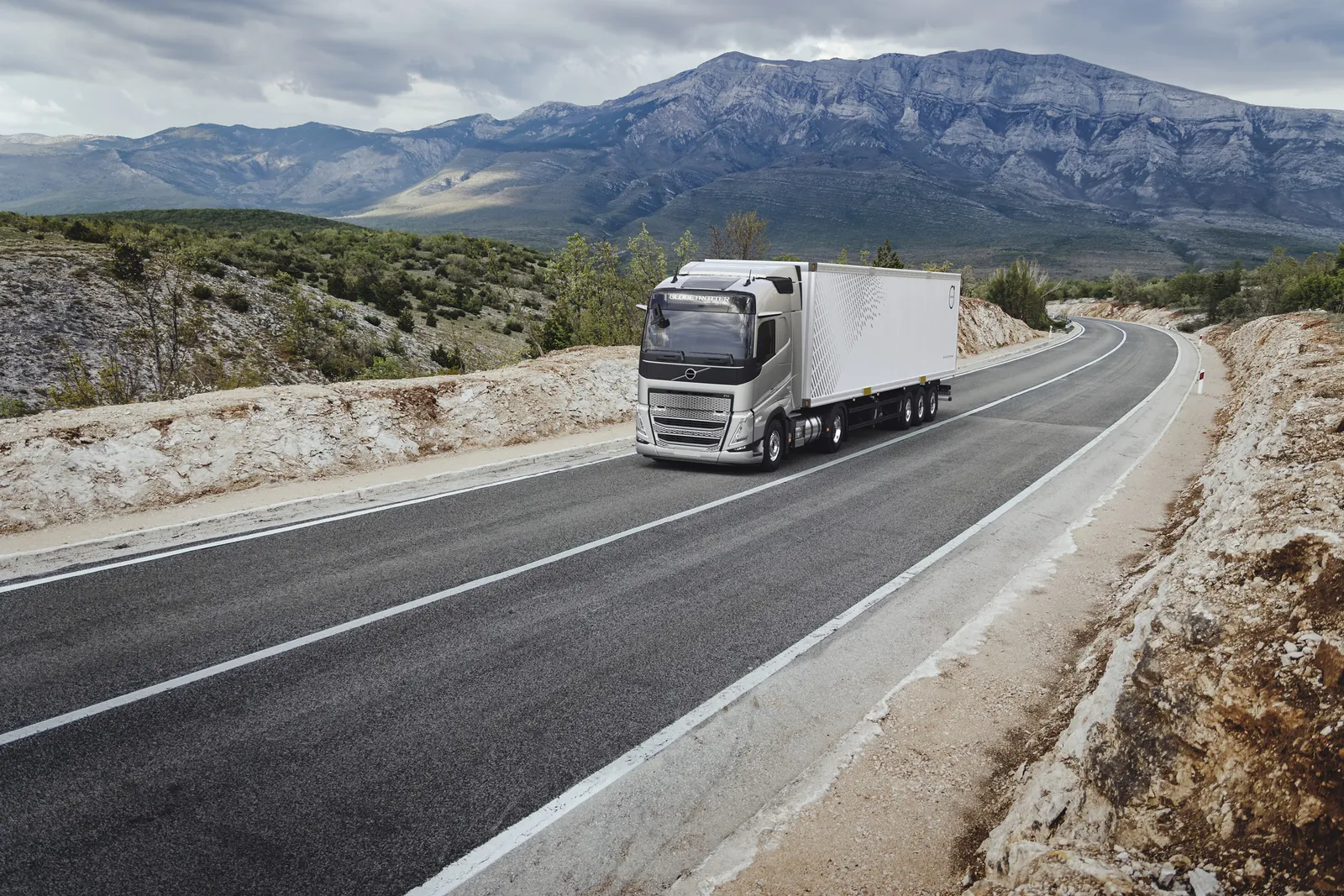
Volvo Trucks has reached a major global milestone: more than 10,000 LNG trucks have been delivered since their launch in 2018. Growth is being driven by rising demand for sustainable transport solutions, as well as the good availability and attractive price of (bio-)LNG.
Volvo Trucks has now delivered more than 10,000 LNG trucks worldwide since introducing the technology in 2018. The UK is Volvo Trucks’ largest market to date, followed by Germany, Sweden, the Netherlands, Norway and France. Emerging markets for (bio-)LNG-powered vehicles include India and Latin America, where volumes are growing steadily.
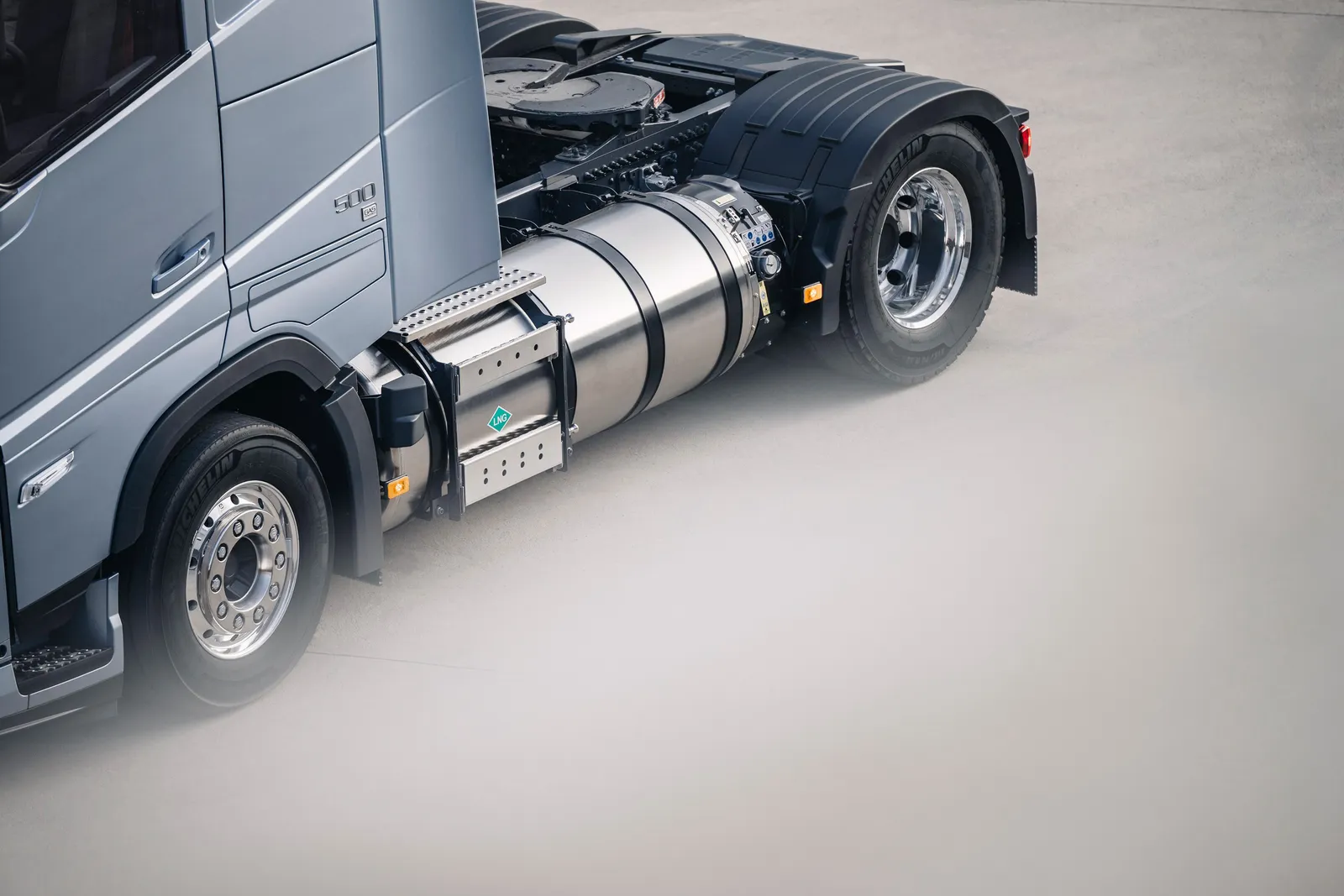
A powerful and efficient alternative for long-haul transport
Volvo Trucks’ LNG engines are available in the Volvo FM, FH and FH Aero series and can run on conventional LNG (Liquefied Natural Gas) or bio-LNG, a non-fossil liquid gas derived from organic waste that can replace LNG.
“Volvo Trucks’ LNG engine technology is a leading solution in terms of power, torque, engine response and fuel efficiency. Our customers also value the strong performance, ease of driving and overall comfort of our (bio-)gas trucks,” says Jan Hjelmgren, Head of Product Management at Volvo Trucks. “We see considerable potential for LNG trucks as an important step towards zero-emission transport.”
Volvo’s LNG trucks can travel more than 1,000 kilometres on a single tank, making them well suited to long-haul transport and intensive domestic operations. At a time when transport companies and shippers are looking for more sustainable options, running on (bio-)LNG is a practical alternative to fossil diesel for applications where electrification is not yet possible.
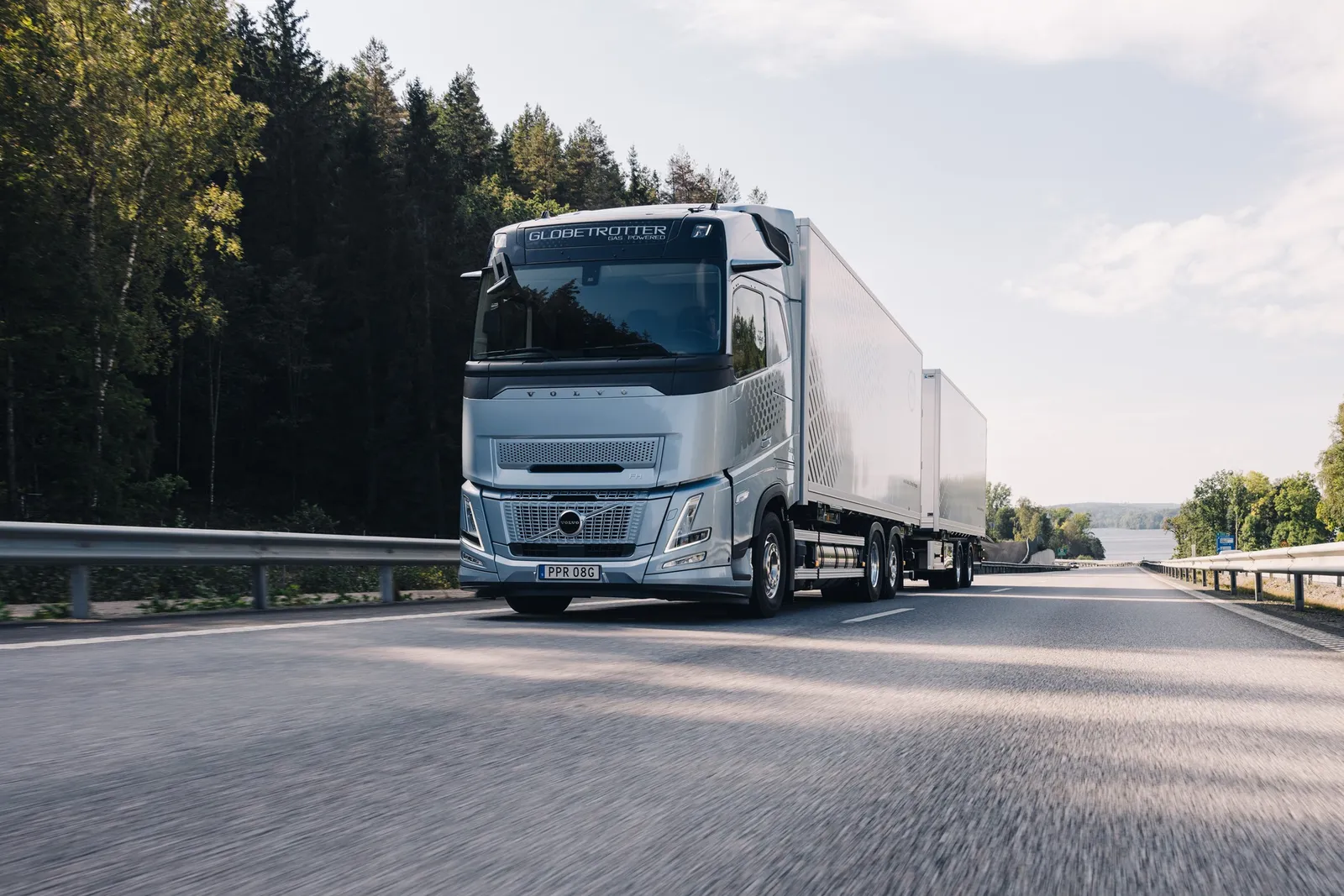
Rapidly growing refuelling network and favourable business case
Several countries already have a well-developed refuelling infrastructure, and access to bio-LNG is expanding rapidly. The Netherlands, Germany, Norway, Finland, Sweden and, soon, Belgium are good examples: all gas filling stations in these countries now offer bio-LNG. In the Netherlands, for example, the supply of bio-LNG produced by anaerobic digestion is more than sufficient. This enables users to achieve CO₂ reductions of up to 100% (well-to-wheel). In markets where tax incentives and government support are available for renewable fuels and low emissions, bio-LNG becomes a highly cost-effective option.
Volvo Trucks’ advanced gas engine technology is based on the successful D13 powertrain and delivers performance equivalent to diesel engines, while significantly reducing CO₂ emissions.
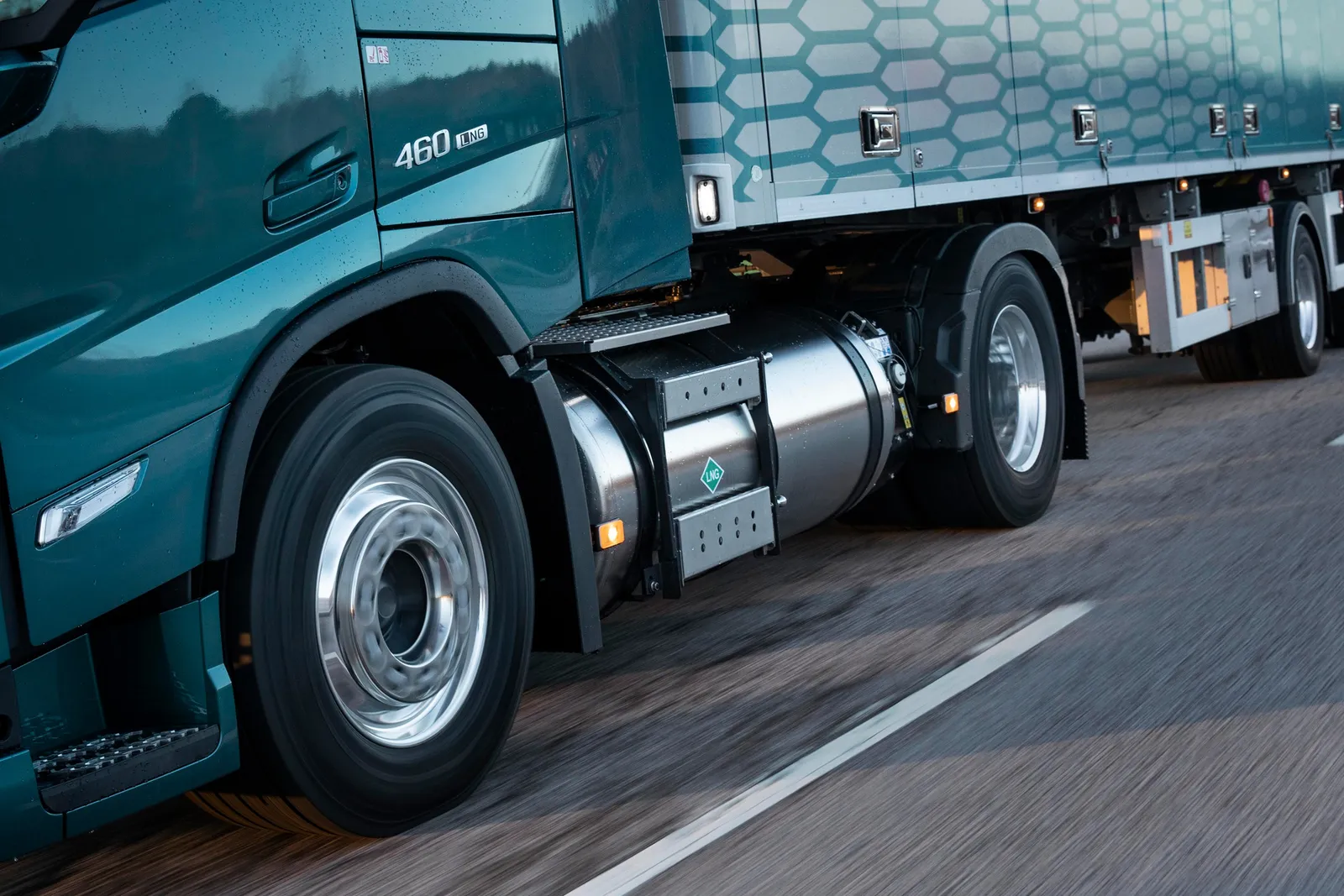
Facts about Volvo’s (bio-)LNG trucks:
- Volvo’s LNG trucks use Cespira’s fuel-efficient HPDI (High Pressure Direct Injection) technology.
- Volvo Trucks’ gas engines use a small amount of diesel as an ignition fuel. When HVO (Hydrogenated/Hydrotreated Vegetable Oil) is used for this purpose, CO₂ emissions can be reduced by up to 100% (well-to-wheel) compared with a diesel truck.
- Biogas is produced from locally available organic waste, such as manure or food scraps, and then liquefied to make bio-LNG.
- Bio-LNG is one of the fuels for internal combustion engines that form a crucial part of Volvo Trucks’ strategy to achieve net-zero tailpipe emissions by 2040.
- Volvo Trucks’ three-pillar strategy to achieve net-zero CO2 emissions comprises battery-electric trucks, fuel cell electric trucks and internal combustion engines running on renewable fuels.
Question about this story? Ask your question
Keep following this
Get an email when a new story is published. No account needed.
- ThemeLower-emission transport
- SubjectGeneral







