












Research shows: logistics and warehousing are leading the robotics and AI dance
Text Ferdi den Bakker Beeld Ferdi den Bakker / Zalando / Pexels / Pixabay
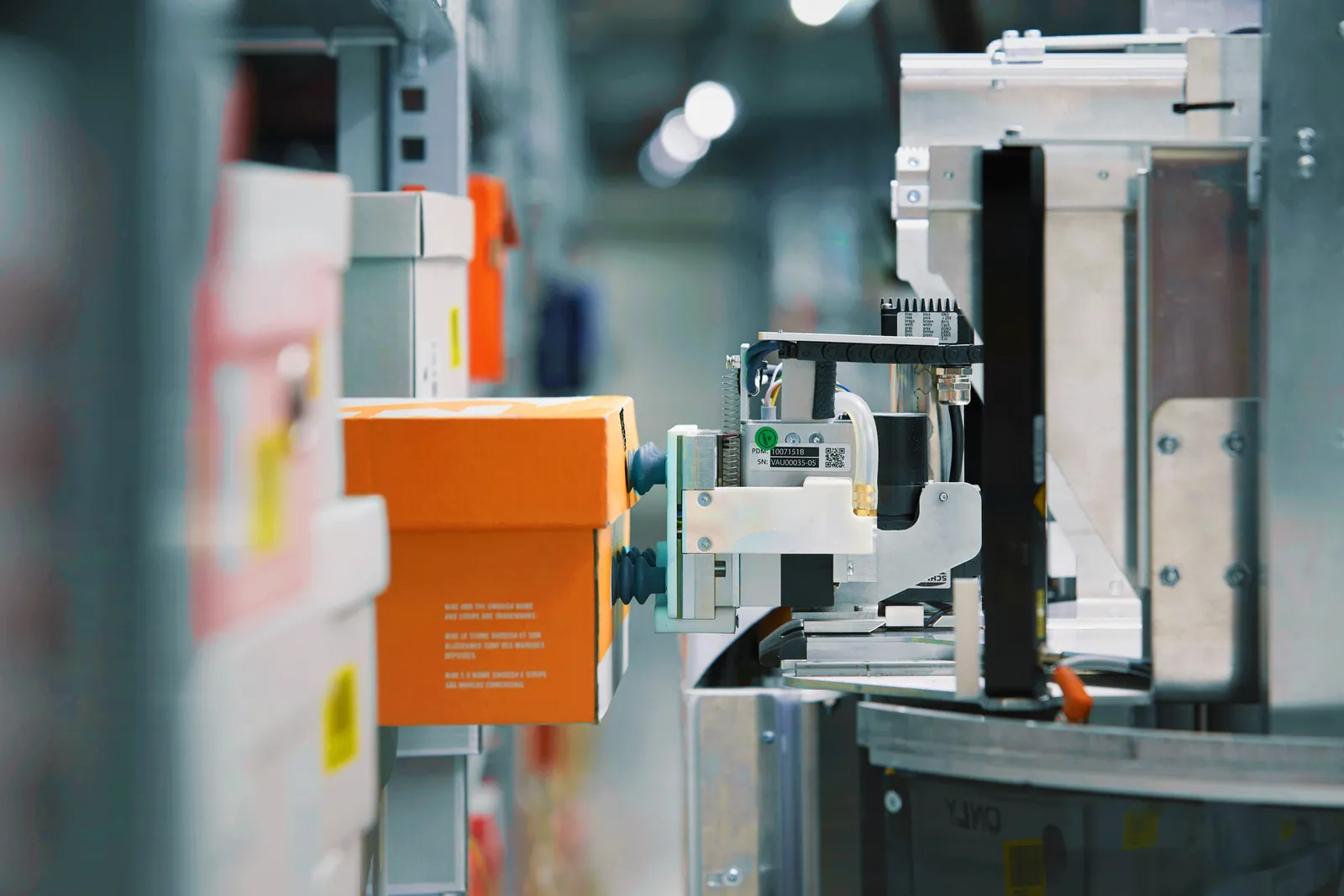
Companies operating in warehousing and logistics are leading the way in integrating robotics and AI. That is according to a recent report by the International Federation of Robotics (IFR), AI in Robotics. Trends, Challenges, Commercial applications. Companies in manufacturing and industrial automation, as well as the service sector, are also integrating the technology more than average.
Companies working in warehousing and logistics are paying a great deal of attention to the combination of robotics and AI, says IFR, the organisation that brings together robotics suppliers from more than twenty countries. Remarkably, the logistics sector’s keen interest in combining robotics and AI is not due to a shortage of labour. The main factors are the availability of investment funds and a relatively controlled working environment.
Capabilities are expanding rapidly
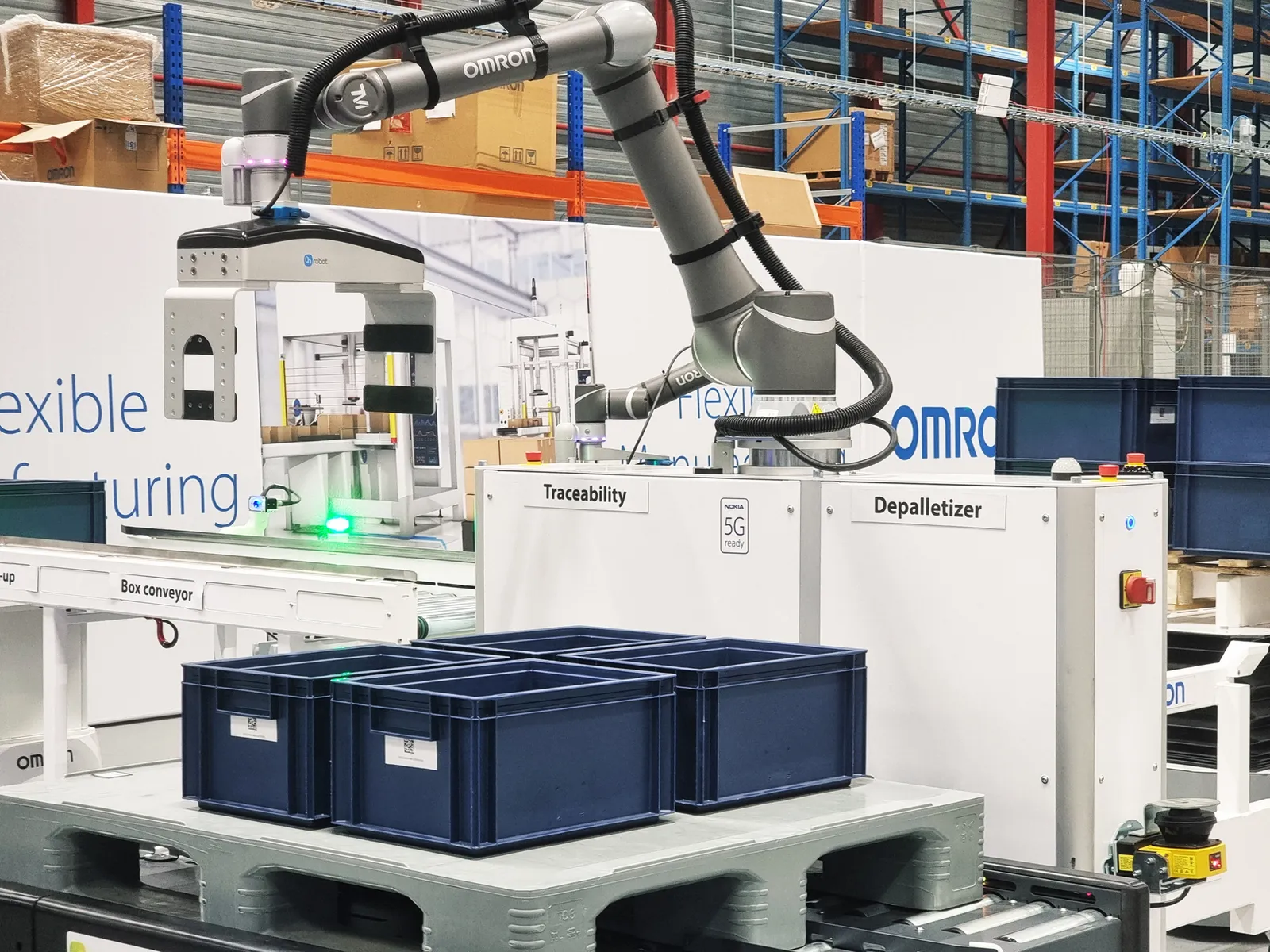
The report shows that the capabilities of robotics and AI are expanding rapidly. Zalando, for example, plans to deploy up to fifty AI-powered robots in fulfilment centres across Europe. The number of drone applications in warehousing is also growing rapidly, says Avular Logistics Solutions. AI takes various forms in these applications, and is certainly not always used for generative AI. IFR highlights four tangible applications: machine vision systems (1), autonomous mobility (2), predictive maintenance (3), and simulations, digital twins and virtual tools.
Machine vision
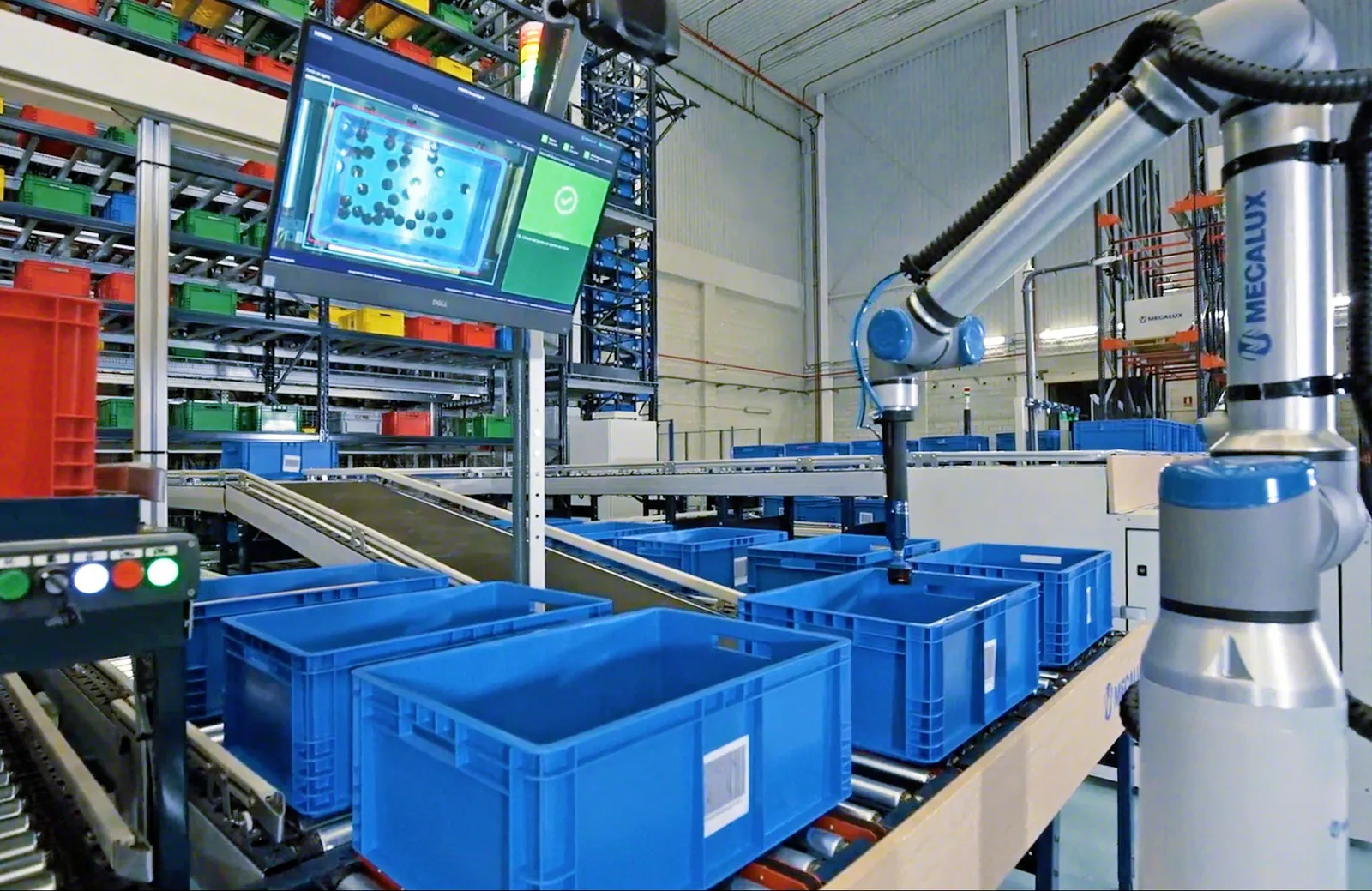
Machine vision systems are becoming the cornerstone of smart robotic systems, says IFR. They enable machines to understand their surroundings with increasing precision and respond to them. This applies to warehouses and production halls. Vision systems are helping to transform industrial processes and are also accelerating the adoption of automation. According to IFR, applications can make a significant contribution to quality control and the detection and assessment of objects. They also help automate activities such as picking and sorting totes. Vision systems also support the guidance of robot movements and behaviour.
Autonomous vehicles
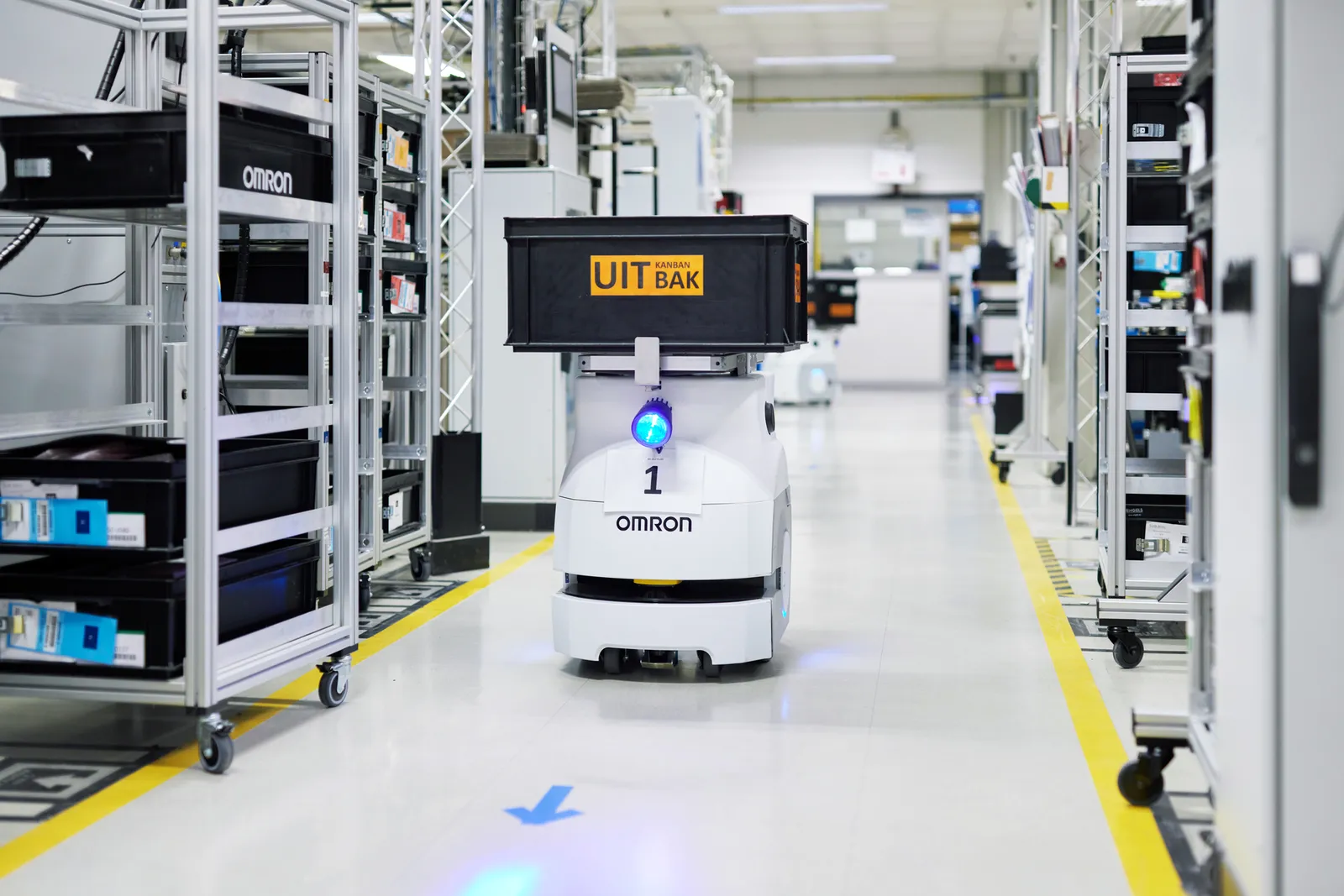
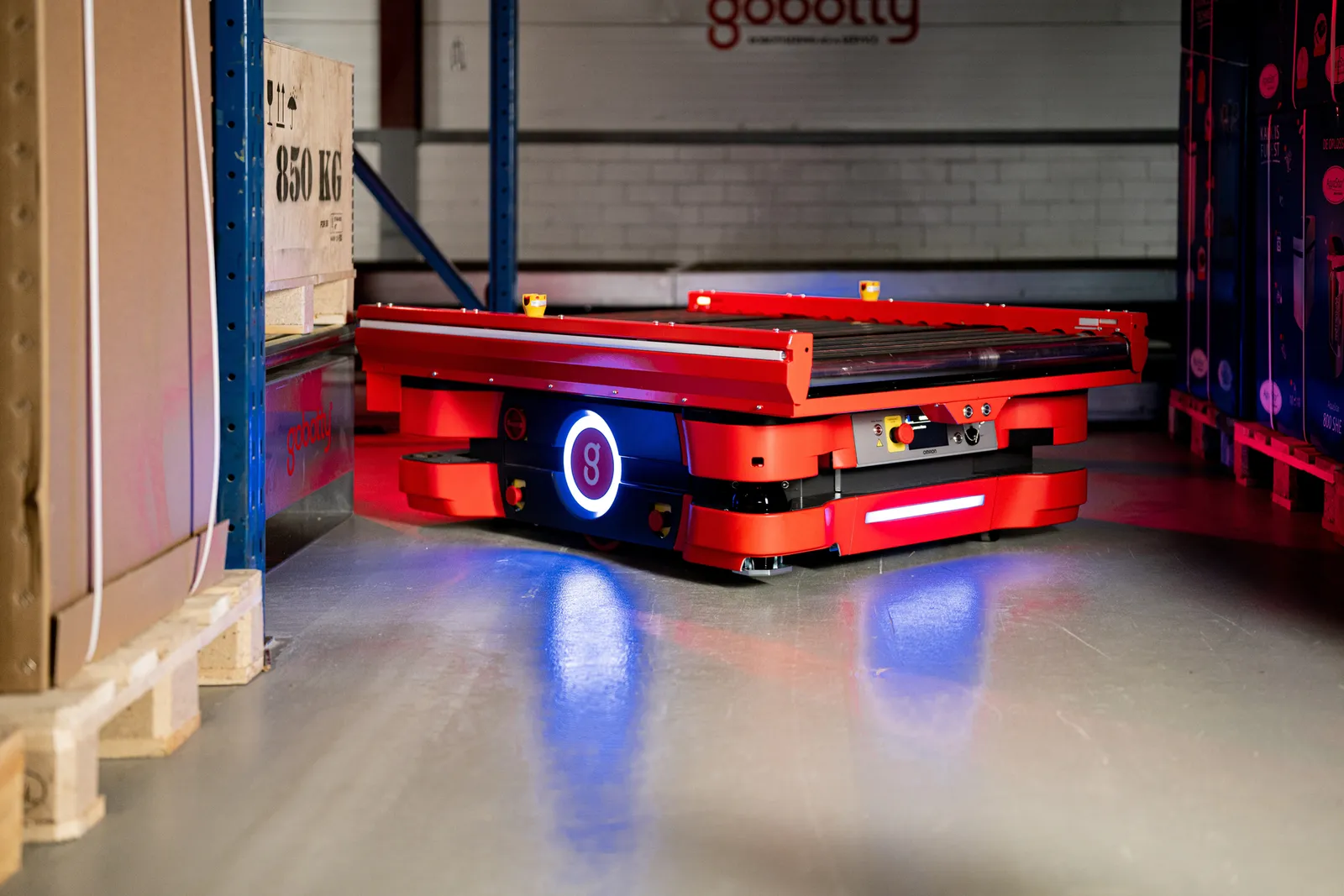
In industrial automation, the ability of vehicles to navigate autonomously is essential, according to IFR. Simultaneous Localization and Mapping (SLAM) systems play a key role in this. Increasingly, systems also use AI to plan a path or route, avoid obstacles and determine their location in real time. The addition of smart technology enables both flexible routing and greater operational efficiency.
Maintenance and simulation
Smart algorithms can also reduce equipment downtime. Real-time diagnostics, combined with greater computing power, can be used to predict maintenance needs and faults more effectively and intelligently. Simulation and digital twins give companies the opportunity to test the performance of new processes virtually before they are implemented.
Improved interaction between robots and people
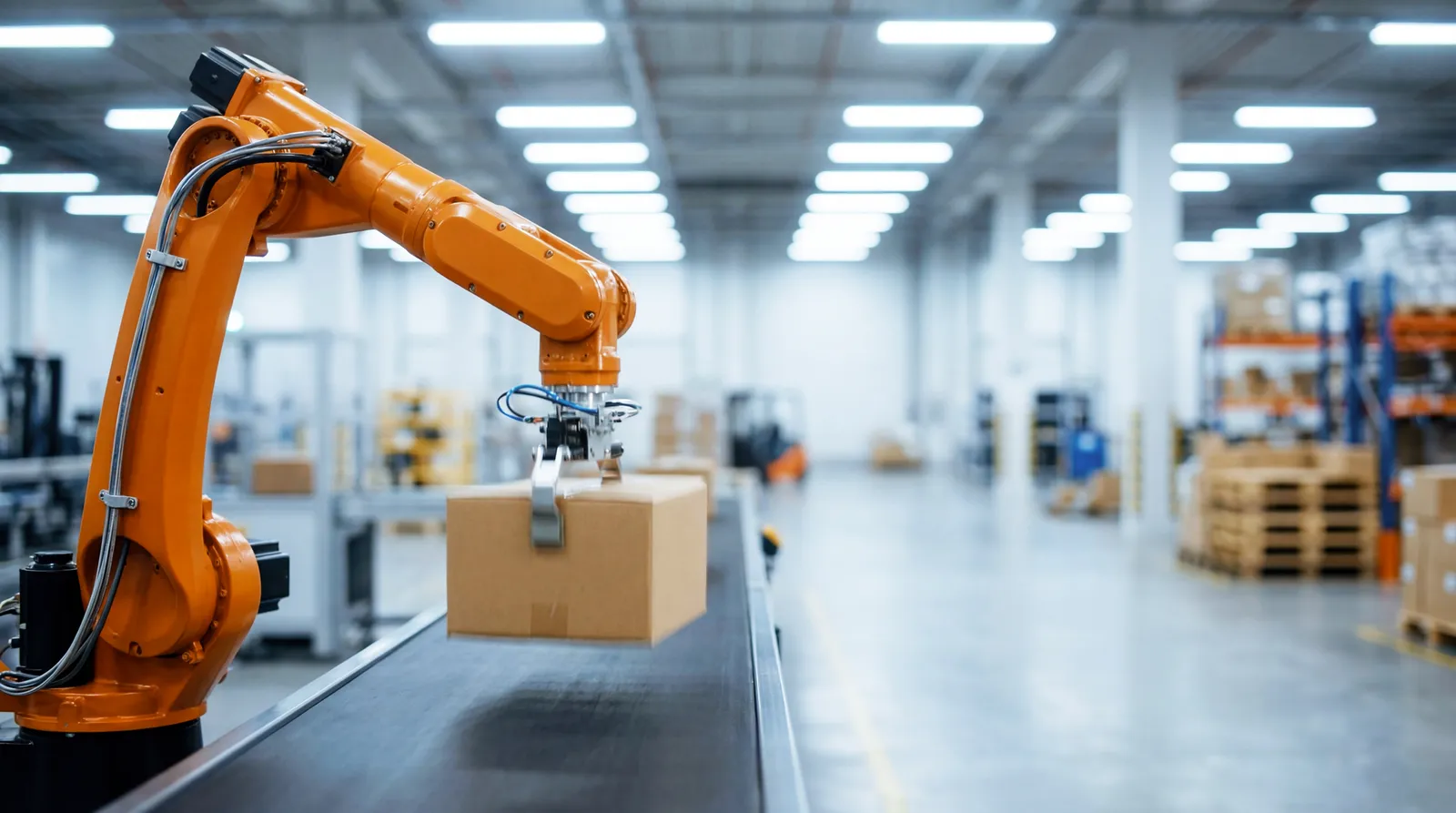
According to IFR, AI will open up many more possibilities in the future. The logistics sector and production environments will increasingly be able to deploy robots for tasks such as picking, processing and assembling goods. The continuous feedback robots receive about what is going well and what is not can be applied directly to new tasks. IFR also expects AI to help improve interaction between people and robots. There are already examples, such as cobots, but this interaction will improve further. The group of suppliers expects major advances in these areas from 2030 onwards.
RobotGPT
There is also an ultimate vision of the future. From 2035, the organisation says, a range of AI-equipped robotic solutions will arrive, already referred to by the working name RobotGPT. These robots could, for example, perform many more different tasks than today in warehouses or production environments. In an ideal world, the robots would have a kind of standard robotic intelligence that allows more equipment to work together. The result would be individual components forming a scalable, flexible automation layer for applications that boost productivity.
Question about this story? Ask your question
Keep following this
Get an email when a new story is published. No account needed.
- ThemeAutomating goods flows
- SubjectGeneral







