












Engaging logistics trade fairs get the sector moving
Text Ferdi den Bakker Beeld Michiel Ton / Ferdi den Bakker
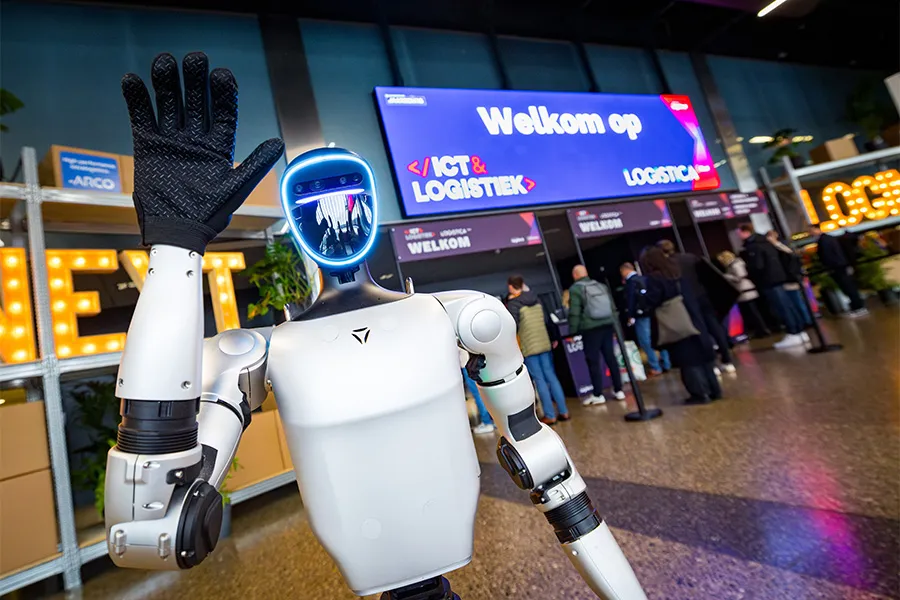
More than 300 exhibitors and 8,500 visitors in three days
Robotics, AI, RFID and more than 300 exhibitors and 8,500 visitors in three days. Logistica Next and ICT & Logistiek at Jaarbeurs in Utrecht pulled out all the stops to inspire the logistics world and get companies thinking about the next step towards greater efficiency.
The two logistics trade fairs are becoming increasingly interconnected. Logistica Next was once primarily a showcase for large intralogistics solutions, with racking and forklifts. For years, ICT & Logistiek presented itself as an event with stands where the solutions, the applications, were barely visible, despite being crucial behind the scenes. Since 2024, and again in 2025, these two worlds have clearly become intertwined. Robotics, such as AMRs and AGVs, as well as AI, RFID and software-based control systems, featured prominently at both fairs. They have become indispensable elements of fulfilment, intralogistics, distribution and production.
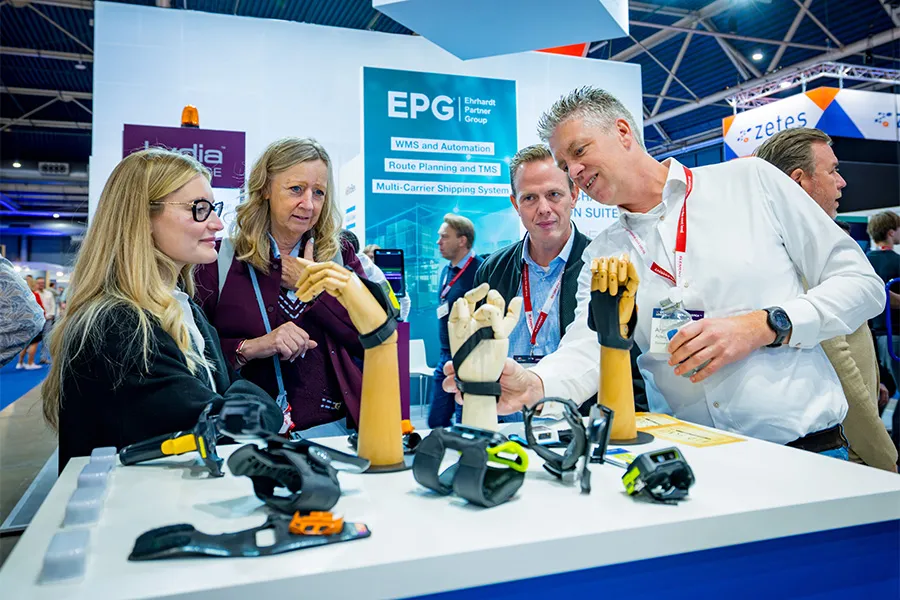
Data, technology and adapting to change
Engaging visitors was the aim of almost every exhibitor. The trade fair organisers added content-led sessions, with a strong focus on data and AI. This is no longer a luxury, but a necessity for responding to market changes. The wide range of solutions and sessions gave visitors the chance to gather tips and explore options when choosing a TMS, WMS or robotics solution.
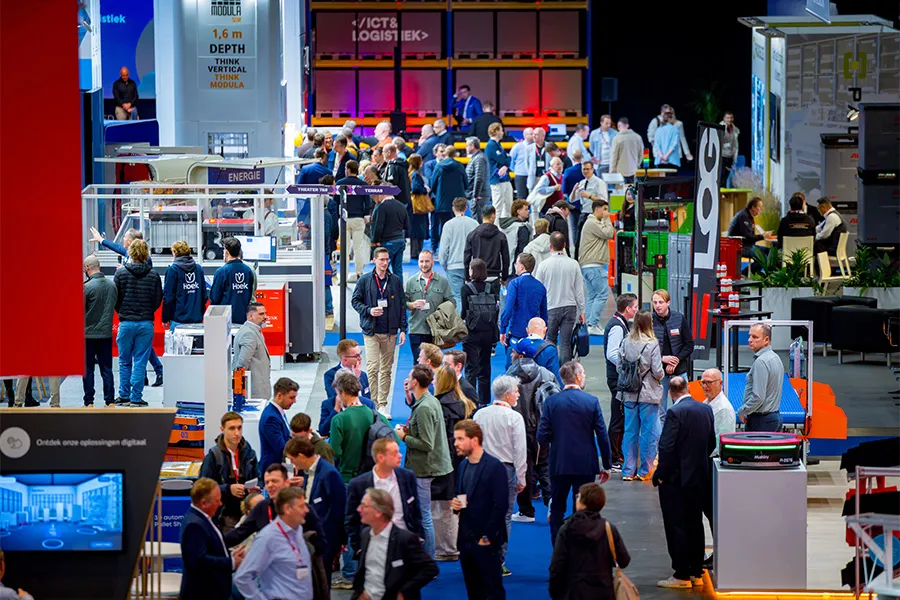
Intralogistics
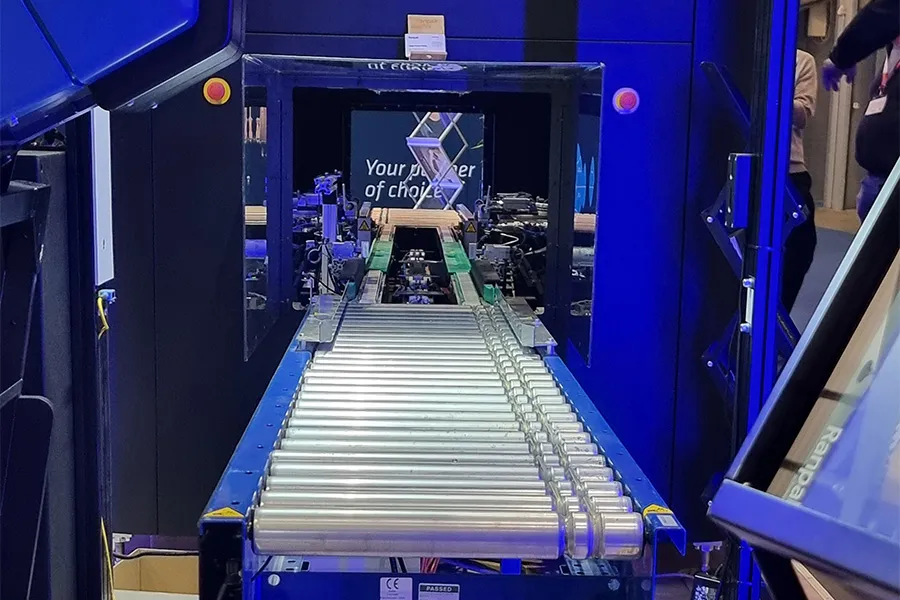
Many businesses are currently looking for ways to address labour shortages in logistics processes while making those processes more flexible. This is probably the biggest intralogistics challenge at present. In practice, this means making targeted investments in automation that can work alongside warehouse staff, for example, when required. Robotics controlled by applications and combined with roller conveyors or conveyor systems were therefore much in evidence. This is an example of a setup that can, in principle, keep running 24/7. Various suppliers demonstrated the possibilities, from standalone robots to Autostore systems. Several examples can also be found in this and the previous issue of Warehouse & Logistiek.
RFID and AI
Efficiency is about more than making intralogistics tools and people work together. It also means providing certainty, such as ensuring that the right parcel ends up in the right lorry. RFID is playing an increasingly important role here, sometimes in combination with AI. In any case, Logistica Next and ICT & Logistiek would have been unthinkable without AI, particularly because AI can interpret large volumes of data or unstructured data. The technology can speed up processes, but above all it can take over manual tasks from an already scarce workforce, for example, processing orders or invoices, or scanning items.
Data quality
One aspect remains, and almost every supplier at the trade fair agreed on it: the opportunities to work more intelligently, efficiently and accurately are there, but the quality and completeness of item and company data determine the level of efficiency that can be achieved. This is not a new topic, of course, but it is one that will set some companies apart from others.
Question about this story? Ask your question
Companies in this story

Keep following this
Get an email when a new story is published. No account needed.
- ThemeAutomating goods flows
- SubjectGeneral
- CompanyJaarbeurs B.V.







