












Electrification is not the only item high on the agendaHeadline online
Text Piet Andries Image Daimler Truck
Having split from its passenger car division, Daimler Truck is looking to the future with confidence. The company’s CEO explained what the rapidly changing future holds for the German truck manufacturer at the Daimler Truckport event near Zaventem Airport. Electric trucks, of course, but also more attention to customers’ concerns.
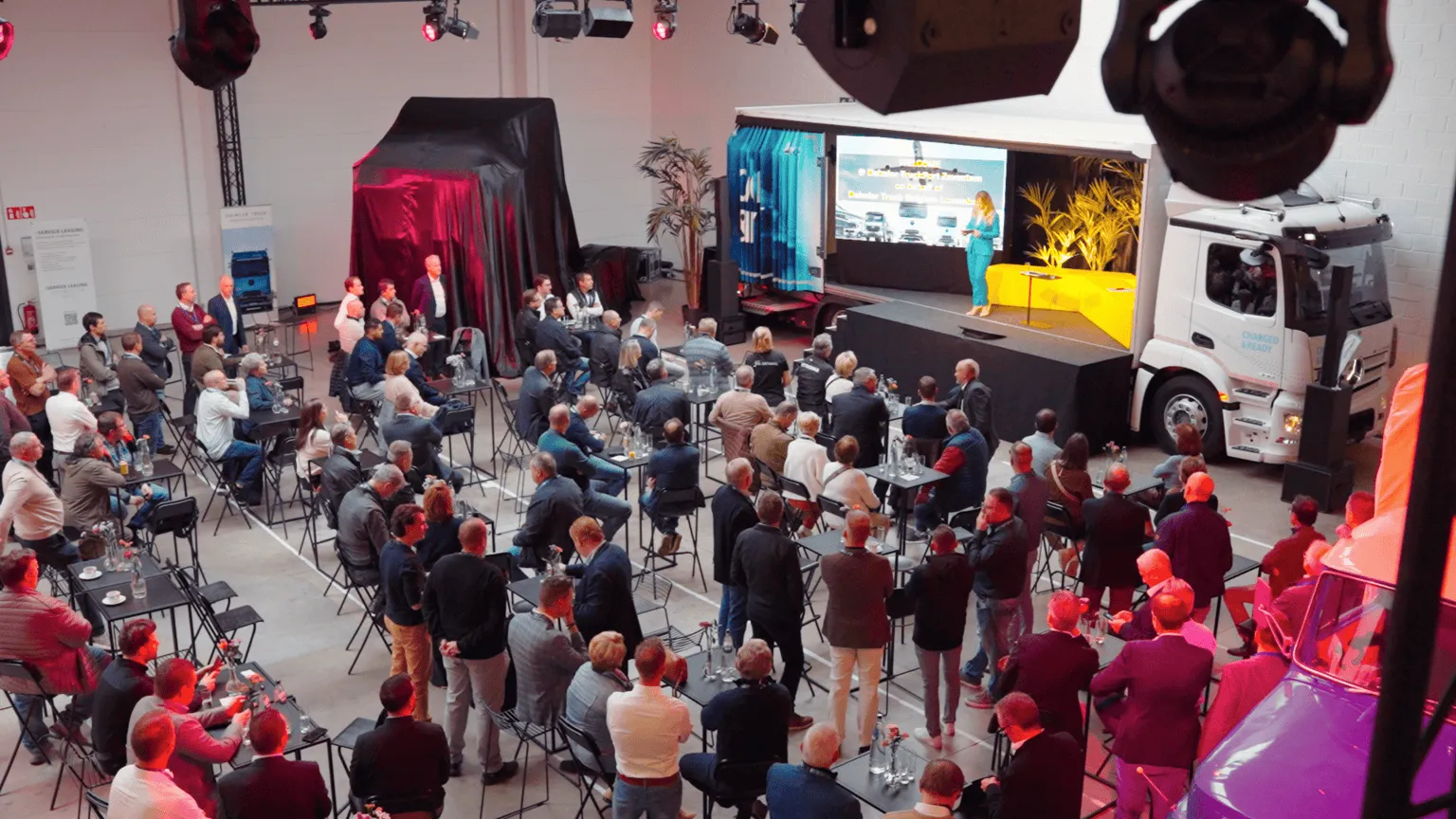
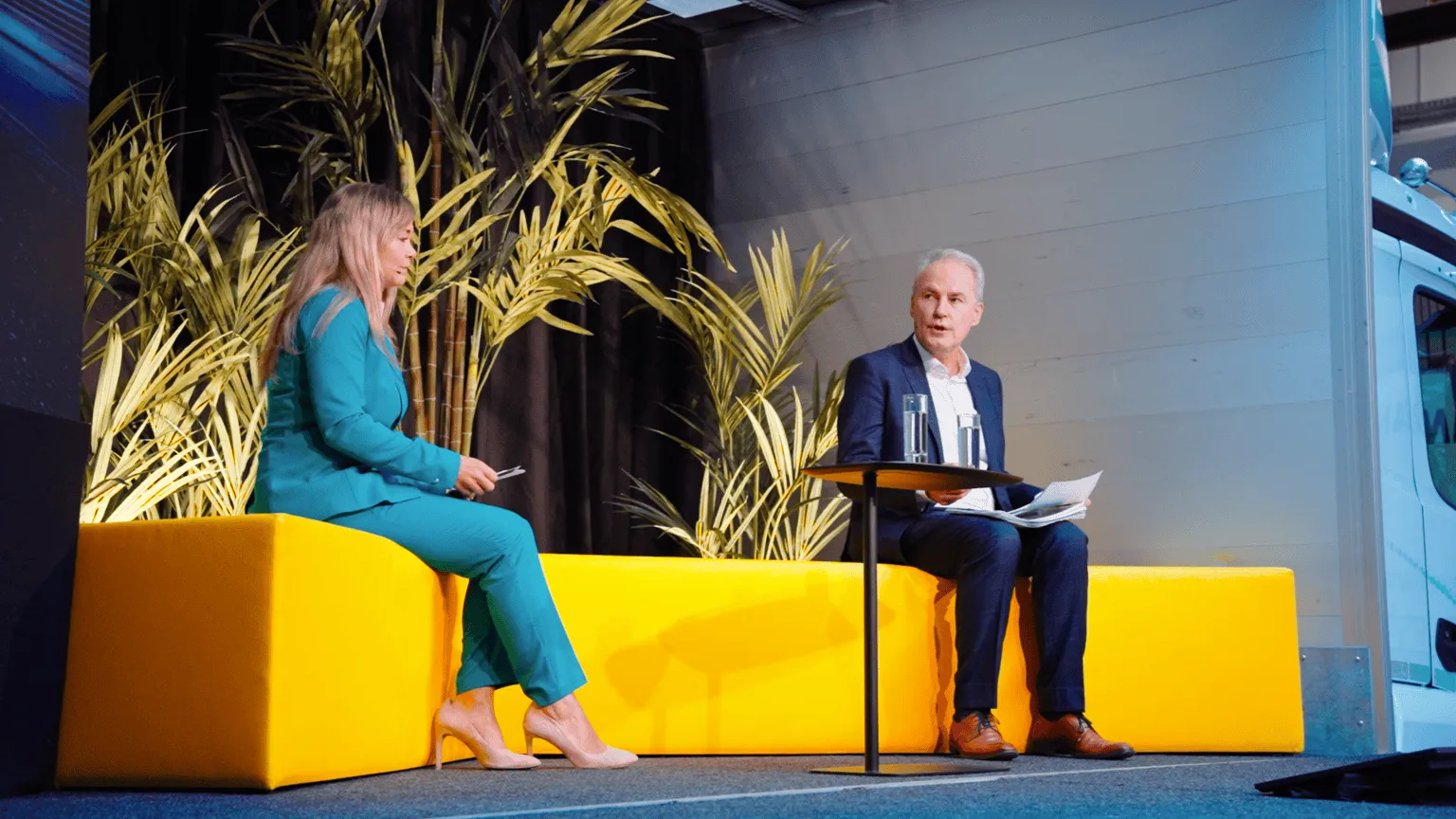
Daimler Truck celebrates its 129th anniversary next year, but CEO Belux Peter Brock is not looking in the rear-view mirror. His vision of the future included “special lanes accessible only to autonomous vehicles” and “motorways with more than enough hydrogen refuelling stations”. “We are investing heavily,” says Brock, “but the key is to do so in a measured way.” Another spectre that loomed large in the halls at the Daimler Truck Port event, where the boss spoke to us, was geopolitical tension. Even so, Brock sees opportunities. “Because despite everything, the transport sector will continue to grow by 2 to 3 per cent by 2030, benefiting both our business and that of our customers.”
“As simple as possible”
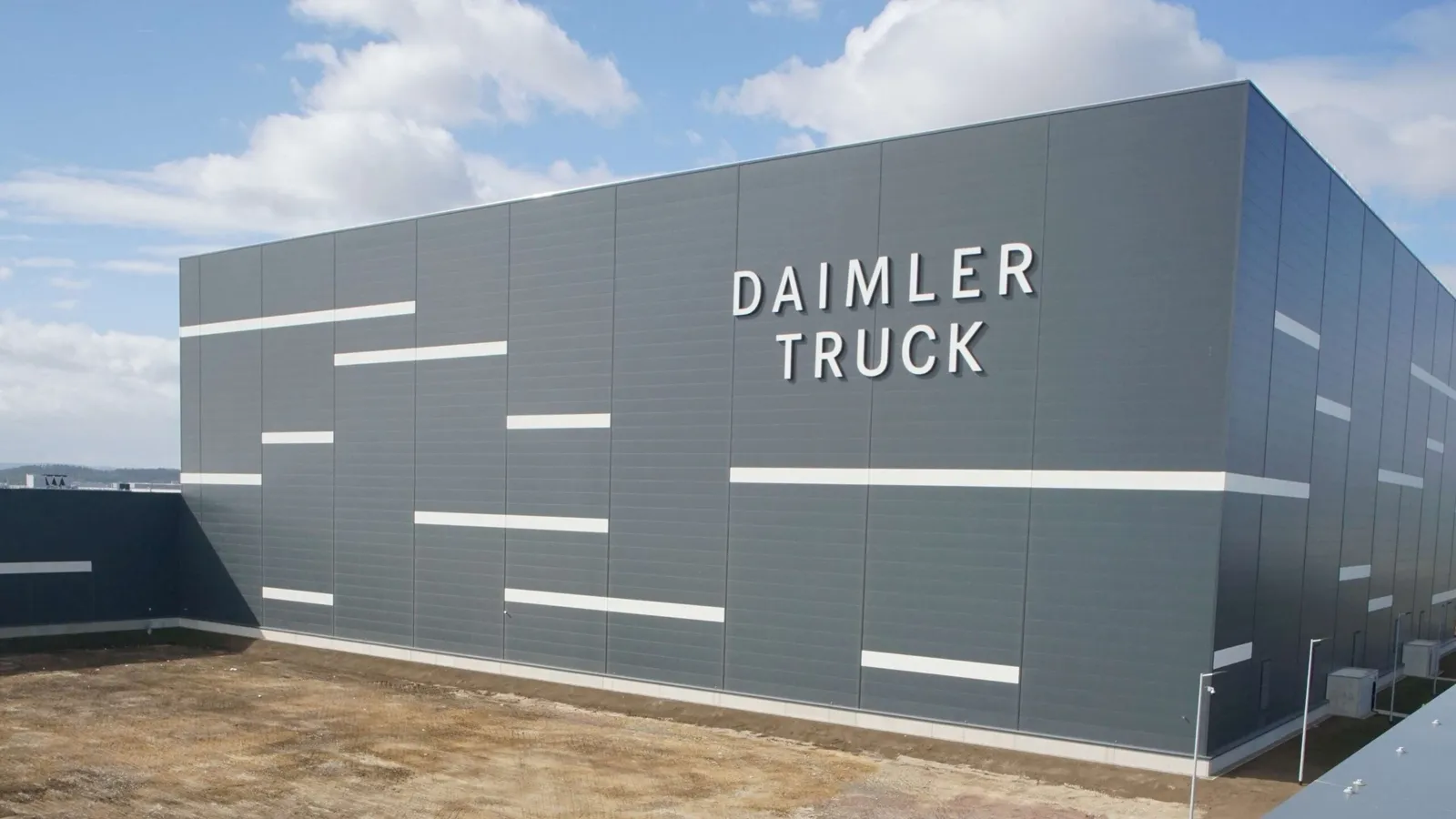
Last year, Daimler Truck, which employs 108,000 people worldwide, sold around 460,000 vehicles. Those figures provide the basis on which the manufacturer can continue to build a more sustainable offering. But there is more to it. Brock: “As a manufacturer, we have to deliver what customers expect. We also want to be, above all, a partner that customers can do business with as simply as possible.” There was room for improvement in this area. Daimler Truck therefore invested in a newly opened, state-of-the-art logistics centre in Halberstadt, southern Germany. This will increase security of supply and minimise customer downtime.
Investing in a measured way? Well, Daimler Truck is living within its means. As the world’s largest manufacturer of diesel engines, the company will continue to make this technology a core product, while expanding its in-house innovations in battery-electric drivetrains. Its approach to hydrogen is more about sharing costs, pluralism and patience. To this end, the company is joining forces with Volvo Trucks to develop both hydrogen combustion engines and fuel cell technology. Their commercial launch is scheduled for 2029. “Our products are important building blocks for the transition, and they are ready for it,” stresses Brock
Like a diesel
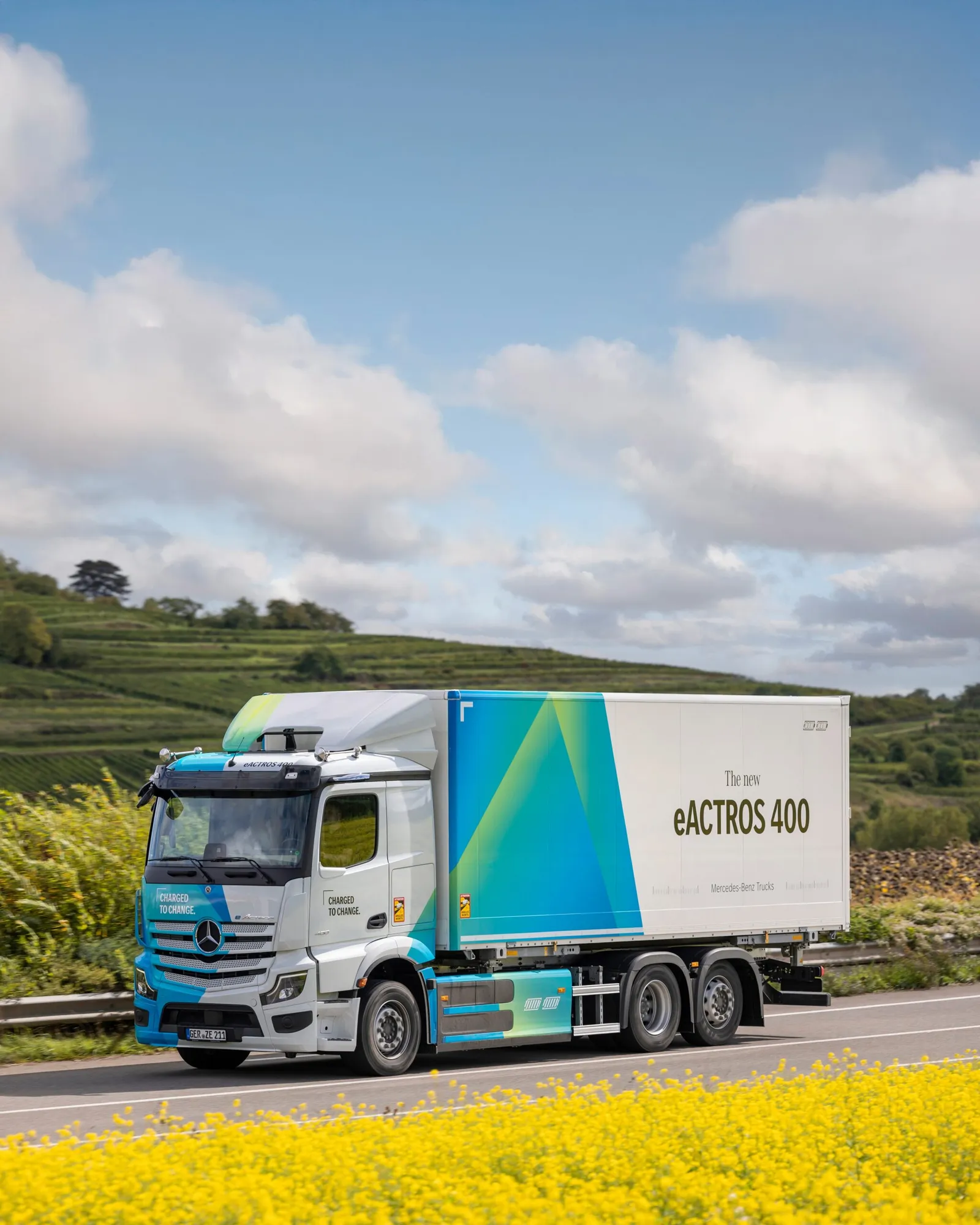
To back up those words, attendees at Daimler Truck Port were able to get acquainted with a European premiere: the new all-electric eActros 400, which borrows from the larger eActros 600. The medium-duty truck takes over its electric drive axle with two motors, as well as its four-speed transmission. It delivers a continuous output of 400 kW, with a peak of 600 kW. But because it carries only two battery packs instead of three (414 kWh), it weighs 1.5 tonnes less and can carry a payload of up to 25 tonnes, comparable to a diesel truck.
The decision to use LFP (lithium iron phosphate) batteries again reflects a growing trend at Daimler Truck: this chemistry uses few critical raw materials. That makes it less expensive, improving the TCO picture. Drivers can also benefit from the fast-charging advantages of an 800-volt architecture. The 400 can charge from 10 to 80 per cent in 46 minutes via CCS and achieve a range of up to 480 kilometres with a partial load. “A ZEV truck will remain more expensive than its diesel alternative for some time. Political intervention is needed. After all, another 35,000 charging stations must also be operational in Europe by the end of the decade,” Brock concludes
Question about this story? Ask your question
Keep following this
Get an email when a new story is published. No account needed.
- ThemeLower-emission transport
- SubjectGeneral







