Transition to self-sufficient distribution centres
Text Kris Vandekerckhove Beeld DHG
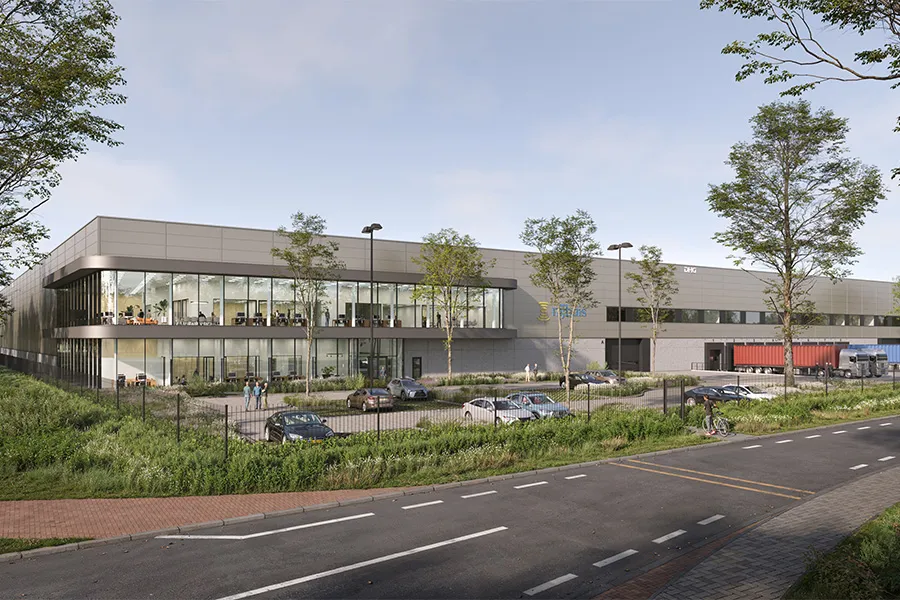
The logistics property sector faces major challenges. Energy demand is rising, the electricity grid is becoming overloaded and sustainability is increasingly important to both tenants and end customers. DHG, a developer of distribution centres and the company behind the SMARTLOG concept, has been leading the way for some time with innovative energy management solutions and circular construction methods, without making a song and dance about it.
The energy transition calls for new ways of managing electricity. Many companies in the Netherlands are facing grid congestion: the electricity network cannot meet demand, meaning new connections may not be available for years. “In some locations, we simply cannot get an electricity connection,” says Peter van Wensveen, development manager at DHG. “Grid operators say they will not be able to supply power until 2027, and even then there is no guarantee. That is why we are now developing warehouses that can operate partly or even entirely off-grid.”
Smart energy solutions
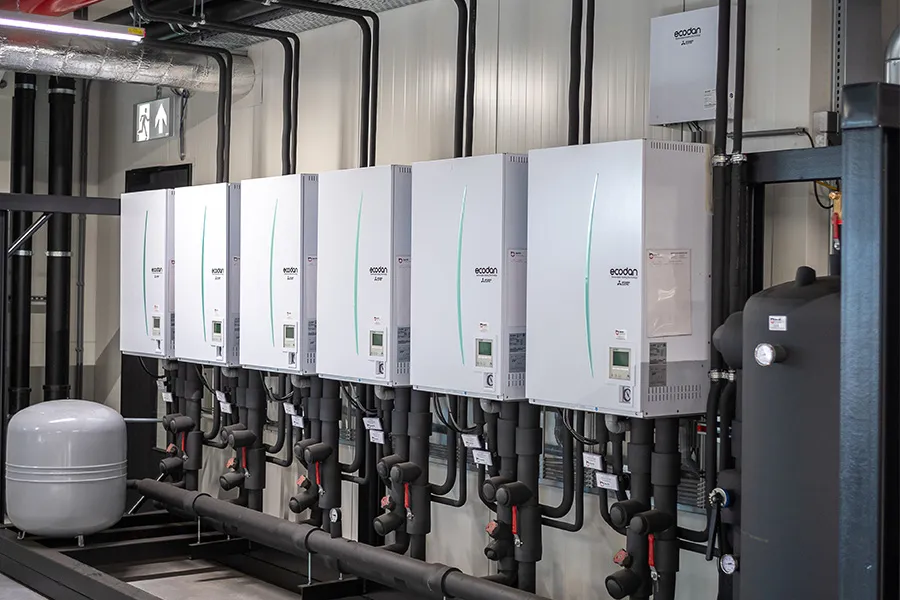
DHG is tackling this through its subsidiary DHG TwoZero, which focuses on developing smart energy solutions. DHG will soon begin construction in Lelystad on a distribution centre that operates entirely independently of the electricity grid. It will use a combination of solar panels, battery storage and an advanced energy system. “We keep energy consumption as low as possible by using a ‘smart energy system’,” explains Van Wensveen. “The system ensures that the available power is distributed optimally throughout the building. This prevents peak loads and allows us to make maximum use of every kilowatt-hour.”
Rainwater becomes drinking water
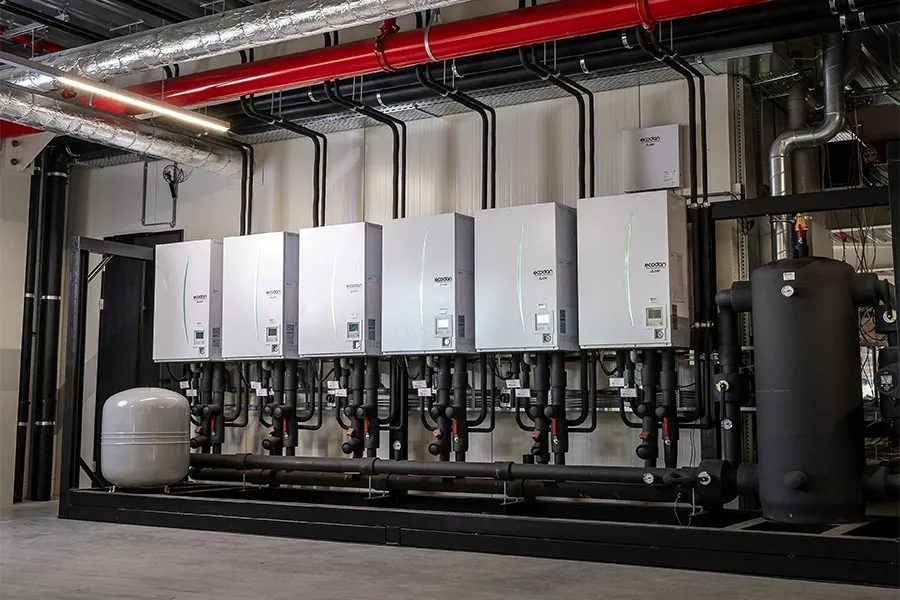
Water management is also playing an increasingly important role in the development of logistics property, alongside energy efficiency. At Smartlog Doetinchem, all rainwater falling on the roof and site is collected and purified into drinking water. Wastewater, such as water from sinks and toilets, is also recycled and reused. “Clean drinking water is becoming an increasingly scarce resource. That is why we are looking for ways to use water efficiently and sustainably,” says Van Wensveen.
Circular construction and nature-inclusive design
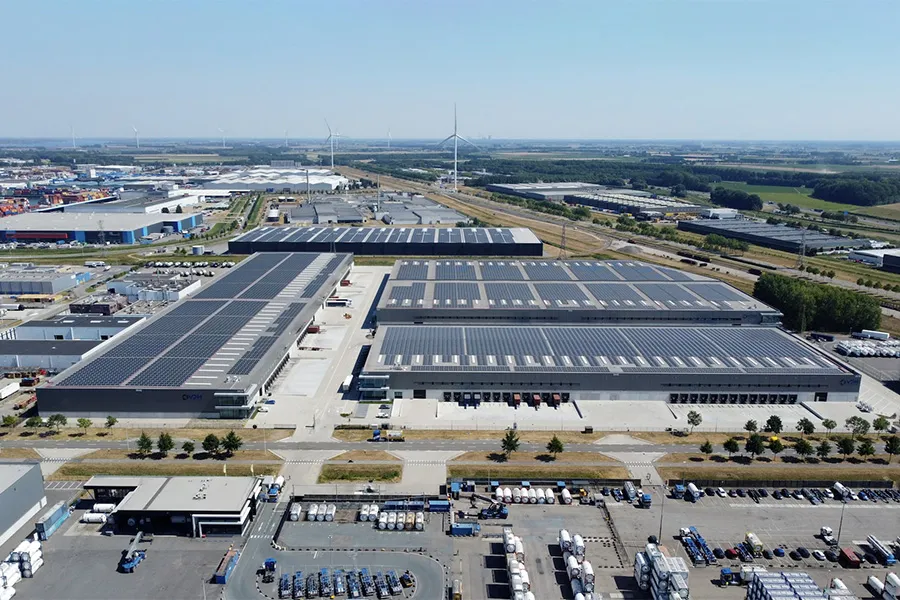
Circular construction is another pillar of the Schiedam-based company’s strategy. New distribution centres are built using reusable materials wherever possible, including steel structures and façade panels. At sites where old buildings are making way for modern logistics hubs, materials are carefully dismantled and recycled. “We have extensive experience, particularly in the Port of Rotterdam, in remediating contaminated land and redeveloping existing sites such as Smartlog Doetinchem,” says Van Wensveen. “We consider not only sustainability but also nature-inclusive design. How can you make a site as green as possible? How can you ensure that a logistics building blends into its surroundings? These are questions we are increasingly addressing in our projects.”
Doing more with the same amount of energy
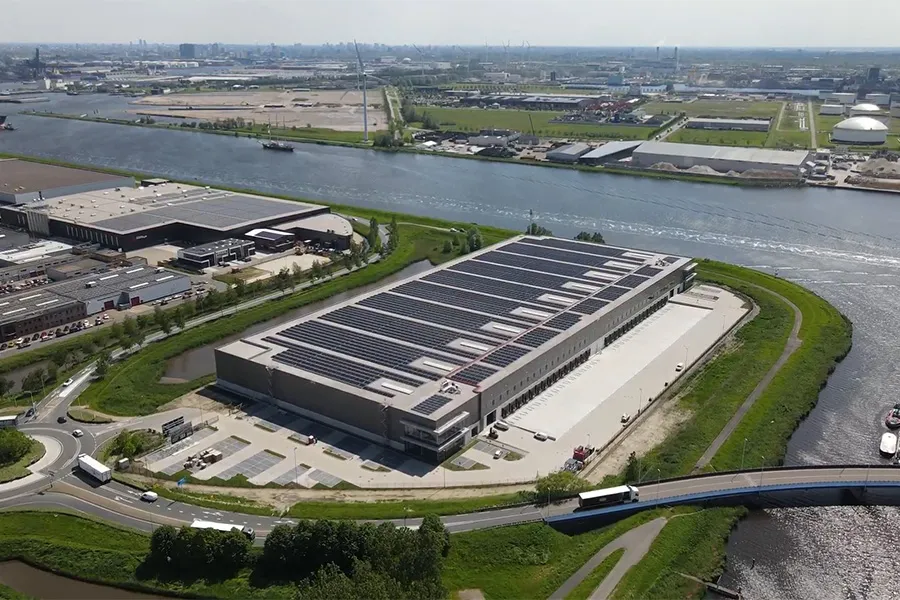
With these initiatives, DHG is taking steps towards a new generation of distribution centres where sustainability and efficiency go hand in hand. “Our tenants’ electricity consumption continues to rise, partly due to the electrification of vehicle fleets and the further automation of warehouses. But by integrating smart solutions, we can do more with the same amount of energy. With 150,000 solar panels installed to date and new battery systems in development, we are taking steps towards a greener future every day,” concludes Van Wensveen
Measures to ease grid congestion
By installing a battery storage system in Roosendaal, TwoZero is taking an important step in the fight against grid congestion and demonstrating how companies can contribute to a more sustainable future. This innovative solution can benefit both the local community and the environment by providing a more reliable and greener energy supply.
Een zakelijke vraag aan DHG? Get in touch
Companies in this story

Keep following this
Get an email when a new story is published. No account needed.
- ThemeLogistics property that grows with you
- SubjectAutomation
- CompanyDHG