‘The output of many logistics systems could be so much better’
Text Ferdi den Bakker Images Actemium
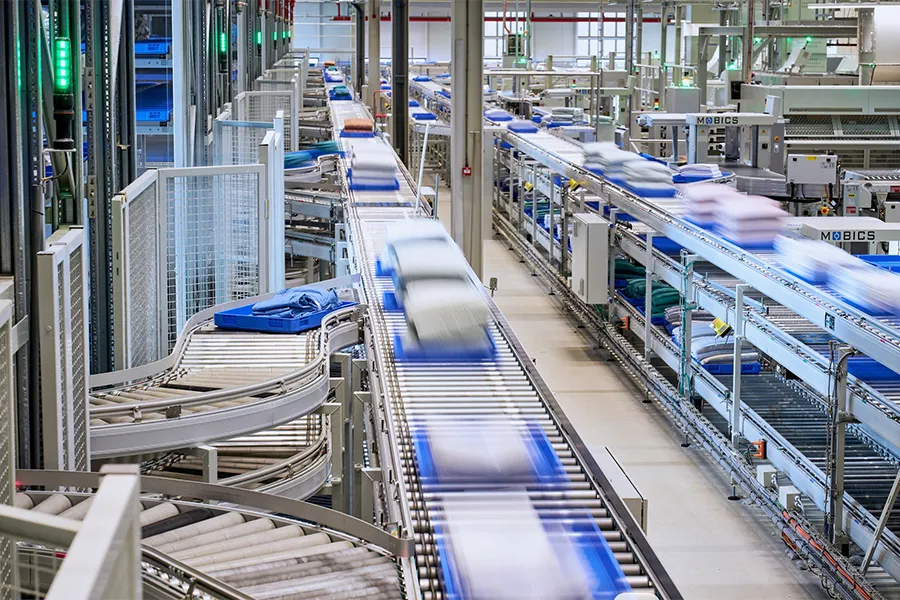
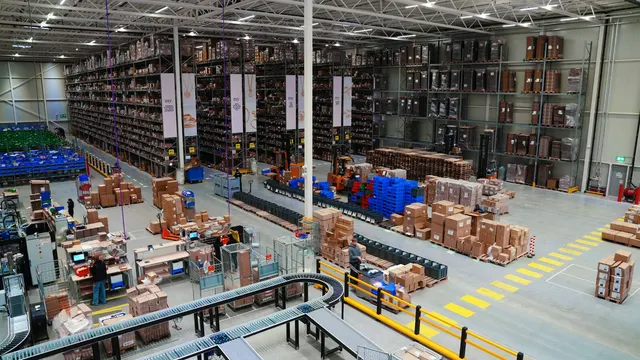
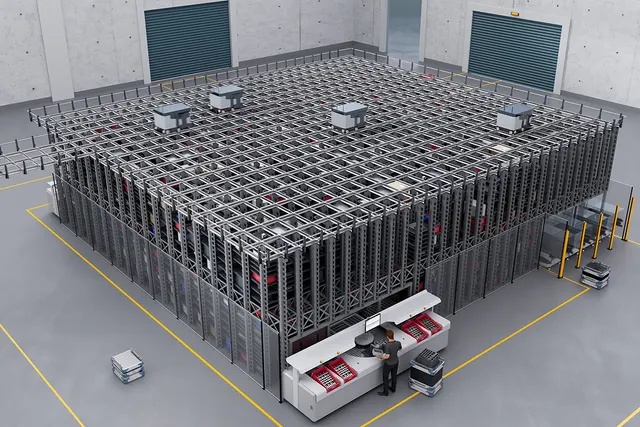
Many logistics systems are made up of different components, such as storage systems, picking stations, conveyors and sorters. In many cases, these machines and components are not optimally coordinated, says Frank van Doesburg, logistics client manager at integrator Actemium. “Perhaps the overall output is only sixty per cent of the target of one hundred per cent. We help companies increase this percentage.”
The integrated coordination of logistics systems is often overlooked, says Van Doesburg. “Entrepreneurs and managers often don’t even realise that there is a lack of coordination and that the system is inefficient.” Integrator Actemium supplies small and medium-sized logistics systems for both warehousing and industry. It also has extensive knowledge and experience in retrofitting and modifying existing logistics systems.
‘Shift the focus when implementing systems’
The logistics client manager sees many companies with logistics operations viewing automation as a ‘silver bullet’. “Automation and mechanisation certainly offer many opportunities, but how you approach them is crucial to their success and effectiveness.” Van Doesburg believes that many implementations currently lack buffers in the logistics systems being delivered. “You can’t simply connect systems for storage, picking, packing and sorting one-to-one. Individual process steps are subject to all kinds of fluctuations, caused, for example, by a simple disruption or human action. Failing to take this into account during design and implementation can result in output that is perhaps only sixty per cent of the desired one hundred per cent.”
Simulating the overall picture
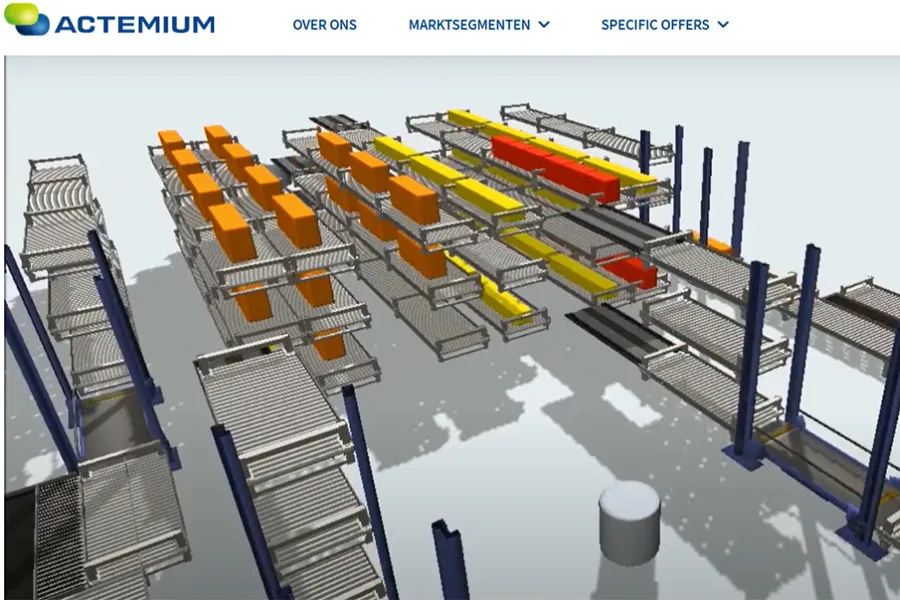
In his role at Actemium, Van Doesburg advocates designing systems carefully and using simulations where necessary. This is not always an easy message to get across. “A supplier that wins a contract to deliver a system knows that every additional component pushes up the price. That can make a business case seem less attractive. What we do is build an overall picture using simulations, for example. This explicitly takes total output, or overall equipment effectiveness (OEE), into account.”
Increasing output
During the design phase, we look not only at the average product and average throughput, but also at deviations from the average. We then use a static or dynamic simulation to work towards a system whose components are optimally coordinated. The final output is then closer to one hundred than to sixty per cent. This works for both existing and new logistics systems, including through retrofitting or modifying existing systems.”
Have a business enquiry for Actemium Logistiek? Get in touch
Companies in this story
Keep following this
Get an email when a new story is published. No account needed.
- SubjectAutomation
- CompanyActemium Logistiek