Sustainable, strategic and future-focused
Text Geert Van Cauwenberge Beeld Intervest
With €1.3 billion in assets under management and a portfolio of 46 logistics sites in Belgium and the Netherlands, Intervest is an established name in the logistics property market. Stijn Van achter has been the company’s Country Director Belgium since July 2024. In this interview, he highlights several noteworthy property projects and explains how Intervest is responding to the sector’s major challenges: scarce space, rising sustainability requirements and an increasingly complex permitting environment.
Intervest was founded in 1996 and was acquired by US investment fund TPG in spring 2024. “We continue to operate as a long-term investor and focus on high-quality, sustainable logistics sites,” says Stijn Van achter. “Together with my team, I am responsible for the operational management of our Belgian portfolio, which comprises 25 sites and represents a significant share of the total value of our revenue.”
Herstal Logistics: modular flexibility at the tripoint
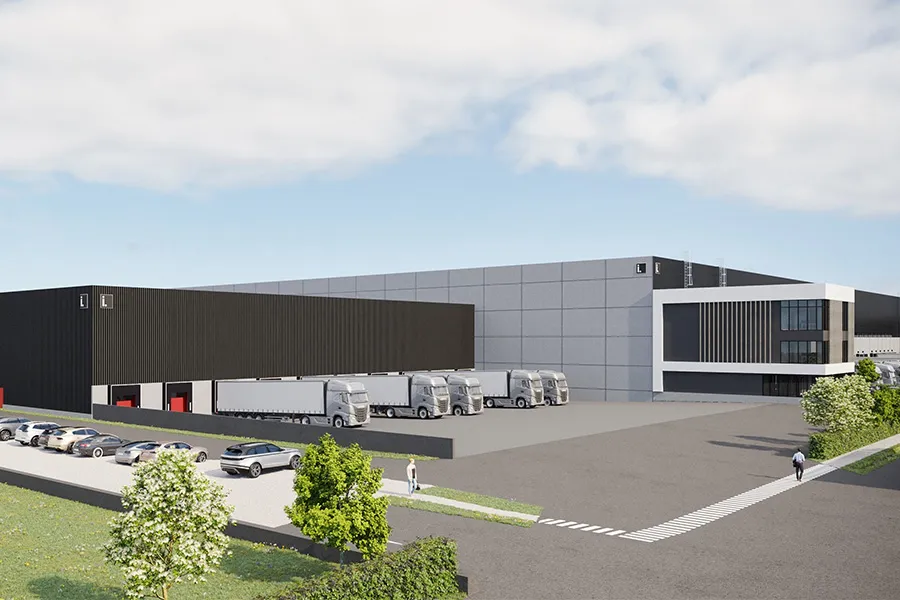
Intervest’s latest development is in Herstal, in the Euregio Meuse-Rhine logistics hotspot. The site is a stone’s throw from the junction between Belgium, the Netherlands and Germany, and is due for completion at the end of 2025. “The speculative project comprises four modular units that can be let in various combinations. A customer can therefore occupy one, two, three or all four units, depending on their growth plans,” confirms Van achter.
The campus layout offers maximum scalability for occupiers in sectors such as e-commerce, distribution and light manufacturing. With a clear height of 13.7 metres, the building also meets the need for more efficient use of space. “We make the most of the available land while ensuring flexibility for the future.”
Zeebrugge Green Logistics: a multimodal hub
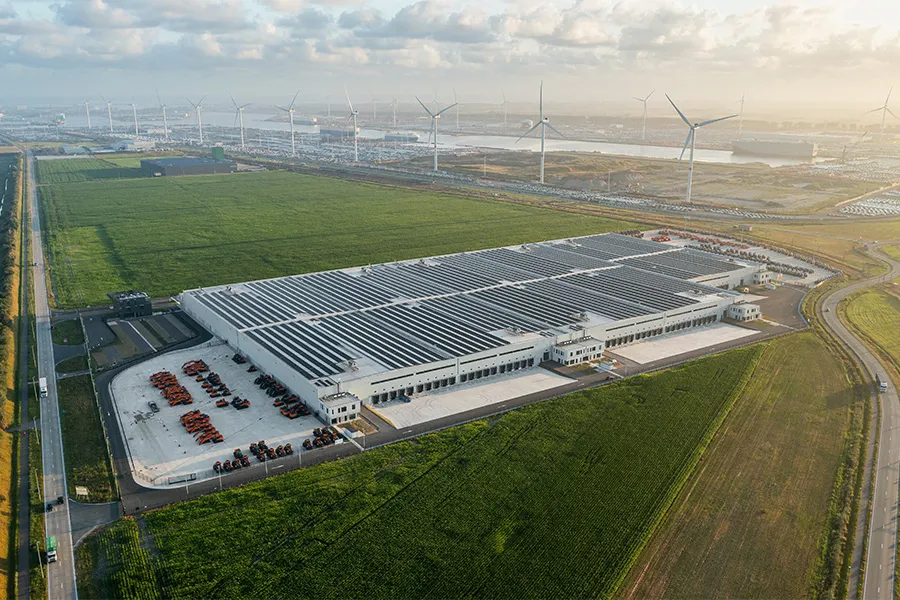
On the Belgian coast, Intervest manages another key project: Zeebrugge Green Logistics. “This site is a prime example of multimodal logistics,” says the Intervest executive. “It is located in the port of Zeebrugge, with direct access to sea, rail, road and inland waterway transport.”
The various units have multiple loading bays and are designed for intensive logistics activity. The project has a strong focus on sustainability, with features including solar panels, rainwater recovery and energy-efficient LED lighting. The combination of a strategic location and modern infrastructure makes Zeebrugge Green Logistics a unique hub for international distribution.
Genk Green Logistics: ambitious brownfield redevelopment
Another notable project is Genk Green Logistics, on the site of the former Ford car factory. Covering a total area of 42 hectares, it is one of the largest brownfield redevelopments in Belgium. “We are giving this site a new economic purpose,” says Van achter. “The project caters to both logistics and manufacturing activities, which is quite unique.”
The site is close to the Albert Canal, the E313 and a rail terminal, enabling seamless multimodal connectivity. Genk Green Logistics has been designed with energy efficiency and circularity in mind, and is targeting BREEAM Excellent certification. “Sustainability is central, but we are realistic too: investments have to remain viable and profitable for our customers,” Van achter stresses.
Making smart use of space and sustainability
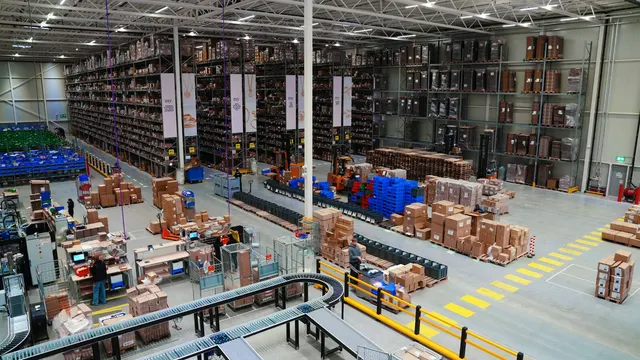
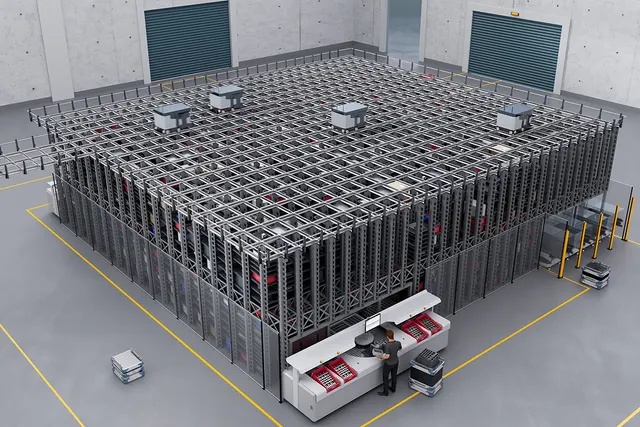
The logistics property market is evolving rapidly. Pressure on space is immense, while buildings are becoming increasingly specialised. “As a long-term investor, we look at a building’s entire life cycle,” says Van achter. “Automation and high-bay warehouses can be attractive, but they also limit a property’s reusability. Flexibility therefore remains crucial.”
Building higher is sometimes the logical choice, however. “In Herstal, we are building to a height of 13.7 metres. That is considerable and allows you to get more volume out of the same plot of land. Where space is scarce, it is simply necessary.”
Another clear trend is the redevelopment of ageing or contaminated sites. “Greenfield sites are almost impossible to find in Belgium. That is why we are investing heavily in brownfield redevelopment. It helps regenerate urban areas and builds goodwill with local authorities.”
Building with the long term in mind
Permitting procedures remain a challenge for anyone looking to invest in logistics property. “Developing a new-build site takes a great deal of time, consultation and preparation,” Van achter admits. “Thorough preliminary discussions with all stakeholders are essential. In Herstal, we are replacing an old factory with a future-focused logistics hub. It is an investment in the region and in sustainable economic activity.”
Intervest also sets a high bar for sustainability. “Customers demand sustainable solutions. Banks and investors expect them too. In Herstal, we are targeting BREEAM Outstanding certification, and in Genk, BREEAM Excellent.”
Intervest remains pragmatic, however. “Sustainability must always be balanced. The additional investment in technology has to pay off for the customer, otherwise it is not viable. We want to show that sustainable choices reduce operating costs over the long term.”
Have a business enquiry for Intervest? Get in touch
Companies in this story
Keep following this
Get an email when a new story is published. No account needed.
- SubjectAutomation
- CompanyIntervest