‘Retrofit is not a stopgap. It is the rational choice’
Text and images E’Log Automation
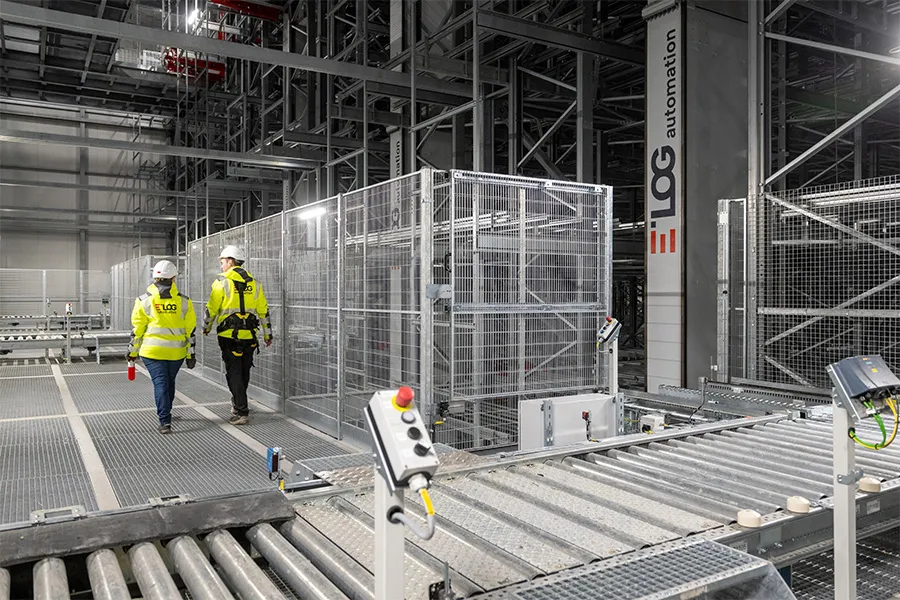
Pressure on the logistics sector in the Netherlands and Belgium continues to mount. Higher labour costs, rising energy prices and persistent problems with permits and grid capacity often make expansion or new-build projects economically and practically unviable. At the same time, expectations around speed, scalability and sustainability continue to rise.
In this context, automation remains essential, but the traditional approach, replacing everything and building from scratch, is increasingly hitting its limits. Retrofit is often quickly seen as an alternative, but that is the wrong way to look at it. Retrofit is not a last resort. It is the logical and rational choice in a market that leaves less room for rigid systems and vendor lock-in.

Complexity rarely lies in the technology
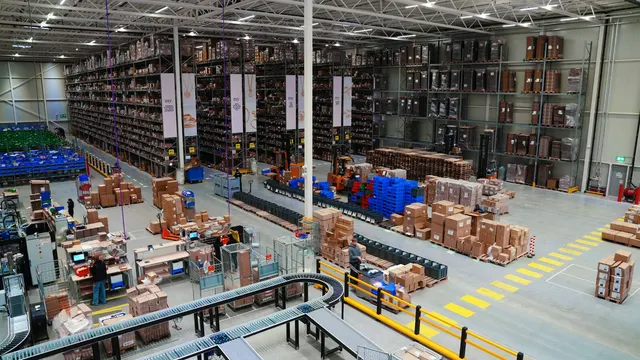
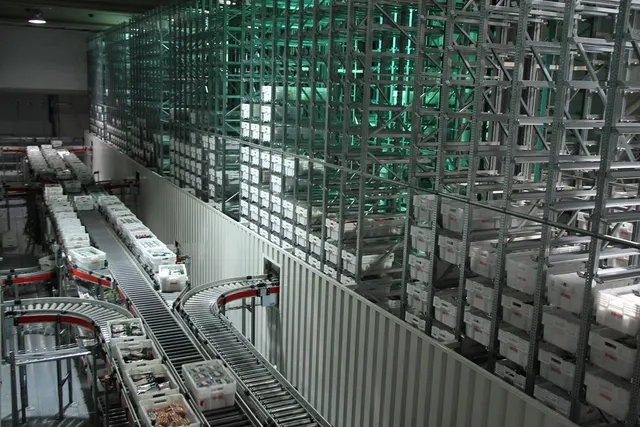
Most of the warehouses and production lines we encounter have grown in stages. They contain systems of different ages from multiple suppliers, sometimes with outdated PLC controls or poor documentation. The technology itself is rarely the problem. Rather, it is the way the systems have historically been connected.
The instinct to start again from scratch often leads to long lead times, high investment costs and a repeat of the same problem: you buy another closed system that is difficult to adapt.
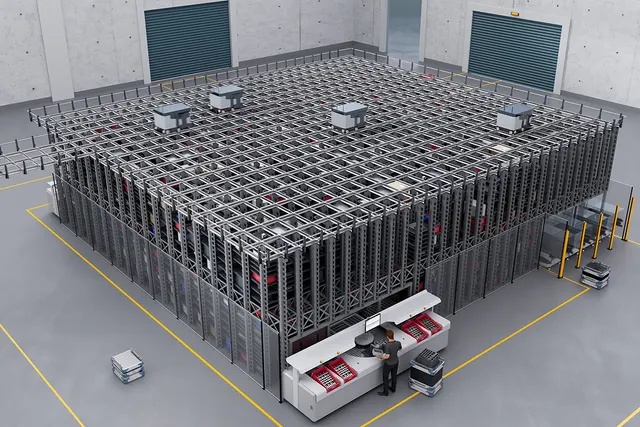
A well-executed retrofit allows existing infrastructure to be modernised selectively. This could range from replacing an outdated PLC to adding autonomous transport systems in one area of the warehouse. You target the areas where the greatest value can be created, without shutting down or rebuilding the entire installation.
Vendor lock-in is an operational risk
Many companies are tied to a single supplier for updates, modifications or expansion. This is not just frustrating, it also poses a real business risk. Lead times for simple parts can stretch to months, while systems grind to a halt for lack of support.
A vendor-independent retrofit solves this problem. By using open standards and modular components, companies can adapt their systems without having to call on the original supplier every time. This does require in-depth technical knowledge and system integration experience, because the complexity shifts from the hardware to the engineering.
Local presence is no luxury
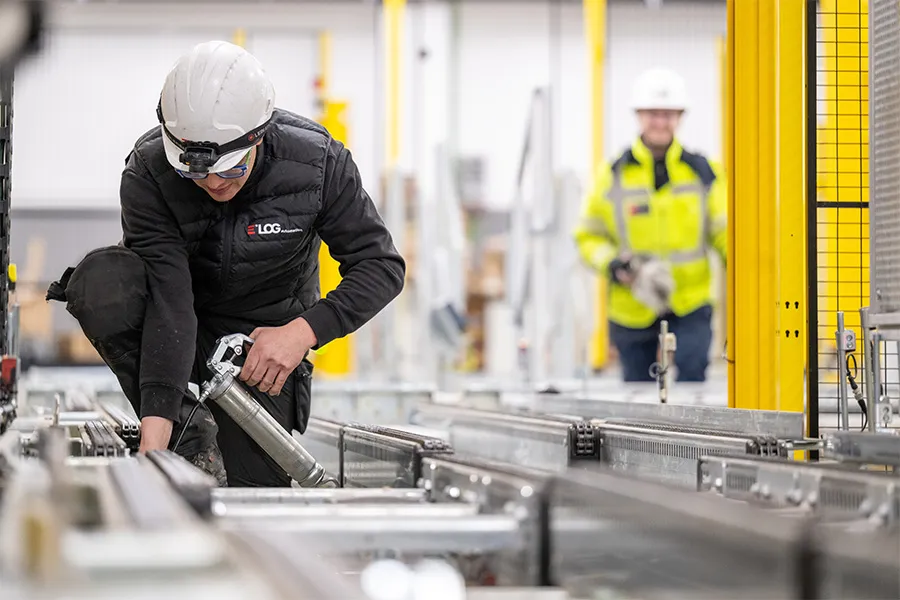
Retrofit requires a different way of working from traditional turnkey projects. There are few standard solutions and many unexpected situations. Drawings are no longer accurate, software has not been updated and safety systems have been modified in the meantime.
That is why proximity is crucial. You need people on the shop floor who can quickly assess where the risks lie and take responsibility for the solution instead of passing the problem on.
Retrofitting as the new standard
Anyone looking to automate intelligently today starts with what is already there. Retrofit is not a temporary solution until something new comes along “one day”. It is a scalable, pragmatic strategy that allows companies to adapt to their circumstances without getting locked into closed systems again. Retrofit is not an all-or-nothing proposition. It lets you make improvements where they matter, while everything else keeps running.
Retrofit is therefore not an alternative. It is the standard.
Have a business enquiry for E’Log Automation? Get in touch
Companies in this story

Keep following this
Get an email when a new story is published. No account needed.
- SubjectAutomation
- CompanyE’Log Automation