Involve insurers in the fire safety process
Text About Fire / Werner Claeys Beeld About Fire
Fire safety in industrial construction: take a broad view in the design process
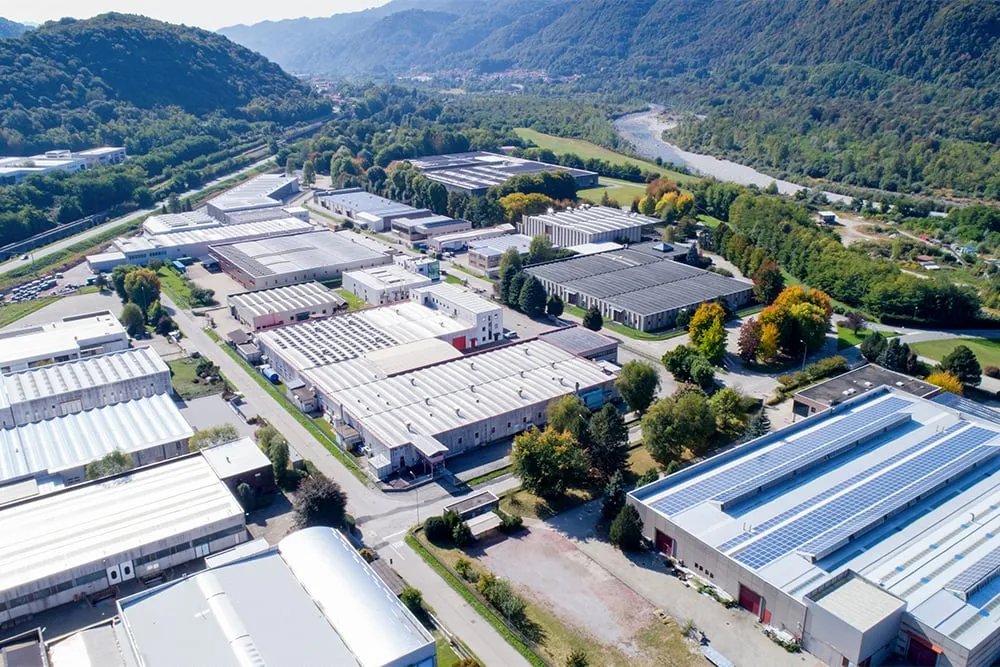
At a recent training and networking event hosted by About Fire, fire safety in industrial construction projects was the focus. Experts from various fields shared their insights during a panel discussion on fire safety when letting industrial premises. The aim of the event was to give participants a framework that could serve as a starting point for further discussions on fire safety in the industrial sector. Mission accomplished. Let’s take a closer look at some of the topics.
The panel discussion, chaired by An Laureys and Liesbeth Jacobs (Firesa), opened with the question of who is responsible for fire safety when letting industrial buildings. The consensus was that both landlords and tenants have responsibilities. Every employer must have a fire prevention file, and tenants and/or owners must coordinate with one another if they share the same building. In the event of an incident, the party that caused the damage must compensate for it. That is a basic principle. Liability insurance can cover these costs, but fire insurance for industrial buildings is not compulsory. Even so, it is strongly recommended. Landlords can require tenants to take out fire insurance to cover material damage as part of their tenancy agreements.
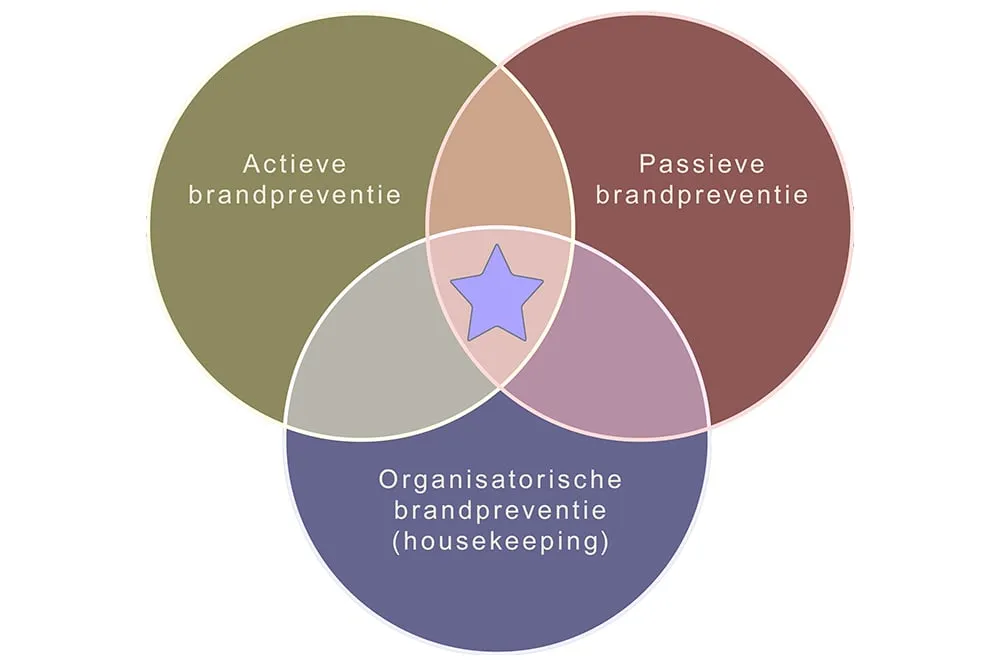
Gunter Peeters of Colruyt Group explained the company’s dynamic fire safety concept for letting and renting industrial premises. Colruyt keeps both active and passive fire protection under its own management as far as possible, and sets out clear agreements in tenancy contracts. If modifications are needed to comply with fire safety standards, Colruyt covers the costs. Organisational aspects are also set out in the contract.
Stricter requirements for multi-occupancy
The panel also discussed the role of insurers and insurance brokers in insuring industrial buildings. Kristien Carnotensis, Safety Engineer at AXA Belgium, said that insurers are often not involved in building design. As a result, matters such as compartmentation and the type of fire protection systems are considered too late. Buildings with multiple tenants are usually inspected annually, while buildings with a single tenant are inspected every four to five years. Marc Marichal, Consultant Property Risks at Vanbreda Risk & Benefits, added that insurers may impose stricter requirements when multiple occupiers share the same site. For example, this may mean requiring greater safety distances between buildings to avoid large concentrations of capital.

Sprinkler system
Martin Vujovic, Technical Manager at Aura Business, noted that property developers usually do not work with insurers on new-build projects, relying instead on architects and construction companies to meet fire safety standards. Insurers are involved in renovations and purchases of industrial buildings, however, because fire safety can have a major impact on costs.
To reach as broad a cross-section of the rental market as possible, fire class C, the strictest fire class, is usually selected. The additional costs are passed on to the tenant or buyer. Marc Marichal added that a sprinkler system is not always suitable for adequately protecting a tenant’s goods. This sometimes leads insurers to refuse to insure the risk.
Weighing up the risks
And what about balancing fire safety with security against break-ins? Gunter Peeters said that Colruyt Group tries to combine both aspects at the concept stage, while Martin Vujovic noted that property developers usually pay less attention to security against break-ins. Security is more likely to be the tenant’s responsibility, since the tenant is responsible for insuring their contents. Kristien Carnotensis stressed that insurers are primarily concerned with whether a break-in could lead to fire or vandalism. It is a matter of weighing up the risks.
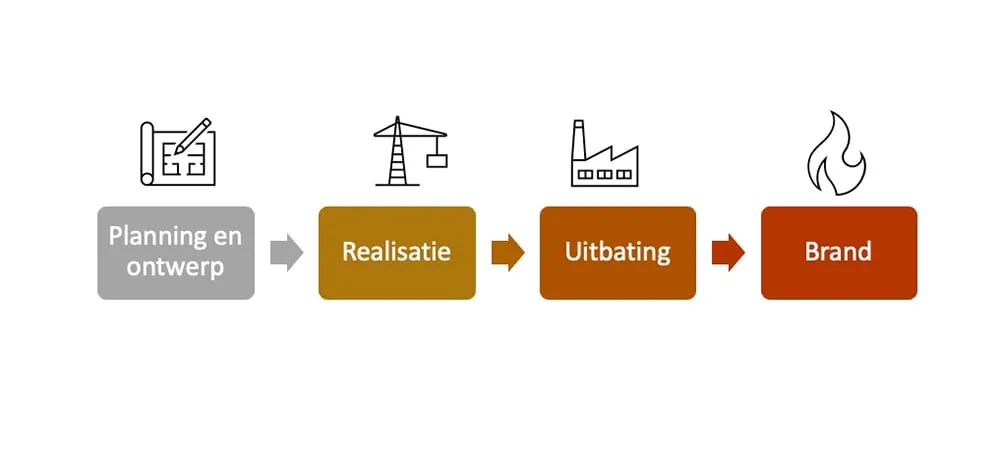
The panel discussion concluded with three recommendations for the future: take a broad view in the design process, taking regulations and standards into account; ensure that the tenancy agreement is properly drawn up; and involve the insurer throughout the fire safety process.
Question about this story? Ask your question
Keep following this
Get an email when a new story is published. No account needed.
- SubjectAutomation