How warehouse architecture is transforming intralogistics
Text and images Advasolutions
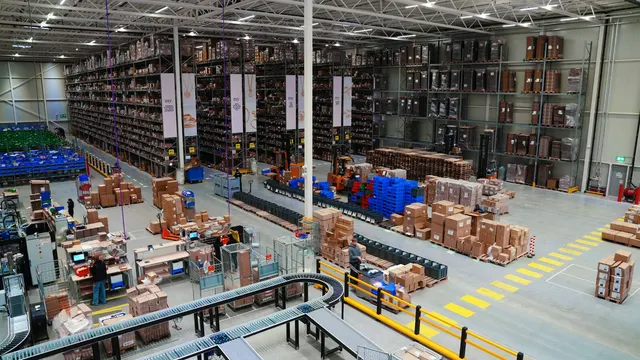
Intralogistics is facing increasing pressure. A growing variety of items, fluctuating order volumes, limited space and a shortage of staff are making rigid warehouse concepts less and less attractive. Modular automation solutions are gaining ground, particularly where existing buildings, seasonal peaks and diverse product profiles converge. They can be expanded in stages and easily integrated into existing structures.
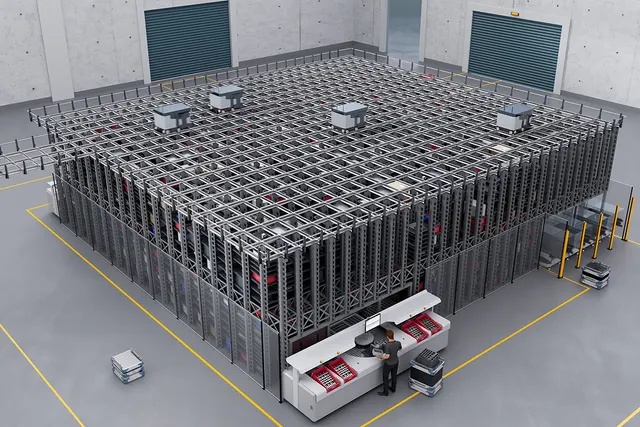
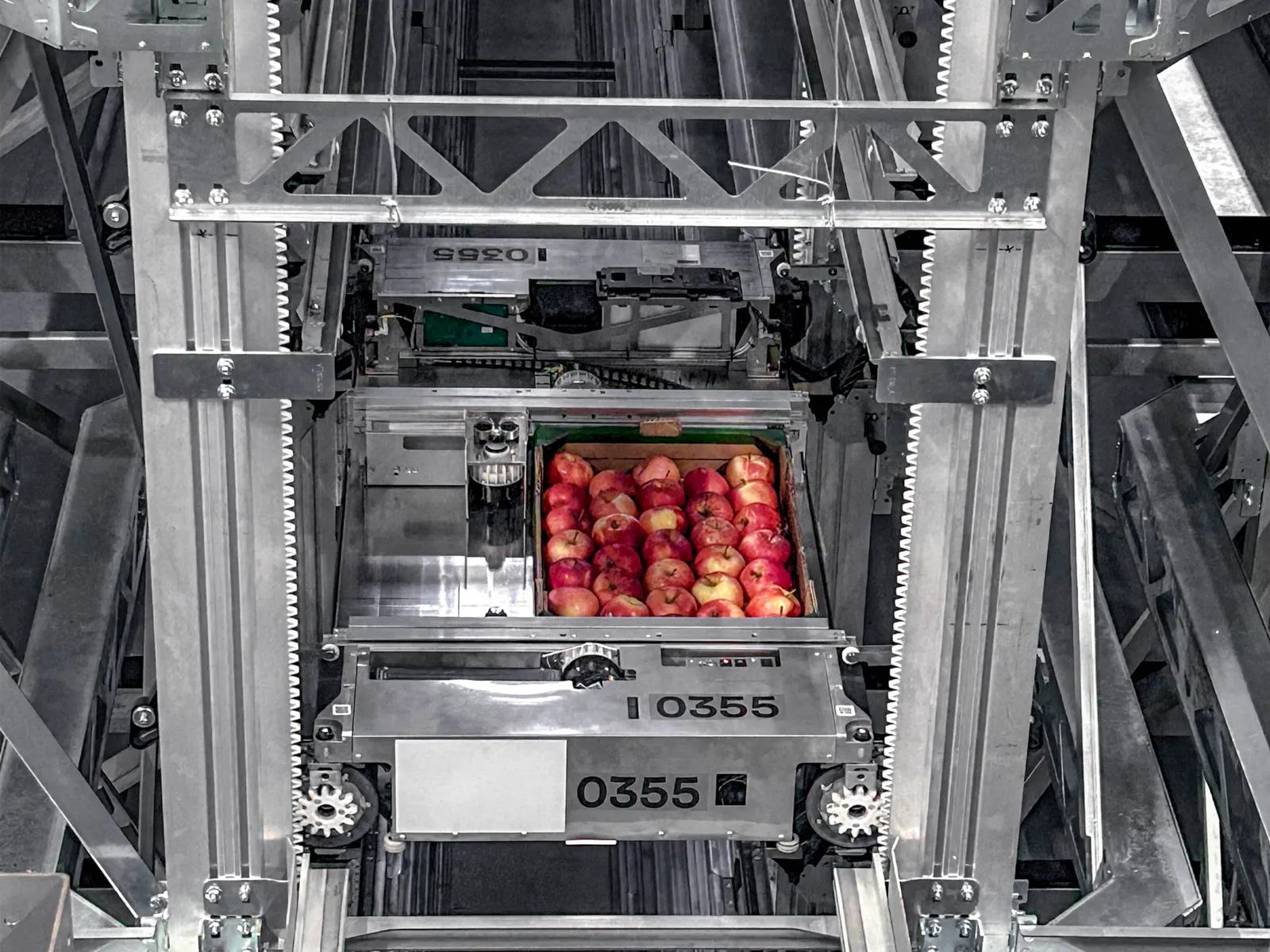
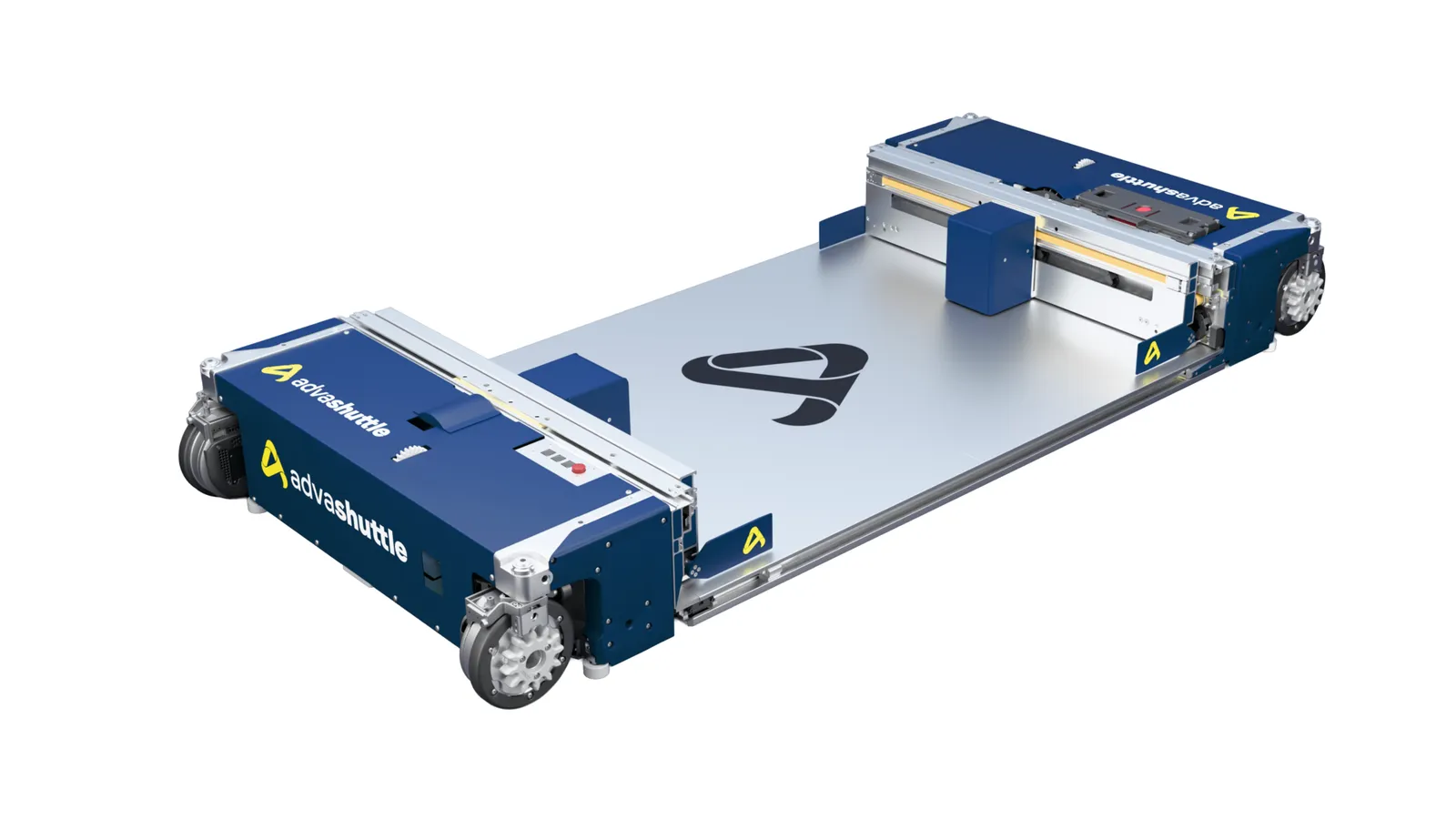
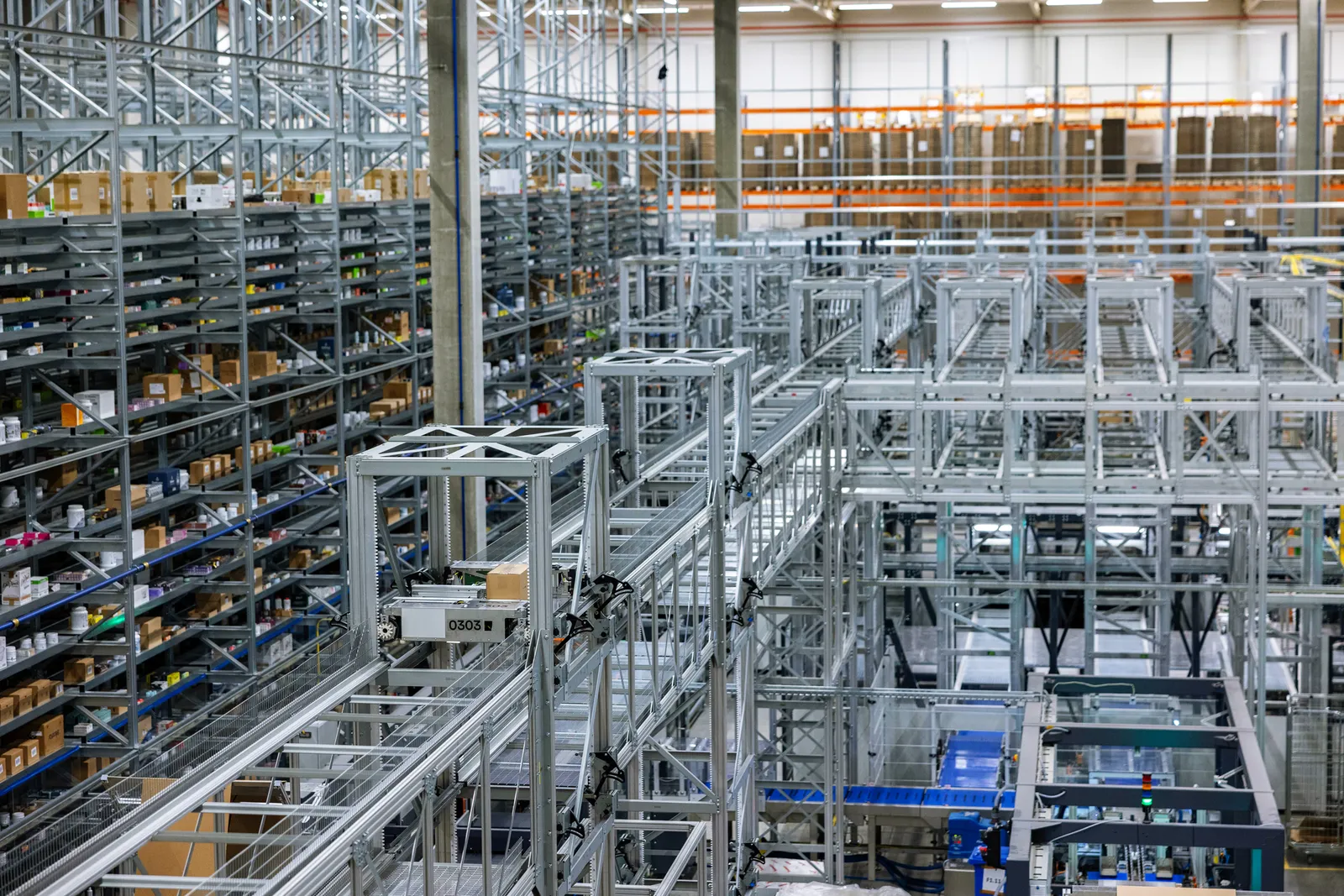
One example is Advasolutions’ shuttle system. It replaces central lifting mechanisms with autonomous vehicles that move horizontally, vertically and laterally through the racking. One notable feature is that the system does not require central lifts: each shuttle changes level independently via integrated driving and lifting zones within the racking system. This reduces reliance on central components, increases system resilience and makes more efficient use of available storage space.
Cardboard boxes
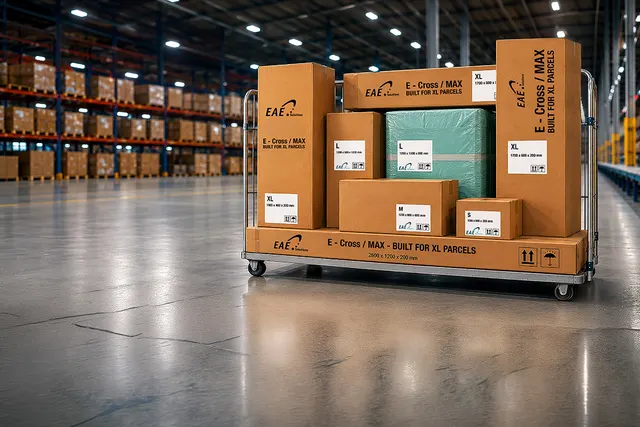
The system also stands out for its direct handling of goods. Rather than relying on standardised system totes, it can handle cardboard boxes, individual items and other load carriers measuring up to 800 × 600 × 600 millimetres and weighing up to 25 kilograms. The racking provides the modular support and travel structure, while the shelving system uses dynamic storage locations that adapt to actual product dimensions. Available storage space is automatically reallocated. This reduces repacking, cuts wasted space and makes the system particularly well suited to changing product ranges.
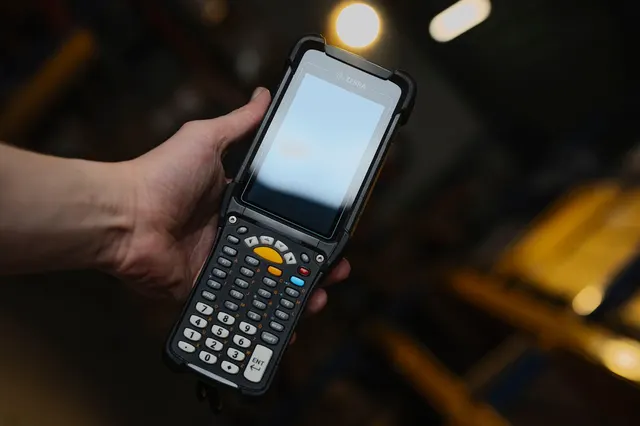
Operational intelligence lies in the in-house-developed Warehouse Execution System (WES), which visualises movements, inventory and resources in real time as a digital twin, plans travel routes and synchronises storage and retrieval processes. advaManager complements this with an overarching platform for processes and data. It brings together orders, inventory management, sales, documentation and compliance in a single web-based environment, and supports role-based access control, audit logs, digital archiving and links to accounting and warehouse management systems.
Anomalies
Artificial intelligence further expands these capabilities. Modern systems automatically detect anomalies in material flows and can carry out quality checks in real time. At the same time, self-learning algorithms analyse traffic flows, utilisation rates and priorities within the warehouse to continuously optimise transport movements.
As a result, error rates, energy consumption and lead times fall noticeably.
The role of employees is also changing. Physically demanding tasks, for example in cold stores or repetitive transport operations, are increasingly being automated. This relieves the burden on employees while also making processes more stable. With staff shortages persisting, automation is becoming an important factor in the long-term resilience of many businesses.
Adaptive systems
Rodrigo Arias, CTO of German supplier Advasolutions, sees this as a fundamental shift in the sector. According to Arias, warehouses will no longer need to be rigidly configured for specific items or processes. Instead, adaptive systems will emerge that respond flexibly to new requirements while operating more efficiently and resiliently. Warehouse automation is thus evolving from a purely technical infrastructure into a strategic competitive factor. Companies that adopt data-driven and modular systems early are laying the foundations for stable supply chains, greater efficiency and sustainable scalability, he says.
Arias adds: “Without robotics, the warehouse becomes the bottleneck.” His point is that a structural shift is under way: performance is no longer determined solely by mechanics, but by the interaction between shuttle fleets, racking systems, flexible storage locations and integrated data flows. For companies, this means greater operational reliability, fewer manual errors, more efficient use of space and economically viable scalability.
Question about this story? Ask your question
Keep following this
Get an email when a new story is published. No account needed.
- ThemeLogistics property that grows with you
- SubjectAutomation