European Aerosols automates further. Less downtime thanks to AGVs
Major savings for aerosol manufacturer
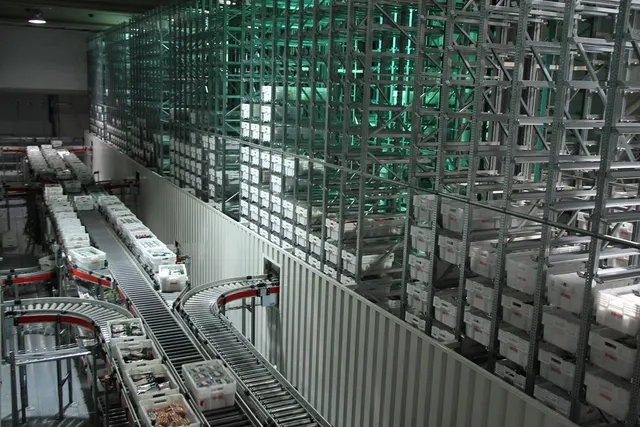
After commissioning a fully automated high-bay warehouse, European Aerosols in Wolvega recently automated a large part of its internal transport. The new automation delivers significant savings and minimises the risk of errors.
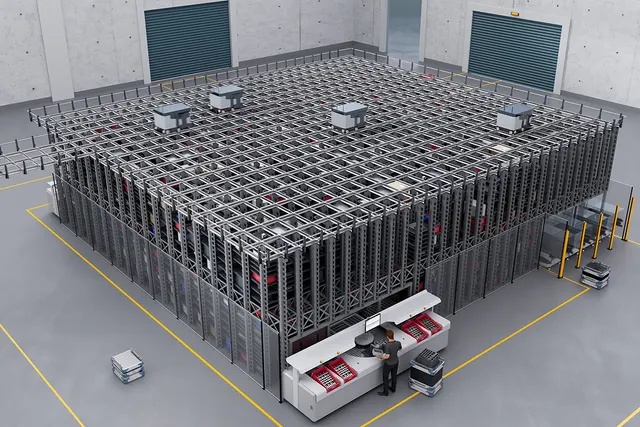
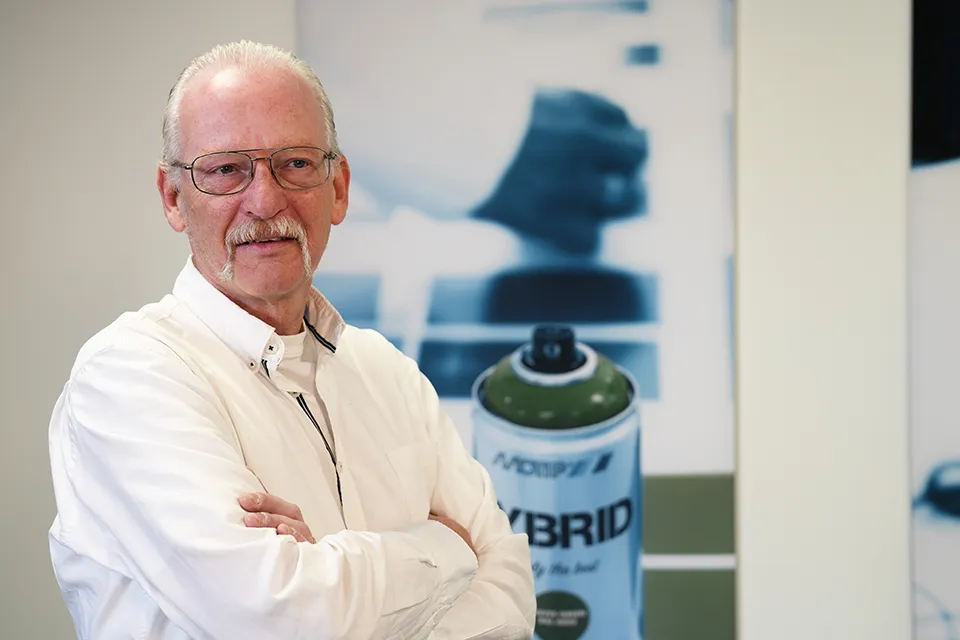
“We are ready for further growth,” concluded Johan Helmich of European Aerosols (then still Motip Dupli) in his article in the spring 2019 edition of Jungheinrich Journaal. In that article, the Facilities Manager explained how the newly commissioned fully automated high-bay warehouse was accommodating the aerosol manufacturer’s continued growth while also greatly improving fire safety. At the time, Helmich was already considering ideas for further optimising internal logistics. Those next steps have now been implemented. As with the construction of the fully automated high-bay warehouse, Jungheinrich’s expertise was called upon once again.
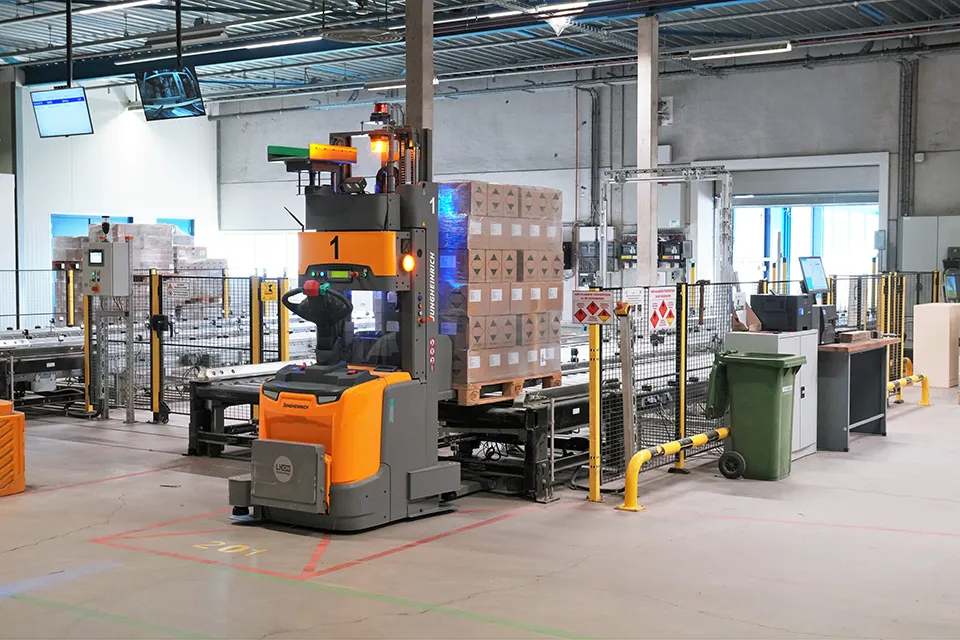
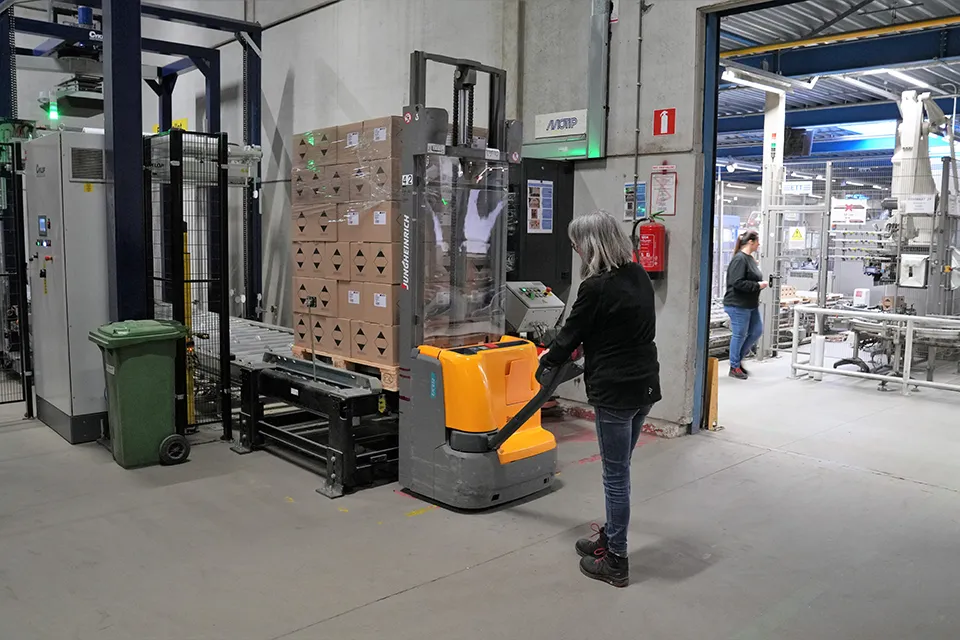
“As system integrator, they have automated a large part of our internal transport,” explains Johan Helmich. To achieve this, Jungheinrich supplied, among other things, two automated stackers, type ERCa.
Risk of errors minimised
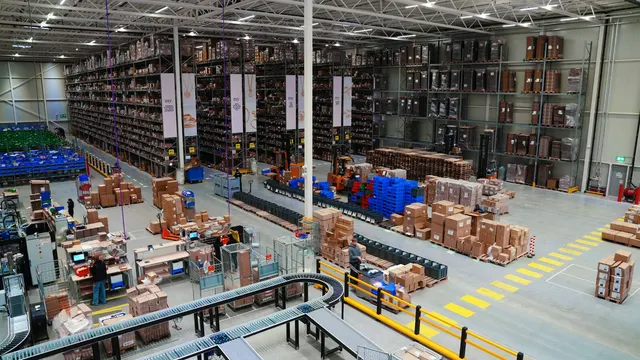
Pallets of finished products travel from the production hall to the high-bay warehouse or directly to the dispatch area. “Previously, this was done using manually operated trucks. At the inbound area, other employees would wrap and label the pallets manually. They would then be picked up again and placed on the roller conveyor to inbound or dispatch, before continuing on their way to the high-bay warehouse. That meant a lot of handling and pallet movements,” explains Helmich.
This way of working also led to regular disruptions in the fully automated high-bay warehouse. Helmich: “Sometimes the warehouse cranes would be stopped two or three times a week. For example, a piece of stretch film might be hanging loose, or the pallet might be of too poor a quality. Around half of all downtime was caused by the manual process.” Automation has minimised the risk of these errors.
Major savings
Pallets coming off the production line are wrapped by an automatic wrapper integrated into the roller conveyor. The wrapping is always equally stable and, thanks to the new wrapper, which heat-seals the film, there is no loose film. “Pallets going straight to dispatch are wrapped even more securely,” adds Helmich. Pallets bound for the high-bay warehouse are also automatically fitted with a top sheet and a label.
At the end of the conveyor line, the pallets are picked up by Jungheinrich automated guided vehicles (AGVs), transported to their destination and placed on another roller conveyor. “We need considerably fewer FTEs. That is a major advantage given the current tight labour market. With our three-shift operation, the labour savings in this part of the process are substantial. The payback period is therefore less than two years,” says Helmich, summing up the main benefit. But automation offers more. Unnecessary pallet handling is a thing of the past. The risk of disruptions in the high-bay warehouse has also fallen considerably. And the entire operation is calmer and easier to oversee.
“Admittedly, we were a little sceptical about using AGVs. It was completely new and unfamiliar, but by now we are fully convinced. I can even see opportunities for further automation within our group. AGVs definitely have a future in our organisation,” concludes Johan Helmich.
Watch our YouTube video channel JungheinrichNL
Een zakelijke vraag aan Jungheinrich Nederland? Get in touch
Companies in this story
Keep following this
Get an email when a new story is published. No account needed.
- ThemeMore warehouse space
- SubjectAutomation
- CompanyJungheinrich Nederland