Movable frames address capacity pressures in warehouses
Text XD designers & Maxxrack Beeld Plaatwerk Fotografen
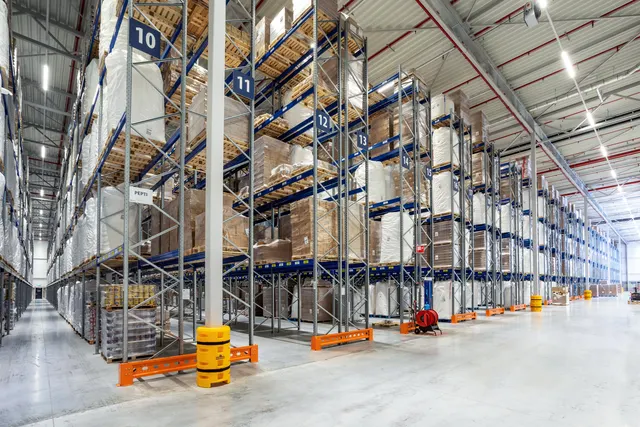
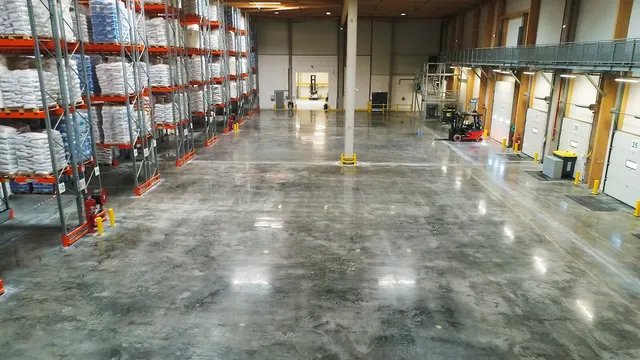
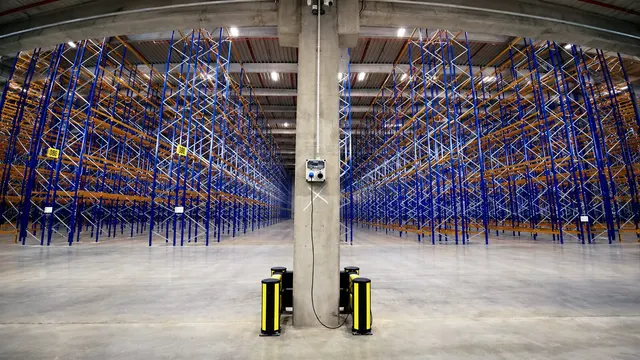
Pressure on warehouse space has been increasing for years. At the same time, extensions or the installation of fixed racking are not always possible, for example because of lease arrangements, permits or the nature of the goods being stored. Against this backdrop, logistics businesses are looking for solutions that can be deployed quickly and do not require permanent alterations. One such solution is the movable storage frame, such as the system from Maxxrack.
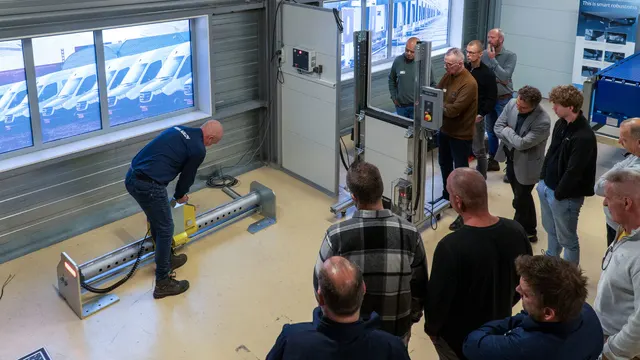
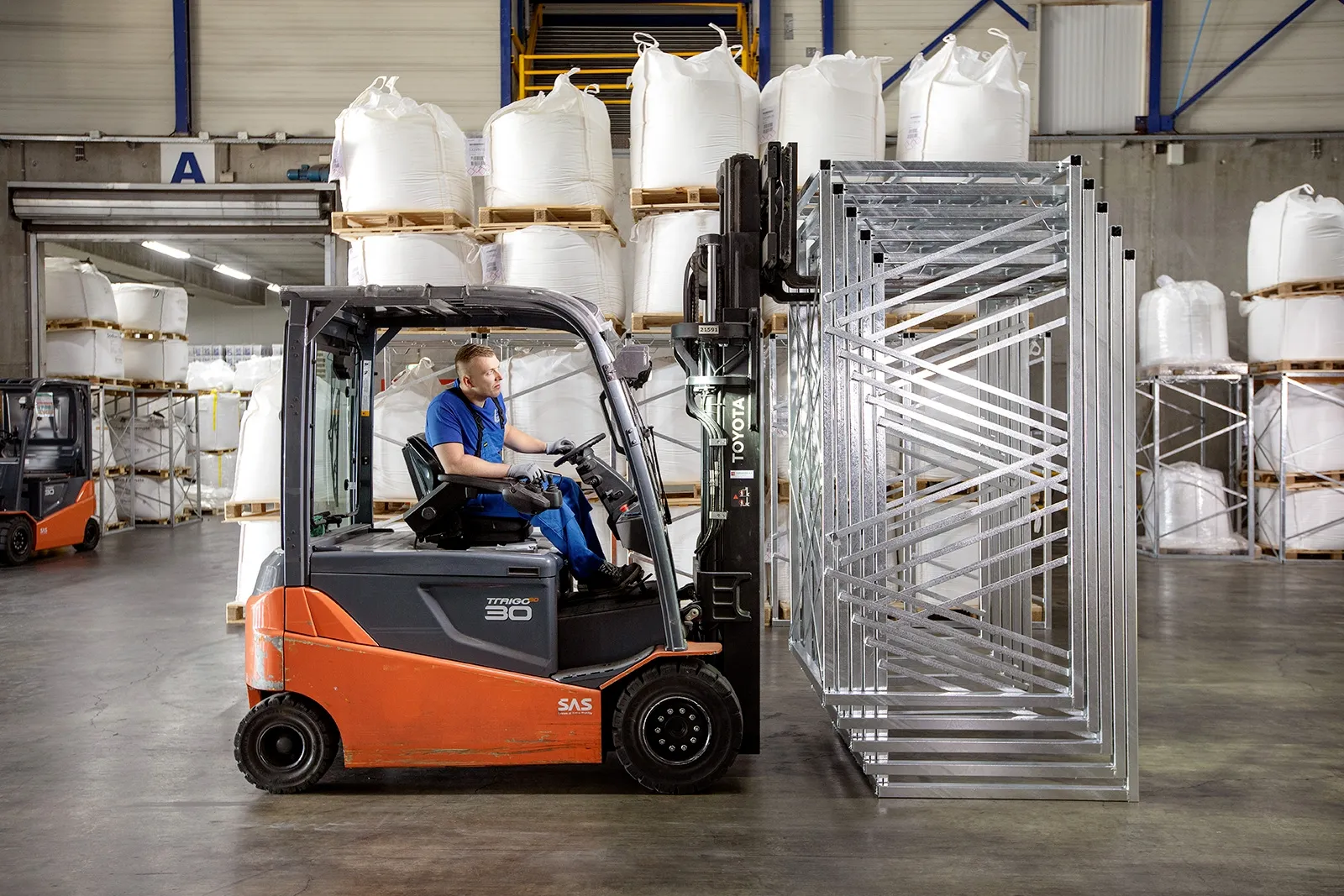
The principle is relatively simple: a steel frame is placed on an existing pallet location using a forklift, creating an additional storage level. This makes use of the available height without requiring any structural changes to the warehouse layout. It is an attractive option, particularly in settings where flexibility is key, such as temporary storage or seasonal peaks.
Maxxrack has its roots not in the traditional warehouse environment, but in the storage of hazardous substances. The system was developed by Alphons Lourier, who encountered practical limitations in this context. In specially designed bunkers, floors were often not completely level and goods were subjected to uneven loads. The frame was designed to distribute these forces more effectively and support unstable stacks. From this niche application, the system has found its way into a wider range of logistics operations.
Container dimensions
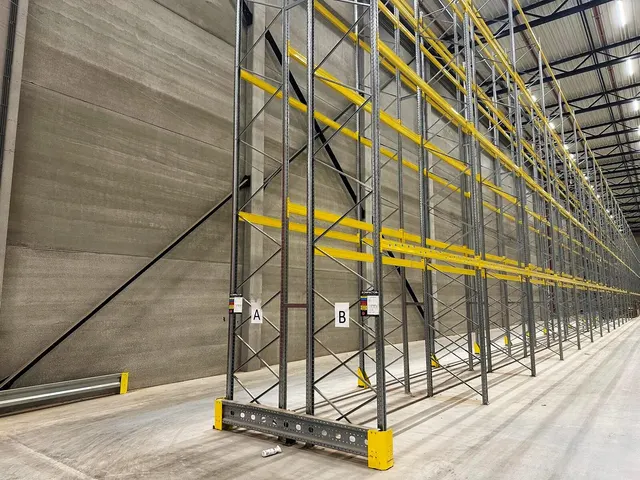
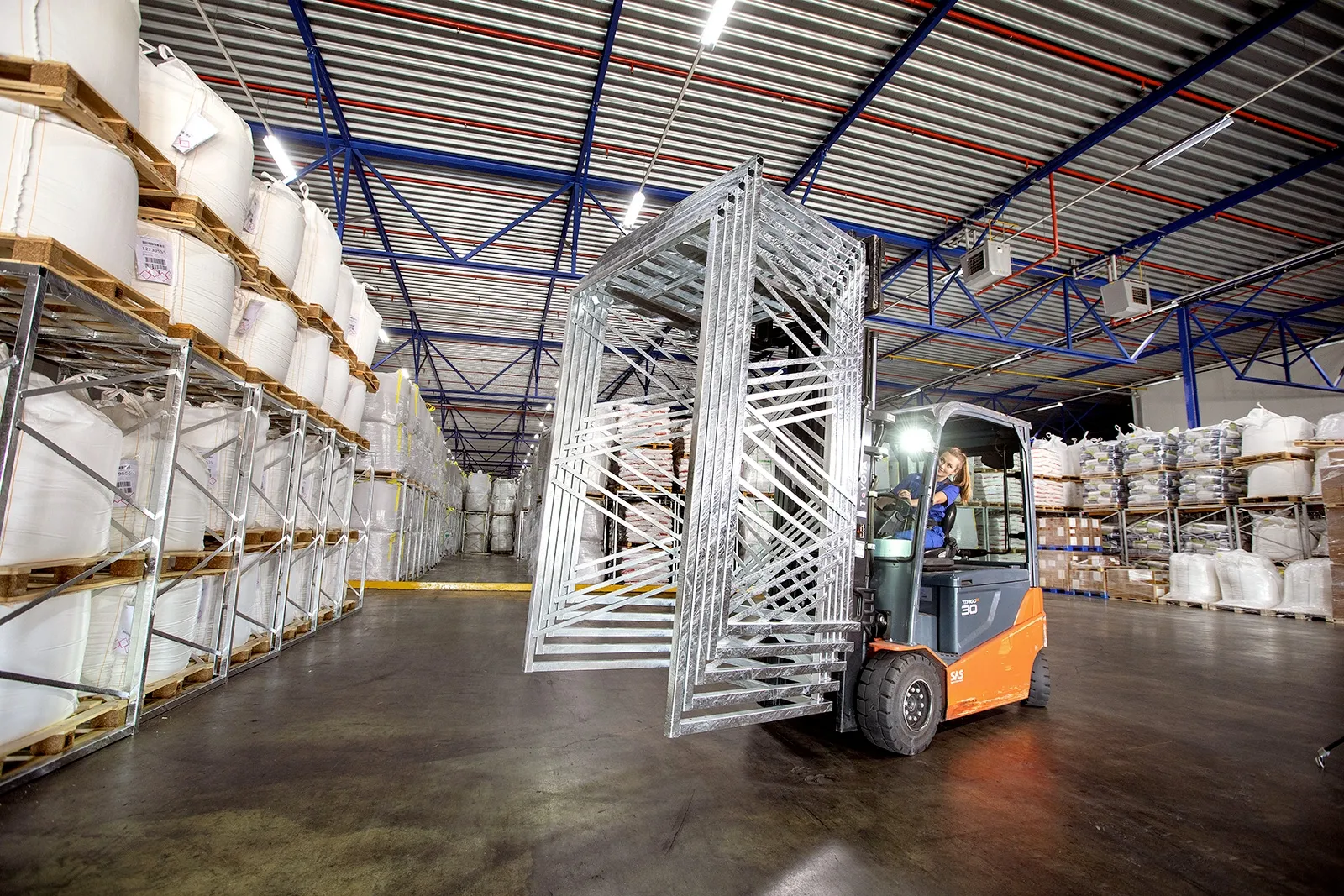
The frames are made of galvanised steel and based on standardised dimensions comparable to those of containers. This makes them suitable for a wide range of warehouse configurations. Different versions are available to suit the type of goods, for example bagged products, drums or IBCs. Custom designs are also available, particularly in sectors where non-standard dimensions or specific safety requirements apply.
In practice, the system creates additional storage capacity above existing goods. According to the manufacturer, each frame can hold around 3,200 kilos of additional goods and is positioned using a forklift. As the process is relatively simple and requires no additional infrastructure, the system can be deployed quickly or removed again when needed.
Goods that are difficult to stack are a key application. Examples include unstable pallets, big bags and compressed bales. The frame creates a physical separation between the load below and the load above, limiting damage caused by pressure or deformation. Newer versions with a closed top are designed specifically for this type of load.
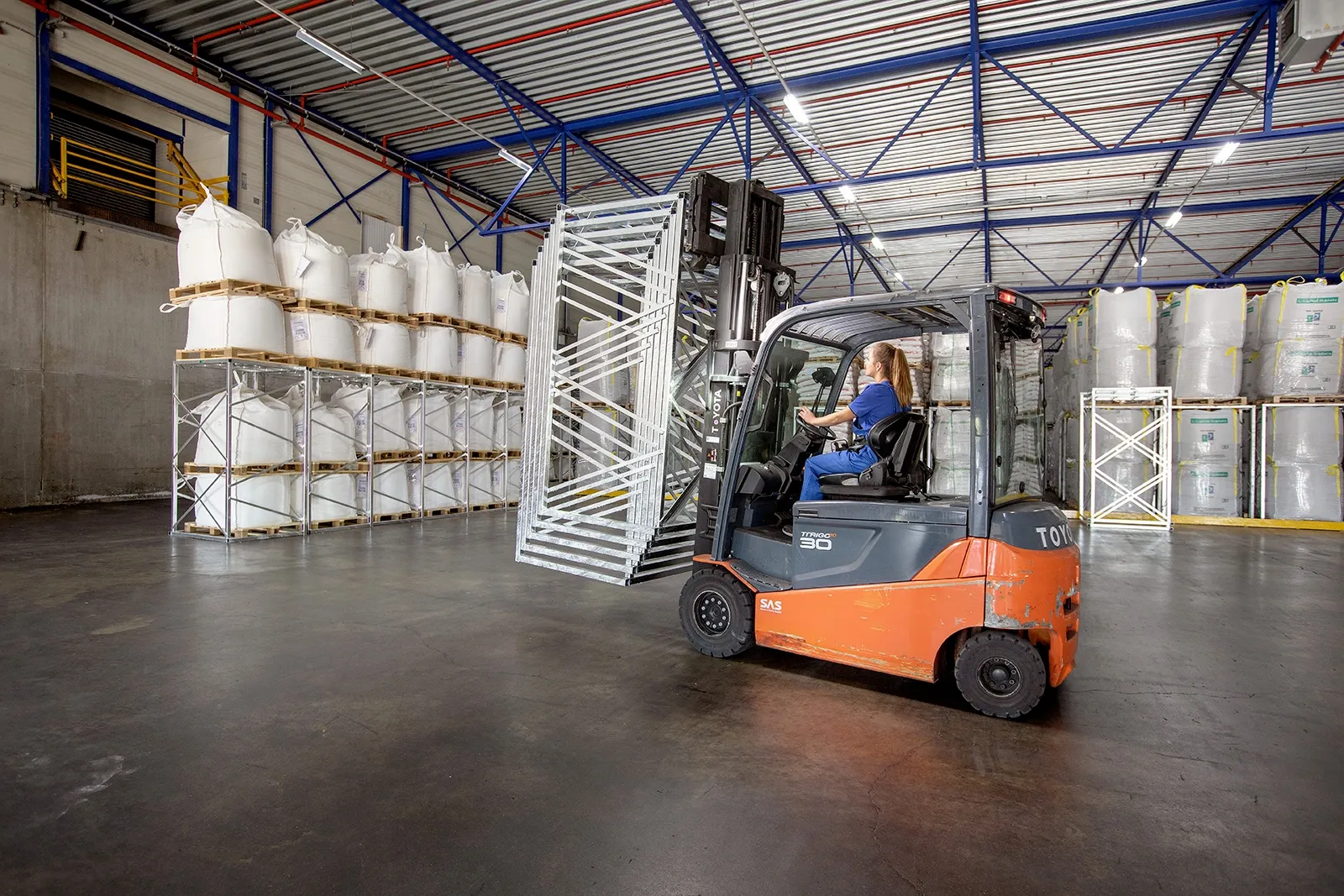
The way the frames themselves are stored is also noteworthy from a logistics perspective. When not in use, several can be stacked inside one another. This reduces the space required and makes transport relatively efficient.
At the same time, the positioning of systems of this kind should be kept in perspective. Movable storage frames are not the only way to add temporary capacity; stacking racks and mobile racking are also widely used. Their main distinguishing features are the combination of flexibility, use without structural alterations and compatibility with existing pallet configurations.
For warehouses operating under pressure on space and time, this can be a practical interim solution. It is not a replacement for a well-planned warehouse layout, but a tool for handling peaks or temporarily reorganising specific goods flows. The system reflects a broader trend in logistics, where adaptability and speed are becoming increasingly important.
Een zakelijke vraag aan Maxxrack? Get in touch
Companies in this story
Keep following this
Get an email when a new story is published. No account needed.
- ThemeMore warehouse space
- SubjectWarehouse equipment & safety
- CompanyMaxxrack