Logistics property must reinvent itself
Text Laureline Vansteenkiste Beeld Pexels
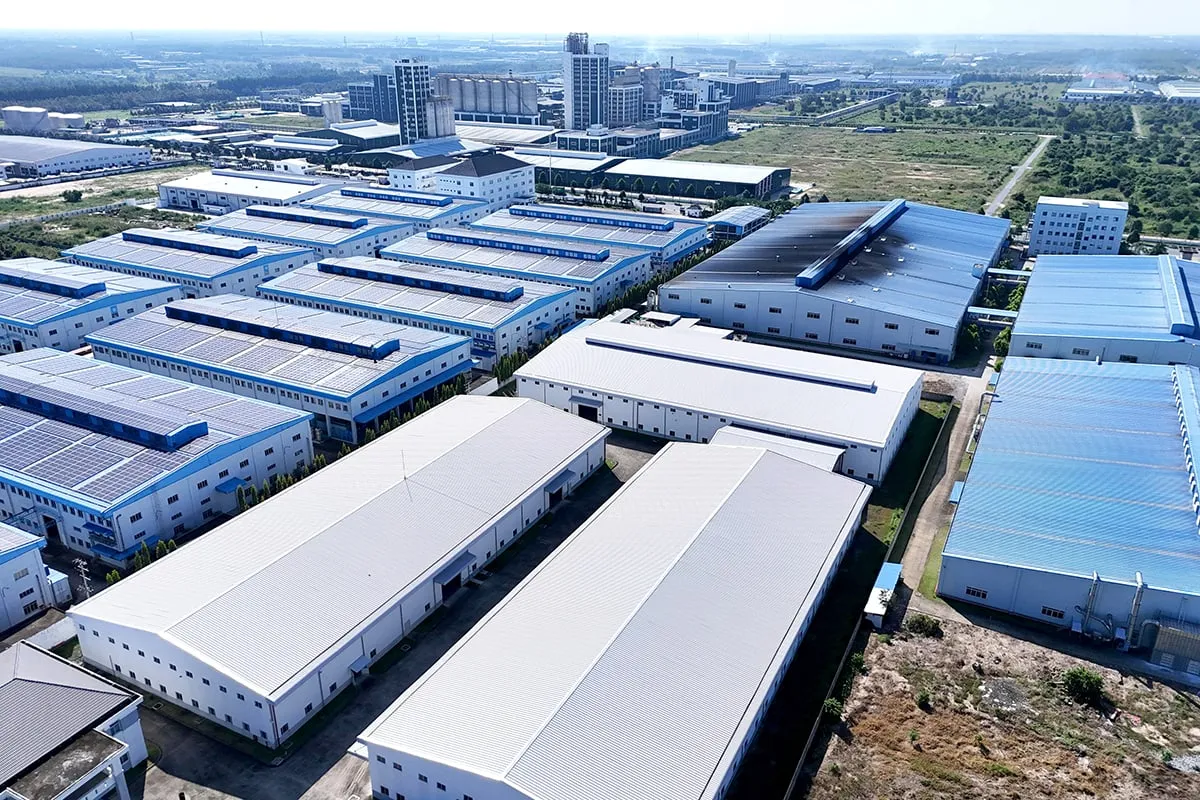
The sluggish economy, a shortage of skilled workers and climate targets are creating major challenges for the logistics sector. Although demand for logistics property has stabilised after a downturn in 2023, the shortage of available space is being felt by all businesses. It is time, then, to take a different view of logistics property. Sustainability and wellbeing are the foundations of the logistics sector of the future.
The logistics sector has been under pressure for several years. The post-pandemic boom was followed by a deep slump as the economy stagnated, financial costs rose and consumer behaviour changed. At the same time, the need for a more sustainable approach is growing, and ESG targets are becoming increasingly important to tenants of distribution centres.
Strategic locations
Distribution centres in strategic locations remain essential, both along busy transport corridors and on the outskirts of cities. A contradiction? Not really. With the rise of e-commerce, businesses are looking for ways to manage the last mile as efficiently as possible. Compact warehouses close to major cities are part of the solution. “They enable deliveries to be consolidated and help make transport into city centres emissions-free,” says Johan Beukema, managing partner at Buck Consultants International. “We expect urban distribution to continue to grow in the future.”
What about those densely built-up, busy transport corridors? One way to make better use of limited logistics space is to invest in high-rise warehouses. “Although they are attracting more attention, multi-storey distribution centres are still in their infancy. High-rise warehouses are currently used mainly in very specific cases. They require a completely different approach, with automation essential. It is not an option for everyone,” says Johan.
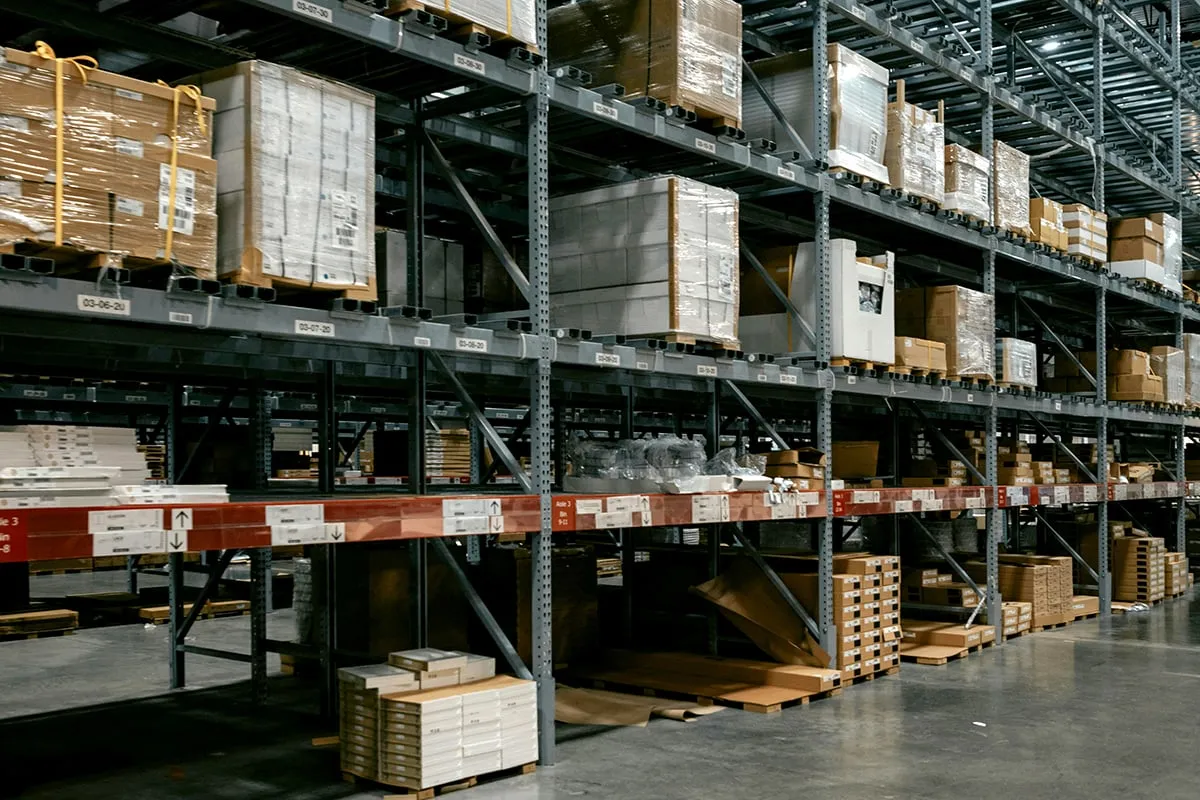
Is automation the future?
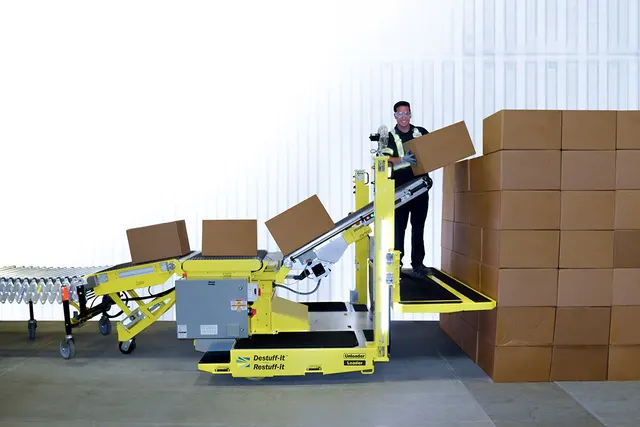
As well as a lack of space, the logistics sector is also struggling with a shortage of workers. Is automation the way forward? “This approach requires the necessary funding and expertise. Smaller SMEs often have neither the budget nor the human resources to manage automation projects successfully,” says Julie Stuer, project manager at VIL, the innovation platform for the logistics sector in Flanders. “For them, the challenge is to strike the right balance between cost and efficiency.”
Johan agrees: “Businesses will be quicker to outsource, because logistics operators are larger and can invest more. Even so, automation is not straightforward for them either. A logistics provider often combines several customers in one warehouse or facility. Each customer has its own logistics profile, which usually presents a barrier to automation. For large companies with their own logistics property, it is more often a viable option, as with major e-commerce operations.”
Another way to address staff shortages is to decentralise distribution centres. Businesses can combine a central hub with smaller, local satellite sites. This enables them to maintain service levels, mitigate inventory risks and tap into a different labour market. Such decentralised structures do, however, require adequate IT support to manage inventory and distribution smoothly.
Sustainability requires attention
Alongside the challenges mentioned above, climate targets are another key concern for the logistics sector, both in transport and logistics property. New buildings must meet various requirements, including circular and sustainable construction, carbon-neutral operations and careful management of water consumption. Johan says: “The sector has made major progress, and many businesses are willing to go further than regulations require. We are seeing developers talk to end users to map out their needs and find solutions together.”
Encouraging this kind of collaboration is also what Julie is working to achieve. “Real change on sustainability requires synergies between businesses. Sustainable logistics is not limited to the buildings themselves. We need to think about optimising traffic flows, collecting and reusing rainwater, and limiting run-off. Finally, workplace wellbeing needs attention. The sector has a poor image. Creating pleasant working environments is therefore just as much a part of the vision for the future.”
Question about this story? Ask your question
Keep following this
Get an email when a new story is published. No account needed.
- ThemeLogistics property that grows with you
- SubjectMaterial handling