












Automation and robotics are future-proofing the logistics sector
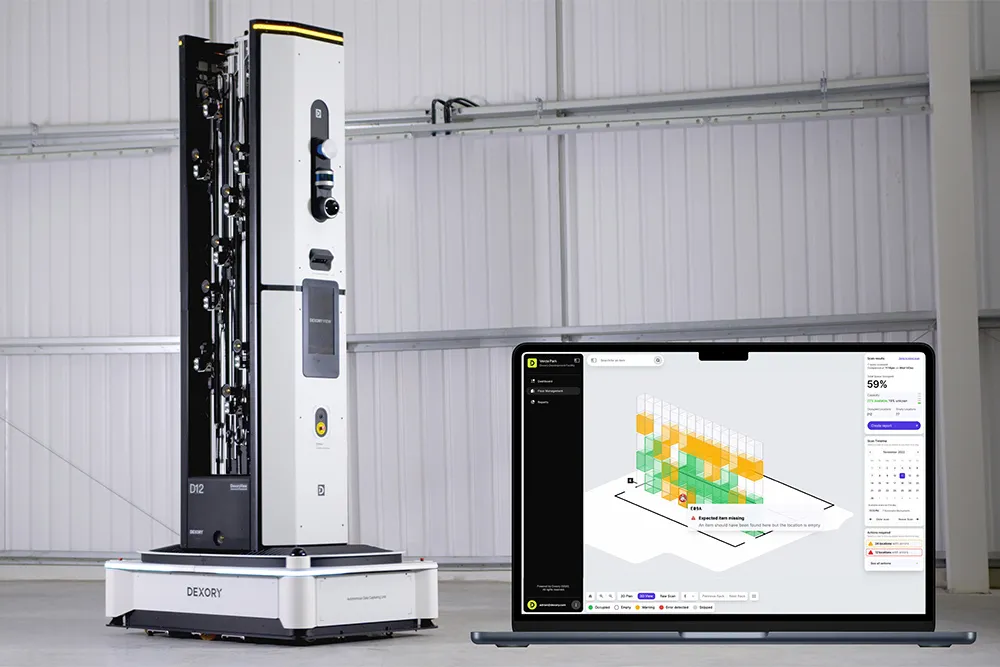
The rise of e-commerce has fundamentally disrupted the logistics sector. Warehouses that once relied on traditional manual processes now face the challenge of managing growing inventory volumes, making the best possible use of available warehouse space and fulfilling orders in ever-shorter lead times. Against this backdrop, the traditional approach of collecting and processing data separately is becoming less effective.
Data-driven operations
The technological revolution is transforming industry at pace. Robotics and automation are leading technologies that are making warehouses more data-driven and efficient. By integrating these innovative solutions strategically, warehouses can not only keep pace with a changing landscape, but also gain a significant competitive advantage.
The limitations of traditional warehousing methods are becoming increasingly apparent. Manual stocktaking, the cornerstone of inventory management, is a time-consuming and error-prone process. Miscounted goods, inaccurate counts and time lost searching for hard-to-find items lead to dissatisfied customers and lower revenues. With the sector facing a labour shortage since the start of the pandemic, new requirements for warehouse management are putting even more pressure on operators. This has an impact on productivity across an organisation.
The future of data-driven warehouse management
Robotics may not be entirely new to the warehouse, but using robots to capture real-time data and analyse it through an AI-powered digital twin platform can help close operational gaps. Autonomous robots can capture data on inventory levels, space allocation and temperatures, which teams can then analyse and process using digital twin platforms. These platforms provide valuable insights into warehouse operations, allowing you to identify precisely, in real time, where each item is located, which areas of the warehouse are underused and which inventory movements make a difference. This enables warehouse managers to make data-driven decisions to optimise warehouse space, streamline workflows and ultimately improve efficiency.
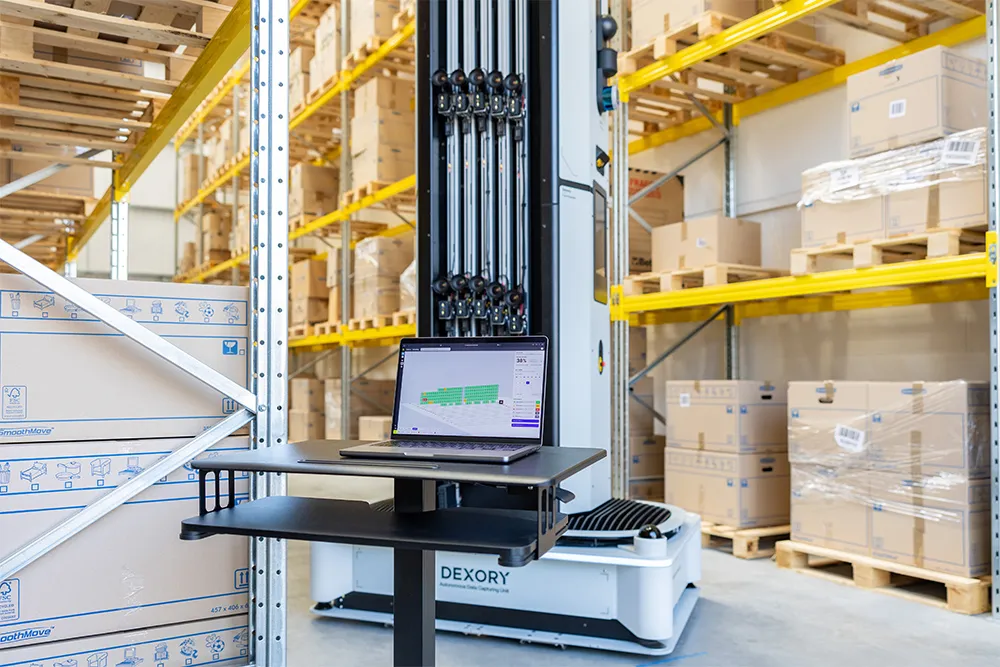
The benefits of automation and robotics in warehouses
Introducing automation and robotics in warehouses can offer a range of benefits that go beyond simply streamlining operations. These include:
- Inventory accuracy
Unlike manual counts, which are highly susceptible to human error, autonomous robots can count thousands of locations per hour with near-perfect accuracy. This helps you avoid inaccuracies and maintain a clear picture of inventory levels across your organisation. - Space optimisation
Configuring a warehouse layout requires real-time data on available and occupied space. By giving high-demand items strategic locations and quickly identifying underused areas, you can maximise inventory capacity. - Empowering employees
Robotics automates repetitive processes such as stocktaking and inventory management, saving warehouse staff valuable time. They can then focus on other, more valuable tasks, such as solving complex problems, processing orders and providing good customer service. - Data-driven decision-making
The data robots diligently collect often contain a wealth of information. You can use it to predict demand patterns, optimise inventory management (and avoid unnecessary stock) and make data-driven decisions that increase overall efficiency and productivity across your organisation.
Embracing change
The rise of automation and robotics is creating huge opportunities for the logistics sector. By integrating these technologies strategically into their operations, warehouses can reach new levels of efficiency, flexibility and growth. This technological transformation requires not only investment in automation, but also a change in mindset among employees. By continuing to learn and upskill, warehouse staff can adapt to this changing landscape and build fulfilling careers in the future of logistics. One thing is certain: the warehouses of the future will be dynamic environments where people and technology work together to deliver exceptional value and drive the logistics sector forward.
Question about this story? Ask your question
Keep following this
Get an email when a new story is published. No account needed.
- ThemeAutomating goods flows
- SubjectGeneral







