Practical tips for a safe warehouse environment
Text Jan Dillen (Lead Auditor-Coördinator, SECO Belgium) / Geert Van Cauwenberge Beeld Shutterstock
Logistics operations involve numerous safety risks. From safely loading and unloading goods to protecting the health of warehouse workers, there are many potential hazards. What are the general principles for safe and healthy working throughout the logistics chain?
Common accidents in the logistics chain call for a thorough assessment of specific risks. This is also a legal requirement: a specific risk assessment must be carried out. When taking the necessary preventive measures, you can follow the hierarchy of controls: first tackle the risk at source, then implement collective measures and, as a last resort, use personal protective equipment such as safety shoes, a high-visibility vest and a hard hat.
Internal transport equipment
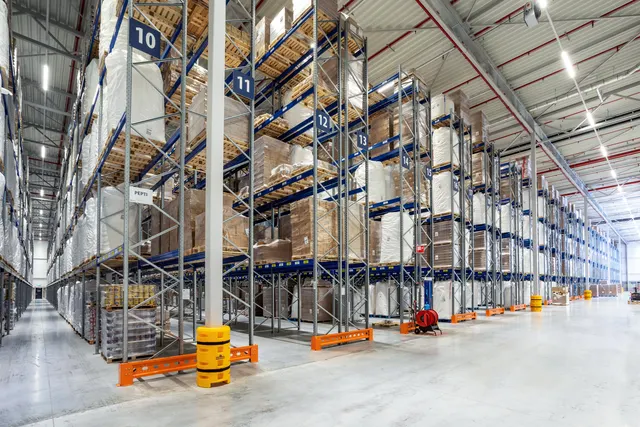
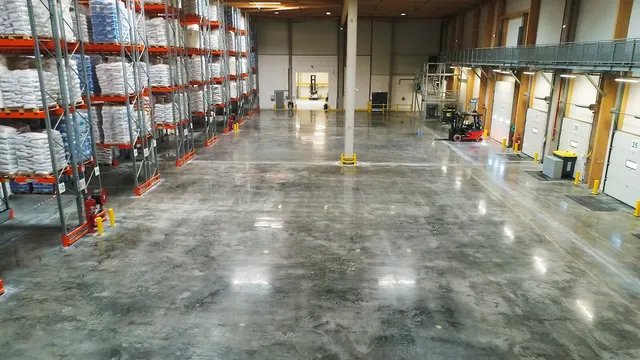
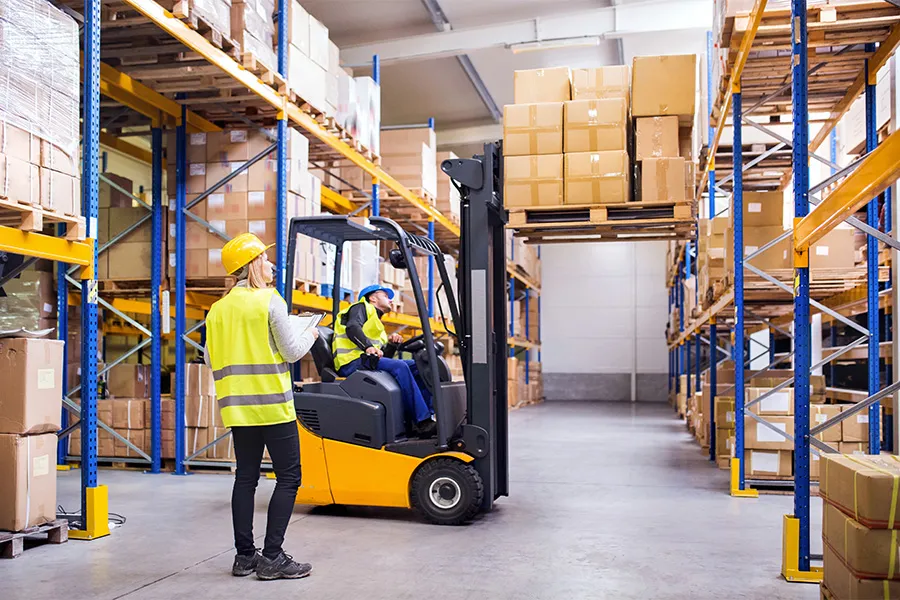
Risks in the logistics chain naturally vary from one company to another. The use of forklift trucks and other internal transport equipment is a major concern. Possible risks include a vehicle overturning, materials being transported falling, and, in particular, collisions between internal transport equipment and pedestrians. You can prevent these by taking organisational measures, such as separating forklift trucks from pedestrians. Training forklift truck drivers in your company is also very important. The use of safety signs, floor markings and mirrors in hazardous areas is also strongly recommended.
Machines and knives
Besides forklift trucks, other work equipment also requires careful attention to safe use. Examples include certain sorting machines and even a (utility) knife for opening packages. A sorting machine must carry a CE mark. A prevention adviser must set safety criteria when it is purchased and commission it after installation. Regular maintenance of these machines is, of course, essential to ensure safety. It is better to replace ordinary utility knives with safety knives. These have retractable blades.

First aid and firefighting
A significant health risk is associated with the physical demands placed on employees. These demands should be reduced as much as possible. If this is difficult or unfeasible, invest in the necessary training for your warehouse staff so they can learn the correct lifting techniques. If one of your employees does sustain a minor injury, you need to be able to rely on enough staff with the necessary first-aid skills. The annual fire evacuation drill is also an important step towards a safe working environment. Make sure there are always enough fire extinguishers and trained firefighters on site. Shift work also requires enough trained first aiders and firefighters to be on standby. Evacuation doors or gates should ensure that your employees can leave the warehouse quickly in the event of a fire. Like the machinery in your organisation, these gates must also be maintained regularly to ensure they work properly.
Loading bays
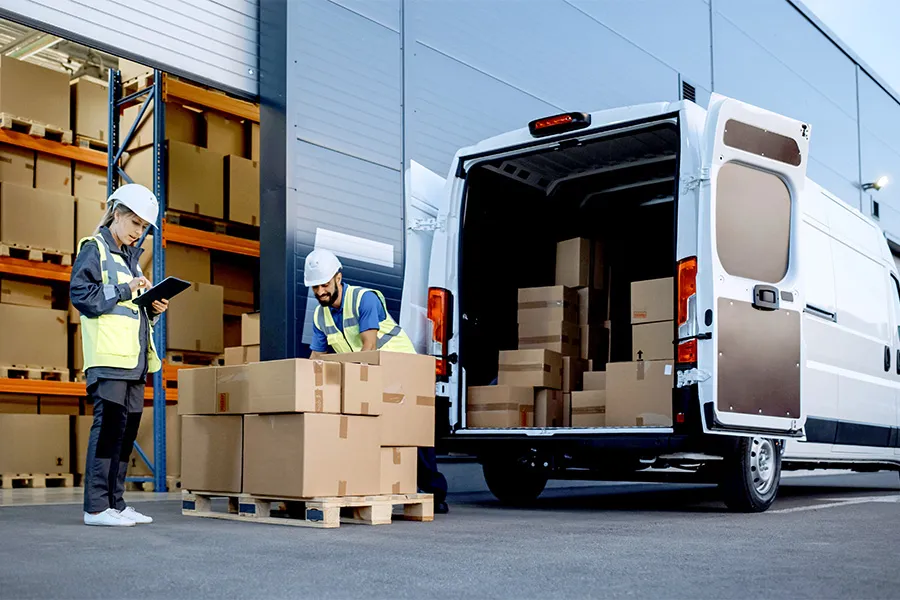
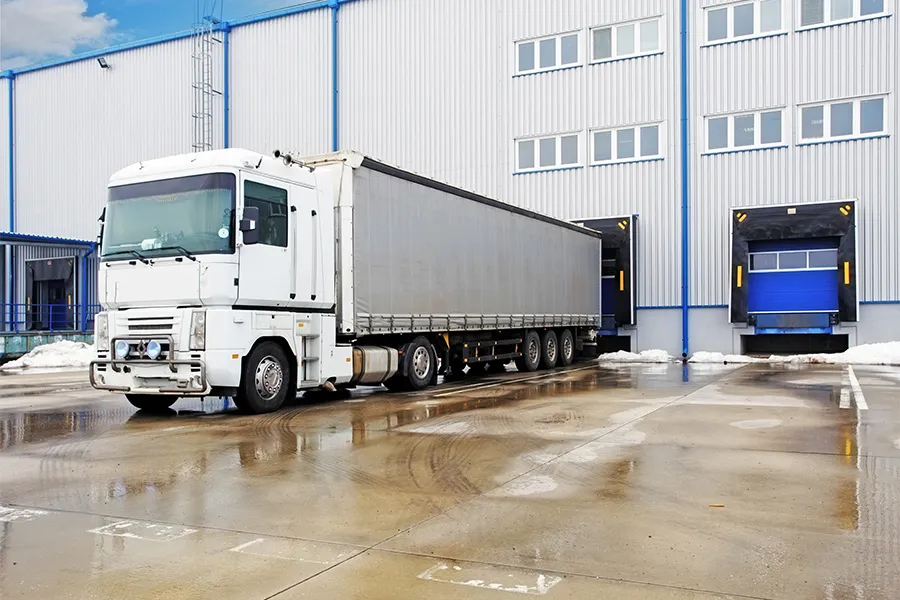
Loading bays pose a specific risk. A driver bringing their lorry up to the loading bay must receive the necessary safety instructions. They must also have the necessary personal protective equipment. The necessary preventive measures apply when unloading a trailer, with preventing it from moving being the main priority. Another important measure is to inspect the condition of the trailer floor, so that loading and unloading with a pallet truck or forklift truck can be carried out safely. Potential collisions between pedestrians and forklift trucks or pallet trucks, as well as between forklift trucks themselves, also require attention.
Sliding gates
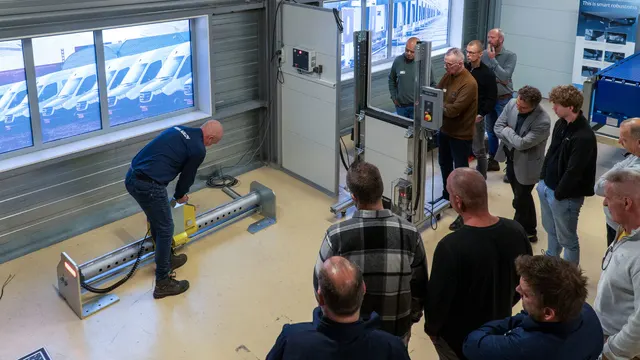
Remember to fit sliding gates with a safety system to prevent them from coming off their tracks or falling over. Doors and gates must not pose a risk to employees. Adequate lighting in the outdoor area is essential for creating a safe working environment. Last but not least, managers in your organisation, such as shift supervisors, must properly supervise activities. They must help ensure that personal protective equipment is used correctly, that forklift trucks, packaging machines and safety knives are safe and remain so, and, above all, that potentially dangerous machines are operated only by employees who have received sufficient training to use them safely. Overloading forklift trucks is another important issue, and drivers must be reminded of this.
Question about this story? Ask your question
Keep following this
Get an email when a new story is published. No account needed.
- ThemeSafe and healthy warehouse work
- SubjectWarehouse equipment & safety