More storage capacity within the existing footprint
Text Ferdi den Bakker Beeld META Magazijnsystemen Benelux B.V.
More and more companies are reaching the limits of their warehouse capacity. New builds or extensions are often costly, not available immediately or even impossible due to grid congestion. At the same time, product ranges are expanding and pressure on logistics processes is increasing. According to Martijn Ubachs, Sales Director Benelux at META Magazijnsystemen, this does not mean companies need to look straight to expensive automation solutions.
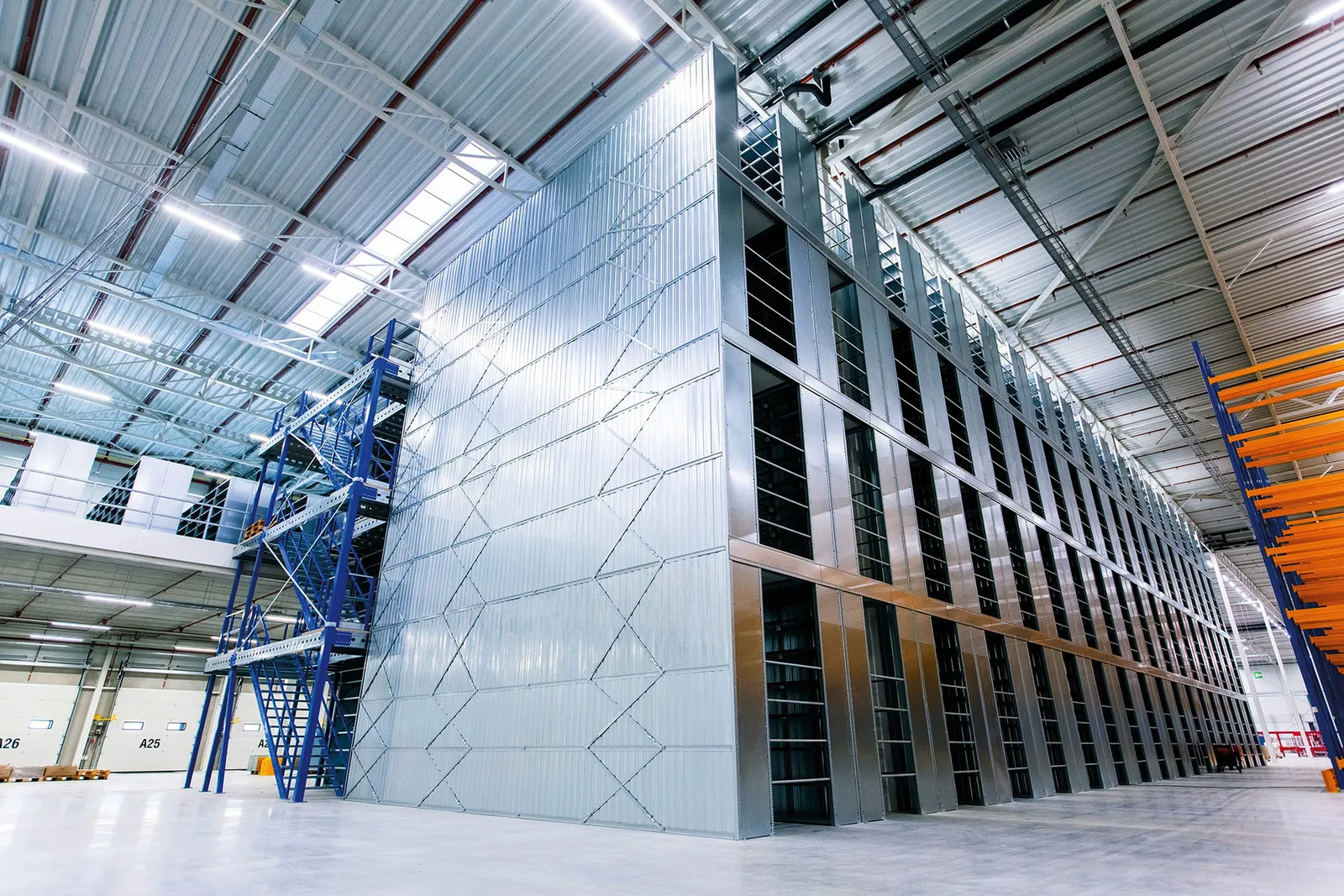
“For many companies, there is an interesting alternative between traditional storage and full automation: the pick tower,” says Ubachs. “It allows you to create significantly more storage capacity within the existing footprint while also improving the efficiency of order-picking processes.”
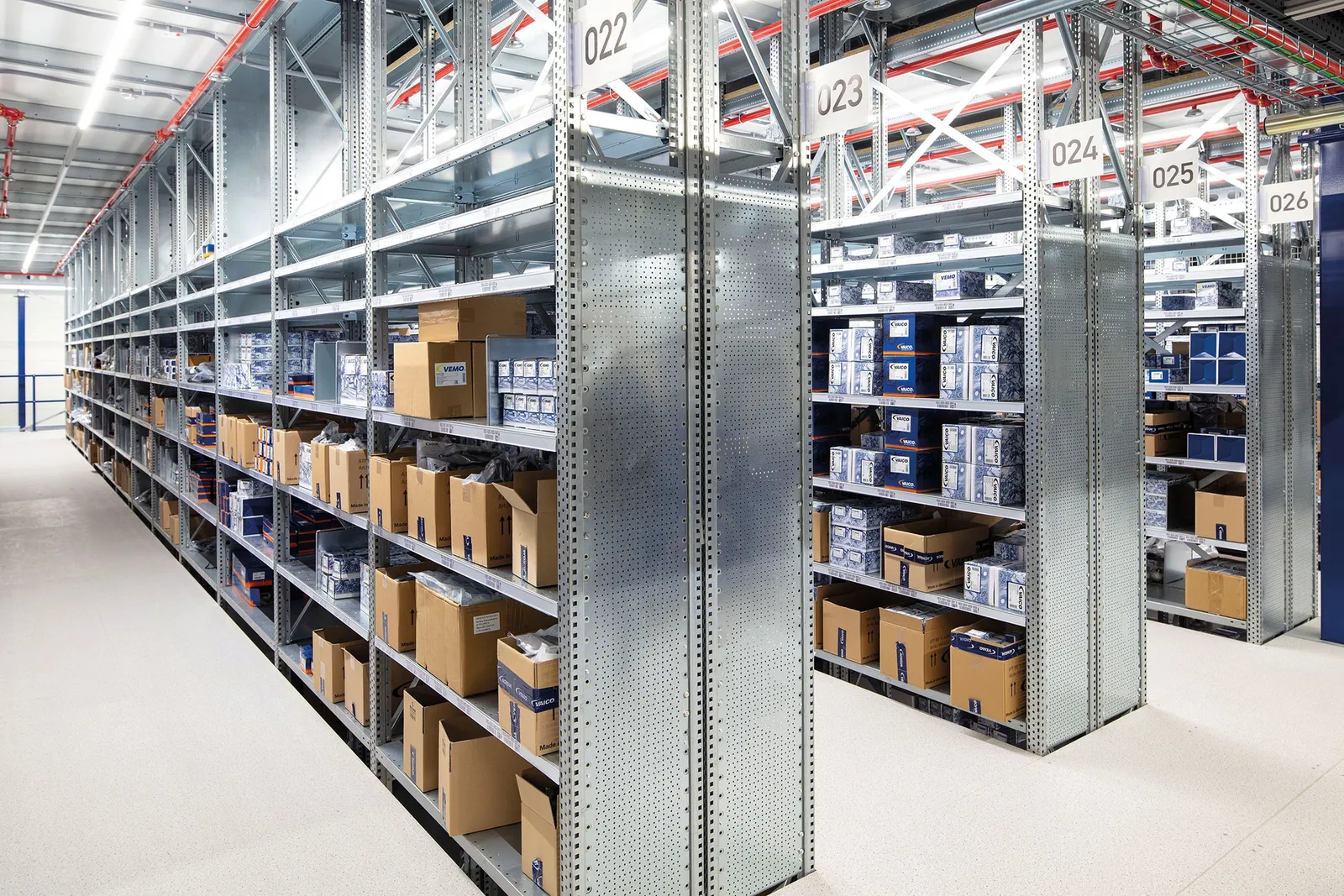
Companies with a large range of small items face a particular challenge. “Think spare parts, technical components, retail products, e-commerce products and electronics.” According to Ubachs, these items are characterised by a high SKU density and require well-organised storage and fast order picking.
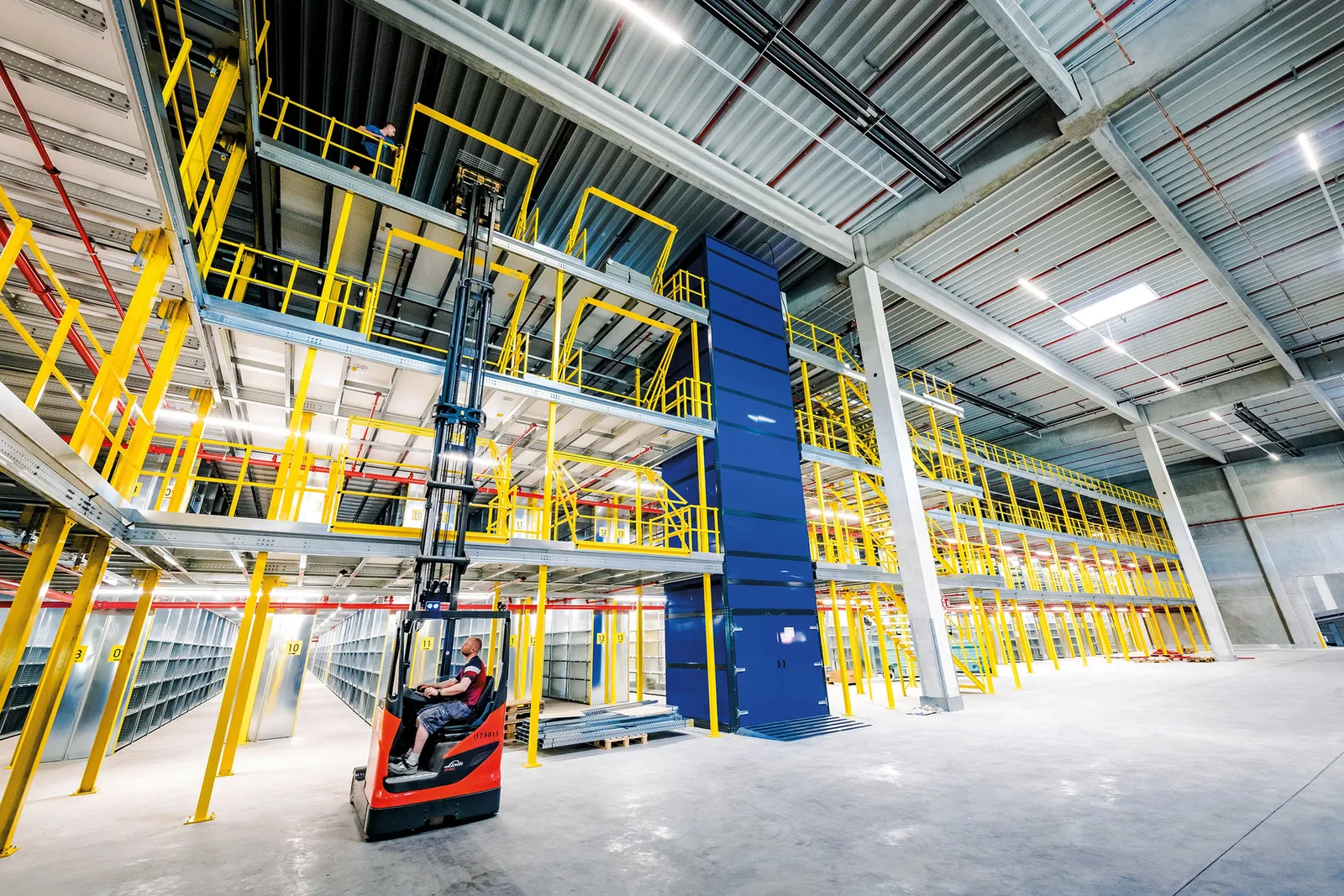
“At many organisations, we see a relatively small product volume requiring a large number of storage locations,” says Ubachs. “In these cases, you want to create as much storage capacity as possible in a limited area. A pick tower makes this possible without investing straight away in complex automation systems.” Making optimal use of the building’s height creates extra storage space without expanding the warehouse’s footprint. This enables companies to store more stock within the same square metres while also limiting order pickers’ walking distances.
An alternative to mezzanine floors
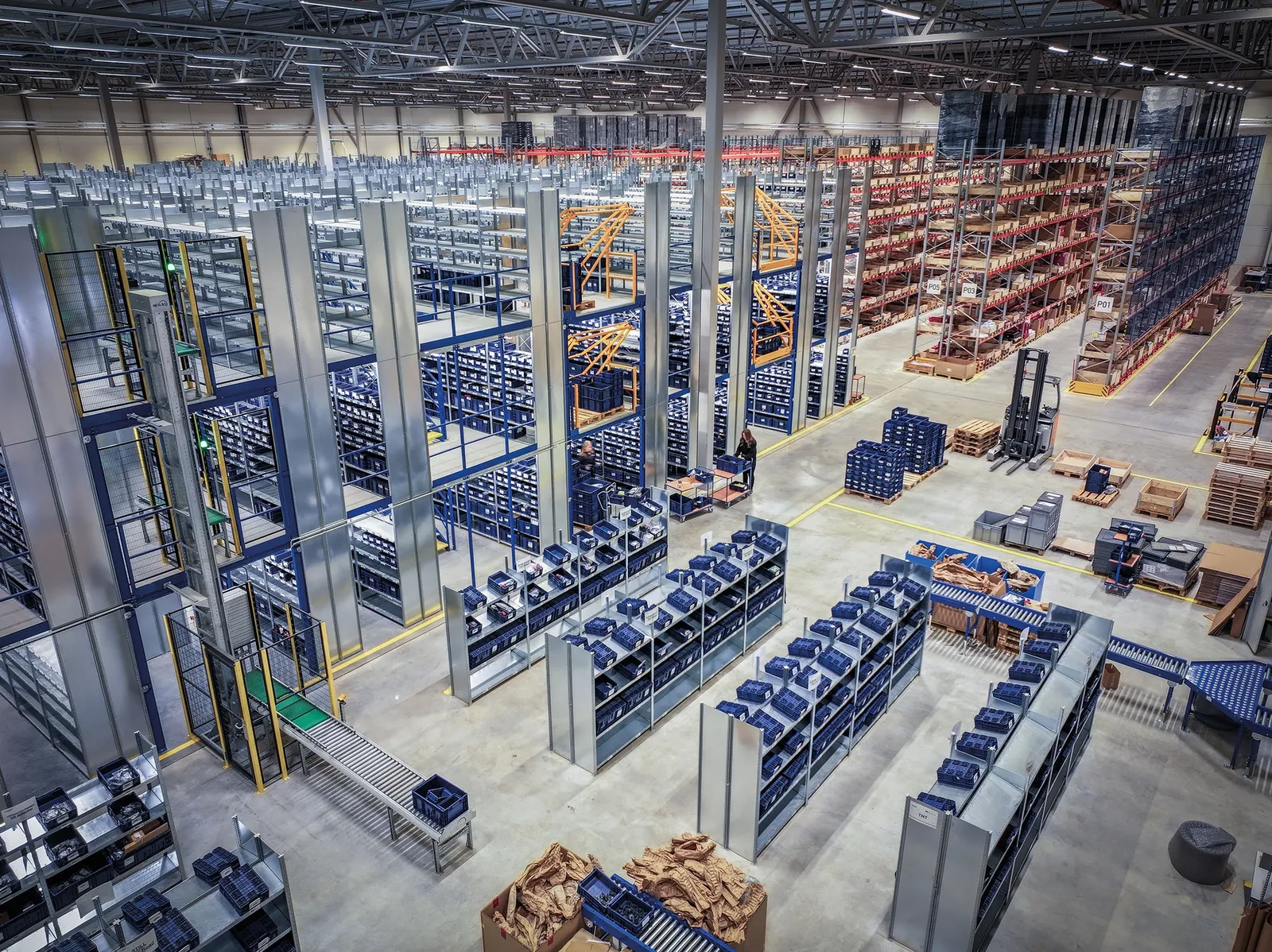
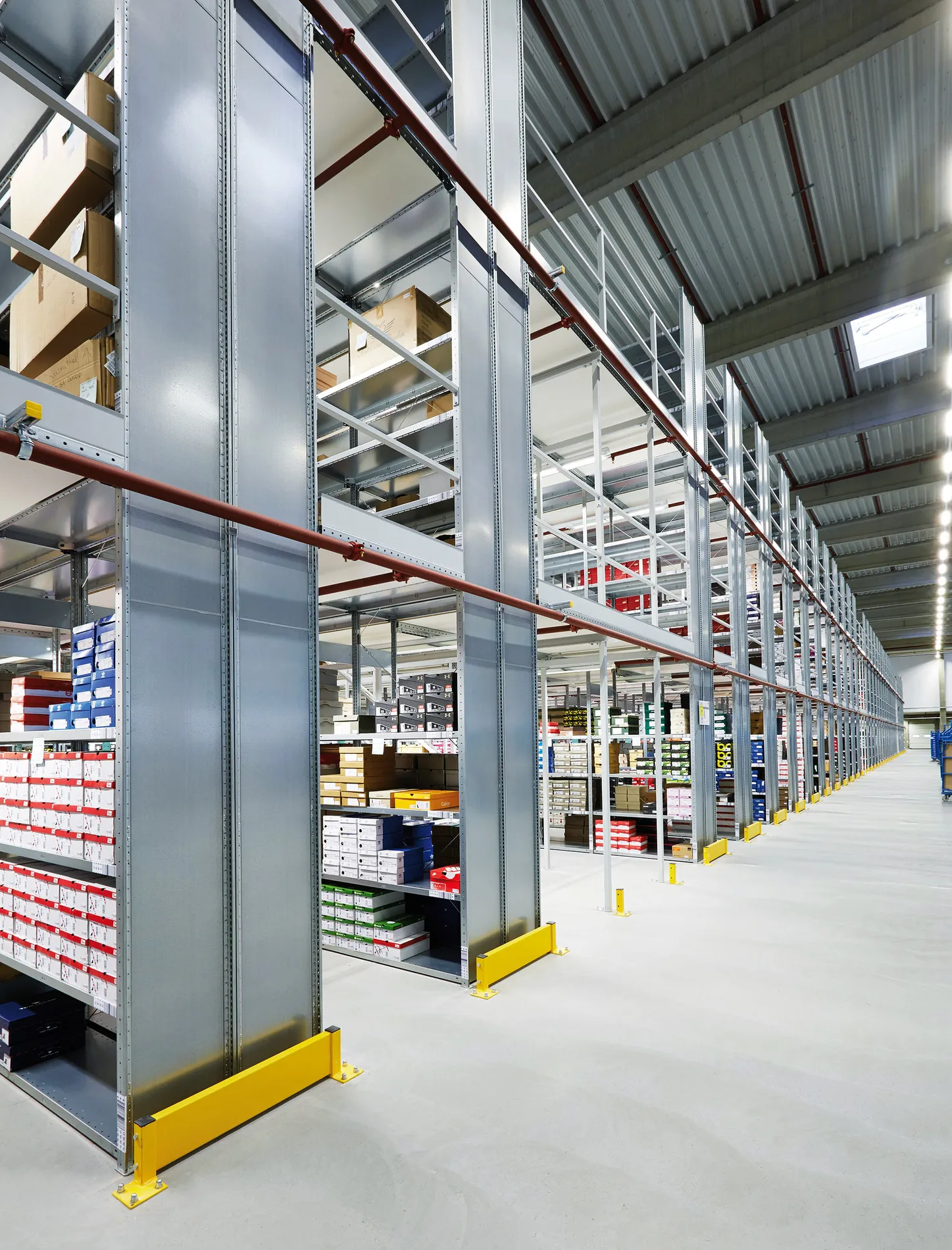
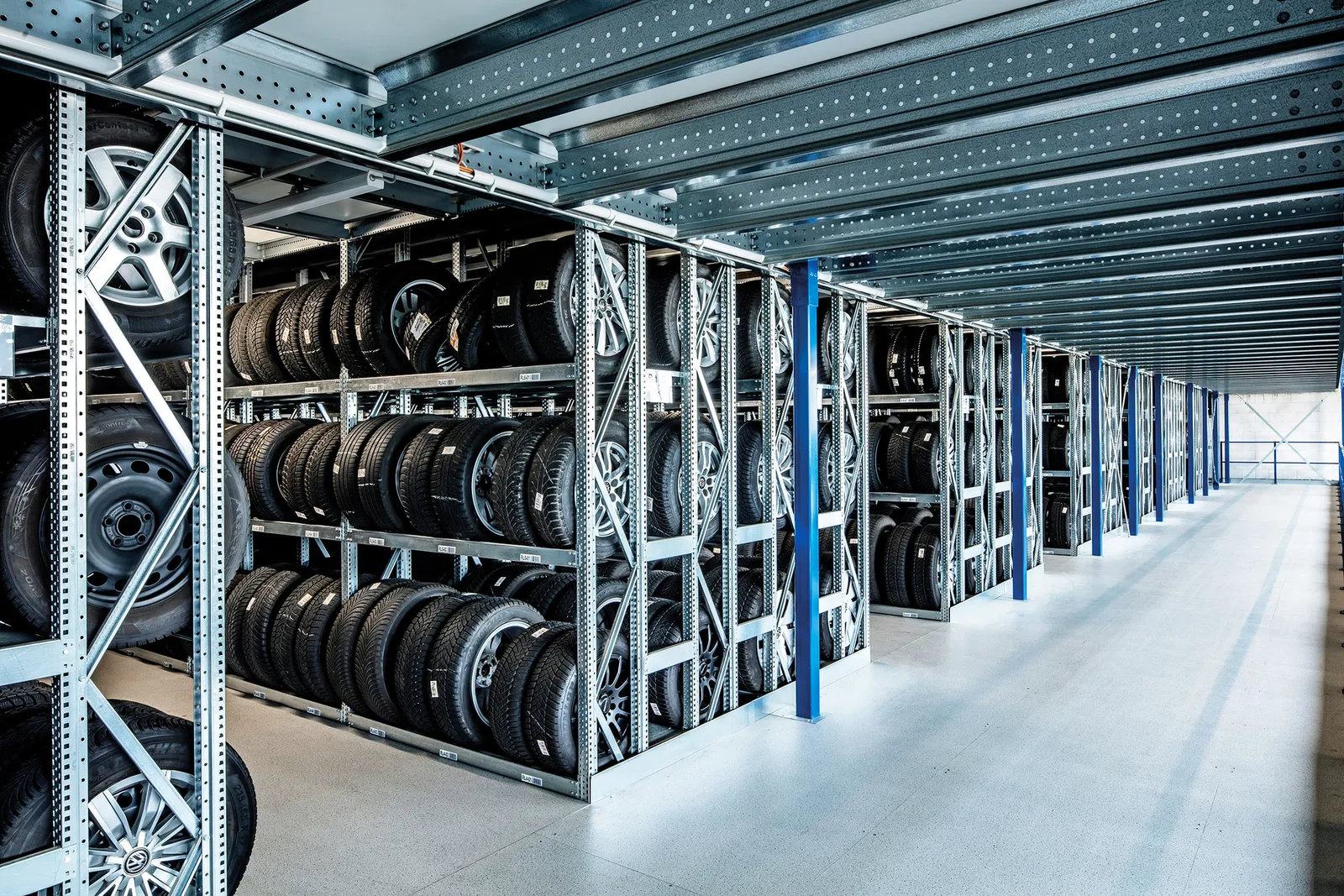
META’s pick tower is a multi-level storage system consisting of integrated floor levels supported by the racking system itself. This often eliminates the need for a separate steel structure or traditional mezzanine floor. “The system combines the benefits of a multi-level warehouse layout with the flexibility of shelving,” explains Ubachs. “This makes it a relatively quick and cost-effective solution that can also be easily adapted to changing logistics needs.” Thanks to its modular design, companies can adapt the layout as product ranges change or volumes grow.
Ready for future automation
According to Ubachs, one key advantage of a pick tower is that companies do not have to choose between a static storage solution and automation. “A pick tower provides an excellent basis for future automation. The system can easily be extended with lifts, conveyors, spiral conveyors or goods-to-person solutions. This allows companies to invest in stages and develop their warehouse step by step.” The result is a scalable solution that grows with the organisation’s logistics needs.
Investing in operational efficiency
META expects demand for multi-level storage systems to continue to rise in the coming years. Limited space, rising property costs and staff shortages are forcing companies to make smarter use of their warehouse space. “Not every organisation needs full automation straight away,” concludes Ubachs. “For many companies, the biggest gains come from making smarter use of the available space and optimising order-picking processes. A pick tower offers a proven, scalable and future-proof solution that directly contributes to the warehouse’s operational efficiency.”
Question about this story? Ask your question
Keep following this
Get an email when a new story is published. No account needed.
- ThemeMore warehouse space
- SubjectWarehouse equipment & safety