Lithium-ion batteries: the underestimated danger in warehouses
Text Iris Verkerke Image Batteryguard
Lithium-ion batteries are now an essential part of modern distribution centres and warehouses. They power electric pallet trucks, mobile workstations and many other devices. They are ideal for increasing efficiency and reducing maintenance costs. But what is the downside? These powerful batteries pose a serious safety risk that is often underestimated.
The dangers of lithium-ion batteries are increasingly making the news: explosions and fires that break out in the blink of an eye. This is a risk that businesses cannot ignore. “The biggest problem is that you often cannot tell from the outside whether a battery is damaged,” explains Jos Kools, lithium-ion expert at Batteryguard. “But just one fall or impact can be enough to trigger a chain reaction inside, without you realising it.”
Lithium-ion batteries: a powerful energy source, a major risk
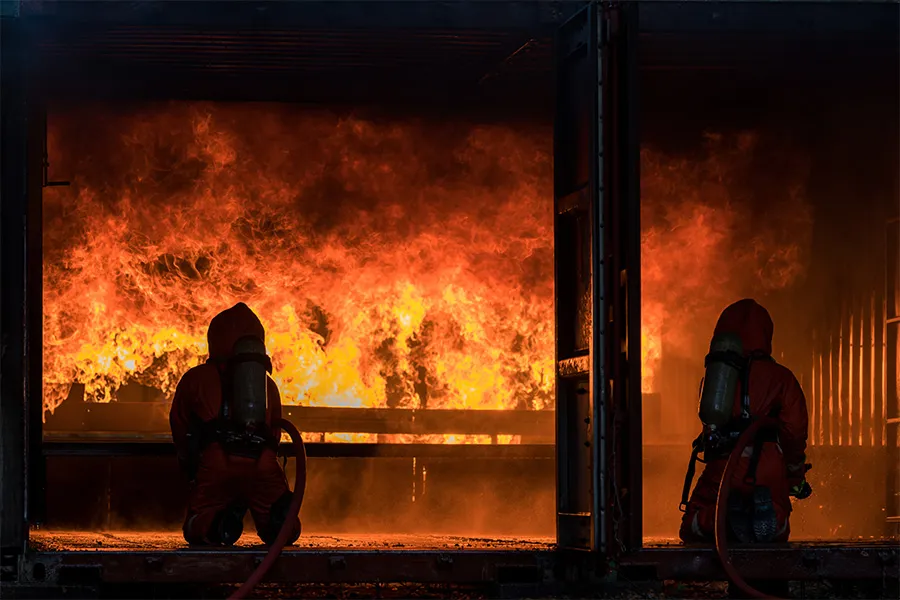
Charging a damaged battery can lead to what is known as thermal runaway. The battery rapidly becomes extremely hot and may even explode. The process happens so quickly that a developing battery fire can become an uncontrolled blaze within seconds. In a hectic warehouse environment with lots of staff and valuable stock, this is a disaster you will want to avoid at all costs.
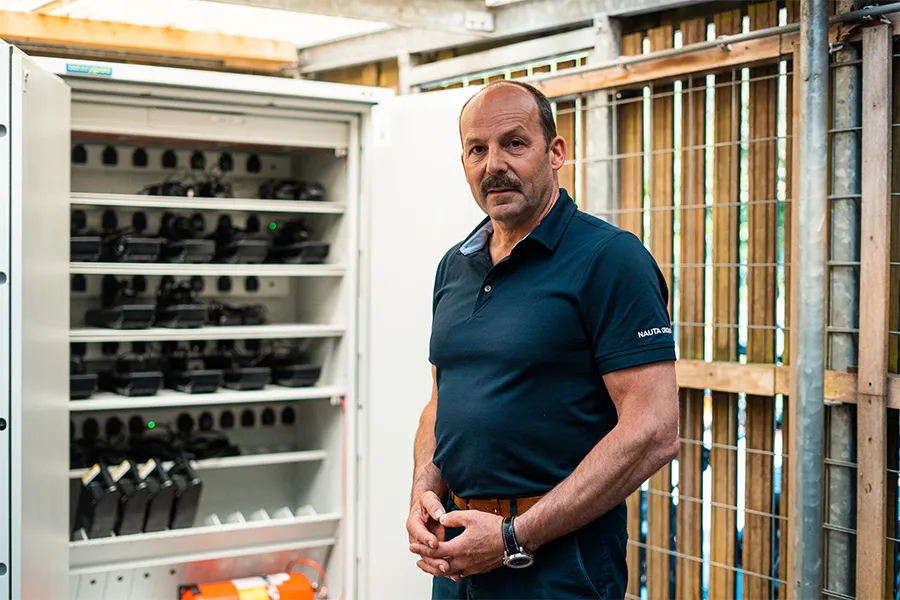
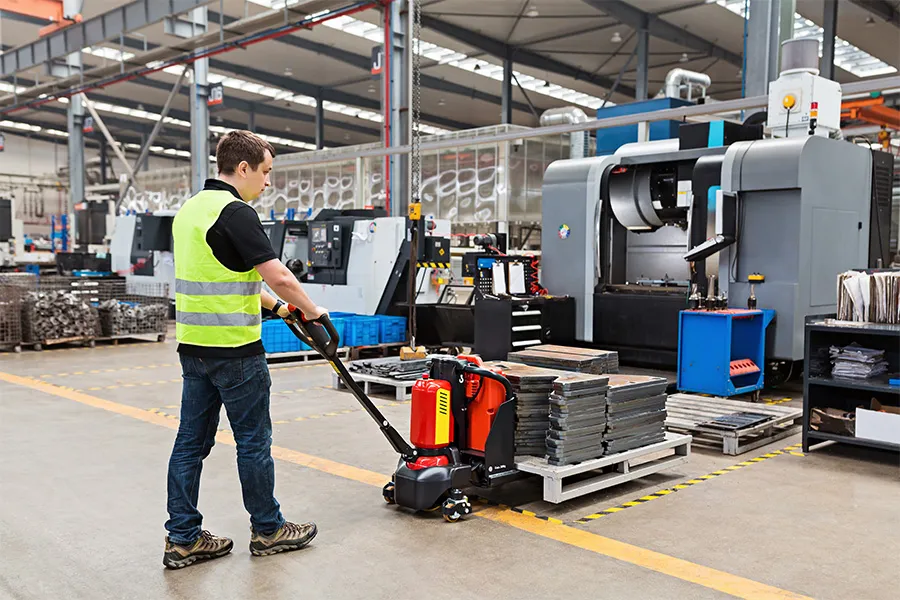
Wehkamp, the well-known online department store, is a good example of a company that takes the risks seriously. “Wehkamp has invested in a Batteryguard battery cabinet for its logistics centre, to charge its lithium-ion batteries safely. These include batteries for electric pallet trucks, mobile workstations and handheld scanners,” says Jos Kools. “A battery fire not only causes damage, it can also lead to prolonged business disruption and put staff at risk.”
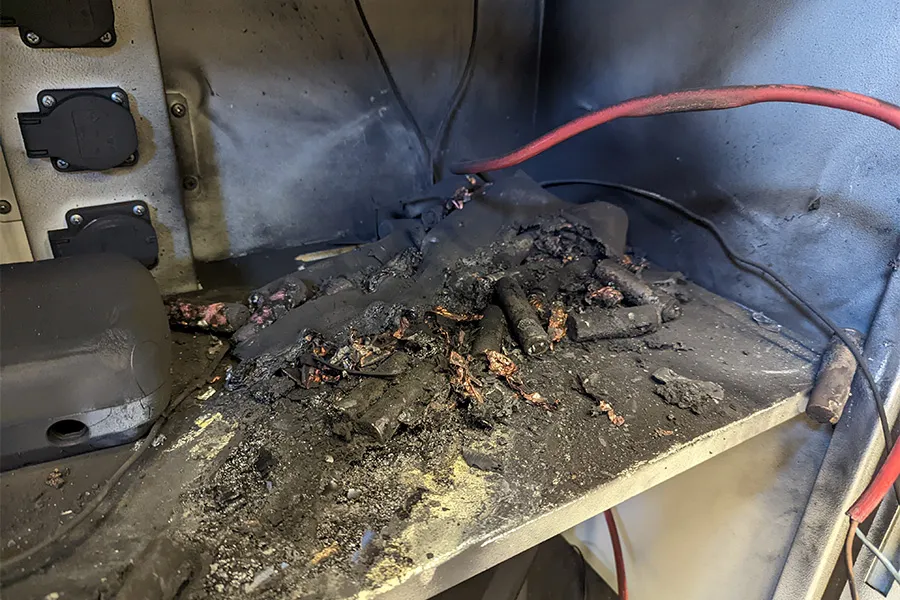
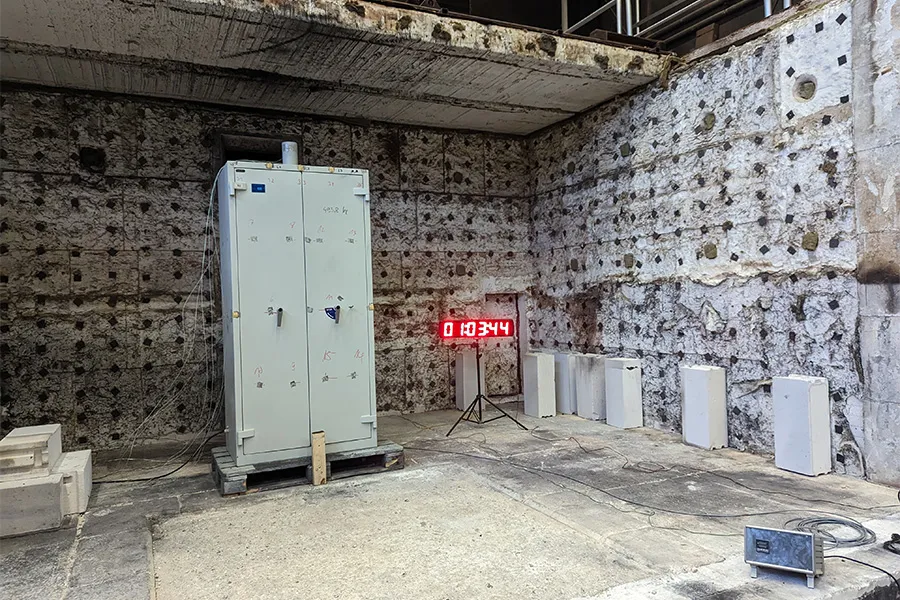
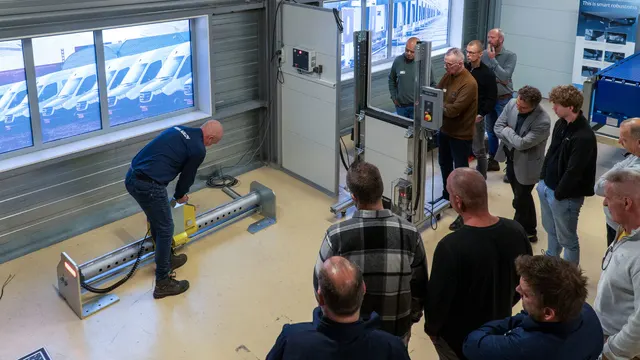
Batteryguard XL battery cabinet tested with lithium-ion batteries.
New safety standard VDMA 24994
Fortunately, new safety standards have been developed specifically to address the risks of lithium-ion batteries: the VDMA 24994 specifications. These set out test requirements for lithium-ion battery cabinets, taking into account the extreme heat generation and explosive pressure build-up that can occur during a battery fire.
“With VDMA 24994, not only companies but also insurers finally know where they stand,” explains Jos Kools. “Batteryguard XL was tested with lithium-ion batteries during the development phase. This makes Batteryguard one of the first truly safe storage solutions on the market.”
Difference from PGS 37-2
In the Netherlands, PGS 37-2 guidelines are often mentioned in relation to battery safety. These guidelines are based on the EN 14470-1 standard, which was originally developed for storing flammable liquids. This type of cabinet protects its contents against fires that start outside the cabinet, but does not account for the internal pressure and heat generated by a battery fire. The new VDMA 24994 specifications offer much better protection against the specific risks of lithium-ion batteries.
What makes Batteryguard so safe?
Batteryguard battery cabinets have been specially developed to contain battery fires. Thanks to their robust design and doors that remain closed even under extreme pressure, the cabinets prevent flames or hot gases from escaping. This significantly reduces the risk of damage to your stock and infrastructure.
Batteryguard is not just about safety, but also ease of use. The cabinets are fitted with integrated charging stations and smart layouts, such as pull-out drawers.
“We have configured these cabinets flexibly, so you can store and charge all kinds of batteries, from integrated charging stations for handheld scanners to convenient drawers for large batteries used in electric pallet trucks. This gives you one central, safe place for everything, without any hassle,” says Kools.
Better safe than sorry
Do you also use lithium-ion batteries in your distribution centre or warehouse? Contact Batteryguard today for a no-obligation consultation. Our experts will be happy to help you make your battery management safe and future-proof. Prefer to read a little more first? Download the free white paper at batteryguard.com and find out all about the dangers of lithium-ion batteries and how to protect your business against this underestimated risk.
Have a business enquiry for Batteryguard? Get in touch
Companies in this story
Keep following this
Get an email when a new story is published. No account needed.
- SubjectWarehouse equipment & safety
- CompanyBatteryguard