Key considerations for creating and maintaining a safe warehouse
Text Carolien Klees Images Europe Racking
“People often think: as long as the racking has been inspected, our warehouse must be safe. But many more factors determine how safe a warehouse is. Often, they are small things that are easily overlooked, or things people simply have not thought about,” says Ron Konings. As operations director at Europe Racking, a specialist in high-quality warehouse racking and warehouse fit-outs, Konings has seen the inside of many warehouses. He often comes across unsafe situations, so we asked him about the main pitfalls and points to watch.
“To be clear, we are not pointing the finger. Sometimes it is a lack of knowledge, and sometimes things happen without anyone realising. That is why we work proactively with our customers and advise them on warehouse safety. We also take this into account when preparing our drawings.”
Aisles
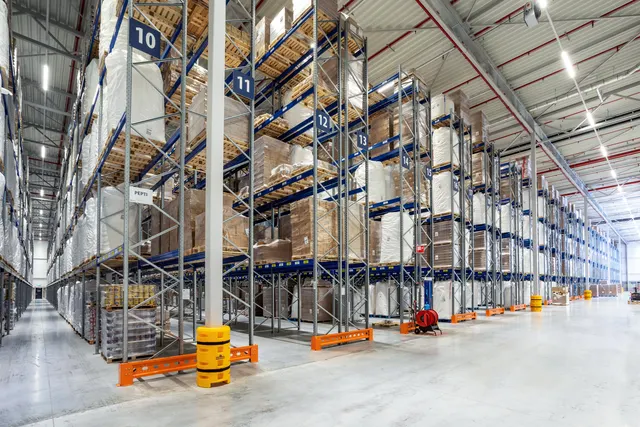
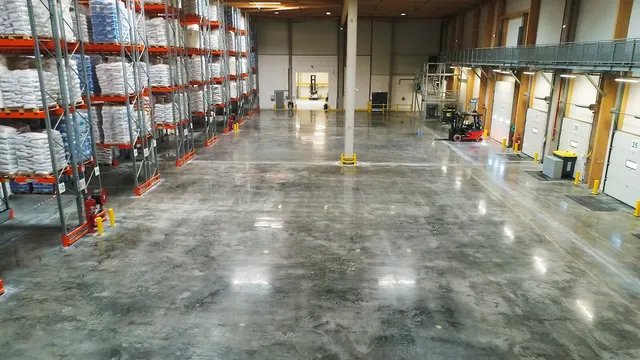
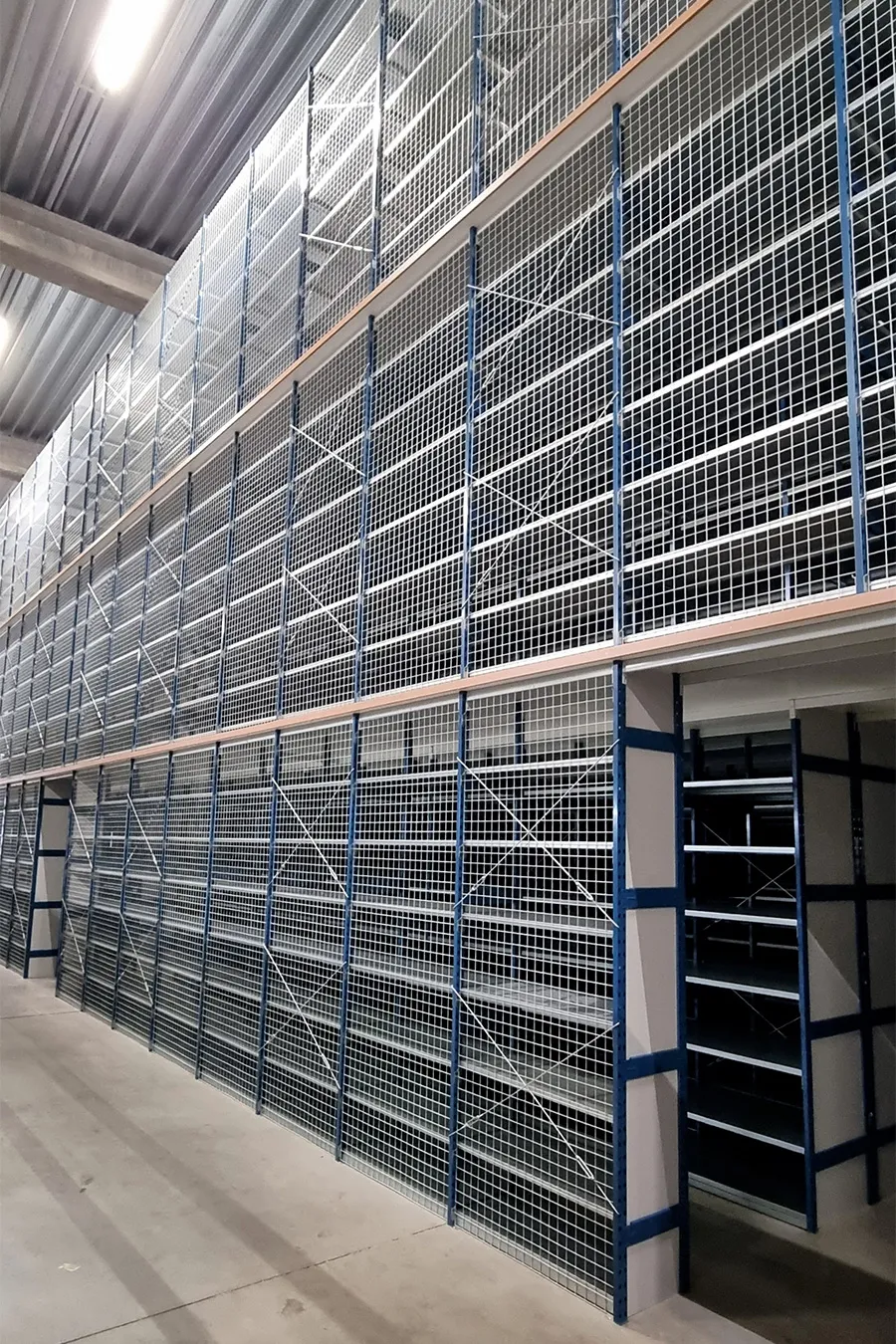
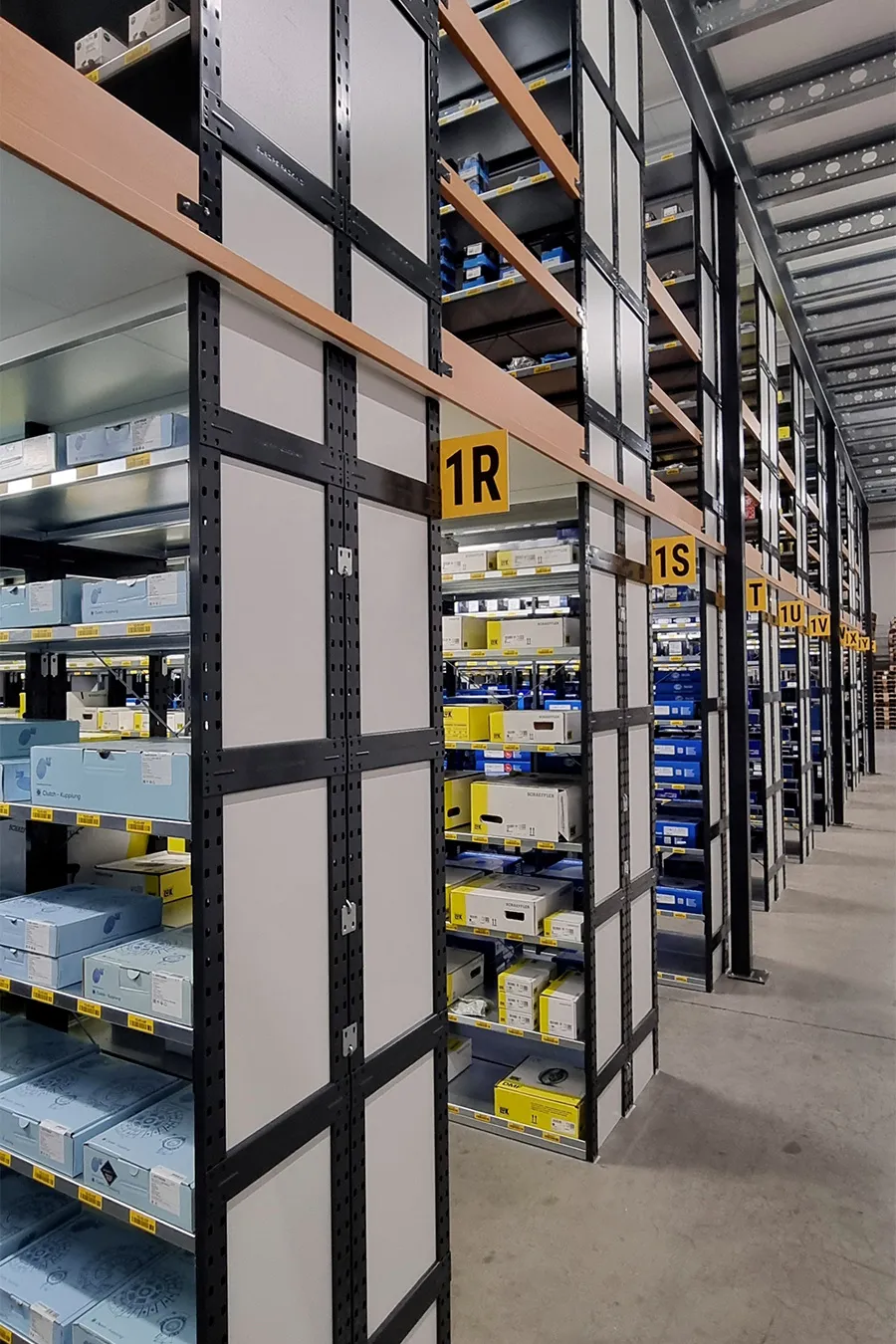
“A safe warehouse layout starts with the right pedestrian and vehicle routes,” he stresses. “Escape routes must be designed so that several people can reach the emergency exit at the same time. Aisles that are too narrow are dangerous. Packing tables in aisles are out of the question, as is blocking emergency exits or fire extinguishers. It may seem obvious, but we still see this go wrong all too often. Clear markings, for example around fire extinguishers, help prevent people from putting materials in front of them. Aisles must not be too wide either. That encourages people to leave things there, which can lead to unsafe situations.”
Racking
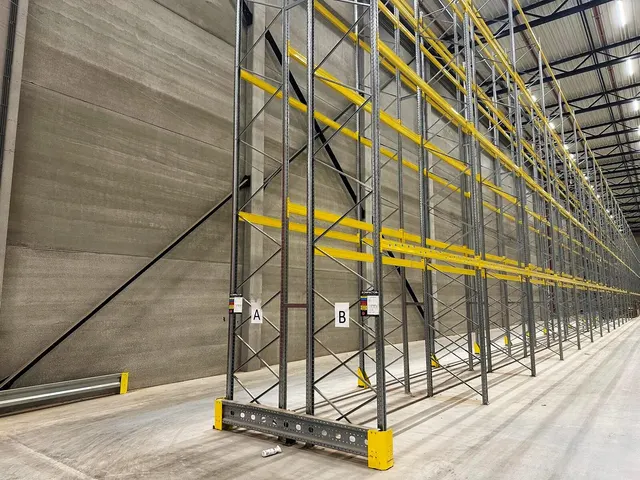
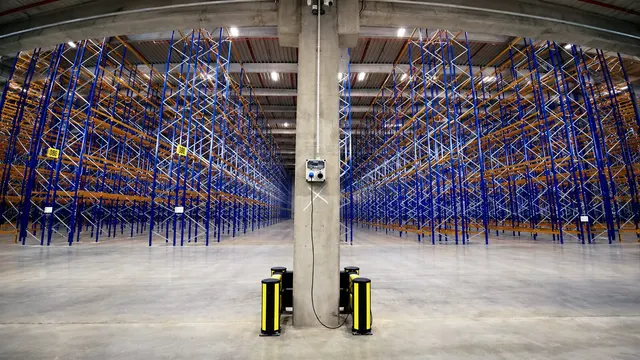
Separating different types of racking is also crucial. “Pallet racking is designed for forklift trucks, while shelving is for manual order picking. The most common mistake we come across is installing a row of shelves beneath the pallet racking. You then have an order picker working below while a forklift truck drives right past. That is asking for an accident.”
It is also important to consider what will be stored in the pallet racking: “We look at what solutions we can offer to do this safely, whatever the pallet size. Options include wire mesh decking, press-locked grating or wooden decking. Sometimes a few extra supports are all that is needed.”
“We used to use block pallets, but now we use Euro pallets. The latter are larger. So do not mix the two types, or the Euro pallets will protrude. If the product is heavy, a slat could then break, with all the consequences that entails. We also look at what will be stored in the pallet racking and then consider what solutions we can offer to do this safely, whatever the pallet size. We also consider options such as wire mesh decking, press-locked grating, wooden decking or simply extra supports where needed. Everything is tailored to the customer’s requirements.”
Mezzanine floor
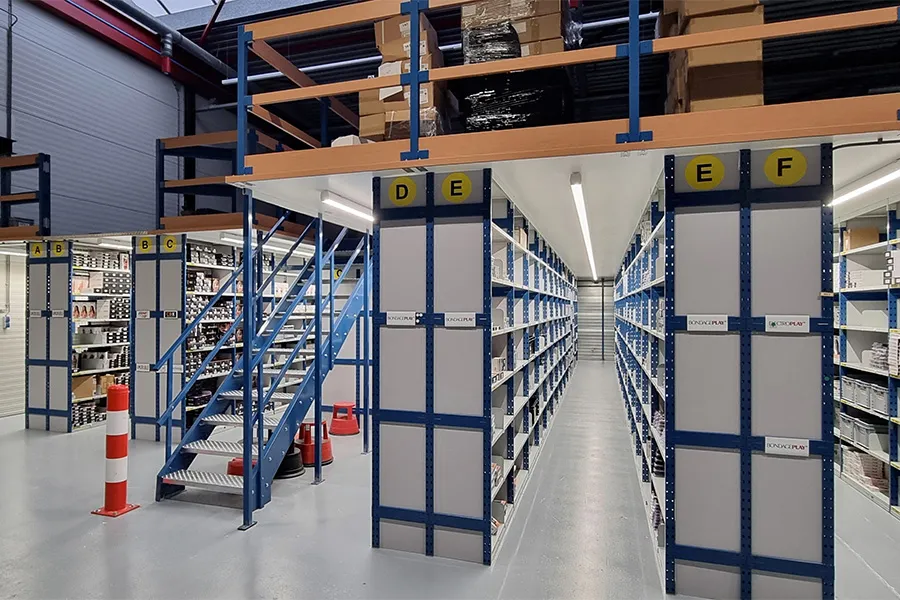
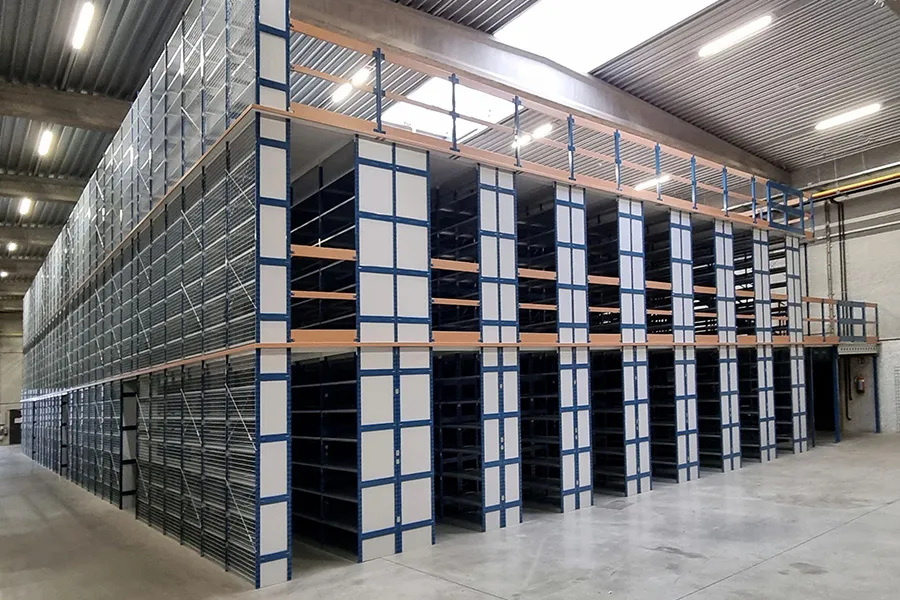
“When a new mezzanine floor is installed, people sometimes forget to move important markings, so the emergency exit sign is suddenly no longer visible. And do not forget fall protection.” Loading racking correctly is important. “Take account of the maximum load and ensure the goods are distributed safely, with the heaviest items at the bottom. And, of course, have the racking inspected every year.” This service is also available from Europa Racking, as its installers are recognised BMWT inspectors. For racking from other brands, it carries out a visual inspection.
Reusable racking
Europe Racking manufactures robust warehouse racking at its own production facility in the Netherlands. “We supply both standard and bespoke products, all made to a high standard and with a premium appearance.” The racking can be dismantled and reused. While other suppliers regularly change their components, making them incompatible with older parts, Europe Racking has remained faithful to its original design from 1984. “And we will continue to do so for decades to come. That makes our racking a sound, environmentally friendly investment. I recently visited a customer who had bought our racking almost thirty years ago and had moved house recently, taking all of it with him to use again.”
Question about this story? Ask your question
Keep following this
Get an email when a new story is published. No account needed.
- ThemeMore warehouse space
- SubjectWarehouse equipment & safety