From small warehouse racks to high-bay installations: SESS Europe delivers thorough inspections and certification
Text Geert Van Cauwenberge Beeld SESS Europe
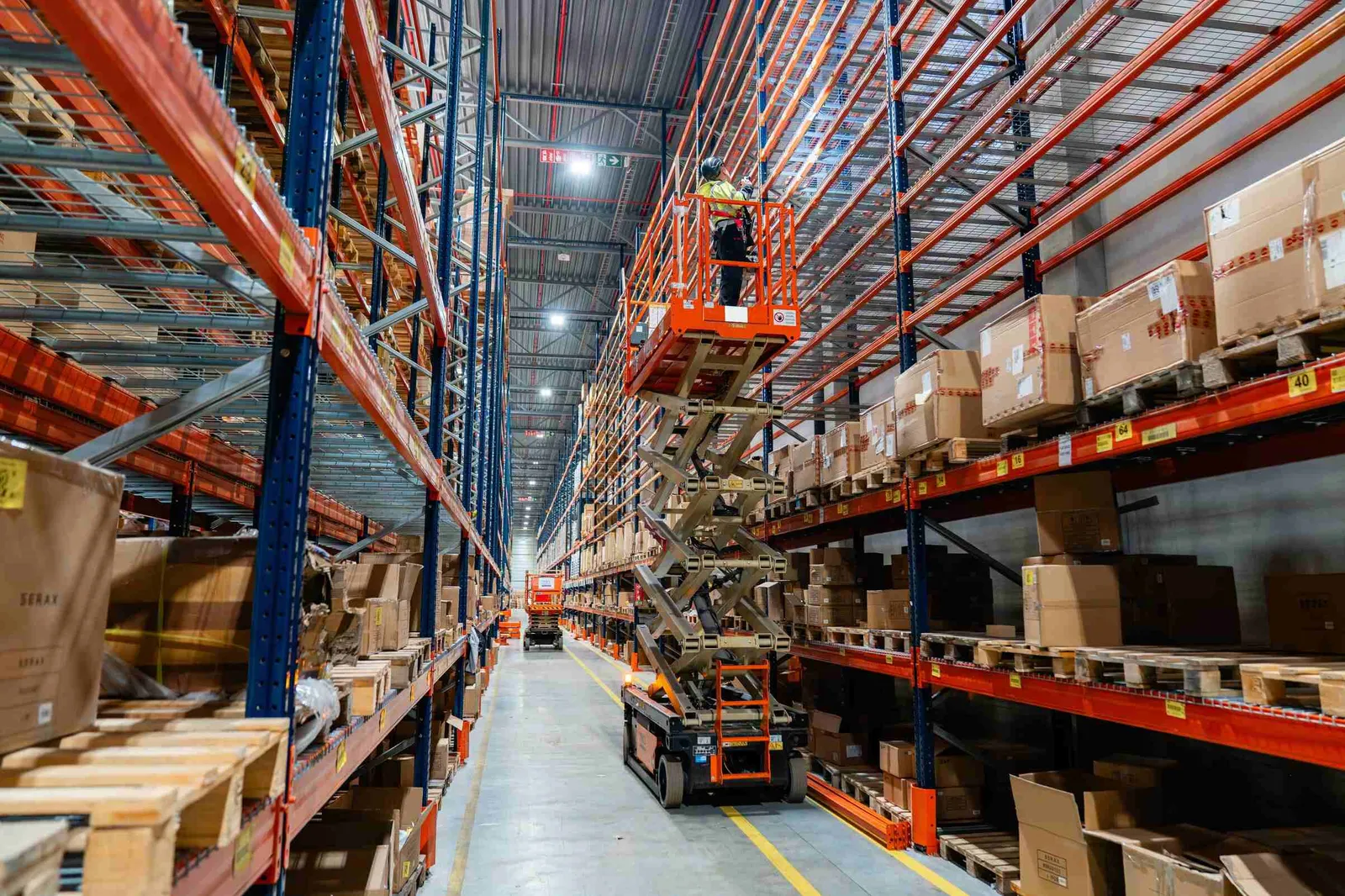
A safe warehouse starts with reliable installations. Yet in practice, not every company gives enough thought to the risks posed by damaged or incorrectly assembled racking. “Prevention is better than cure. That is no empty slogan for us,” stresses Réginald Hardy, managing director of SESS Europe. The company has specialised in independent safety inspections of warehouse racking since 1987 and operates in several European countries, including Belgium, the Netherlands, Luxembourg and France.
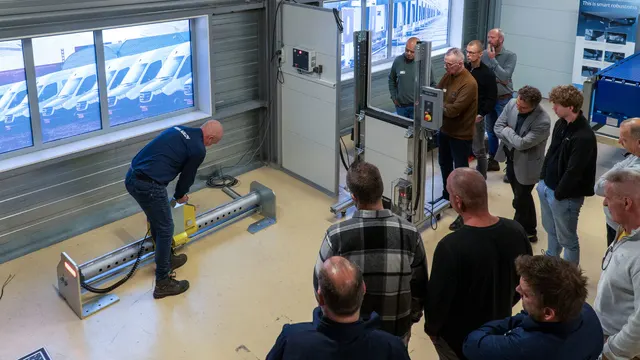
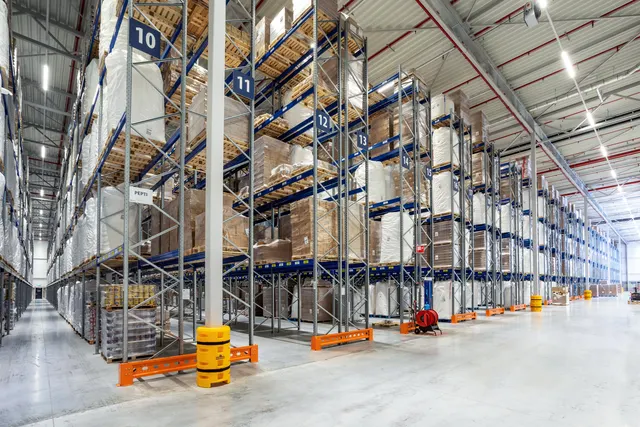
SESS Europe’s inspectors, the full name being Storage Equipment Safety Service Europe, are out on the road every day. They inspect everything from small storage systems to large warehouse installations. “We are completely brand-independent,” explains Réginald Hardy. “That means we inspect every type and brand of racking, from conventional pallet racking to mezzanines and bespoke structures. This breadth of expertise makes us unique.”
Although there is no specific legal requirement to have warehouse racking inspected, Belgian legislation classifies racking as work equipment. This means it must comply with the safety requirements of the Code on Well-being at Work. The Code requires employers to have all work equipment inspected regularly and kept in a safe condition. Periodic racking inspections therefore form a direct part of this statutory duty of care.
“A periodic inspection is an investment in continuity,” says Hardy. “Unsafe situations lead not only to damage or accidents, but also to reputational and production losses. You absolutely want to avoid that.”
Inspections in accordance with international standards
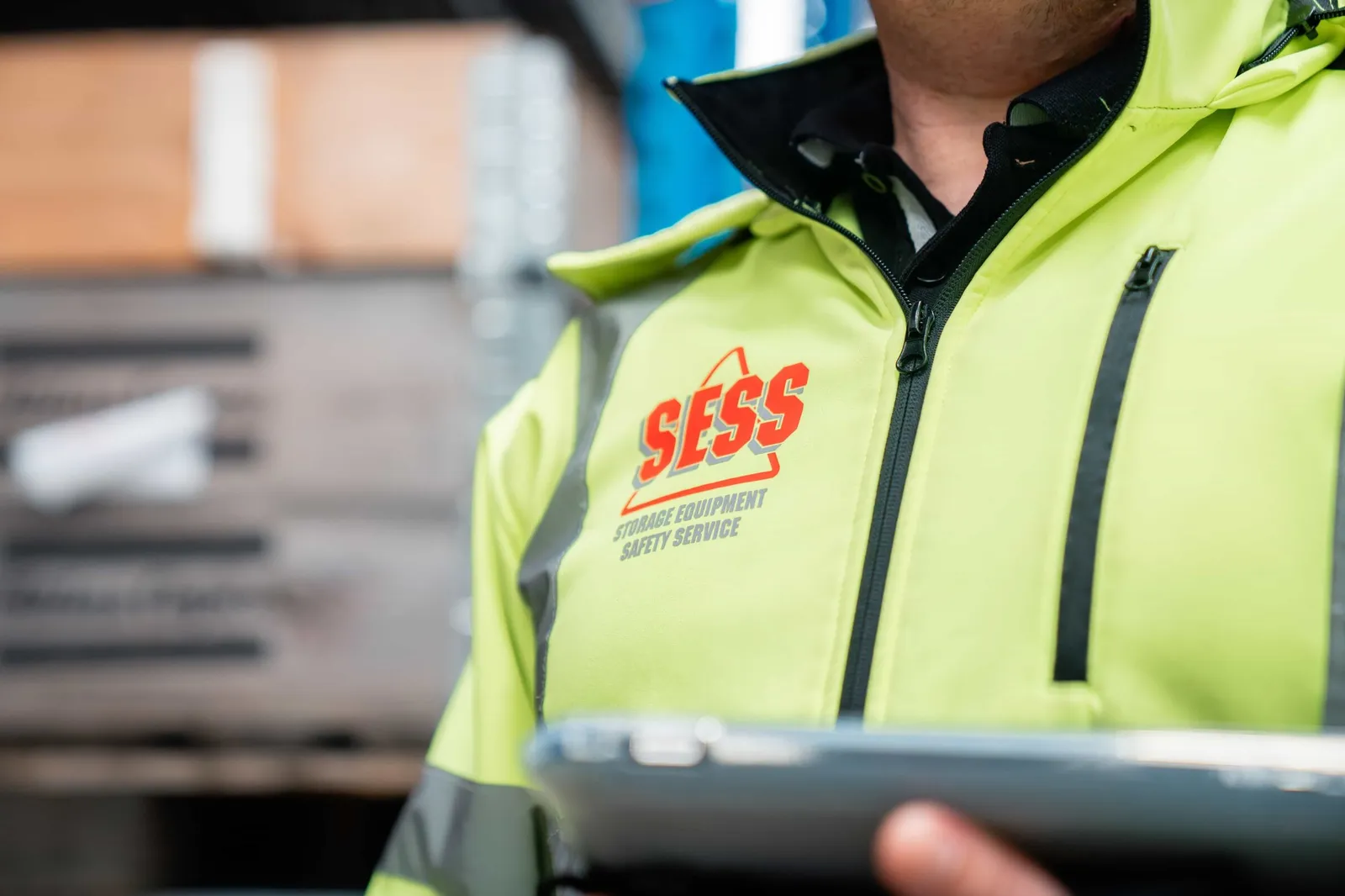
SESS Europe carries out inspections in accordance with European standard EN 15635:2008 and works in line with FEM and SEMA guidelines, which set out European best practice for the safe design and maintenance of warehouse installations. All inspectors use digital tools such as tablets to report quickly and accurately.
“Our inspections are carried out according to a planned schedule,” explains the head of SESS Europe. “Most customers opt for an annual inspection, but some also arrange quarterly checks. They do this not only because their racking is used intensively, but also because they want to maintain a higher and more consistent level of safety.”
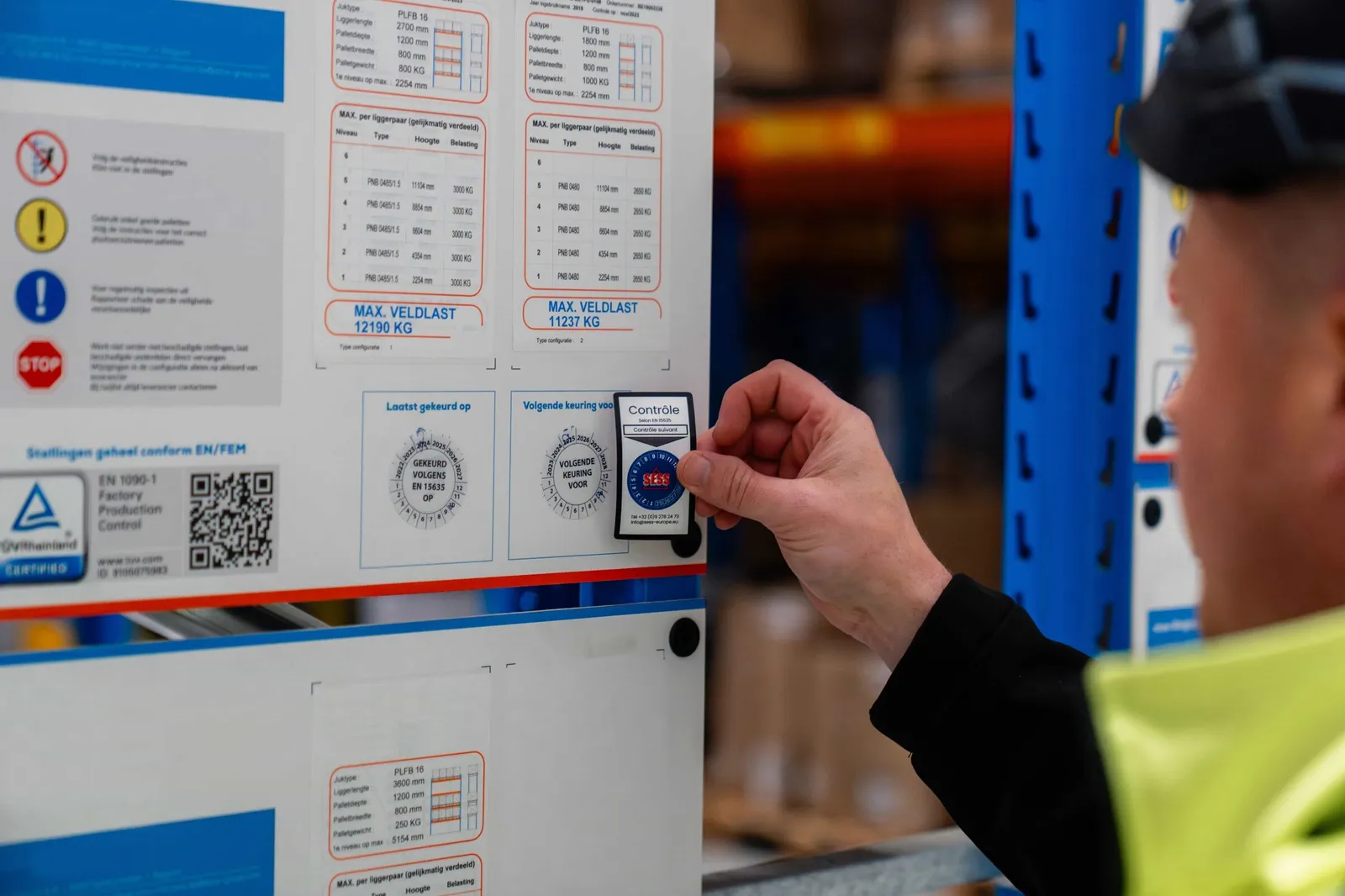
“Before an installation is put into service, we check, among other things, whether it has been installed according to the manufacturer’s instructions, whether its load capacity matches the actual requirements and whether the necessary protective measures are in place. During periodic inspections, we look for wear, impact damage and missing components. And after a relocation or a change to the configuration, we always carry out a new inspection, because the previous inspection report is no longer valid.”
Clear colour codes in reports
After each inspection, the customer receives a detailed report listing any defects. Findings are classified using a three-colour system. Réginald Hardy explains: “A red code means the affected racking must be unloaded immediately. Orange indicates a defect that must be repaired within a specified period. We use green for minor damage that does not pose an immediate risk but still needs to be monitored. This transparency is crucial: our customers know exactly where they stand.”
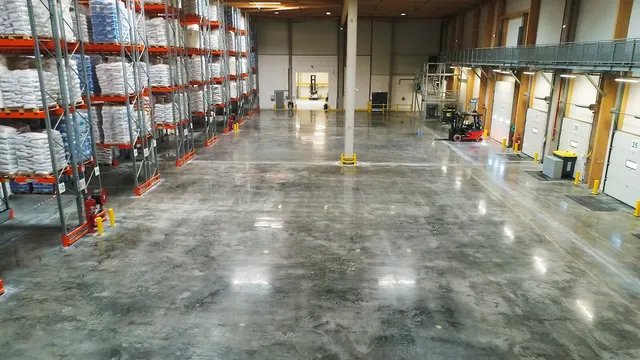
Warehouse operations can continue as normal during the inspection. “Our inspectors work independently,” says the managing director. “We only ask someone to show them where the installations are. We take care of the rest ourselves, discreetly and efficiently.”
Common problems
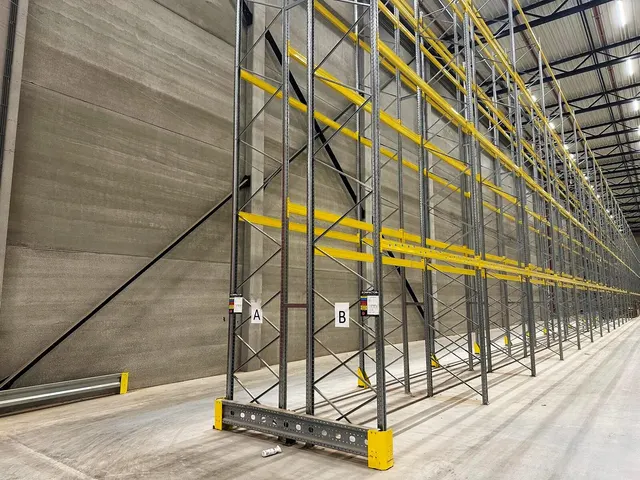
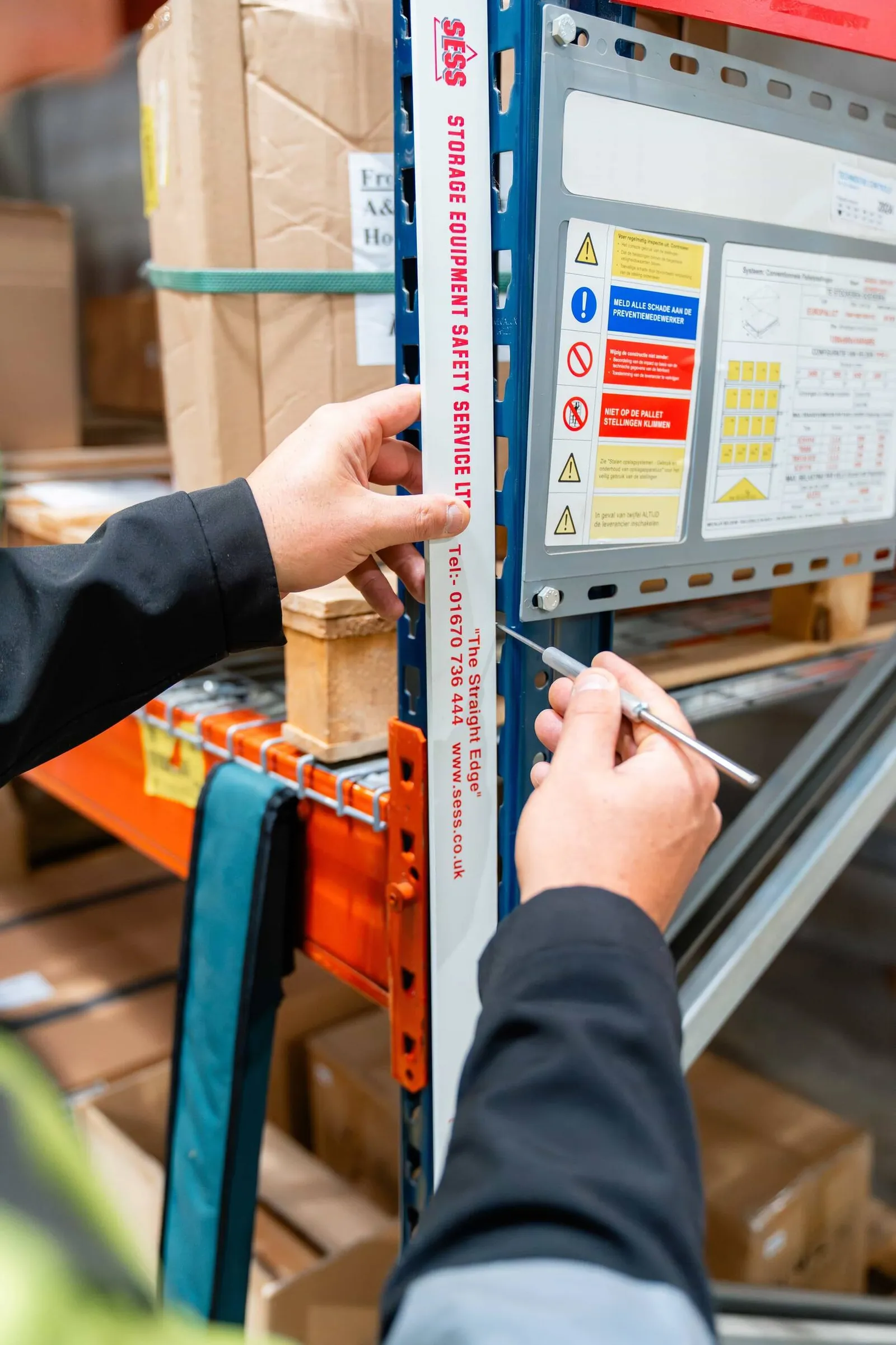
Most of the problems identified are related to impact damage caused by forklifts, overloading or ageing installations. Réginald Hardy also sees a clear shift in the market: “We are seeing warehouses in the Benelux and neighbouring countries increasingly expand their capacity upwards. With rising land and construction costs, a shortage of space and automation, high-bay warehousing is becoming increasingly important.”
“At the same time, we see that employees are not always sufficiently informed about correct loading and safety on higher-level racking. Training, follow-up and inspections therefore go hand in hand. We believe safety is not a one-off project, but an ongoing process. Investing in inspections today means investing in the future of your business.”
Een zakelijke vraag aan SESS Europe? Get in touch
Companies in this story
Keep following this
Get an email when a new story is published. No account needed.
- ThemeMore warehouse space
- SubjectWarehouse equipment & safety
- CompanySESS Europe