Major differences in the quality of plastic impact protection
Text Carolien Klees Beeld A-SAFE
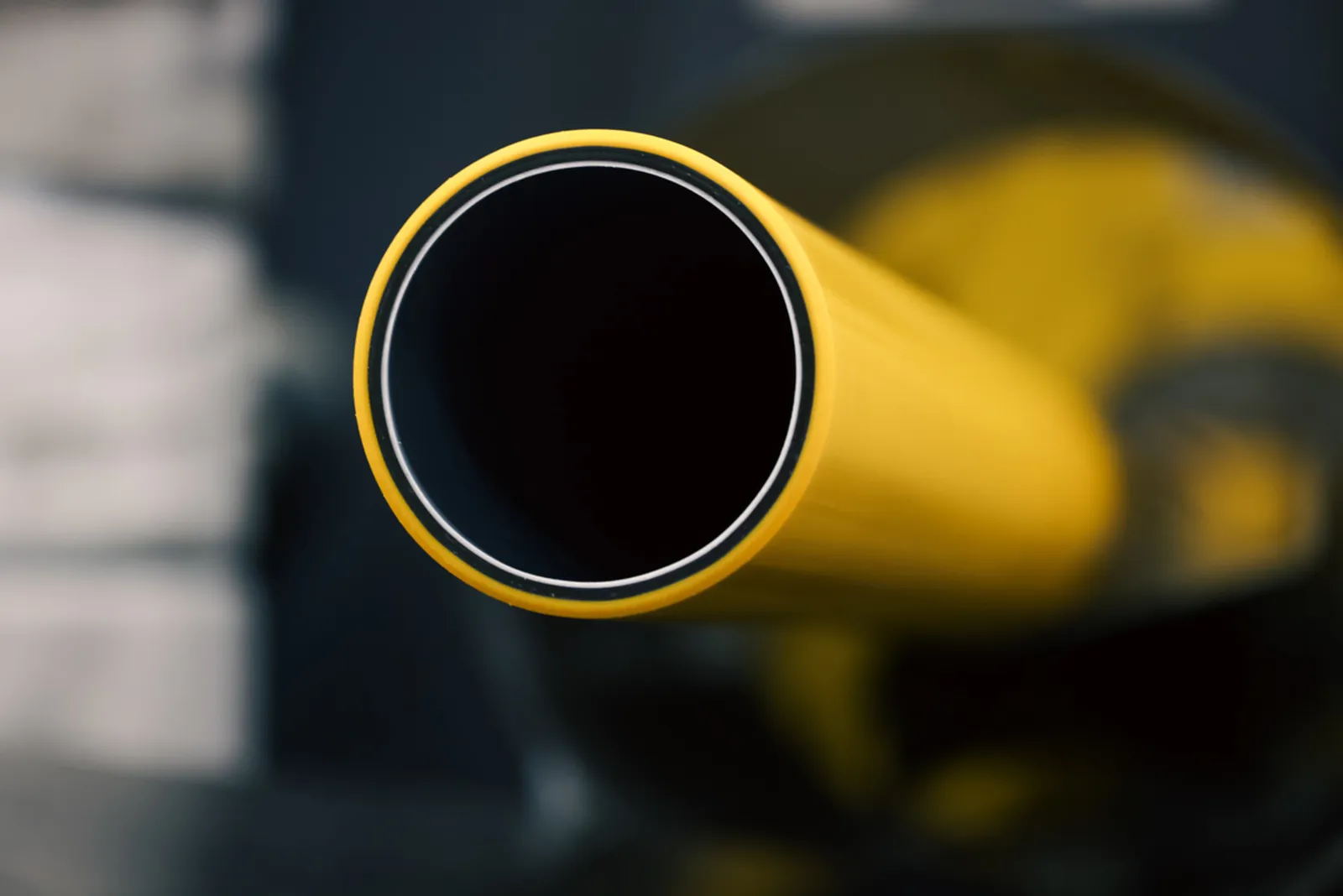
How do you know whether a system is safe?
Impact protection often looks very similar, but the technical differences are significant. There is no quality mark yet, so how can you assess whether a product actually provides the right protection in practice? Who better to ask than Bas Kruysdijk, managing director at A-SAFE Nederland? After all, the company invented plastic impact protection for industrial and logistics environments. “Anyone who wants to prevent safety from becoming a false sense of security needs to look beyond colour, purchase price or an award. Good impact protection starts with the right questions: what vehicle is being used, at what speed, and at what angle could an impact occur? And can you demonstrate that the chosen solution is suited to these risks?”
According to Kruysdijk, people still too often think in terms of generic solutions. “People just say: put up one of those yellow barriers. Then they think the job is done. Of course, I don’t blame them for not knowing what to look out for. But while there is no quality mark, fortunately there are several other things you can keep an eye on.”
In-house facilities
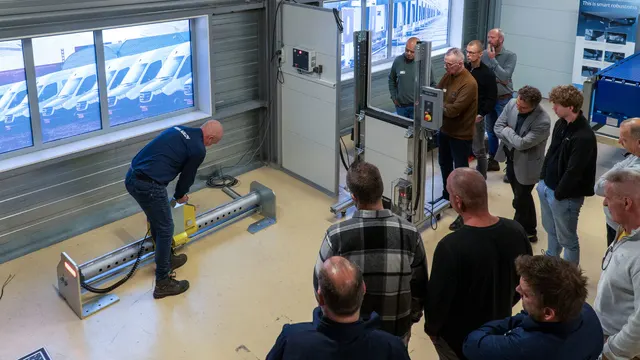
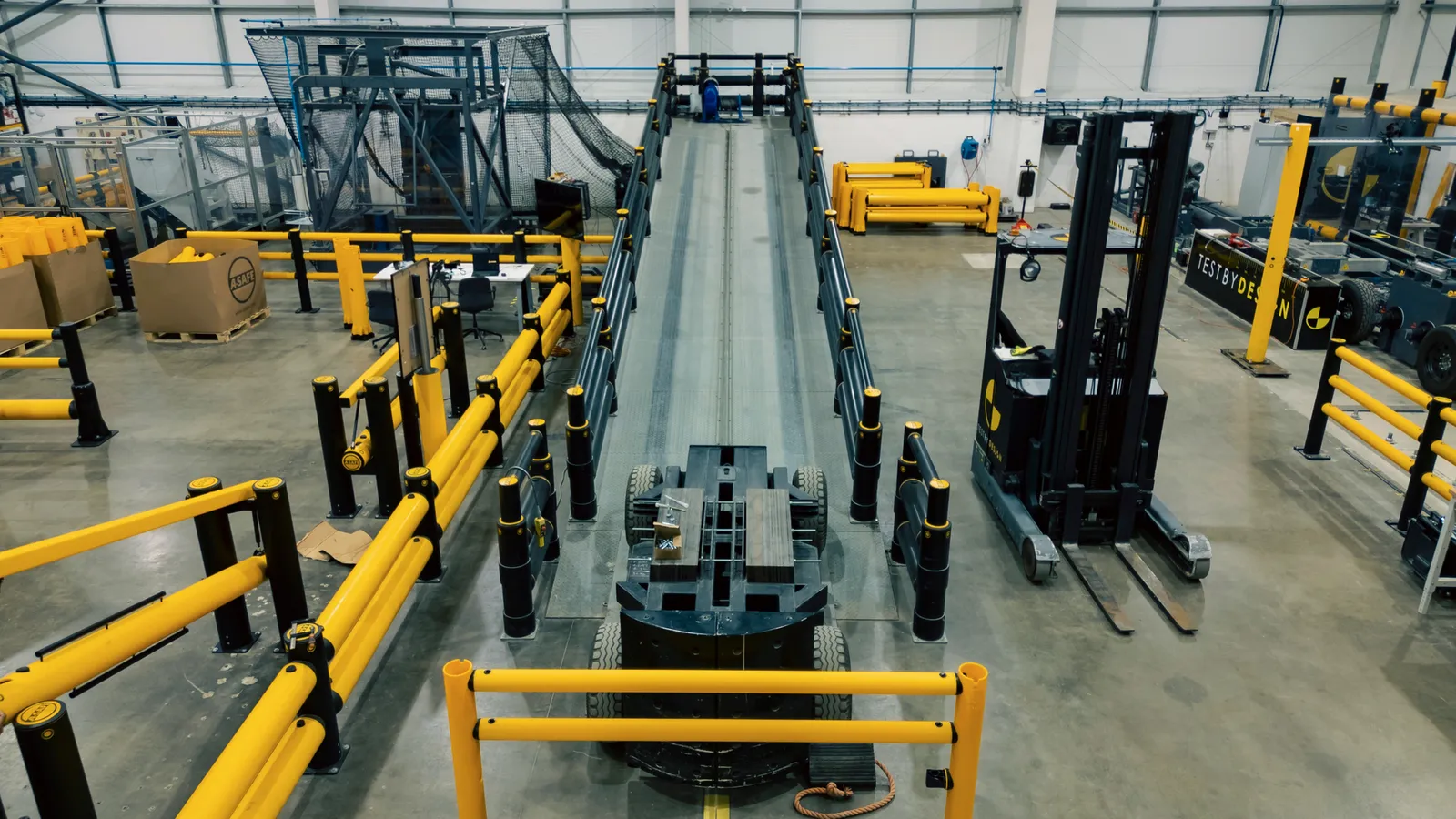
A-SAFE does not work with dealers, but supplies products directly from the factory. With its own R&D department, laboratory and test centre, the process from development and production to advice and application is streamlined. Kruysdijk considers this particularly important because products that appear similar can perform very differently in practice. “With plastic impact protection, appearance tells you very little about its actual protective strength.”
PAS 13
For the same reason, Kruysdijk recommends checking whether products have been tested in accordance with the PAS 13 guideline. The guideline is managed by the British Standards Institution, comparable to NEN/KEMA. PAS 13 sets out the requirements impact protection must meet and how its performance is tested and calculated. TÜV Nord has adopted the guideline.
A standardised test method is crucial, according to Kruysdijk: “Otherwise, you end up with results that cannot be objectively compared.” He draws a comparison with electric cars, where test conditions have a major influence on the stated driving range. “One manufacturer tests under ideal conditions and achieves a fantastic range,” Kruysdijk laughs, “while another uses a more realistic usage scenario. Only a standardised method allows you to compare performance fairly.” That is why A-SAFE tests products not only at its own test centre, but also provides each product with a TÜV Nord certificate.
Science
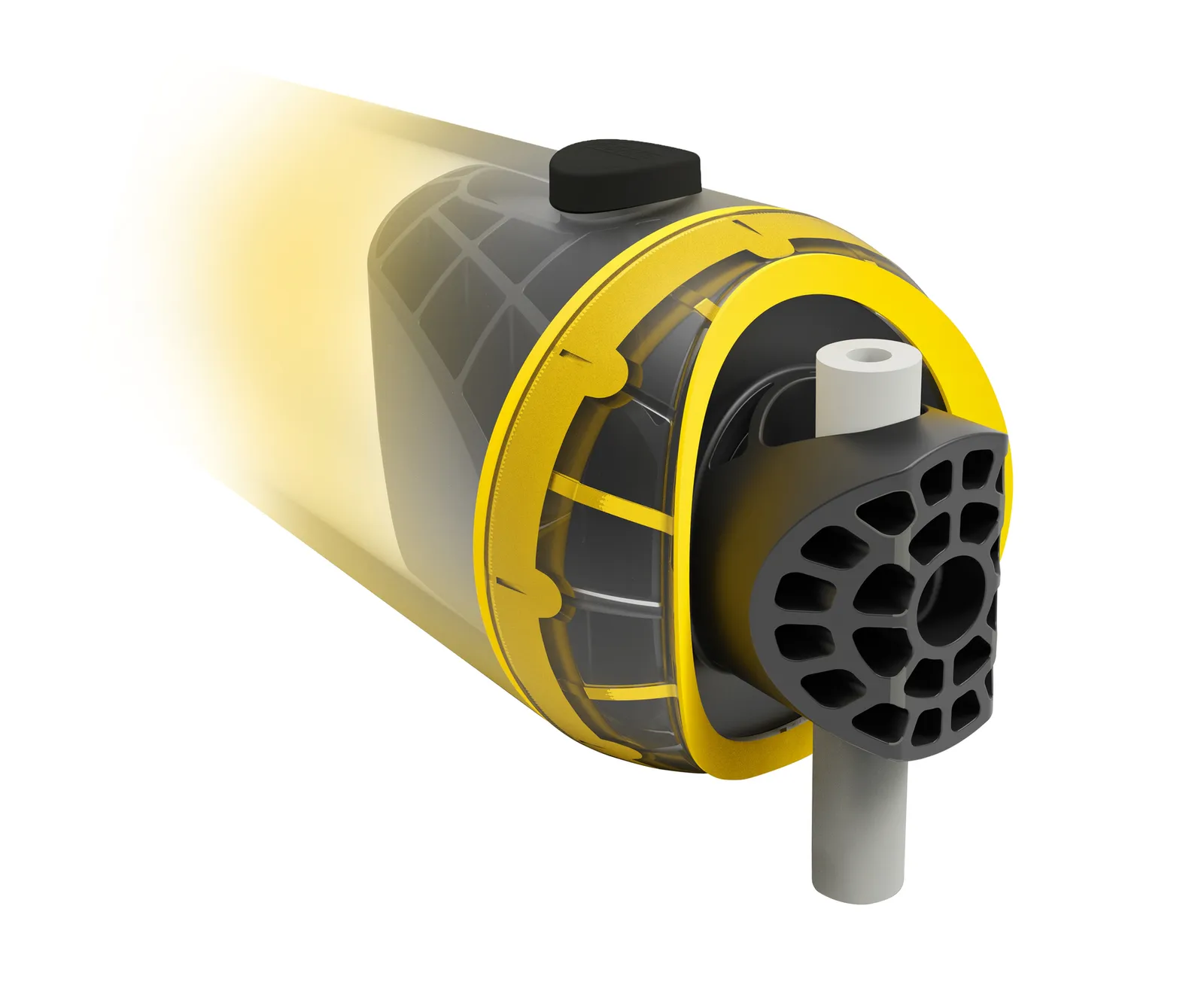
The technical design of the product is another aspect Kruysdijk highlights. A look at the A-SAFE website shows that its materials are underpinned by extensive scientific research. “We use our own three-layer Memaplex™ plastic, developed by polymer scientists.” The patented coupling technology is also unique. “Couplings usually form a weak point in guardrails and barriers, but our coupling actually improves impact strength. In a collision, the rail does not simply come away from the posts, and the structure absorbs more energy. As a result, less force is transferred to the base plate, reducing the risk of floor damage.” This is important, particularly in the food industry, where hygiene is crucial, and it also prevents repair costs and downtime.
False sense of security
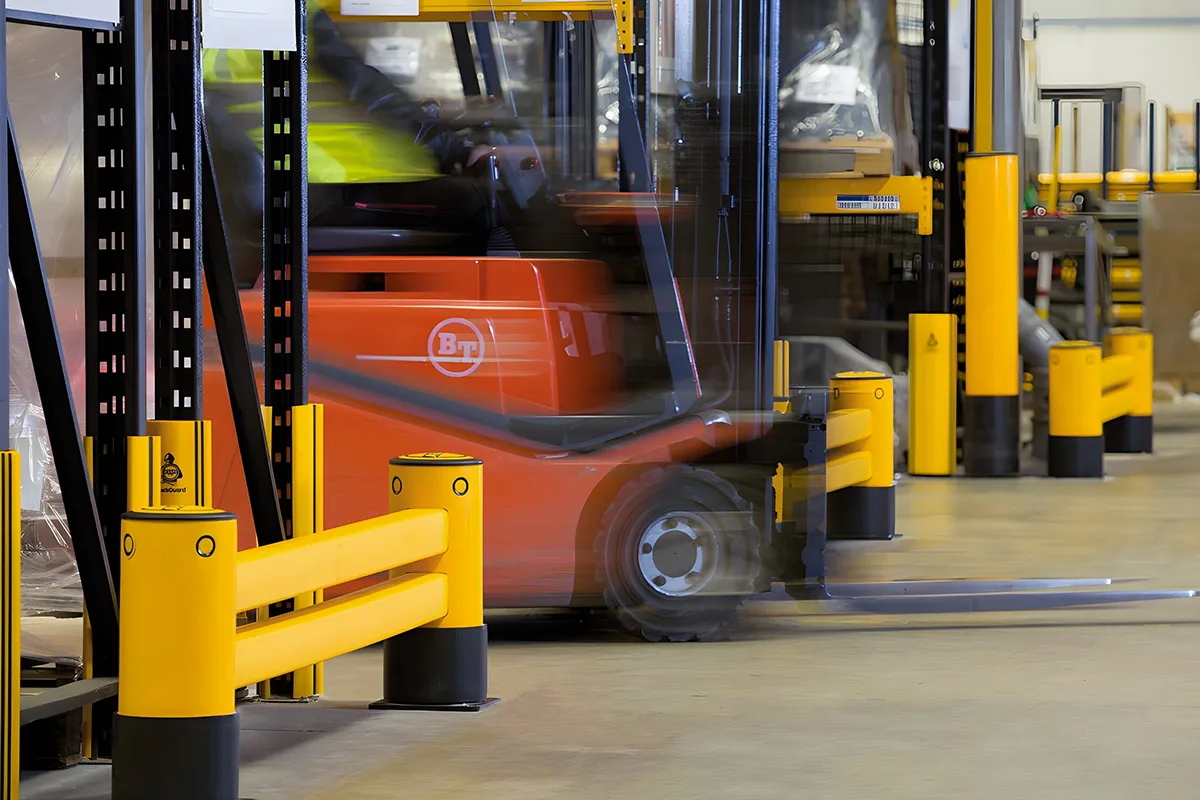
Finally, Kruysdijk warns against a false sense of security: “An award or striking claim does not automatically tell you which standard a product meets. We have won several awards ourselves, of course, but it is the independent test certificates that actually demonstrate that our products provide the right protection.”
A business enquiry for A-SAFE? Get in touch
Companies in this story
Keep following this
Get an email when a new story is published. No account needed.
- ThemeSafe and healthy warehouse work
- SubjectWarehouse equipment & safety
- CompanyA-SAFE