Battery safes keep fires contained rather than preventing them
Text Armand Landman Image Seefion
Safe battery storage and charging
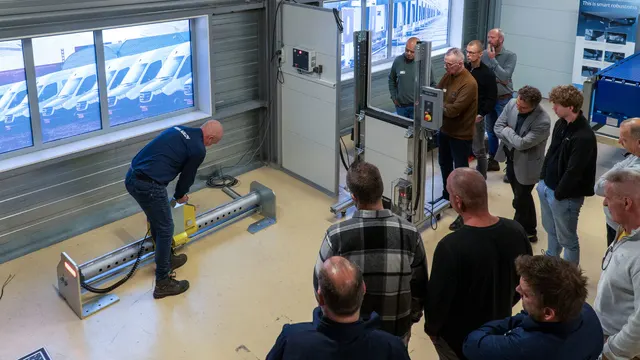
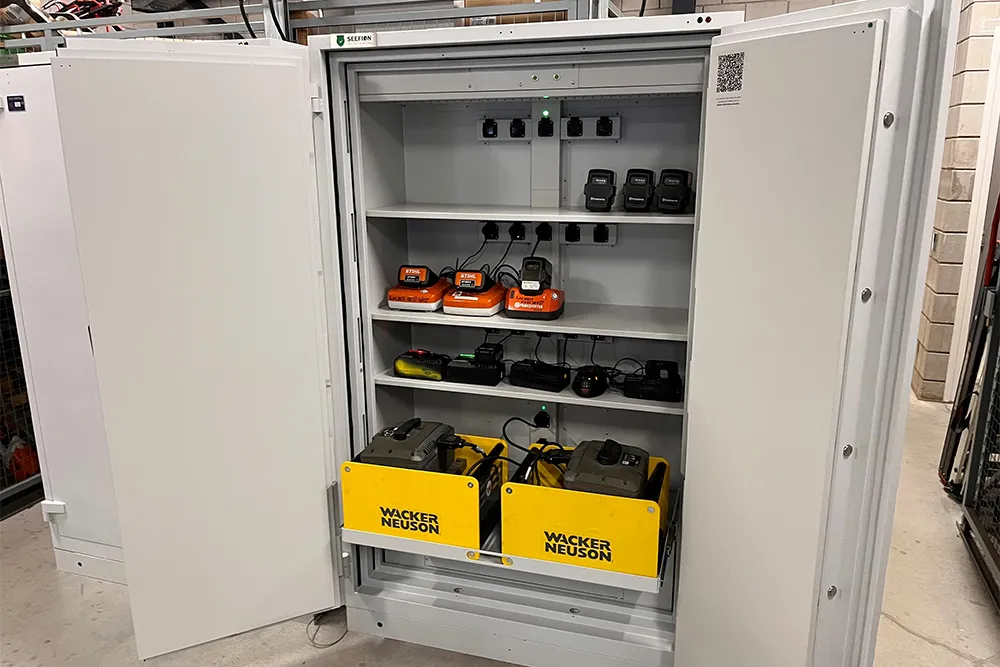
Managing director and founder Remco van Kuilenburg only started Seefion, a manufacturer of fire-safe cabinets for storing and charging lithium-ion batteries, three years ago. In its early years, the cabinets were particularly popular in the green sector and among local authorities, but the company now serves a wide range of other sectors too. Not least the logistics sector.
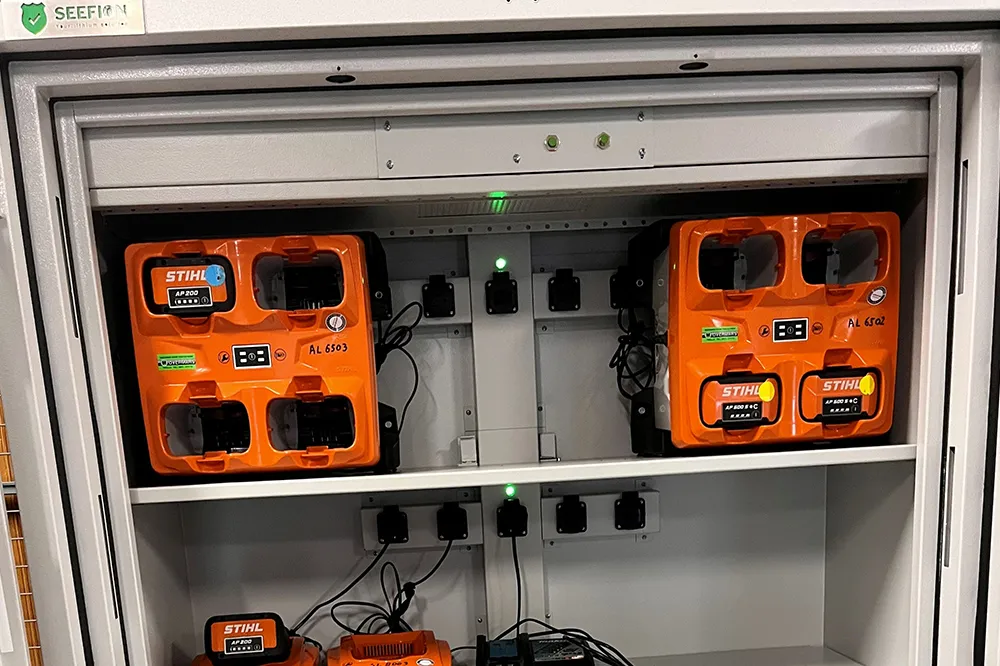
“Where do people not use electrical devices powered by rechargeable batteries these days?”, Remco asks rhetorically. “Li-ion batteries are now an integral part of our society. You find them in smartphones, laptops, gardening tools and electric bikes, among other things. Lithium batteries have an extremely high energy density, which means they can power equipment for a very long time.”
However, the high energy density of lithium batteries also increases the risk of fire or even explosion, Remco explains. “Businesses with several lithium-ion batteries on their premises, charging overnight or in the evening, are at increased risk. That is why I came up with Seefion’s cabinets.”
A crucial difference
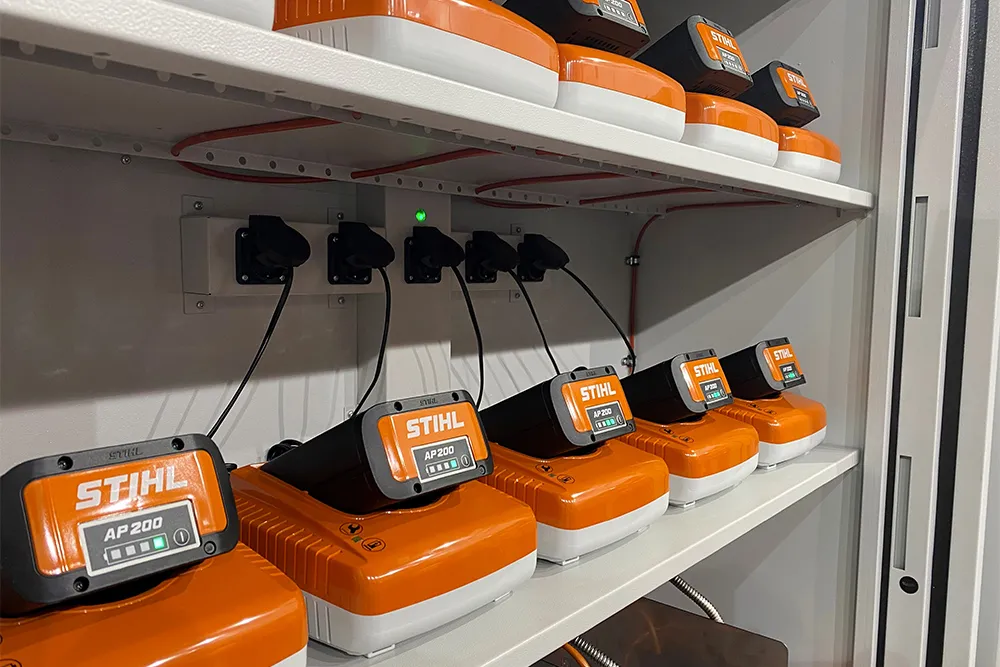
There are other suppliers of central battery charging cabinets on the market, but none can deliver what Seefion promises: eliminating the risk of fire or explosion. This means they meet the strictest laws and regulations, as well as the even tougher requirements insurers impose on such cabinets. Many chemical storage cabinets, which are also sold for this purpose, are designed to keep fire out. Seefion battery safes are designed to contain fire, and even explosions. A crucial difference.
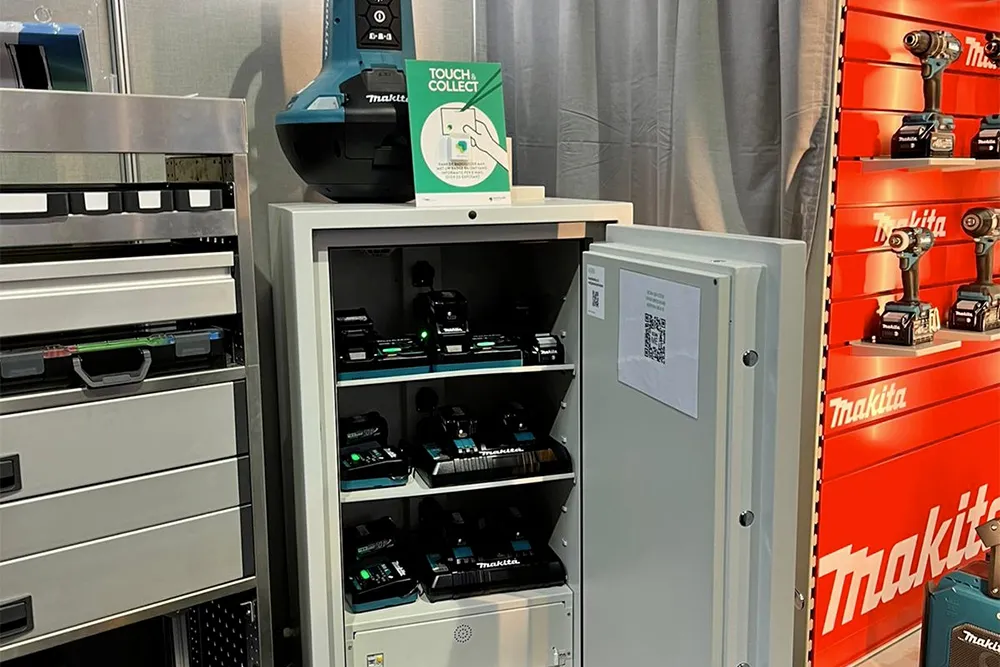
“The PGS-37-2 standard will soon become mandatory,” Remco explains. “It was drawn up specifically for the safe storage of lithium-ion batteries. But insurers already impose even stricter requirements for battery storage than the most stringent standard. Our Seefion-8, -10, -16 and -20 safes, which hold the corresponding number of batteries, meet these strict insurance requirements.”
Pressure build-up
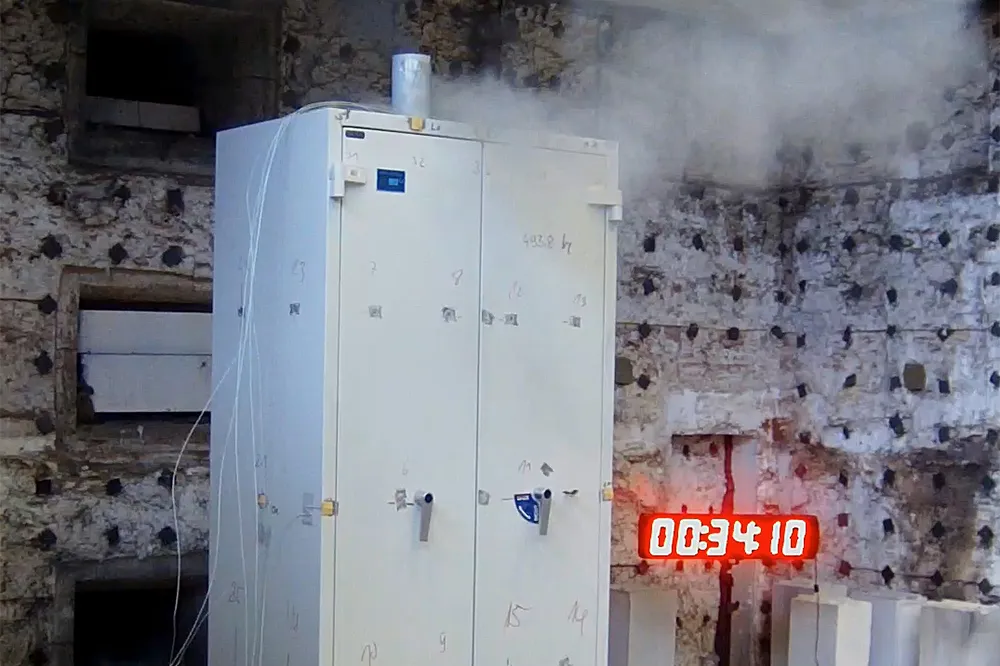
“Our safes really are safes,” he continues. “They are not cabinets whose door ends up on the other side of the building in an explosion. They are designed to withstand pressure building up from the inside. Even then, the doors stay shut and in place thanks to the multi-point locking system. This matters because Li-ion batteries are at their most vulnerable when connected to a charger. It is no coincidence that a battery fire occurs somewhere almost every day. With our safes, you can prevent your entire building from burning down in such a situation.”
And this has not gone unnoticed. In the green sector, where electric tools are increasingly used, Seefion safes have already been installed in many business premises, as they have in the construction industry. Local authorities are also increasingly getting in touch with Remco.
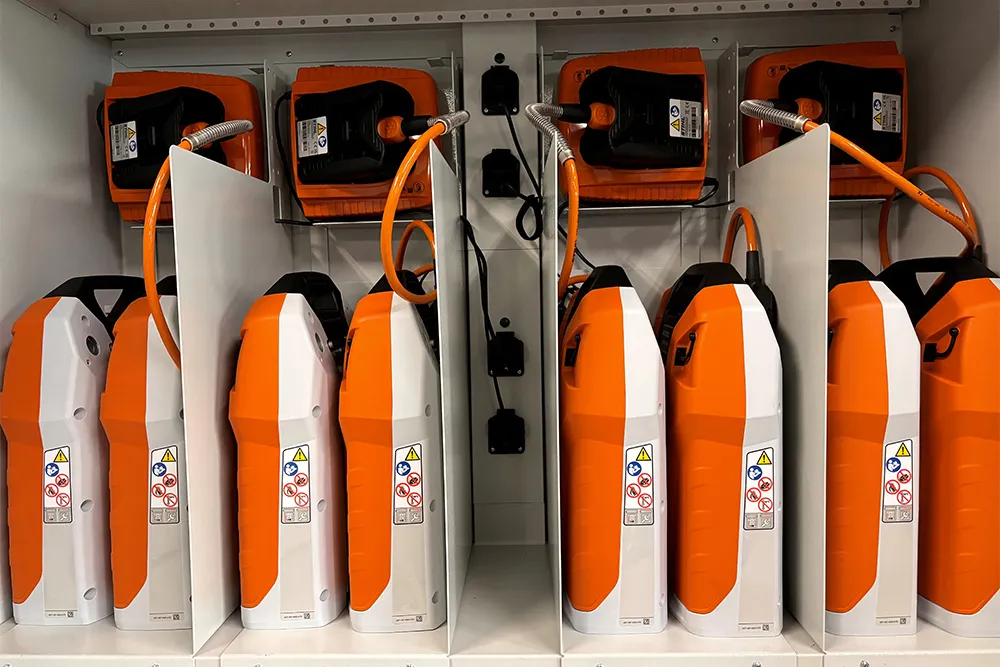
“The municipality of Den Haag has our safes at nine different locations belonging to its Municipal Public Space Management department, and I have just signed an agreement with Amsterdam to supply 32 battery safes. There is also a lot of interest from the broadcasting industry, and of course there is strong demand from the logistics sector. In fact, anywhere batteries are used and need to be charged, and where isn’t that?”, Remco laughs. “Another major advantage of Seefion battery safes is that they are modular. You can connect several together, and the interior layout is flexible too, so different types and sizes of batteries can be stored and charged at the same time.”
As well as providing safety, Seefion battery safes also allow charging to be scheduled and carried out in stages. This prevents power peaks and benefits the warehouse’s electrical installation as a whole.
Question about this story? Ask your question
Keep following this
Get an email when a new story is published. No account needed.
- SubjectWarehouse equipment & safety