












Willy Naessens Industriebouw goes all in on the redevelopment of ageing industrial sites
Text Geert Van Cauwenberge Beeld Willy Naessens Industriebouw
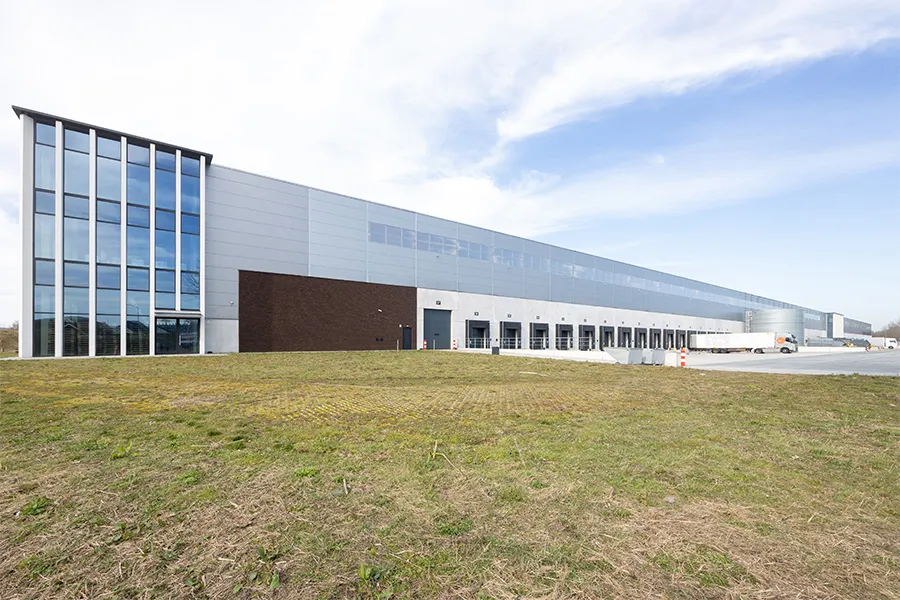
A wave of redevelopment is sweeping through Belgium’s logistics sector. Old industrial sites, once symbols of economic prosperity, are being given a second life as sustainable logistics hubs. “Redevelopment is not a nostalgic exercise,” says Luc Ysebaert, commercial director at Willy Naessens Industriebouw. “It is the key to a resilient, forward-looking industry. We are not just rebuilding, we are building better.”
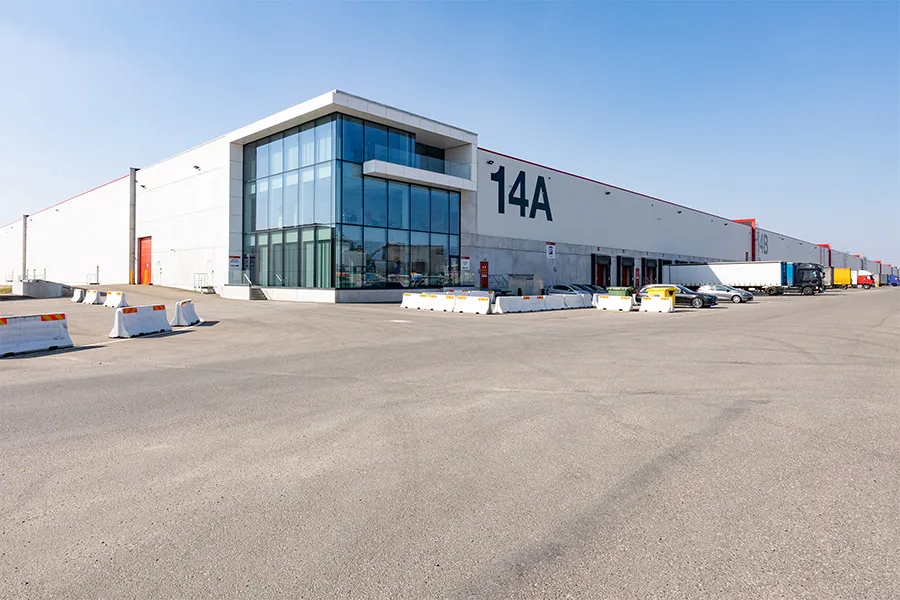
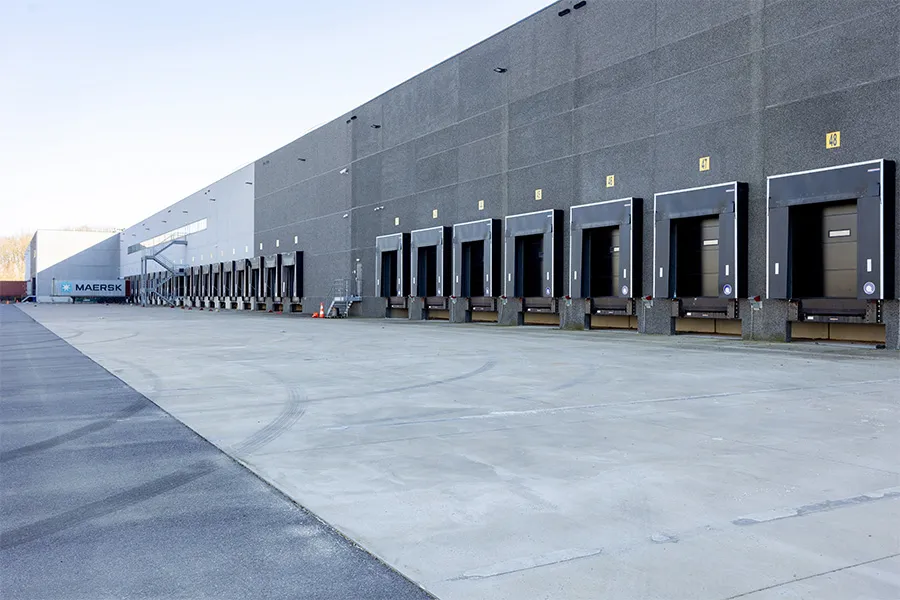
One of the finest examples is the former Ford site in Genk, now known as Genk Green Logistics. Once the centre of Limburg’s car production, it is now a thriving logistics ecosystem. Willy Naessens Industriebouw built 100,000 square metres of logistics space there for H.Essers, among other work. The site was given a new lease of life with a container terminal on the Albert Canal, a 430-metre quay wall and an iconic gatehouse that symbolises the future.
“The beauty of a project like this is that industrial heritage is not erased, but reinvented,” says Luc Ysebaert. “We reused materials while also depaving 30 hectares. This creates a green, sustainable environment ready for the next generation of logistics.”
This approach typifies Willy Naessens Industriebouw’s redevelopment philosophy: circular construction, rethinking spatial planning and working with public and private partners. “It is not a sprint,” says Ysebaert. “Redevelopment projects require vision and collaboration. But the returns, socially, economically and environmentally, are enormous.”
Blue Gate Antwerp: from petroleum to circular pioneer
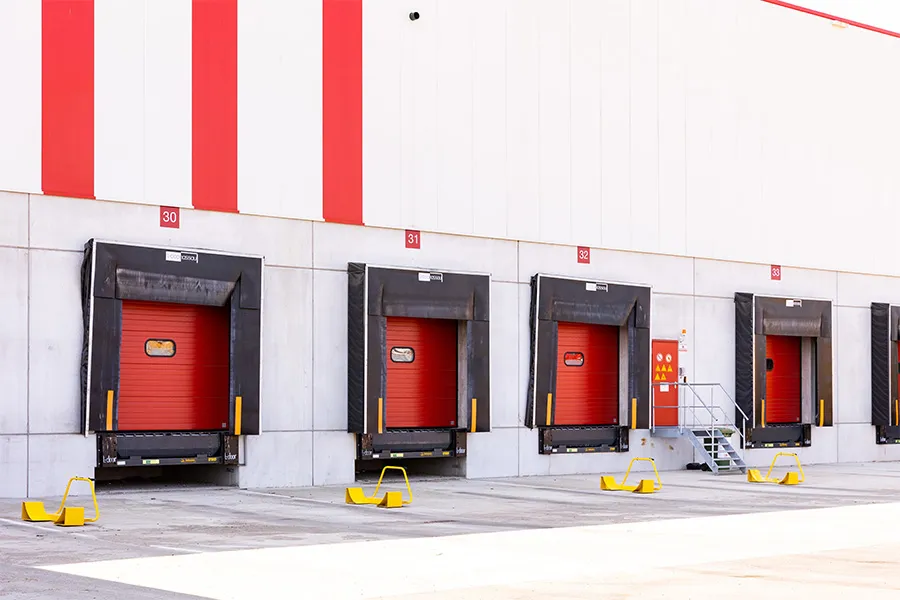
Redevelopment is also showing its potential in the Antwerp region. Where the polluting petroleum industry once thrived, Blue Gate Antwerp is now taking shape as a showcase for climate-neutral, circular construction. Projects have been completed for global players such as Amazon and DHL.
“Blue Gate is a prime example of what redevelopment can mean for a city and its port,” says Ysebaert. “Contaminated land is being remediated, new economic activity is flourishing, and at the same time we are creating thousands of jobs in an environment that promotes circular collaboration between companies.”
The project also illustrates the urban dimension of redevelopment: logistics and industry are moving closer to the city, but in a way that enhances quality of life. Green spaces, cycle paths and heritage preservation are integral to the plan.
A new future for industrial relics
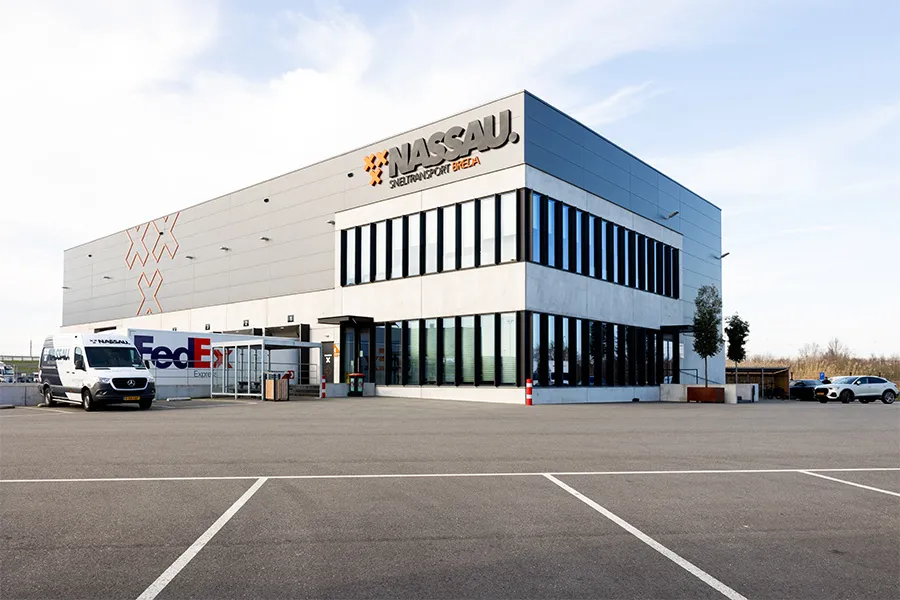
Alongside large-scale projects, Willy Naessens Industriebouw is also focusing on smaller redevelopment schemes. Luc Ysebaert says: “We demolish ageing factory buildings that no longer meet the requirements of modern logistics and replace them with energy-efficient, future-proof complexes.”
A larger-scale example is the GM site in Antwerp, which is being redeveloped as the NextGen District. The 88-hectare site is set to become a hotspot for circular process and manufacturing industries, with space for both established companies and start-ups. “Here too, the focus is on future-oriented business activity,” says Ysebaert. “We recycle materials from the old factory and literally build on the past to enable sustainable growth.”
Makro sites: redevelopment with vision
The latest and most ambitious redevelopment initiative is the transformation of the Makro sites, in collaboration with Colruyt Group Real Estate and LCV Real Estate, the property arm of the Naessens construction family. Over the coming years, entirely new zones will be developed on six former retail sites, bringing shops, offices and industry together in harmony.
“These sites are in excellent strategic locations,” Ysebaert confirms. “By replacing their ageing infrastructure with sustainable buildings, we will ensure they remain in use for decades to come. That is redevelopment in the broadest sense: creating value where it was at risk of being lost.”
Redevelopment as a building block for sustainable logistics
Luc Ysebaert is clear: redevelopment is not a trend, but a necessity. “We need to use scarce space more efficiently, make smarter use of materials and reintegrate our industry into society. That is exactly what we do at Willy Naessens Industriebouw.”
Question about this story? Ask your question
Keep following this
Get an email when a new story is published. No account needed.
- ThemeLogistics property that grows with you
- SubjectGeneral







