












Warehouse design and safety in 2026
Text Kris Vandekerckhove Beeld Diverse
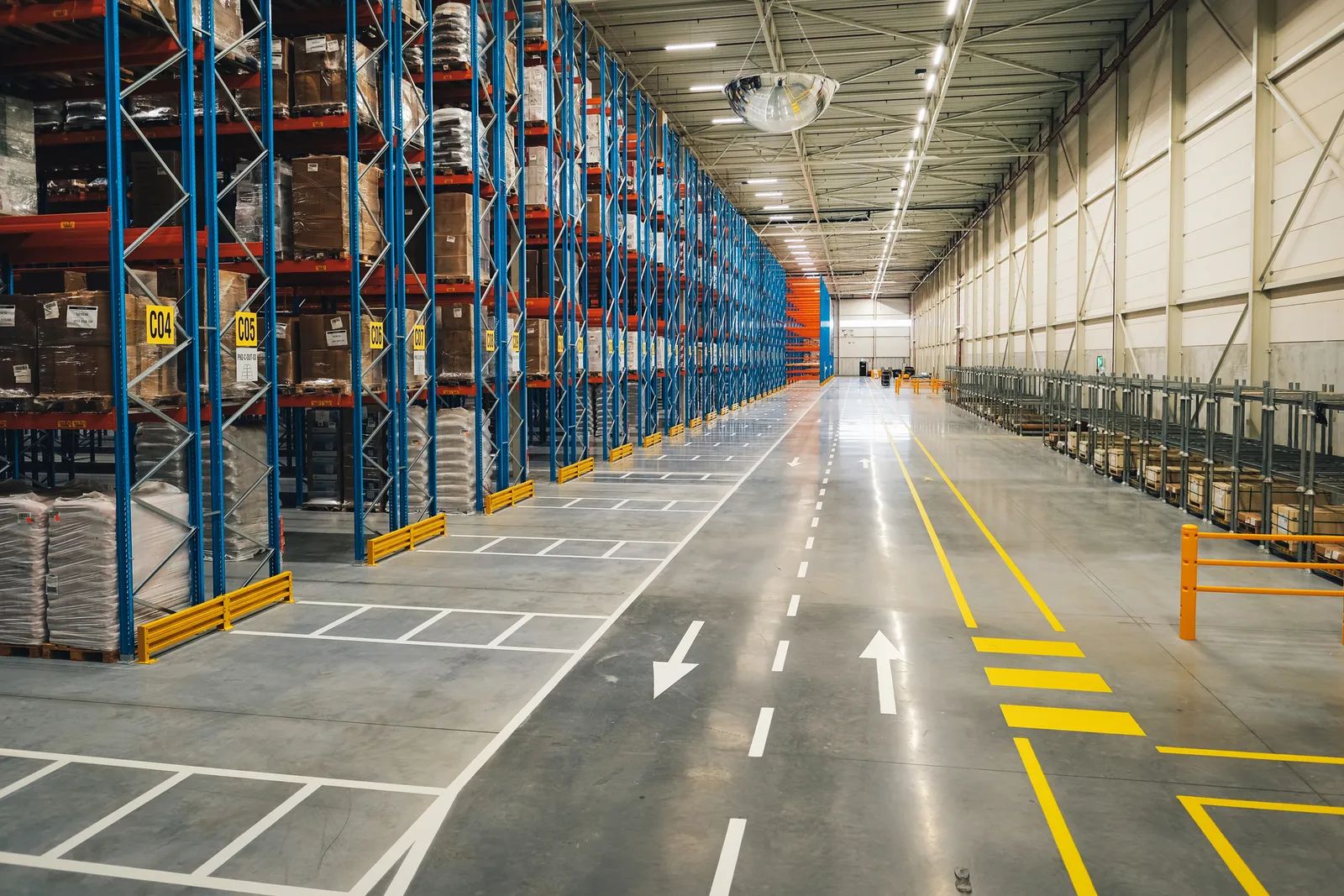
Thoughtful design for a smart warehouse
Whereas warehouses were once designed primarily to maximise storage capacity, 2026 brings a broader challenge. Safety, flexibility and technology are inextricably linked. The growing use of automation, the shortage of skilled staff and tighter legislation and regulations are forcing companies to rethink their warehouse design. To stay ahead, businesses today must not merely identify safety as an area of concern, but embed it in every detail of the design.
A safe warehouse is not created by adding measures later, but by planning its layout carefully from the outset. In modern warehouses, the movement of people and materials-handling equipment is separated as far as possible, with logical walkways, clearly marked zones and well-organised intersections. Digital design tools and simulations make it possible to identify bottlenecks and mitigate risks during the design phase. This avoids having to rely later on temporary solutions that increase complexity and confusion on the warehouse floor.
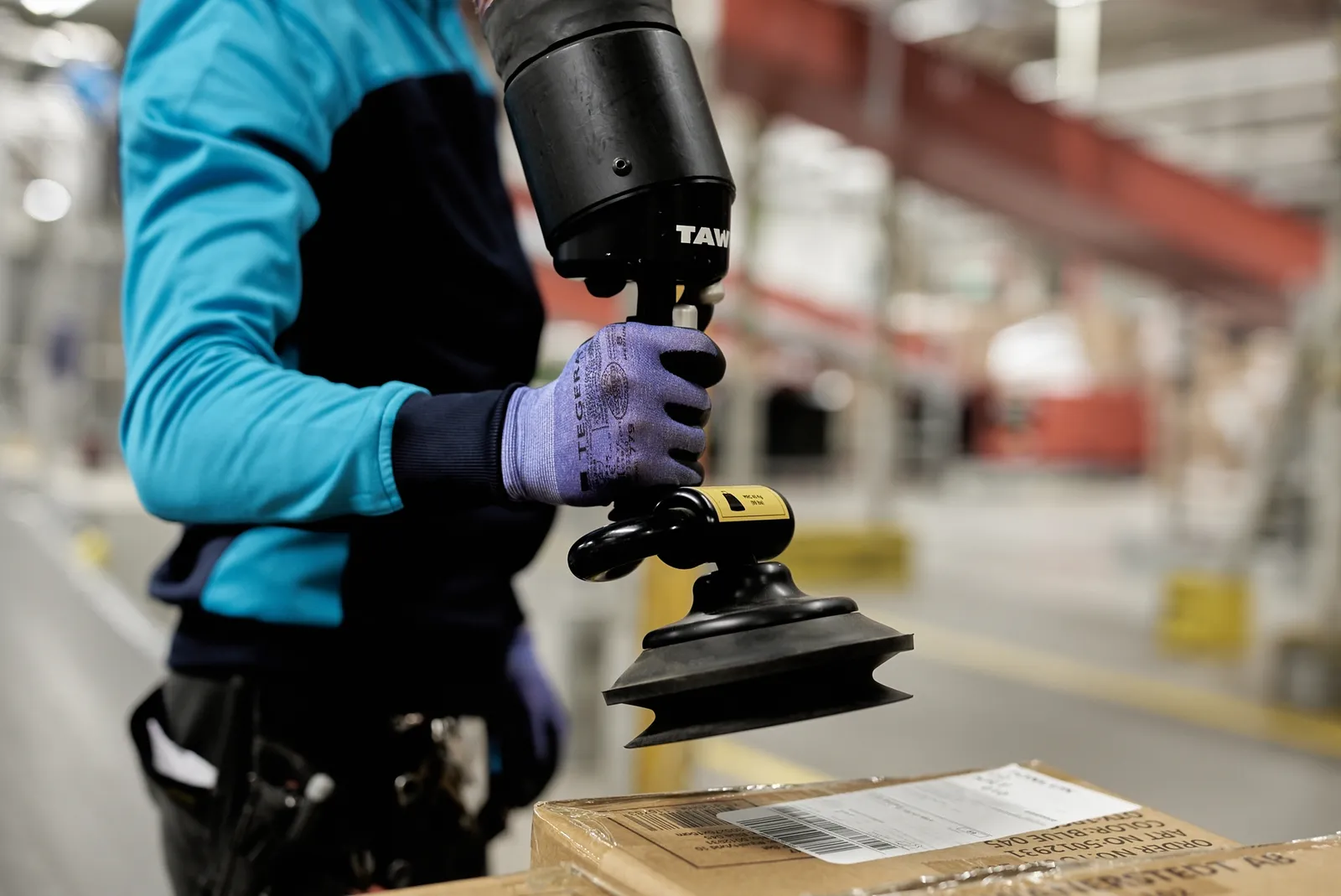
Putting people at the heart of an automated environment
Although automation is becoming more widespread, people remain a crucial link in the warehouse. In 2026, the focus is firmly on ergonomics and support. Adjustable picking stations, lifting aids and exoskeletons reduce physical strain and help employees remain fit for work over the long term. Collaborative robots take over repetitive tasks, but are designed to work alongside people rather than replace them entirely. Warehouses that introduce technology without giving sufficient attention to training and acceptance risk running into safety and efficiency problems.
Smart technology as a safety net
Technological innovations are playing an increasingly important role in improving safety. AI-powered camera systems identify risky situations, such as unexpected movements or unusual vehicle behaviour. Sensors on forklifts and autonomous mobile robots automatically adjust speed and routes in response to congestion or obstacles. Wearables are also gaining ground, alerting employees to hazardous zones or fatigue. At the same time, there is growing recognition that ageing racking, floors and loading docks have no place in a modern safety policy. In 2026, regular maintenance and digital inspection reports are becoming the norm.
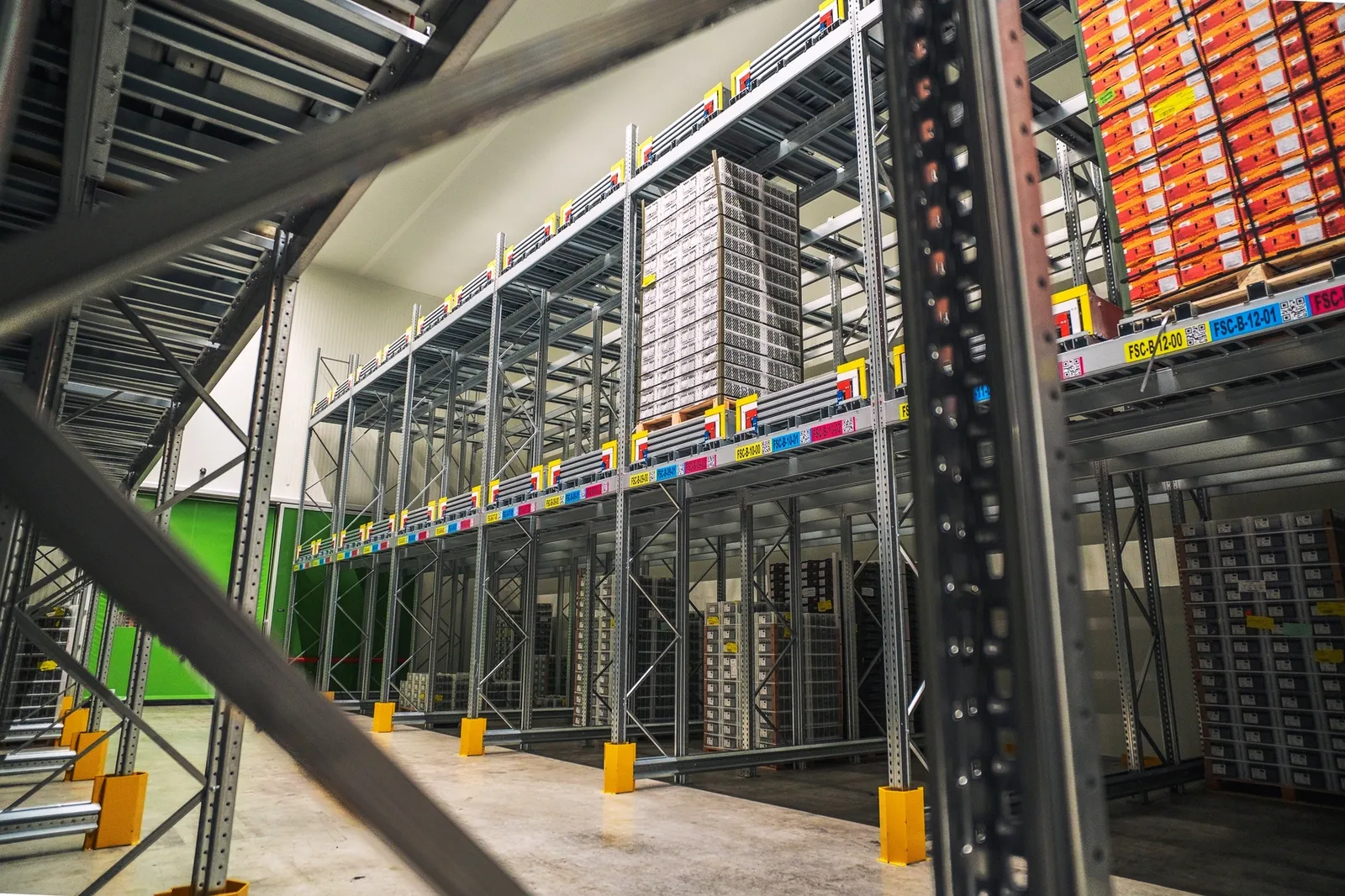
Flexibility prevents unsafe improvisation
The changing demands of logistics chains call for warehouses that can adapt easily. Modular racking, movable safety barriers and scalable automation solutions make it possible to adjust layouts without compromising safety. Rigid layouts designed for a single fixed scenario often lead to makeshift solutions when volumes or product types change. Such improvisation increases the risk of accidents and inefficiency.
Innovations setting the standard
Digital twins are increasingly being used to test warehouses virtually and optimise them continuously. Predictive safety solutions analyse data from sensors and systems to forecast accidents and intervene preventively. Smart LED floor markings adapt dynamically to traffic conditions, while autonomous mobile robots operate safely in mixed environments thanks to advanced obstacle detection. These innovations make safety measurable and proactive.
Question about this story? Ask your question
Keep following this
Get an email when a new story is published. No account needed.
- ThemeMore warehouse space
- SubjectGeneral







