












Roundtable discussion: how do you create a smart and safe warehouse?
Text Roel van Gils Beeld Flexbarrier, Groenewout, Gobotty, Vanas Engineering
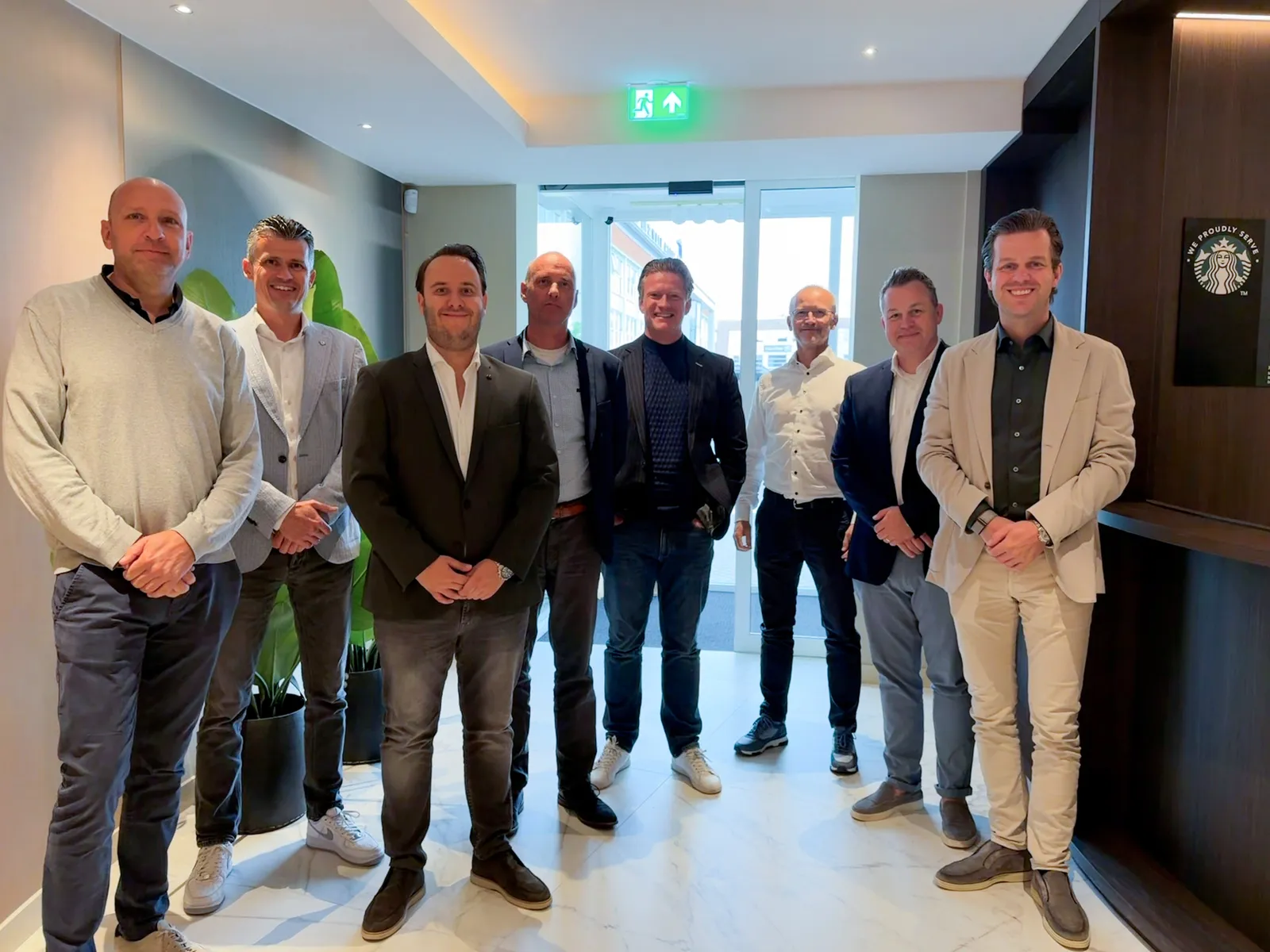
From strategy to implementation
The pressure on warehouses is increasing. Organisations need to deliver faster, are struggling with staff shortages and are investing heavily in automation. At the same time, safety, flexibility and scalability are becoming increasingly important. But how do you make the right choices? Where do you start? And how do you prevent technology investments from creating new risks? Warehouse & Logistiek organised a roundtable discussion to address the central question: how do you create a smart, scalable and safe warehouse that is ready for the future?
Warehouse automation is developing at breakneck speed. Robots, autonomous vehicles, artificial intelligence and advanced storage and picking systems are transforming the logistics sector. Whereas automation used to be primarily about efficiency and cost savings, much more is at stake today. Companies are looking for solutions to staff shortages, space constraints, stricter regulations and ever-higher demands for safety and productivity.
Yet in practice, the experts around the table say, successful automation depends far less on technology than is often assumed. The biggest challenges lie with the people, processes and data behind the technology, they say.
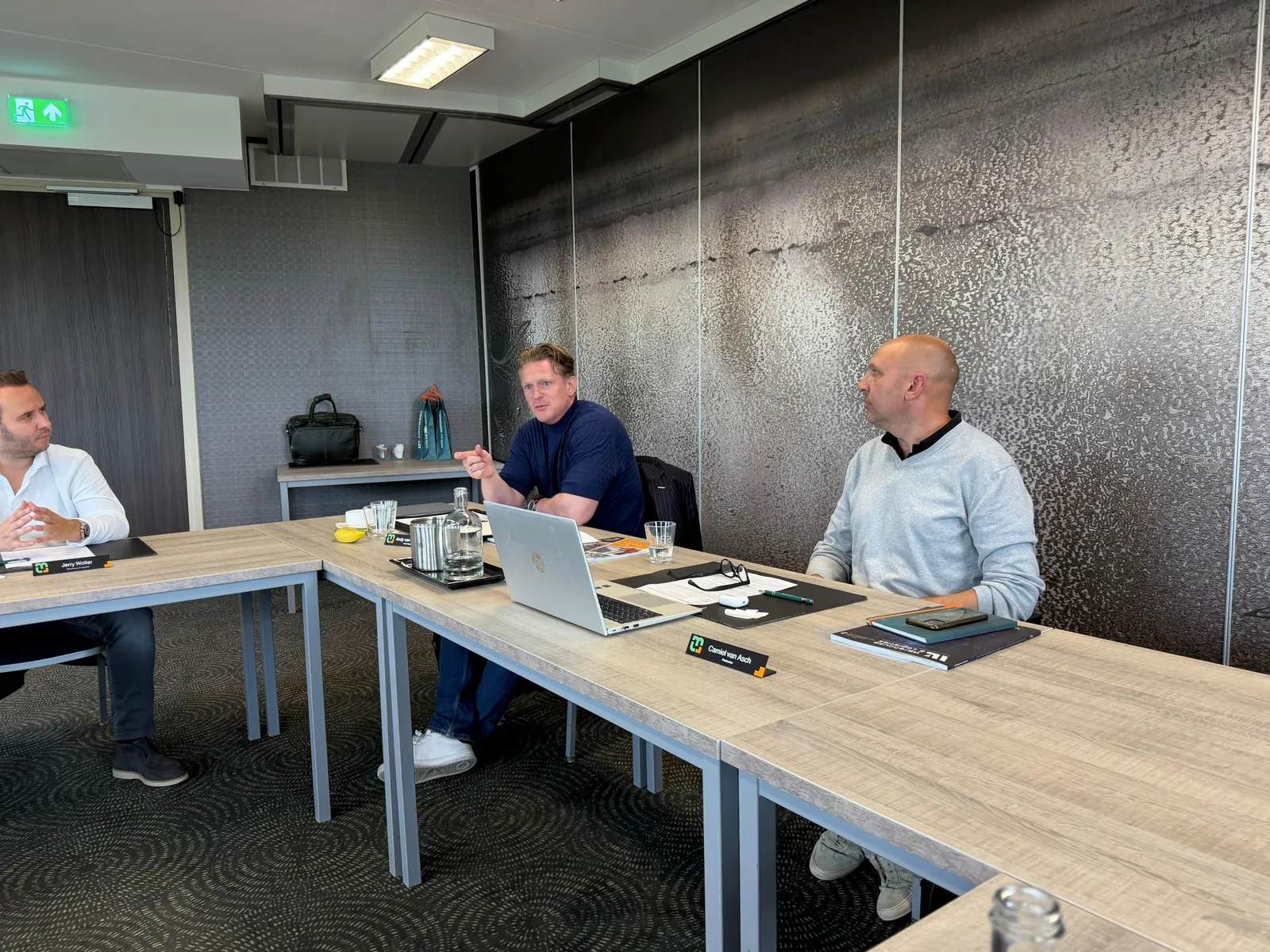
The biggest mistake? Trying to automate too quickly
Many automation projects arise from an urgent need. There is a staff shortage, the warehouse has outgrown its space, or productivity needs to increase. The temptation is then to choose a technological solution quickly. According to the experts, this is precisely where things often go wrong. Companies invest millions in new warehouses, robots and software, while the underlying data is not sufficiently in order. Not only operational data such as volumes and storage capacity matter, but especially master data. Product dimensions, weights, packaging details and process information form the basis of every automation solution.
When this information is missing or proves unreliable, delays and extra costs arise, and sometimes a brand-new warehouse cannot be brought into operation for months. Successful automation therefore starts not with technology, but with an integrated master plan that brings together processes, data, employees, space utilisation and future growth.
Safety is becoming increasingly important
Automation offers many safety benefits. Modern autonomous mobile robots (AMRs) are equipped with sensors, scanners and intelligent software that virtually eliminate collisions. As a result, the number of incidents is considerably lower than with traditional forklift trucks. However, safety risks do not disappear completely. In fact, the greatest risks are often found precisely where people and machines meet. Around order-picking stations, packing areas and transfer points, a dynamic environment emerges in which employees, electric pallet trucks and forklift trucks constantly interact.
These transition areas are difficult to cordon off completely. Employees need to be able to move freely, while material-handling equipment must continue to operate efficiently. This makes these zones the most vulnerable areas in modern warehouses.
Behaviour also plays an important role. Fatigue, routine and time pressure make employees and drivers less alert. The risk of unsafe situations increases, especially in large distribution centres where many temporary workers are employed. Technology can help here, the experts note. Examples include smart safety systems that recognise people, safety vests with transponders, automatic speed limiters and vehicles that brake independently when an employee comes too close. The technology already exists, but is not yet used everywhere because, however distressing it may be, cost is often given greater weight than maximum safety.
The human factor remains decisive
One striking conclusion from many automation projects is that technology is rarely the biggest challenge. People are. New systems require new ways of working. Employees have to let go of processes they may have carried out for years. In practice, this proves much more difficult than installing a robot or software package, according to the experts. Employees are often involved at the start of a project, but then disappear from view. By the time the system goes live, one or two years may have passed. The change then feels sudden and far-reaching. Companies that actively involve employees throughout the process generally achieve better results. Visualisations, simulations, pilot set-ups and training help build support.
People gain a better understanding of what is changing and are more likely to see the benefits of new technology. This matters, because many automation projects fail not because of the technology, but because users fall back on old ways of working.

The rise of AI
Artificial intelligence is playing an increasingly important role in logistics automation. AI is used for analysis, design optimisation, route planning and improving operational processes. Robots are also becoming smarter. By analysing historical data, systems can recognise patterns and anticipate situations that occur regularly. Examples include predicting traffic flows within a warehouse or adjusting routes based on human movement.
At the same time, there is a note of caution. AI is only as good as the data on which the system is trained. If the underlying information is incomplete or incorrect, the results will be unreliable too. This makes the management of high-quality data increasingly important.
Automation is changing the work
Discussions about automation often focus on jobs that will disappear. In reality, the nature of work is changing above all. Simple, repetitive and physically demanding tasks are increasingly being automated. This applies, for example, to transport movements, order picking and packing processes. At the same time, demand is growing for employees who manage, analyse and optimise systems. Tomorrow’s logistics worker will carry out less operational work and spend more time on technology, process control and data.
Yet a challenge remains. Many warehouses still have tasks that offer little variety and are highly repetitive. In large distribution centres in particular, the working environment can sometimes leave employees functioning mainly as an extension of the system. New developments, such as ‘humanoid robots’ (a hot topic at the latest LogiMAT), could eventually bring about change. Although this technology is still in its infancy, the experts expect such robots to play an important role within five to ten years in warehouses where flexibility and human tasks are still necessary.
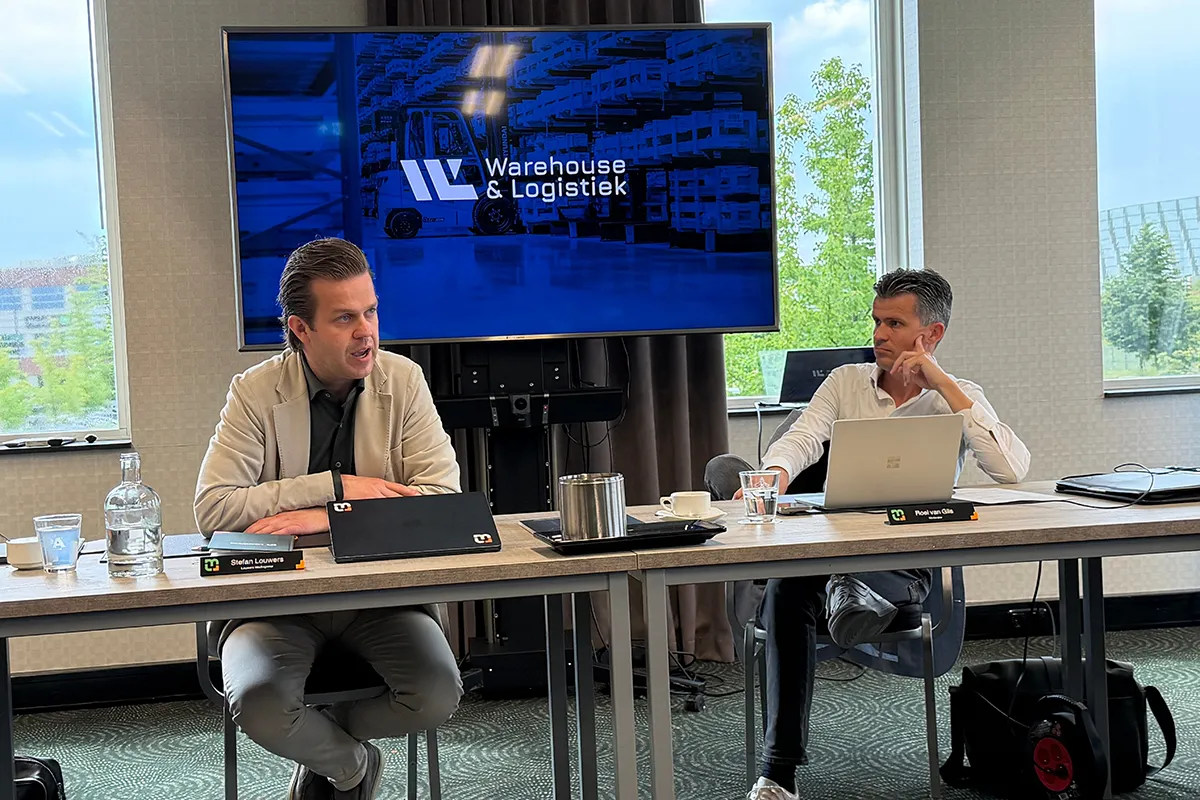
Start small, think big
Whereas automation projects used to often involve large, all-encompassing investments, the market is now increasingly shifting towards modular solutions, the experts around the table stress. Start small, limit the risks in this way, and then expand step by step. This makes projects easier to manage and increases the likelihood of successful implementation. At the same time, it remains essential to take a long-term view. Even when automating just one process, future expansion must already be considered. Only then can an integrated system be created that can grow with the organisation.
The warehouse of the future
So what will the warehouse of the future look like? If the experts are to be believed, it certainly will not be fully unmanned. People will continue to play a crucial role, although their work will change significantly. Robots, AI and automation will take over more and more routine tasks, while employees focus on supervision, optimisation and decision-making. Finally, bear in mind that the most successful organisations are not necessarily those with the most advanced technology. They are the companies that know how to combine technology, safety, data and human behaviour effectively. Ultimately, it is not the robot that determines the success of a smart, safe and future-proof warehouse, but the way people and technology work together.
The participants

Camiel van Asch, Flexbarrier
Camiel is Managing Director and owner of Flex-barrier, the specialist in impact protection. We also offer line marking and safety barrier solutions. In this way, we help companies improve safety in the workplace, indoors and out. We protect employees, limit damage to equipment and prevent costly downtime in logistics and industry in the Netherlands and Belgium.
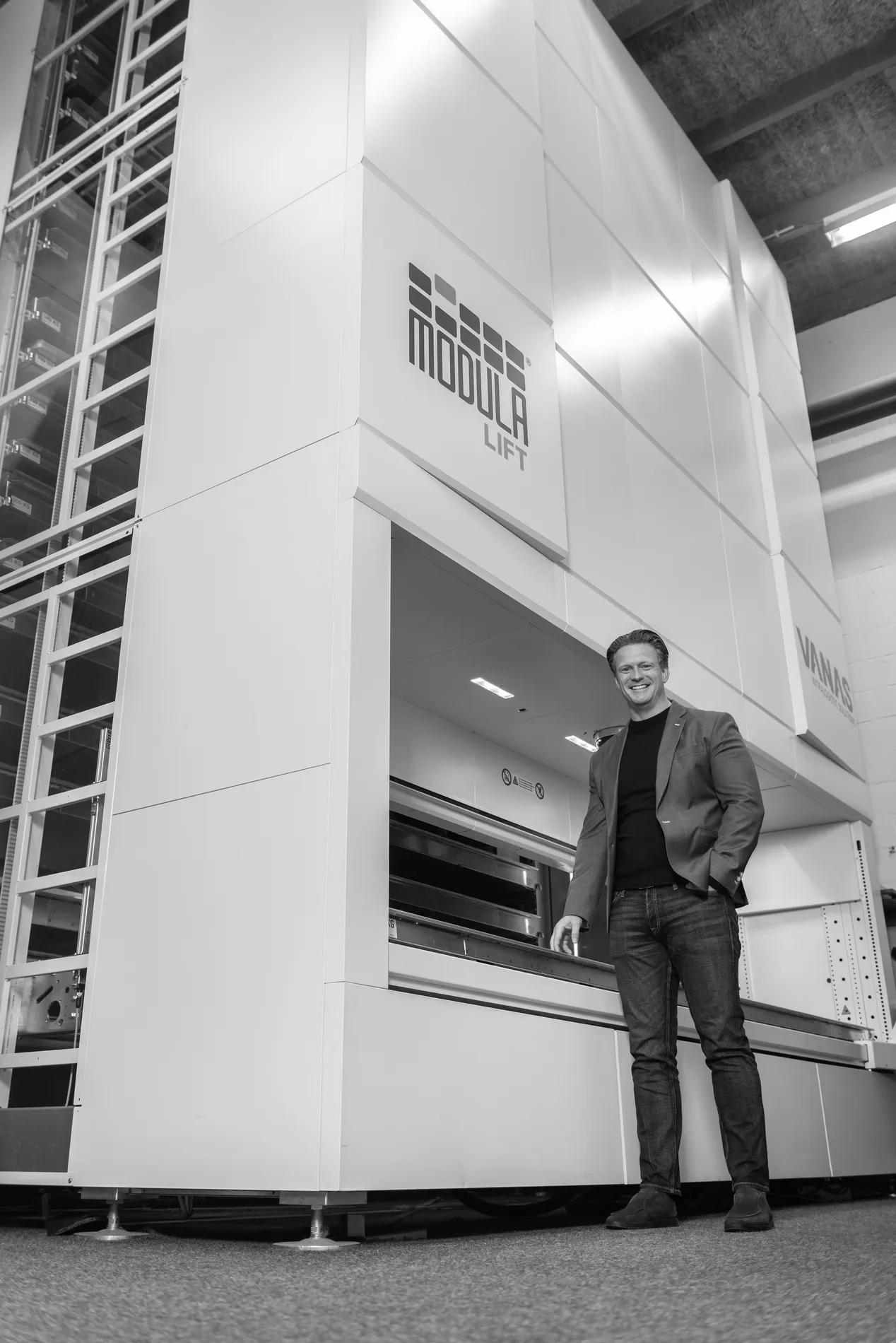
Andy van Mieghem, Vanas Engineering
Andy is steeped in warehousing and storage. In
20 years, he has worked his way through every part of Vanas Engineering and today leads the company as Managing Director. His conviction is that strong logistics does not require maximum automation, but smart hybrid concepts: standard solutions where possible, automation where it demonstrably adds value. He sees this approach borne out by customers who continue to scale up.

Arthur Zondervan, Groenewout
Arthur is Managing Consultant & Partner at Groenewout and works as a consultant and project manager on the planning and implementation of both supply chain design projects and intralogistics projects. His work focuses primarily on logistics processes, usually in combination with the building and IT systems.

Arie Verhoeven, Gobotty
Arie works for Gobotty and has a background in control engineering and logistics solutions. We advise and help our customers make the right choices in logistics, using high-quality AMRs. These are often integrated chain solutions. We handle the entire chain, from engineering and production through to commissioning and service. Made in Holland.
Question about this story? Ask your question
Companies in this story



Keep following this
Get an email when a new story is published. No account needed.
- SubjectGeneral
- CompanyFlexbarrier
- CompanyVanas Engineering BV
- CompanyGroenewout B.V.
- CompanyGobotty B.V.







