












‘Retailers need to predict consumer behaviour better’
Text Ferdi den Bakker Beeld Pexels e.a.
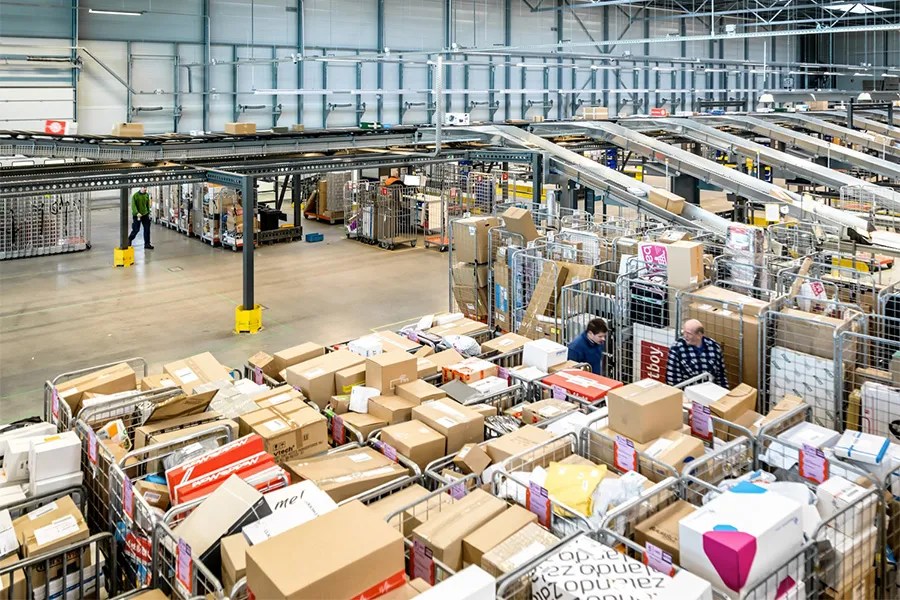
The Dutch retail landscape is changing at breakneck speed. E-commerce developments play a key role. Speed, convenience and experience matter more to consumers than ever. Retailers need to respond. “Knowing what your customer wants is essential. Communication and logistics need to be in order and work seamlessly together,” says Cor Molenaar, who has been researching retail developments for decades. “Retailers also underestimate the role of AI.”
Molenaar is not at all surprised that a large group of retailers are struggling. The number of bankruptcies rose again in February 2025. “E-commerce plays an important role here, but it is not even the main differentiating factor between success and failure. What matters is knowing what your customers want as a retailer. Several other steps follow. Automation and AI are playing an increasingly important role.”

Last mile
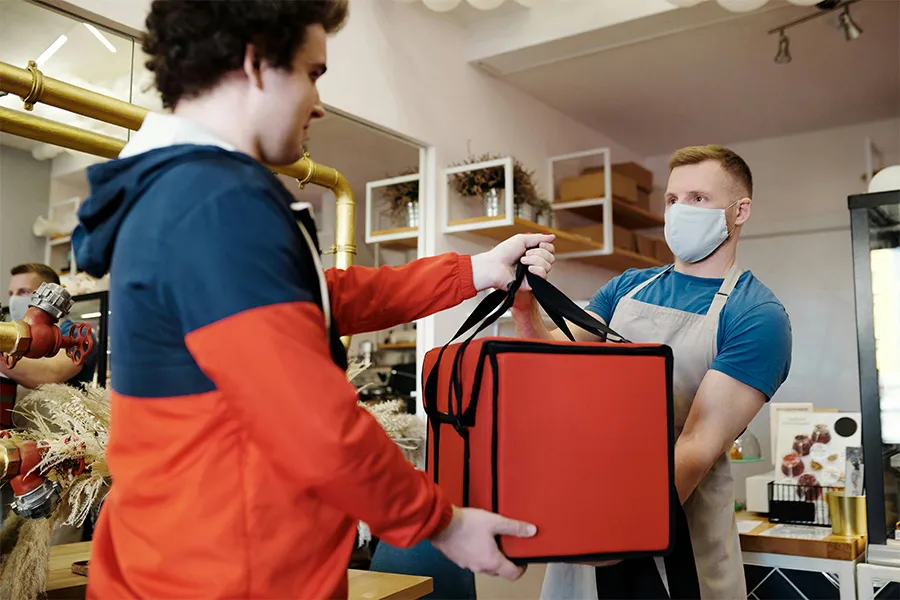
The rise of e-commerce brought with it challenges that many retailers found difficult to address. Molenaar says: “People wanted products bought online delivered to their homes quickly. That is a logistical challenge, but a good last-mile solution can help. Even so, you need to make a small purchase, such as a jar of jam, profitable. Is there a viable business model for that? It is different for an online bookseller. That delivery can easily wait a day. If the item is special or urgent, people are also willing to pay a little more for delivery.”

The role of automation in logistics
E-commerce companies with their logistics in good order have an advantage, says Molenaar. “Bol keeps very close track of stock, including for its partners. PostNL is more or less integrated into Bol and sets off when the vehicle is full.” But anyone looking to succeed needs more than just well-run logistics. The role of automation is growing rapidly, including in distribution centres. “Albert Heijn has automated a lot of processes and knows the stock levels at each store. There is also seamless integration between the logistics service provider delivering the goods and the provider distributing them to the store.”
‘Underestimating AI’s potential’
The automation Molenaar refers to is, in his view, only the beginning of e-commerce’s current journey. “Many retailers underestimate AI’s potential. They know ChatGPT, but that works at most as a kind of intelligence tool. AI has much broader potential for retailers, especially those deploying the technology across the supply chain. Logistics can be automated far more than it is now. With good connections between manufacturers, stores and logistics service providers, AI can predict consumer behaviour more accurately. At present, this often happens too late in the chain.” He sees JDE Peets and Amazon taking these steps. “Amazon knows to a large extent in advance what will be needed and can estimate sales. It is a huge advantage if you can be eighty or ninety per cent certain about what someone is going to order.”
Making efficient use of local DCs
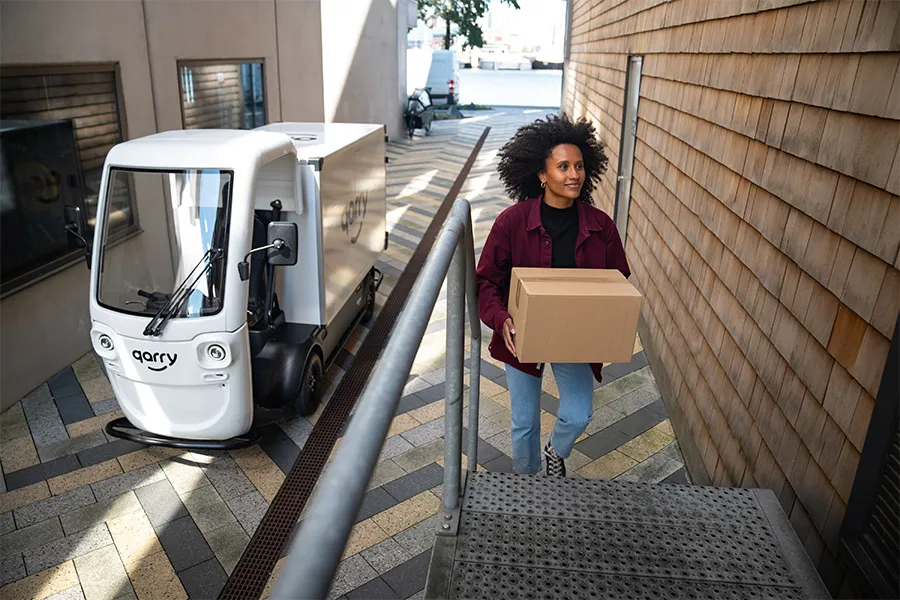
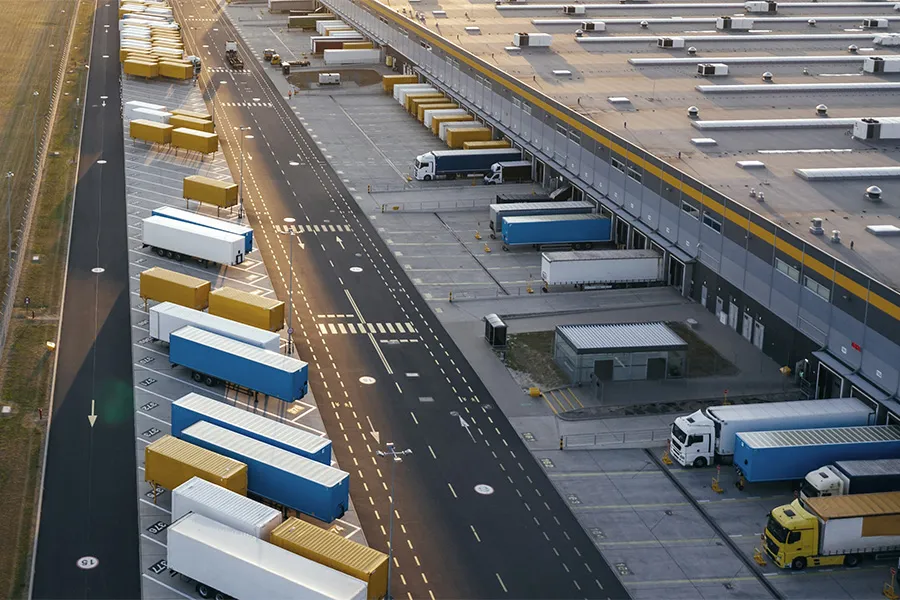
AI also makes it possible to use local distribution centres more efficiently, says Molenaar. “This can improve the interaction between the DCs.” He also sees growing demand for local warehouses, especially as cities keep lorries out of city centres. “This is something already seen in aviation with a hub-and-spoke system. Goods can then be delivered in city centres using electric vehicles. I expect local authorities to impose further limits on the number of operators allowed to deliver parcels in city centres. Too much fragmentation is already causing disruption, and therefore irritation among local authorities and consumers.”
‘You don’t sell something, a customer buys something from you’
So AI offers opportunities, according to Molenaar. But there are opportunities even without highly sophisticated technology. “As a retailer, you absolutely must record what consumers have bought. You don’t sell something, a customer buys something from you. De Bijenkorf does this very well. It communicates personally and directly, based on what someone wants. AH, Bol, Coolblue and Picnic understand this too. That does not mean smaller operators cannot make choices of their own, choices that help them retain their staff. That can also earn them goodwill among customers.”
Question about this story? Ask your question
Keep following this
Get an email when a new story is published. No account needed.
- SubjectGeneral







