












Port of Antwerp-Bruges promotes sustainable port development in Bruges
Text Geert Van Cauwenberge Beeld Port of Antwerp-Bruges
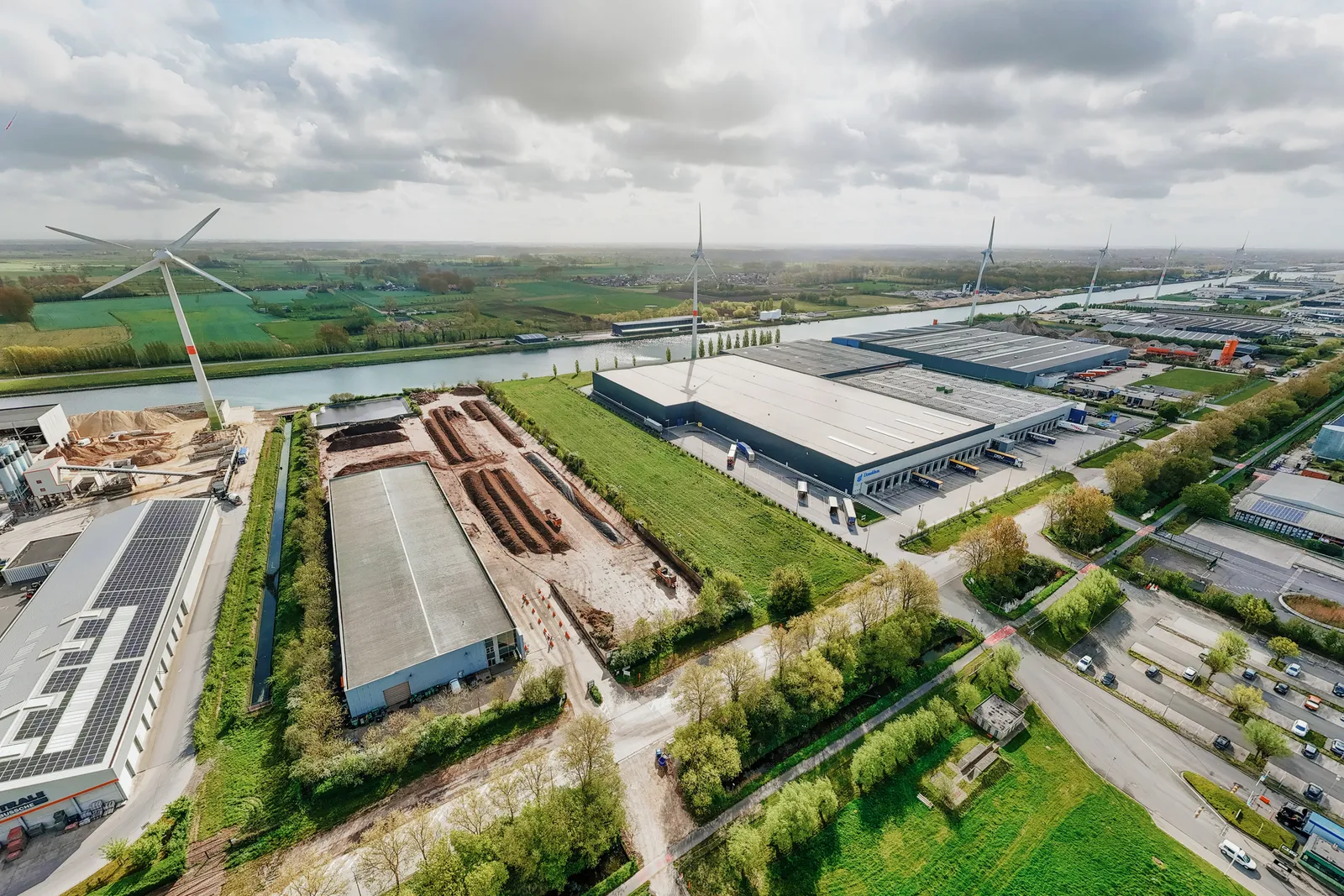
Market consultation for concessions on the Boudewijn Canal and in Bruges inland port
The inland port of Bruges and the Boudewijn Canal are in the spotlight. Through a new market consultation, Port of Antwerp-Bruges aims to allocate six strategically located sites to companies looking to invest in logistics and port-related activities. Launched at the end of March 2026 and closing on 22 May this year, the call is part of a broader ambition to further develop the area into a complementary logistics hub alongside Zeebrugge’s maritime outer port.
“With this market consultation, we are deliberately targeting companies that want to establish their logistics activities in a port environment,” says Ties Vanthillo, Invest Business Developer at Port of Antwerp-Bruges. “We are seeing continued growth in demand for well-located sites in the Bruges region.”
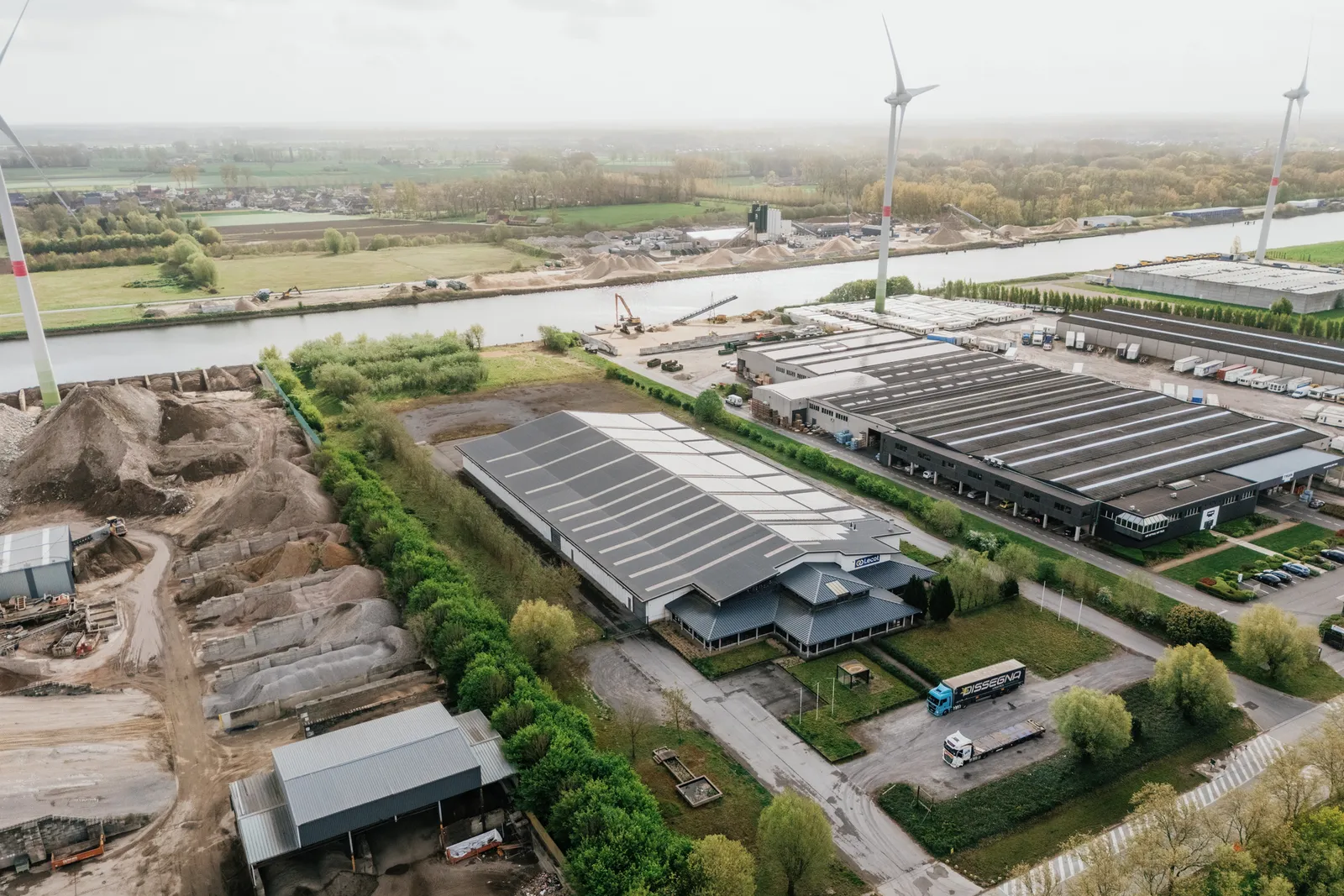
Inland port as a logistics link
The area’s strength lies in its multimodal character. While Zeebrugge is known for its deep-sea terminals and strong position in ro-ro and automotive, the Boudewijn Canal provides a link to the hinterland. With a draught of eight metres and three docks, the canal can accommodate both inland vessels and smaller seagoing ships.
Vanthillo explains: “There are already around ten terminals operating in waterborne transhipment. This activity is clearly on the rise: with annual throughput of around 2.2 million tonnes, ranging from construction materials to dry and liquid bulk, the area is becoming increasingly important as a logistics hub. At the same time, there is room for additional activities. We want to develop a mix of transhipment, storage and logistics processing. Warehousing and light industrial activities can work perfectly well alongside existing port operations.”
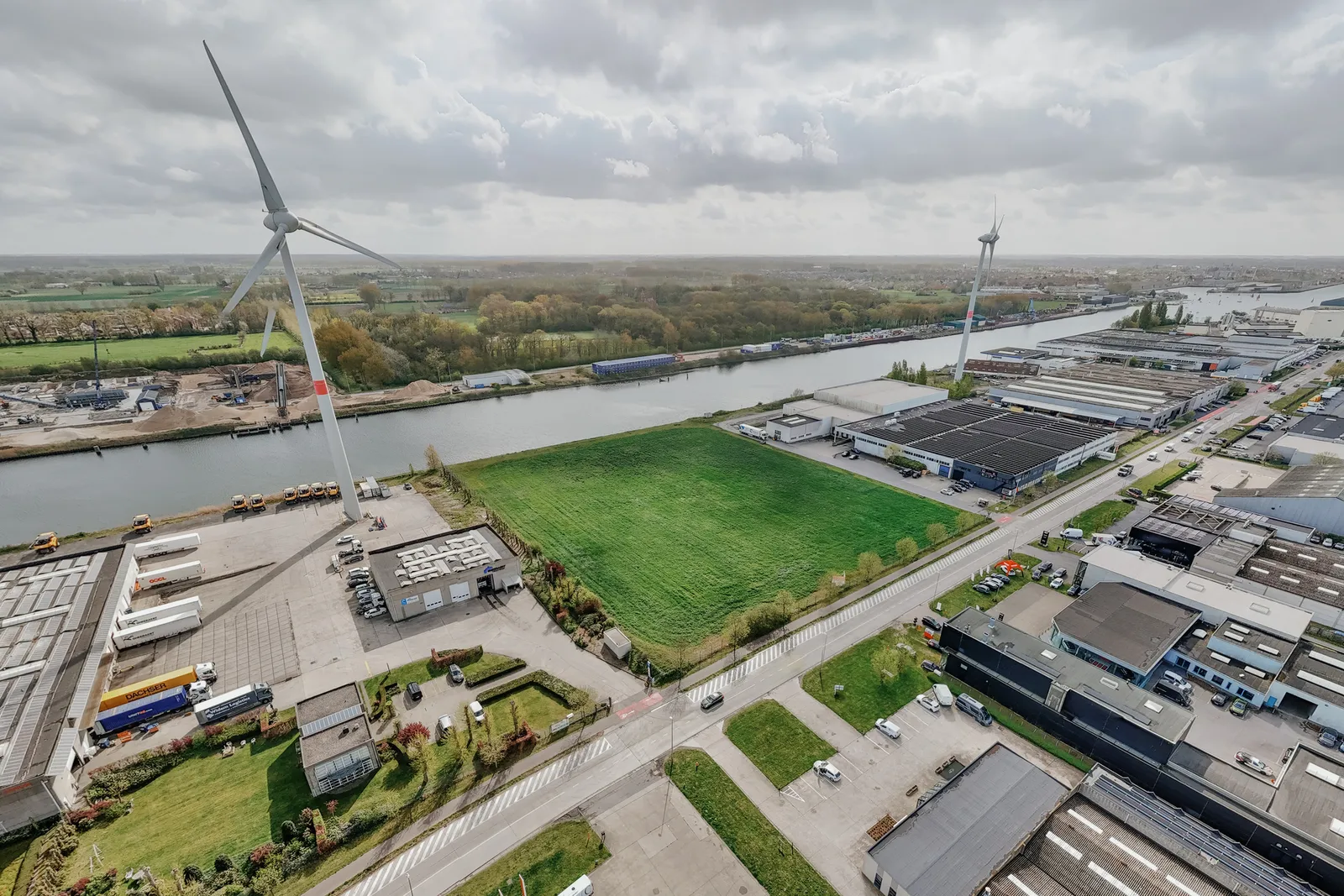
Concession model lowers the barrier to entry
A key element of the market consultation is the concession model. “Rather than buying sites, companies are granted a long-term right to develop their activities in return for an annual fee,” confirms Vanthillo. “This gives companies greater flexibility. The concession fee is an operating cost, not a major upfront investment. That means companies can put their capital towards their core activities.”
“Concession holders also benefit from the existing port infrastructure and connections within the Port of Antwerp-Bruges network. This makes it easier to organise efficient supply chains and scale up commercially.”
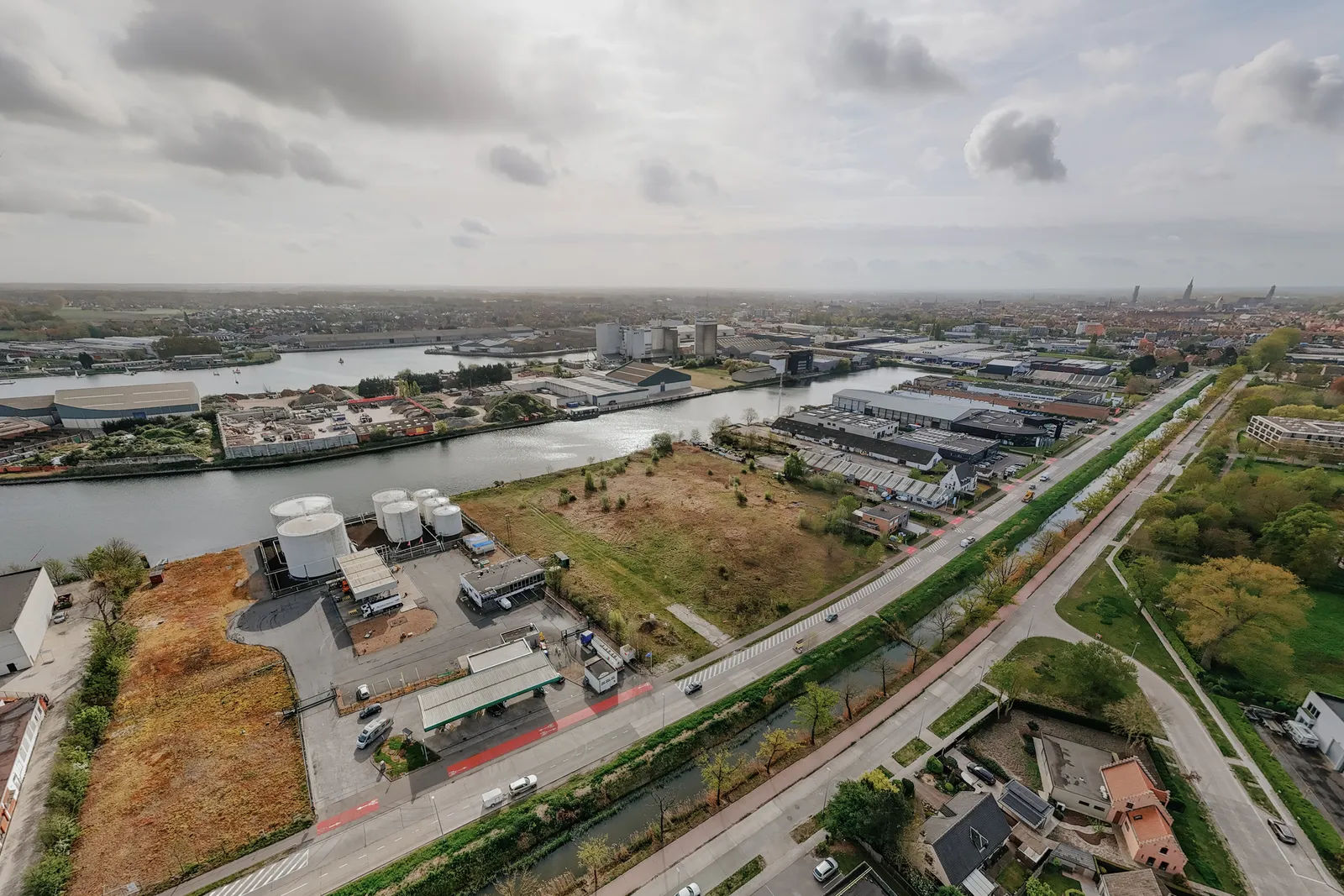
Six sites offering a range of opportunities
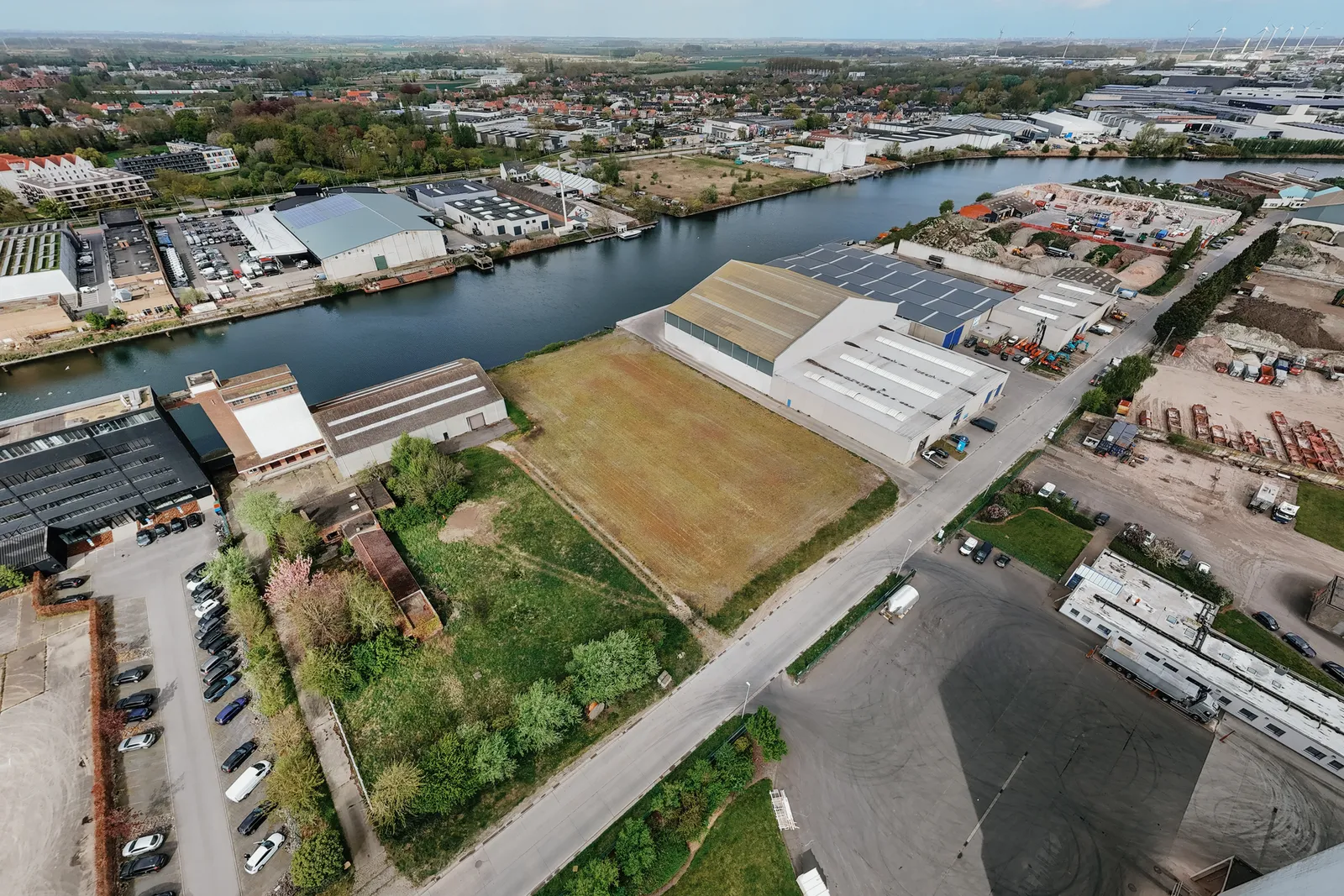
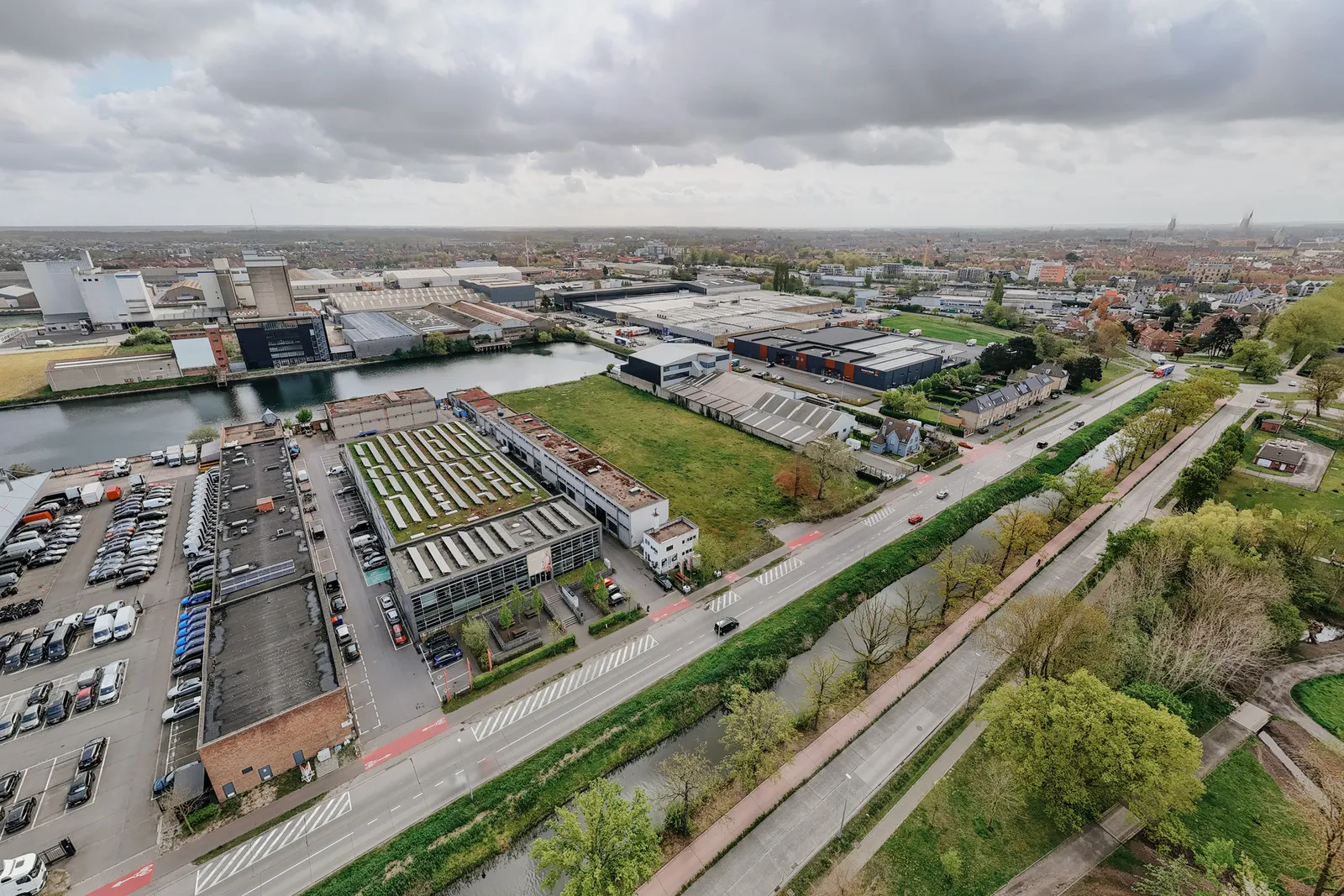
The market consultation covers six sites totalling more than 10.5 hectares, spread across the Boudewijn Canal and Nijverheidsdok. Some plots are ready for construction, while others already have infrastructure such as warehouses or silos.
Vanthillo: “Port of Antwerp-Bruges wants to invest in additional infrastructure, such as quay walls, through co-financing. This lowers the barrier to entry for companies looking to invest in waterborne logistics. We are also not looking for standard proposals: we are seeking projects that offer clear added value to the port platform and contribute to sustainable economic development.”
Focus on regional roots
Although the call is open to a range of players, the focus is firmly on companies with a strong regional presence. West Flemish businesses looking to expand or optimise their logistics activities are a key target group.
“Local companies know the region and often already have a strong operational base,” says Vanthillo. “By offering them opportunities in the port environment, we strengthen not only their growth but also the wider economic ecosystem.”
Question about this story? Ask your question
Keep following this
Get an email when a new story is published. No account needed.
- SubjectGeneral







