












How resilient is the logistics real estate sector?
Text Geert Van Cauwenberge Beeld Warehouse & Logistiek
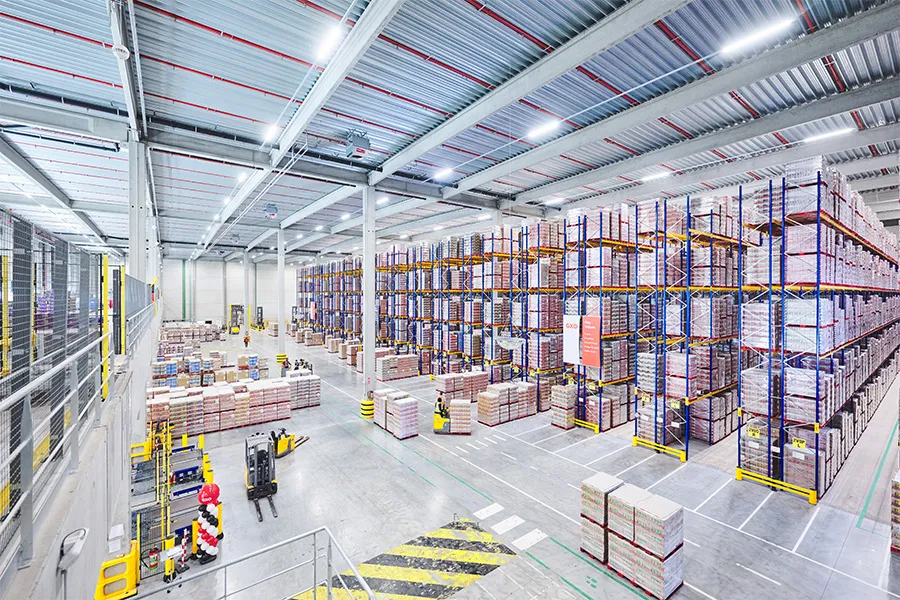
After the boom years of the Covid-19 pandemic, take-up of logistics real estate in Belgium plunged in 2024. Property adviser JLL calculated that the volume of space taken up was 37 per cent lower than in 2023. The sector is under considerable pressure, with numerous challenges reshaping the property landscape. At the same time, promising opportunities are emerging on the horizon that could bring fresh momentum to the logistics real estate market.
According to JLL’s calculations, take-up of logistics real estate in Belgium amounted to 682,314 square metres. Retailers and e-commerce companies accounted for the largest share (48 per cent), followed by logistics service providers (34 per cent) and industrial occupiers, according to the property adviser.
Another finding is that the fall in take-up in 2024 coincided with an increase in vacant logistics space. Along the key Brussels-Antwerp logistics corridor, vacancy rose from 1 per cent in 2023 to 3.46 per cent in 2024. JLL says this need not be cause for concern: during the Covid-19 pandemic, logistics companies leased virtually anything that was available, confident that they would make use of the space. The picture is very different today, however.
The impact of a faltering economy
In September 2024, Stefan De Pauw, head of logistics at CBRE Belgium, told De Tijd: “During and after the Covid period, logistics real estate was leased very quickly. Many retail chains wanted to build up large stocks because of supply problems. A lot of retailers also leased more space than they actually needed to make sure they had enough room for their customers. We are currently seeing consumption fall as a result of the tougher economic climate. Some retail chains are giving up retail space. Add to that the macroeconomic uncertainty, fuelled to varying degrees by global geopolitical tensions, and it is clear that this year will also be challenging for the sector.”
Need for additional business space
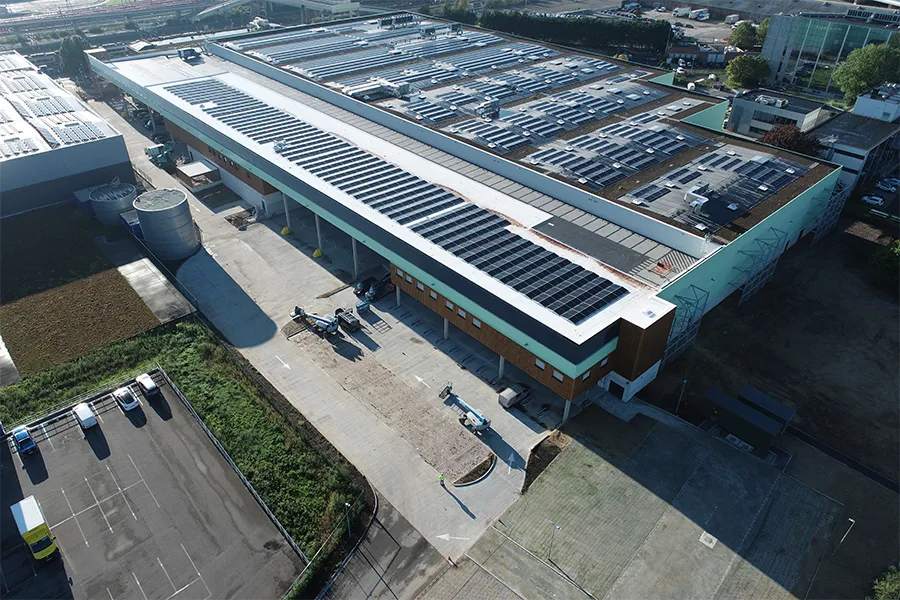
Alongside the economic downturn, a lack of available business space is also holding the logistics sector back. Yet more space is urgently needed, not least because of the growing success of e-commerce. “In Europe, 14 per cent of all consumer purchases are made through e-commerce. Studies suggest that every additional €1 billion in e-commerce revenue requires 100,000 square metres of extra logistics space,” Jo De Wolf, CEO of Montea, told the same newspaper at the end of December. Available land for development is therefore an essential resource for the sector, including greyfields and brownfields that can be redeveloped. The rise of e-commerce is also prompting companies to look for ways to make the last mile as efficient as possible, close to city centres. At the same time, the construction of high-bay warehouses is booming as part of the solution for making the best possible use of available space. Such warehouses are ideal “test beds” for automated warehouse solutions, another challenge for the logistics real estate sector.
Automation versus labour shortages
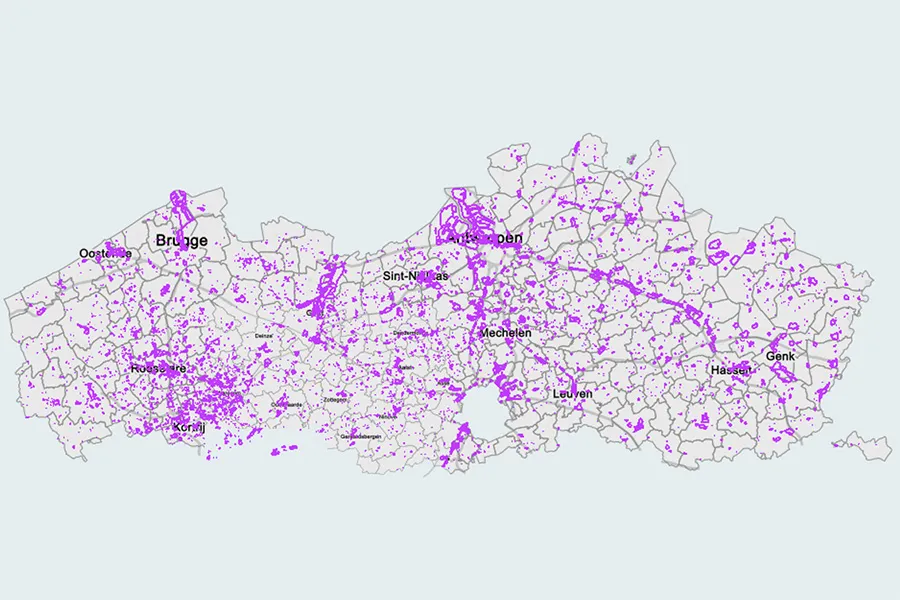
Growing automation, from collaborative robots to automated sorting systems, offers the sector promising prospects for the future and can also help address the shortage of skilled logistics staff. This trade magazine has featured many providers of automation software. Each offers innovative solutions, although smaller players in the logistics market do not always have the people and/or financial resources to invest in automation projects. In addition, logistics service providers often group several customers in one warehouse, each with their own logistics requirements and needs.
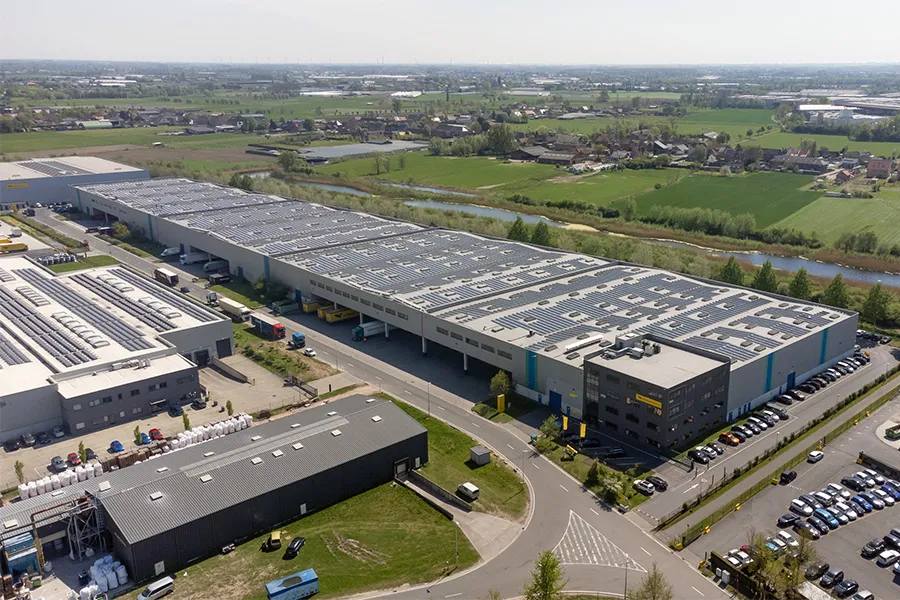
Slow permit procedures
Another issue affecting the logistics real estate sector is the complex, time-consuming permit process for building or redeveloping logistics facilities. In a previous issue of this magazine, Marc Dillen, former director-general of Embuild Vlaanderen, confirmed that obtaining a permit in Flanders takes an average of 3 years and 10 months. The timescales in the Netherlands are even longer. “There are more permit applications every year, while the same number of civil servants have to process an ever-growing number of permits,” he said. “This bottleneck not only delays project delivery, but also drives up costs and weakens the competitive position of Belgian industrial builders. We urgently need to simplify administrative procedures, including through digitalisation.”
Focus on sustainability
Last but not least, there is growing pressure to meet international climate targets. Investors and tenants in logistics real estate are increasingly demanding sustainable buildings with energy-efficient systems and environmentally friendly materials. This transition entails significant investment and requires existing infrastructure to be rethought. Here, too, we refer to Embuild Vlaanderen: in its 2024 Vision Paper, the sector federation identifies innovation as a key driver of achieving Flemish and European climate targets. “New technologies such as BIM, artificial intelligence, prefabrication and circular building materials play a central role,” says Caroline Deiteren, who succeeded Marc Dillen. “These technologies promise not only more efficient construction processes, but also a substantial reduction in construction waste and CO2 emissions. With the launch of Flanders Build’, Embuild Vlaanderen aims to tackle the fragmentation of knowledge and the shortage of coordinated innovation programmes in the sector.”
Question about this story? Ask your question
Keep following this
Get an email when a new story is published. No account needed.
- ThemeLogistics property that grows with you
- SubjectGeneral







