












EP Equipment puts automation into practice at European Event 2026
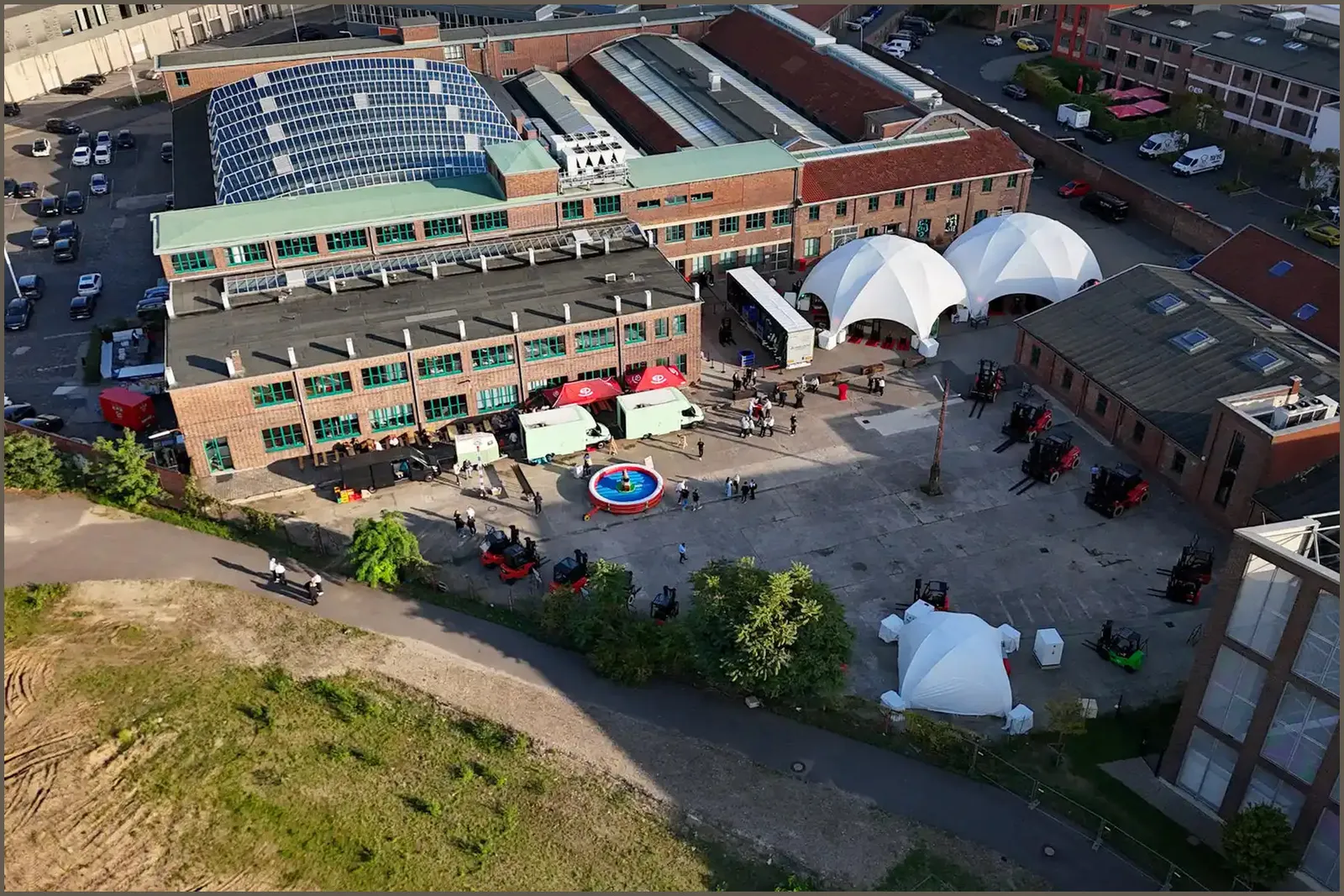
More than 300 industry professionals from 26 countries gathered in Cologne, where EP demonstrated scalable automation solutions for the entire flow of goods, alongside its growing materials handling portfolio.
From new product launches to demonstrations of complete, real-world applications, EP Equipment used its European Event 2026 to show how its growing automation portfolio can be applied to actual goods flows, offering businesses a practical route from their first automated process to fully integrated intralogistics solutions.
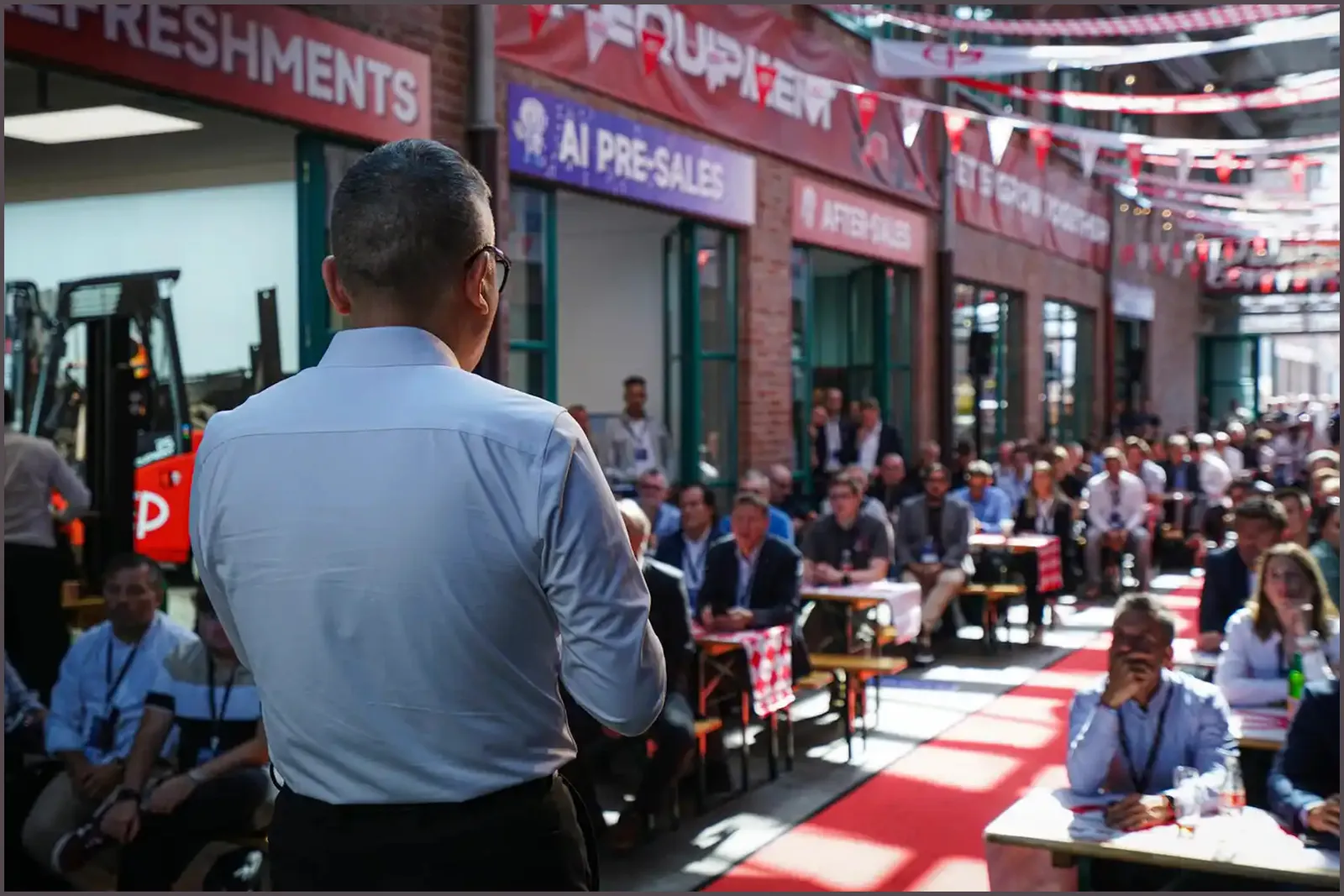
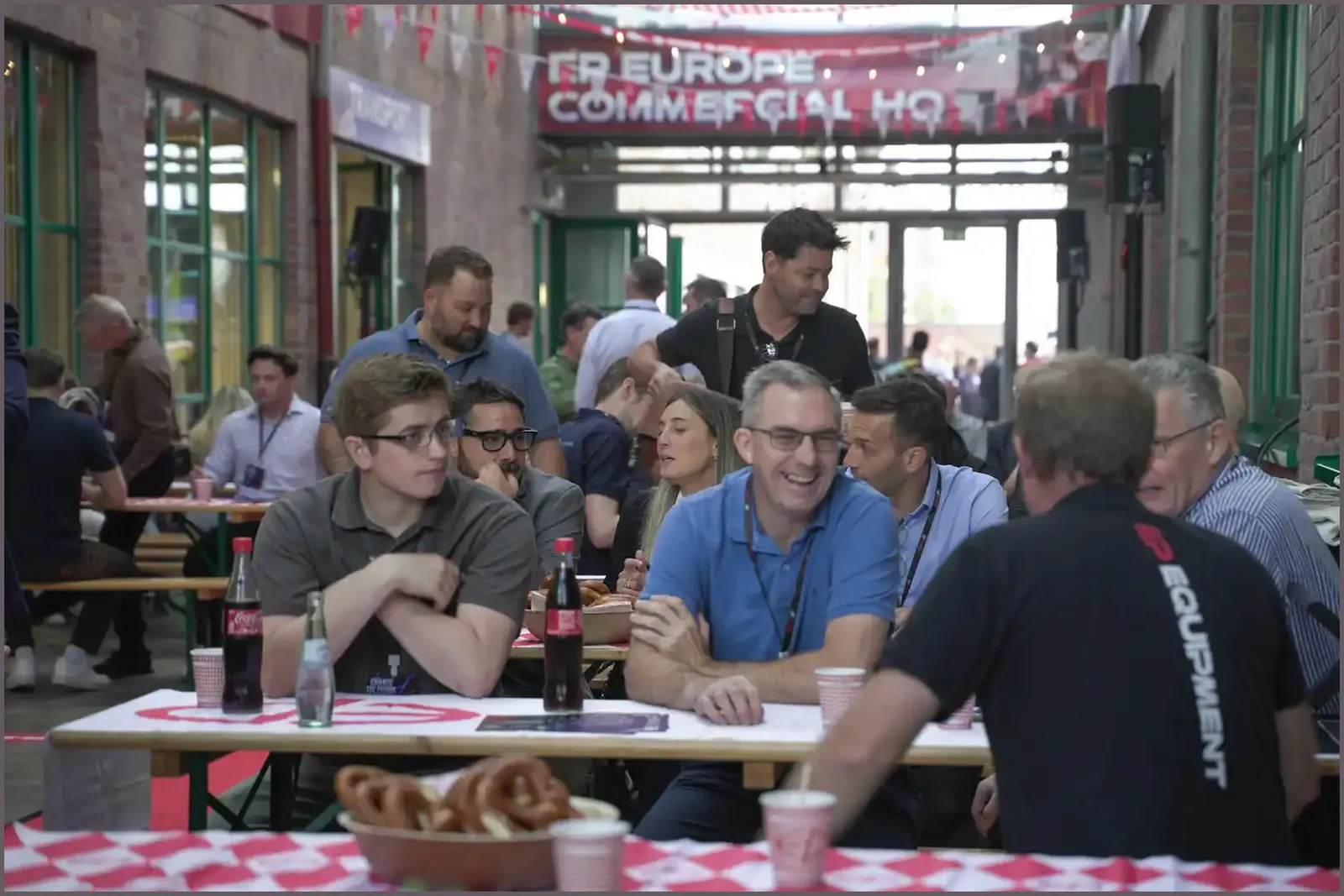
More than 300 dealers, customers, partners and industry professionals from 26 countries gathered at EP’s European headquarters in Cologne on 10 September. Last year’s event focused on the opening of the new automation showrooms and was strongly centred on EP’s growing product range. This year, the emphasis shifted to machines in action, scalable automation applications and best practices that can be applied in logistics and manufacturing environments.
We noticed a major shift in the topics visitors wanted to discuss.
According to Arjan van Zanten, Vice President Automation at EP Equipment Europe, around 80% of the interest at our event a year ago was focused on conventional forklift trucks and around 20% on robotics and automation. This year, the picture was almost exactly reversed. We welcomed familiar end users from the logistics and manufacturing industries, and automation dominated the conversations.
For us, that confirmed something important: businesses are ready to automate, but are looking for a practical way to get started. This therefore became one of the key themes of this year’s event.
The message behind the demonstrations was clear: businesses do not need to start with a fully automated warehouse. Even the biggest automation ambitions can begin with a clearly defined process, using solutions that can be scaled up and integrated as needs evolve.
From truck to application
For EP, automation calls for a different perspective on materials handling.
“We can no longer simply define our machines as forklift trucks,” Van Zanten told attendees. “We need to define them by the work they do, the application and the specific task they perform.”
EP structures this approach around four fundamental intralogistics functions: loading and unloading, transport, storage and order picking. Rather than starting with a truck and then looking at how it can be automated, the starting point is the flow of goods and the task to be performed.
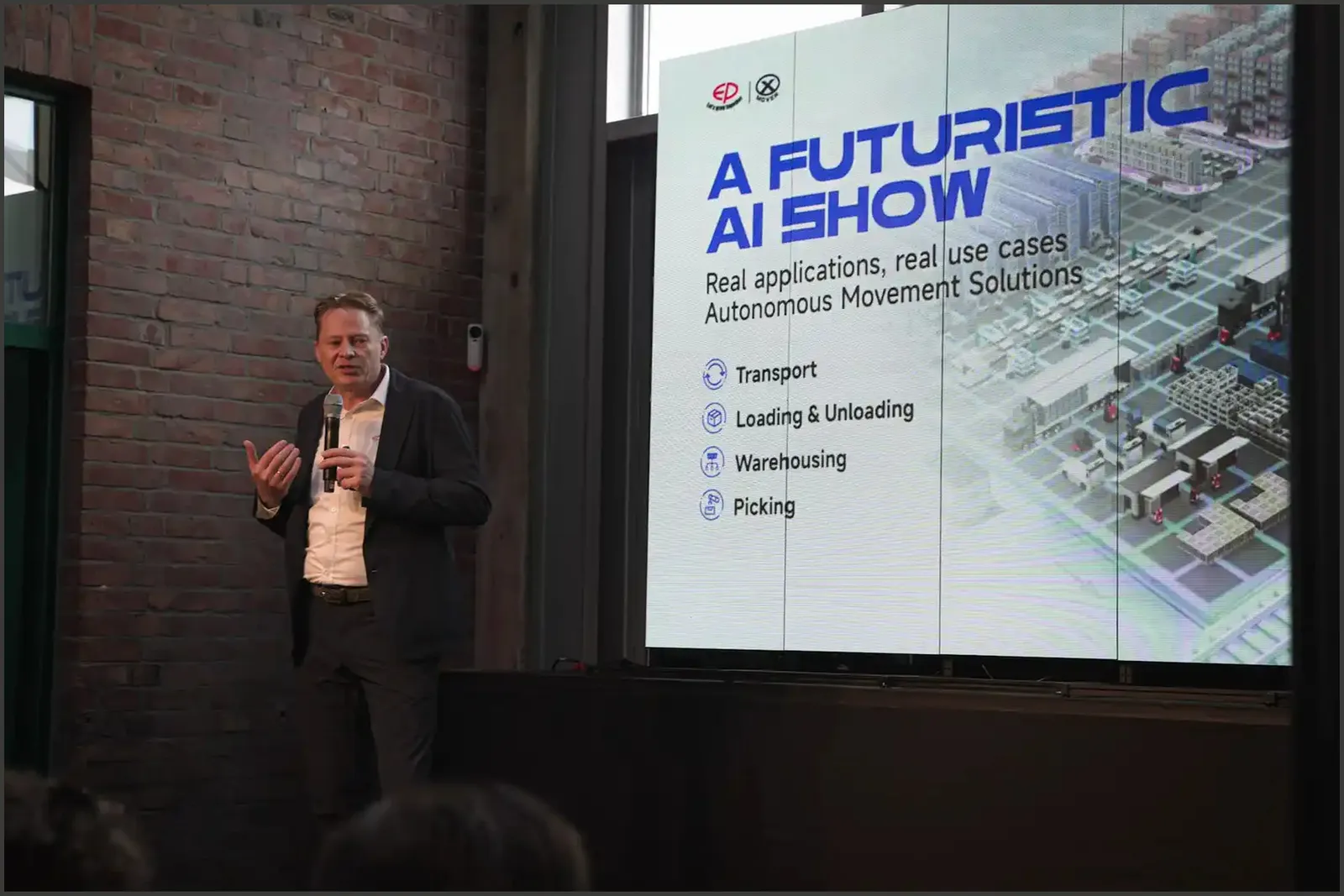
This approach was demonstrated throughout the event. Applications for automated transport and cross-docking included EP’s X Mover solutions and an application by Cainiao/Alibaba, while an application by SchnelleckeLogistics demonstrated automated storage and compact stacking. The new DASP system and the XNA extended the focus to order picking, while a dedicated loading and unloading application addressed one of the more challenging areas of automation.
The message was also clear on how businesses can get started. Automation does not have to begin with a fully autonomous warehouse. A single repetitive and predictable flow of goods can be a suitable starting point, with the possibility of gradually expanding to more integrated applications.
“We can build on this step by step,” said Van Zanten.
Making it easier to start and scale up automation
EP is also continuing to develop the capabilities around the automated vehicle. A presales workflow supported by AI, demonstrated in Cologne, combines 3D site scans, customer requirements and information about goods flows to support solution design, route planning, digital twins and simulations ahead of implementation.
Together with software integration and AI-supported aftersales capabilities, this reflects a broader approach in which the robot is just one part of the overall solution. Hardware, software, AI, simulation and system integration are increasingly coming together around the process to be automated.
The aim is to offer different ways to get started: from simple applications that can already be implemented today to fully integrated solutions for logistics and manufacturing.
Automation alongside a growing machine portfolio
The growing focus on automation does not mean that EP is moving away from conventional materials handling equipment.
During the second half of European Event, EP presented its growing portfolio with live demonstrations and test drives. Key developments included the PRO Series, designed for intensive professional applications, and a new series of electric rough-terrain forklift trucks from 2.5 to 3.5 tonnes, extending electric materials handling to demanding outdoor environments.
EP also presented the second generation of its High Voltage series, from 4 to 12 tonnes, with improvements in reliability, operator comfort, visibility, manoeuvrability and ease of maintenance for demanding industrial applications.
Together, the two parts of the event reflected EP’s broader direction: strengthening the machines needed for today’s materials handling operations while building the automation capabilities required for increasingly connected flows of goods.
From material handling to material moving
John He, CEO and founder of EP Equipment, placed this development in the context of a broader shift from traditional materials handling to ‘material moving’, where the focus is not only on the machine, but above all on how goods move through the entire logistics process.
For EP, this long-term vision starts with practical applications that businesses can implement today.
At European Event 2026, this approach was brought to life: start with the task, automate where it makes sense and build from the first application towards increasingly integrated flows of goods.
Question about this story? Ask your question
Keep following this
Get an email when a new story is published. No account needed.
- SubjectGeneral







