












Belgian logistics property under pressure: flexibility, energy management and available space set the new rules
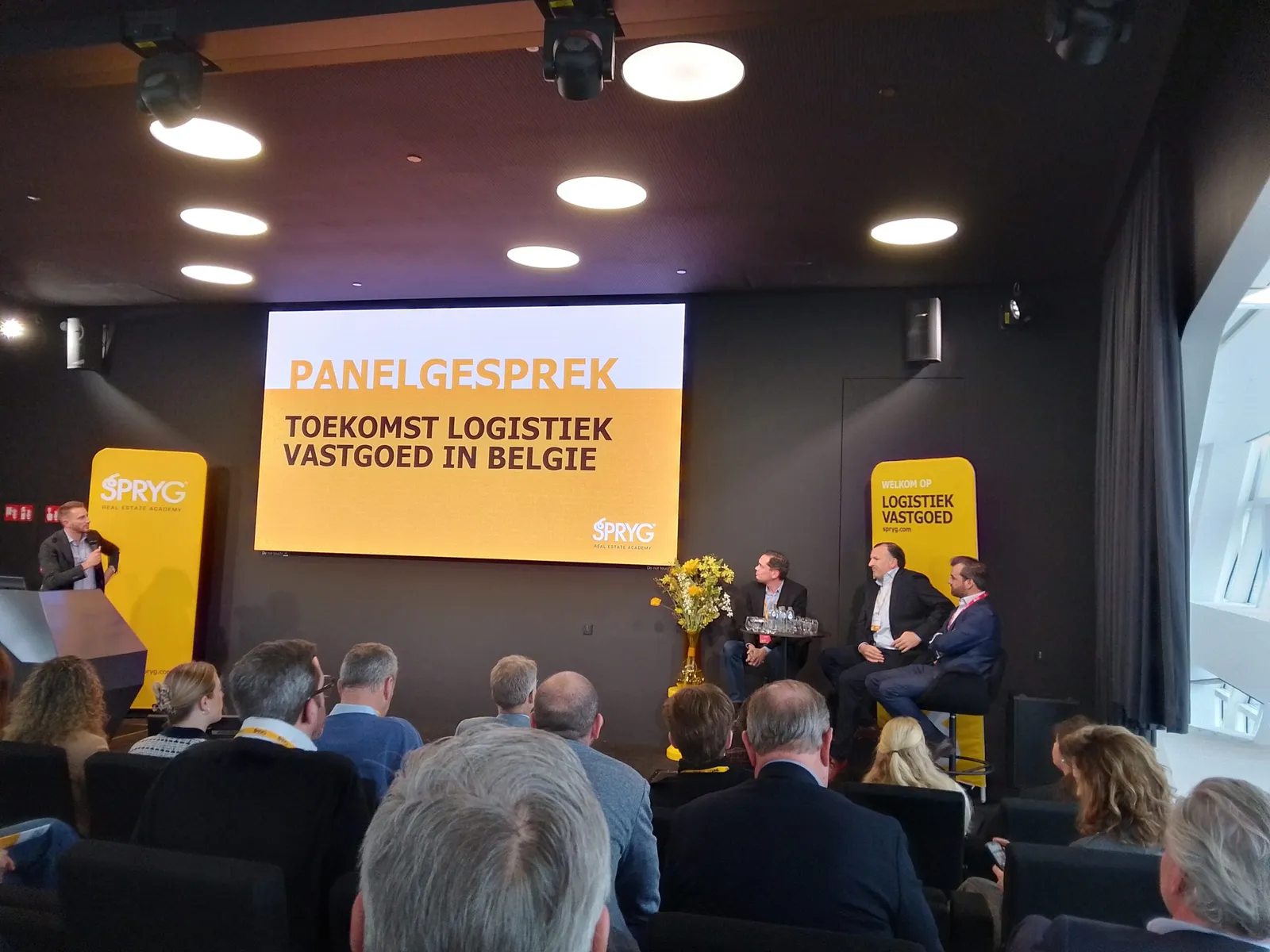
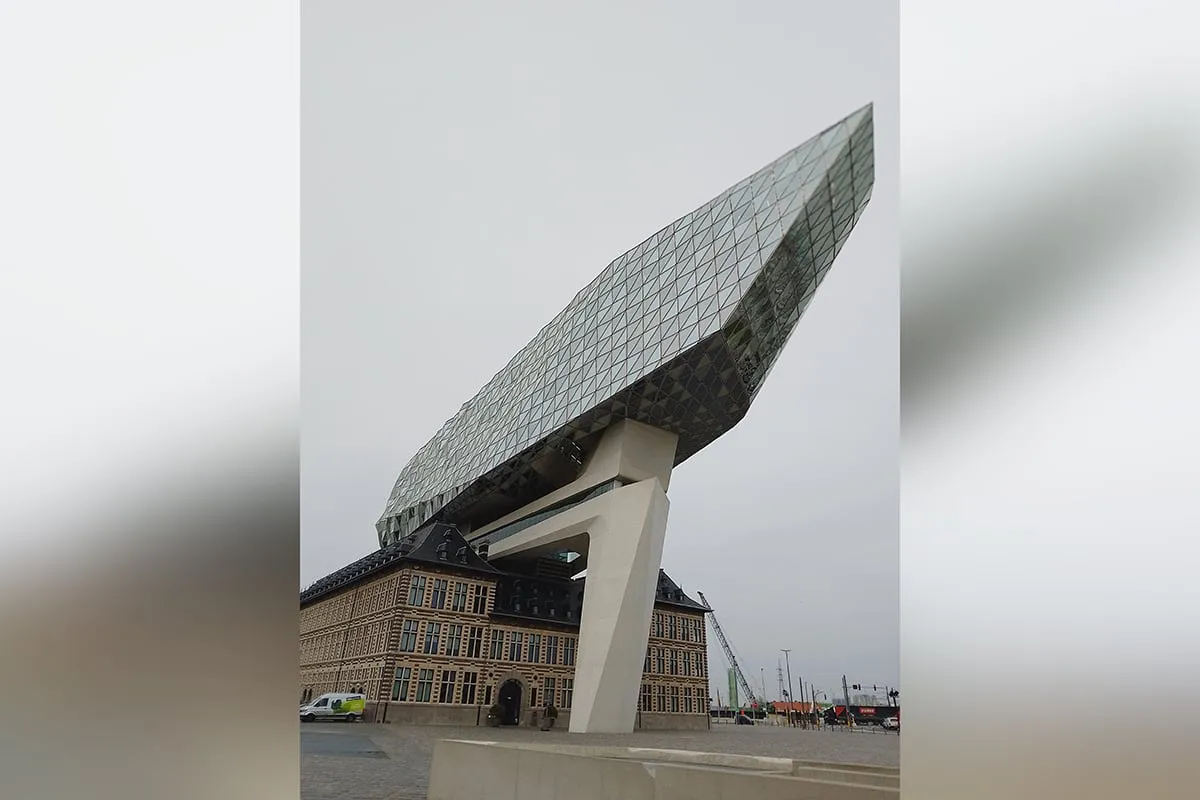
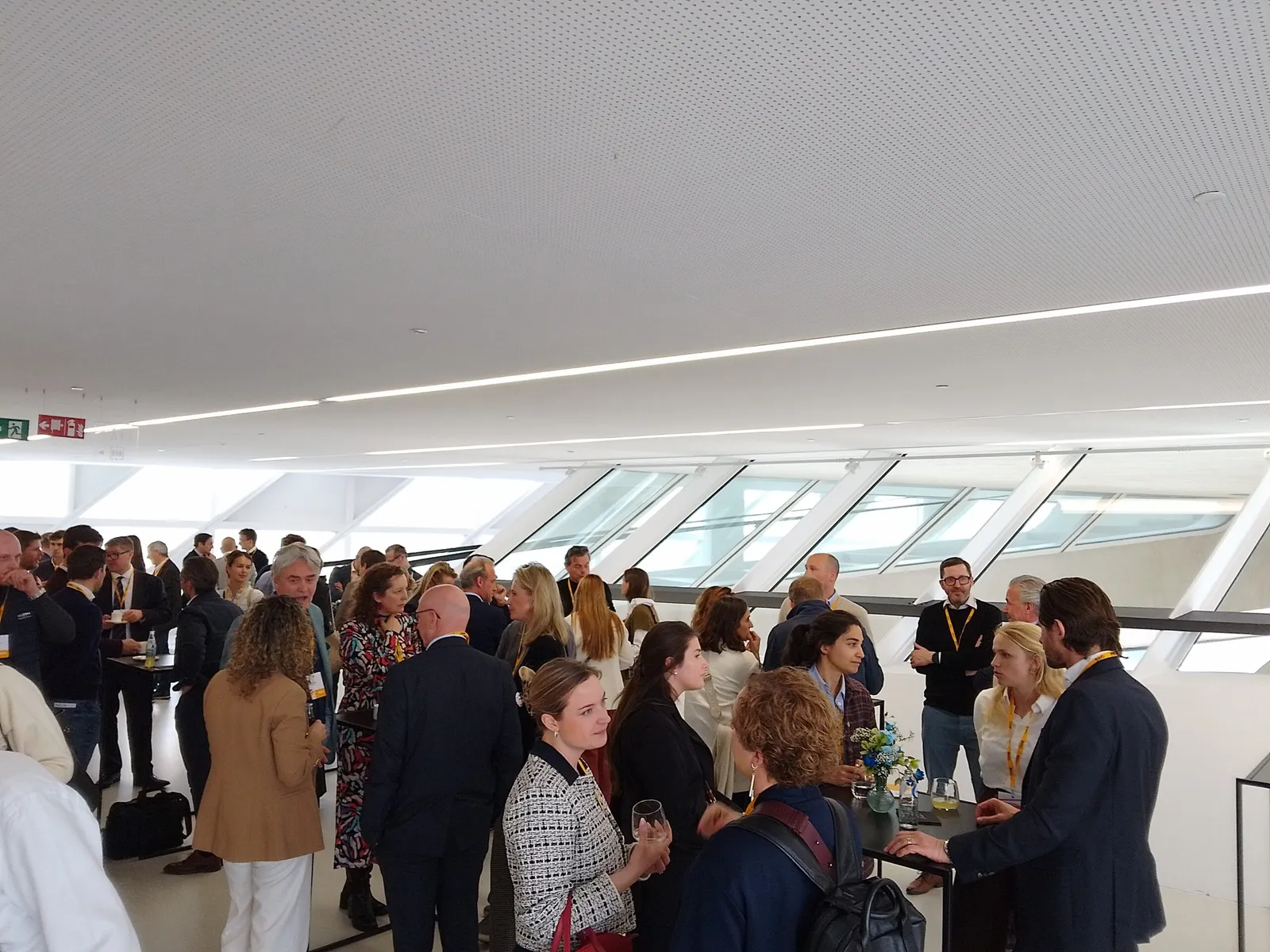
On 24 March 2026, SPRYG Real Estate Academy held the 15th edition of Logistiek Vastgoeddag België. One conclusion quickly became clear at the well-attended study afternoon at the Havenhuis of Port of Antwerp-Bruges, chaired by Christophe Wuyts, Head of Industrial Agency at Ceusters Vastgoed: logistics property is at a turning point. Once a relatively predictable sector, it is now evolving into a complex and dynamic landscape under the influence of geopolitics, technology, energy management and scarcity of space. Waiting for stability is no longer an option.
From global supply chains to regional networks
According to Johan Beukema (Managing Partner at Buck Consultants International), stable global supply chains are giving way to more flexible and regional networks. Companies are moving production and distribution closer to their markets and building greater resilience into their supply chains.
Supply chains are thus evolving from static structures into dynamic systems, supported by data, digitalisation and continuous monitoring. For Europe, this means a reshaping of logistics flows, with Central and Eastern Europe gaining ground while Western Europe faces pressure from higher costs and limited space for logistics developments.
Towards innovation in urban logistics
This pressure on space is most apparent in urban areas. The growth of e-commerce runs up against physical and organisational constraints, resulting in inefficient and less sustainable last-mile distribution.
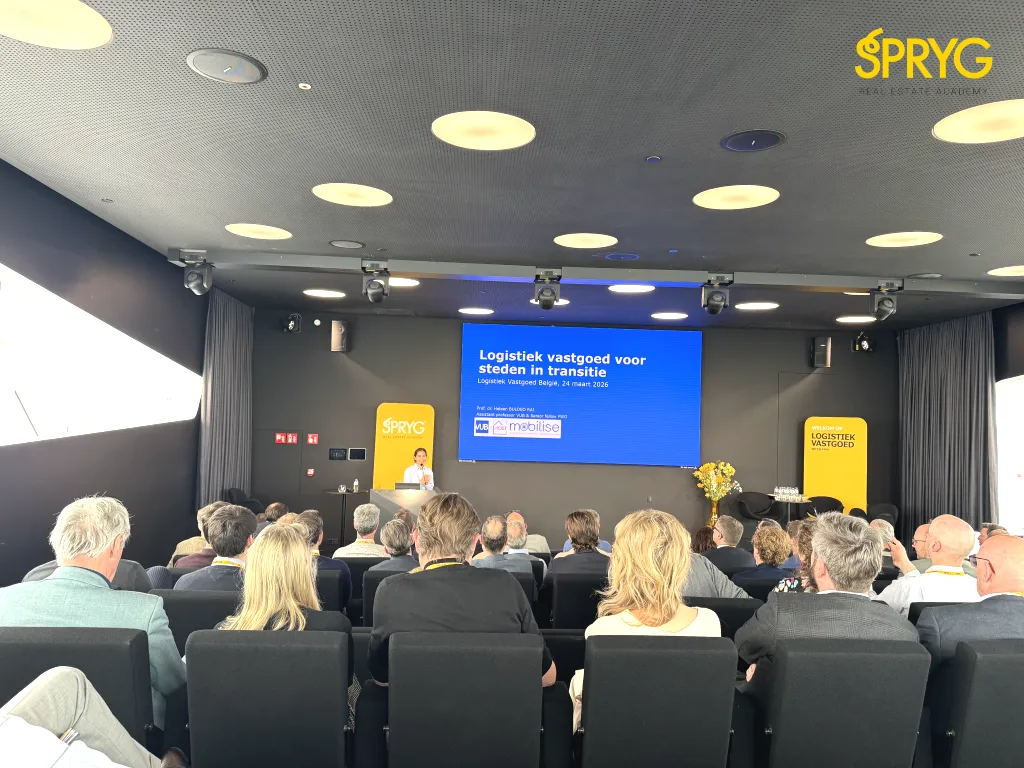
Prof. Dr Heleen Buldeo Rai (VUB) outlined how urban logistics hubs, with examples in New York, Paris and Amsterdam, offer a solution by consolidating deliveries and shortening distances. But this requires a fundamentally different approach to property: vertical warehouses, mixed-use developments and integration into the urban fabric are becoming increasingly important. The challenge is not only technical, but also a matter of policy. Without adapted regulations and spatial planning, the rollout of urban logistics will remain difficult.
Energy as a strategic lever
Renewable energy has evolved from a prerequisite into a core component of logistics property. According to Robin Bruninx, CEO of Encon, electrification, data centre growth and geopolitical uncertainty are putting Belgium’s electricity grid under pressure, making grid congestion increasingly common.
As a result, logistics operators are becoming active energy managers, with their own generation and storage, and smart energy management. Solar panels, batteries and charging infrastructure are an integral part of new projects. The result? A fundamental shift, with logistics property becoming not just an operational asset but also an energy platform that generates value.
Automation as an answer to scarcity
Labour shortages and a lack of space are forcing companies to work more efficiently. Automation plays a crucial role in this. Jonathan Bytebier, Sales Manager at Movu Robotics, demonstrated how new technologies such as 2D and 3D shuttle systems can optimise both new and existing warehouses. Their flexibility and scalability lower the barrier to automation, including in existing buildings. The result is a warehouse that is not only more efficient, but also better equipped to cope with peaks and fluctuations in demand.
Debates: scarcity calls for strategic choices
The issue of limited space for logistics developments in Belgium ran like a thread through two closing debates. In the first debate, with VLAIO, Montea and Weerts Group, it emerged that the space actually available in Flanders is more limited than often assumed. Policy is therefore focused on making more efficient use of land through redevelopment, mixed-use development and strategic planning. For companies, this translates into a growing need for flexibility: large plots in prime locations are scarce, and operations are increasingly spread across different locations.
At the same time, the focus is shifting from large-scale new-build projects to the redevelopment of existing sites. Energy is playing an increasingly important role in this. Locations with available capacity or the potential for on-site generation are becoming more valuable, although accessibility remains decisive for some users. The trade-offs between mobility, energy and space therefore vary from project to project.
Space is also becoming scarcer and more selectively used at Belgium’s main ports and airports (Brussels Airport Company, Port of Antwerp-Bruges and North Sea Port). The emphasis is shifting from expansion to optimisation, with greater attention to brownfield development. Complex permitting procedures and external factors such as international competition are adding further pressure. Energy and sustainability are both a challenge and a necessary transition.
Question about this story? Ask your question
Keep following this
Get an email when a new story is published. No account needed.
- ThemeLogistics property that grows with you
- SubjectGeneral







