warehouselogistiek.eu
EN

The platform for internal & external logistics, supply chain and automation
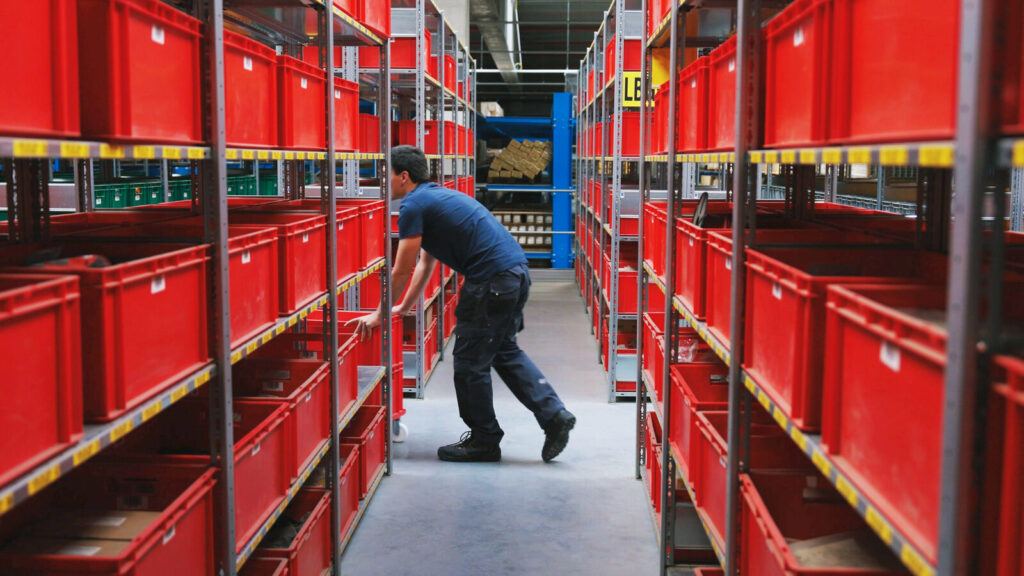
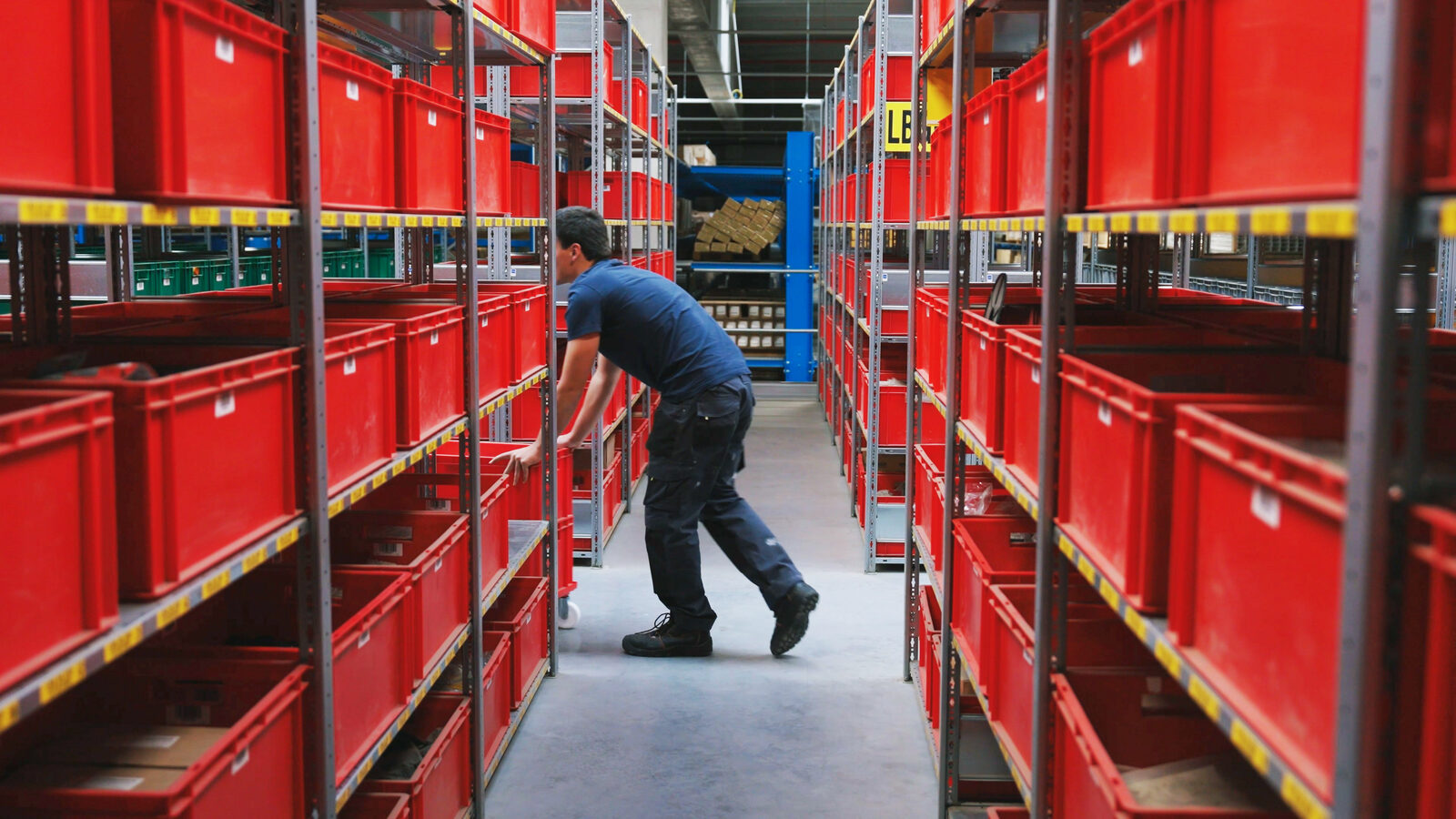
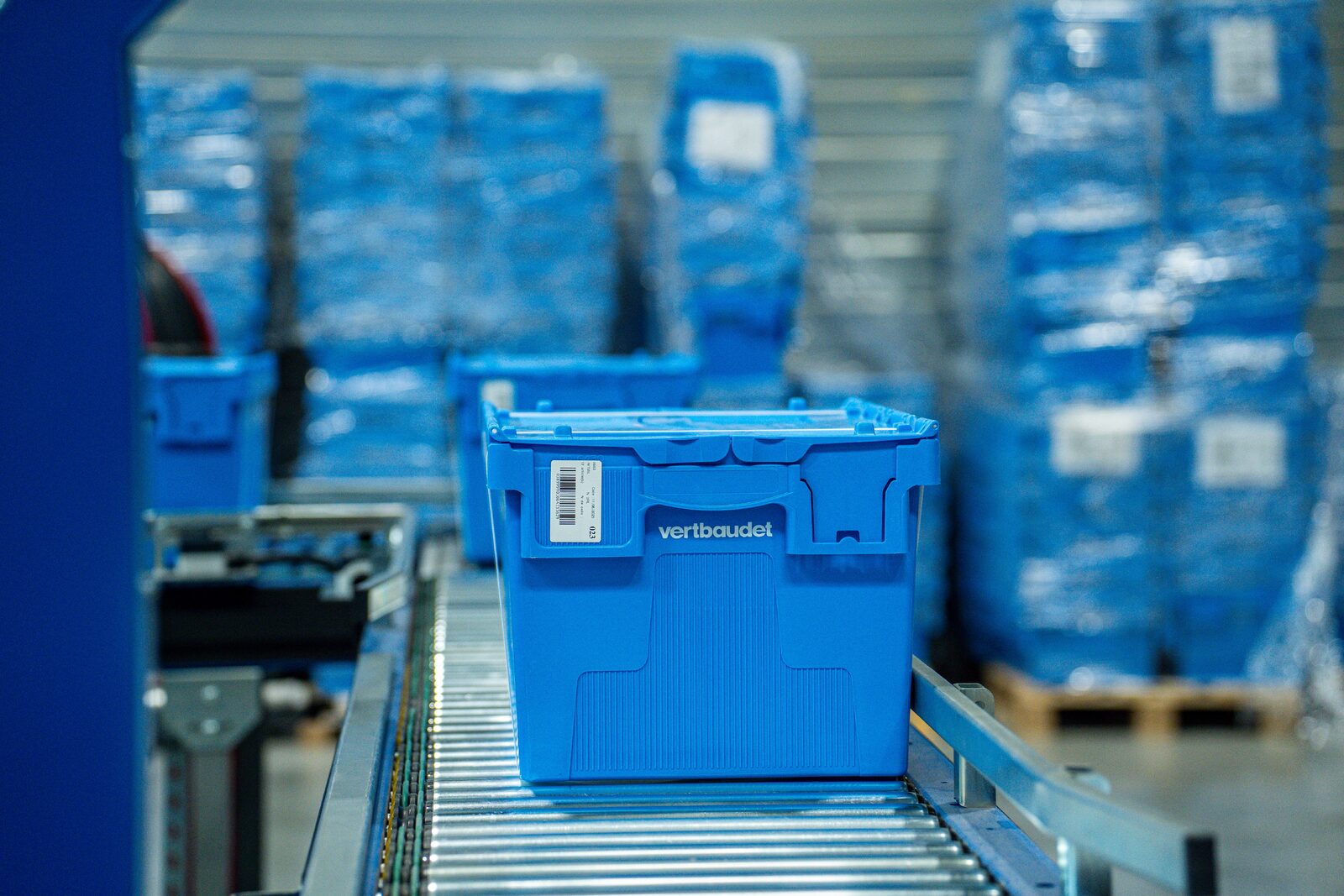
In logistics, the choice of load carriers is still often determined by the initial cost or the simplicity of the solution. Cardboard seems attractive in that regard: it’s lightweight, inexpensive, and widely available. But when you look at the entire flow of goods, you see that this choice can also create complexity. Euronorm crates follow a different logistical logic: they are reusable, standardized, and designed as an integral part of the supply chain.
The difference lies not only in the material, but primarily in standardization. Euro-standard sizes such as 600 x 400 mm and 400 x 300 mm can be tailored to pallets, racks, conveyor belts, and automated systems. Their fixed dimensions and structural properties make processes such as stacking, storage, transportation, and order picking more predictable. Corrugated cardboard offers more variation and is more susceptible to deformation due to factors such as moisture or stress. In automated environments, such variations can more quickly lead to disruptions. The more a logistics environment is automated, the more important a stable and dimensionally stable load carrier becomes.
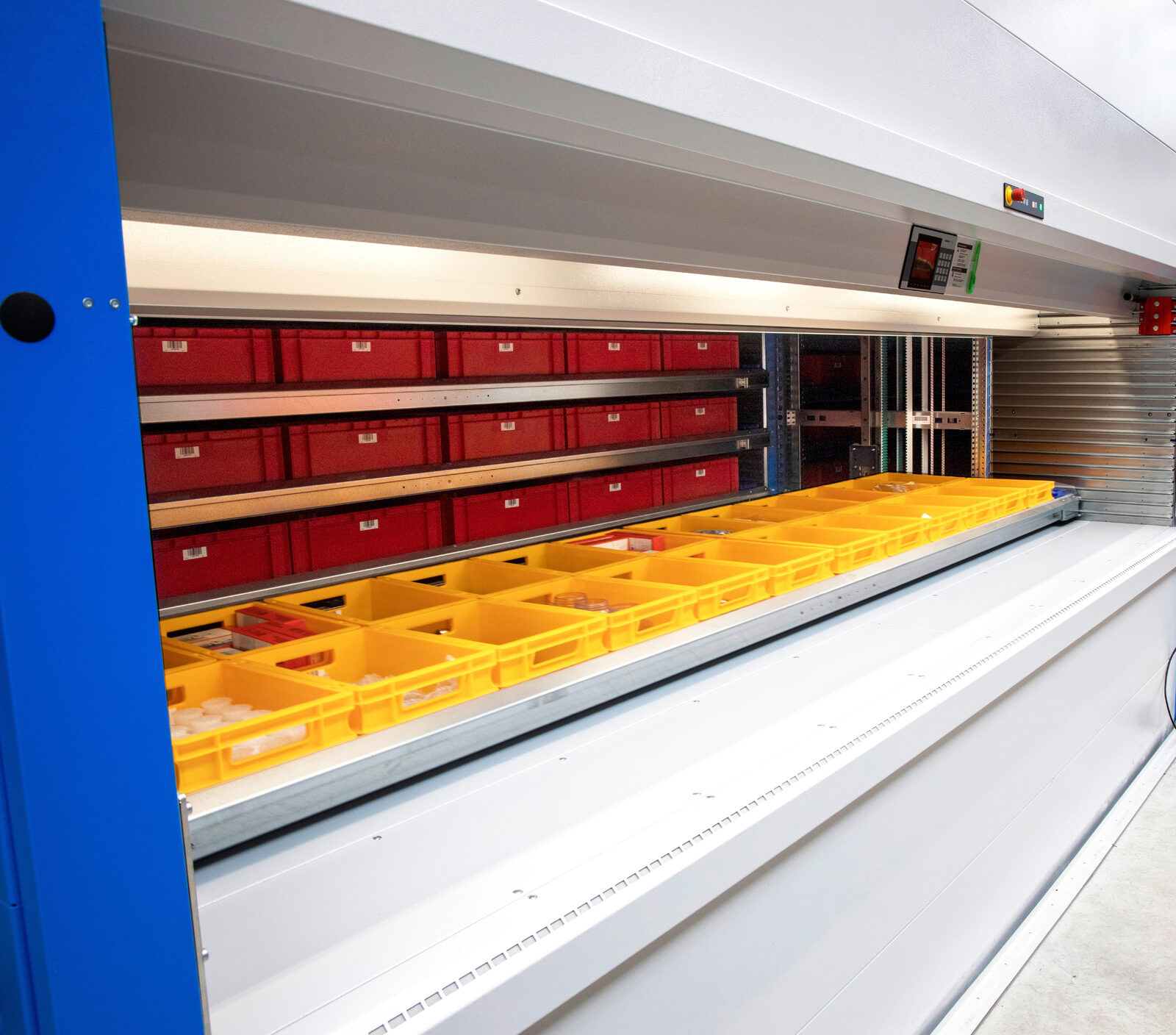
Cardboard also has an inherently linear nature. After use, it is collected and processed. This creates additional waste streams, along with the associated activities for collection, storage, sorting, and transportation. Reusable Euronorm crates, on the other hand, remain in circulation. Return flows can be integrated into existing deliveries, distribution runs, or other logistics operations. The question thus shifts from “How do we avoid returns?” to “How do we keep our load carriers in circulation as efficiently as possible?” This is not an additional logistics system, but a different way of organizing the existing supply chain.
This also changes the role of the load carrier. In many applications, cardboard is used as temporary packaging. A Euronorm load carrier is a system component that remains part of the same logistics flow over multiple usage cycles.
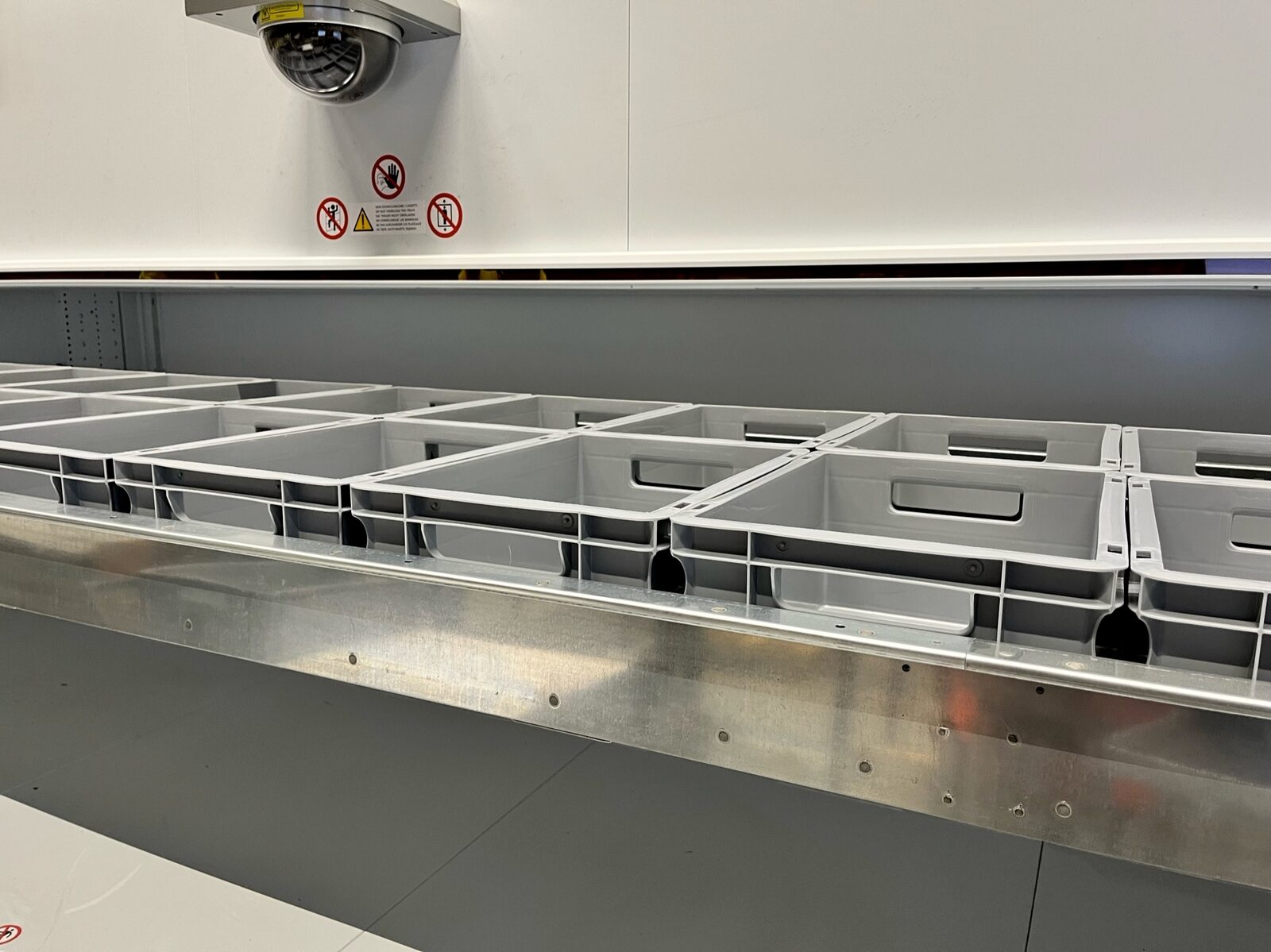
The financial assessment also requires a broader perspective. It’s not just the purchase price that matters, but the cost per usage cycle. Factors such as service life, maintenance, cleanability, storage and handling, return logistics, and compatibility with automation all play a role. A load carrier is therefore not a one-time purchase, but a logistics asset that must continue to create value throughout its service life.
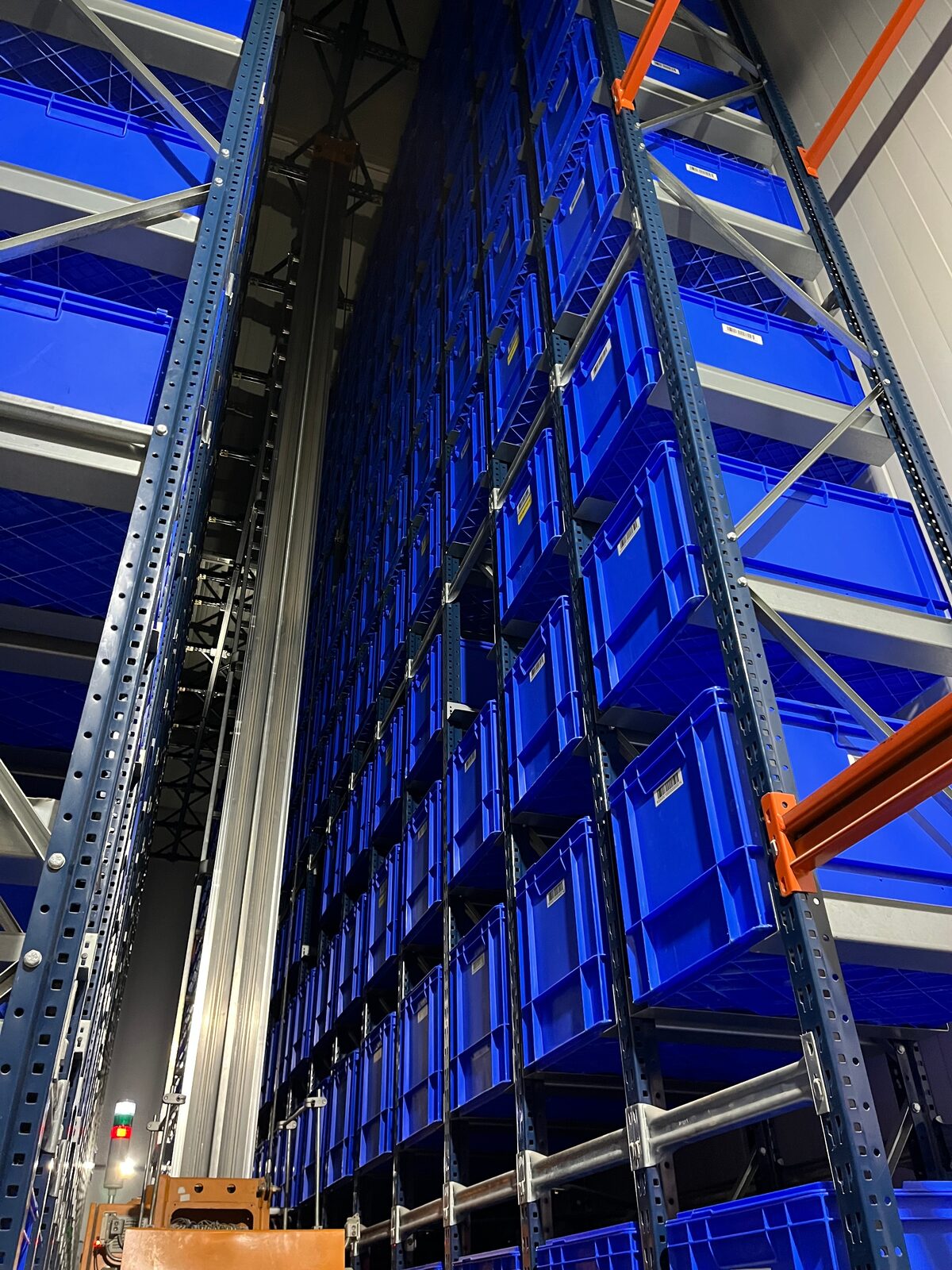
At first glance, the choice between cardboard and Euronorm crates seems to be a matter of material. In reality, it’s about how you organize a supply chain. Do we want a linear flow with continuous replacement and waste, or rather a circular flow with standardized, reusable load carriers? The real transition, therefore, is not from one material to another, but from a disposable mindset to a systems-based approach. Because when we no longer view a load carrier as packaging for a single shipment, but as an asset that can create value many times over during its lifespan, the way we view logistics efficiency changes as well.
Neem dan rechtstreeks contact op met Plastibac NV.
 Contact opnemen
At Plastibac, we help you find sturdy and durable load carriers to structure your (intra)logisite environment. Crates with extra service We offer a strong range of durable plastic crates and bins, both in food-safe and recycled materials. And we like to add extra service to that. For example, you can [...]
Bekijk Bedrijfsprofiel