warehouselogistiek.eu
EN

The platform for internal & external logistics, supply chain and automation
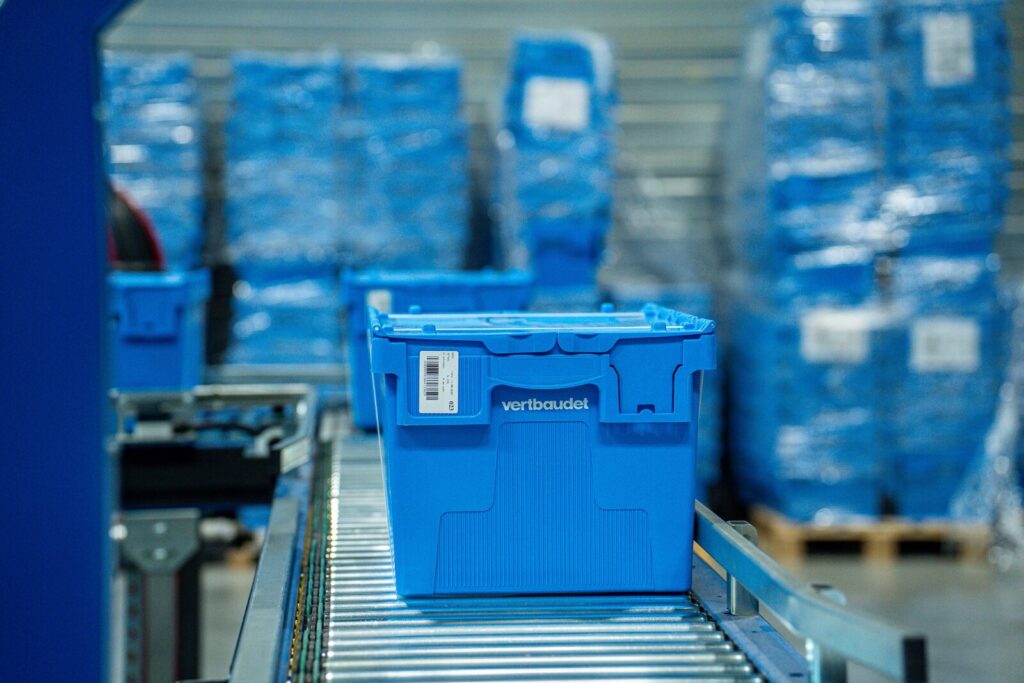
Packaging that is efficiently filled on the outbound journey but mainly transports air on the return trip misses the mark. And Gamma-Wopla/Smart-Flow (GW-SF) has the perfect solution for that. The Moeskroen-based family business develops reusable plastic bins, pallets, and containers based on a single central idea: how can every step in the logistics chain be organized as efficiently as possible? That question runs like a common thread through product development, from use and storage to transport and return flows. Space efficiency and lower costs invariably go hand in hand with sustainability. This combination has formed the basis of their approach for years and is becoming even more relevant now that the European PPWR is focused on reducing packaging waste, increasing reuse, and promoting circularity.
The size of the profit margin from space efficiency is largely determined by the volume of a company’s empty return flows. Eddy van Sas, sales manager for the Netherlands, and Jan Verhaeghe, sales manager for Belgium, therefore see an important role for packaging that can be returned in a compact form after use. A concrete example is the space-saving and reusable Smart Sleeve Pack from GW-SF.
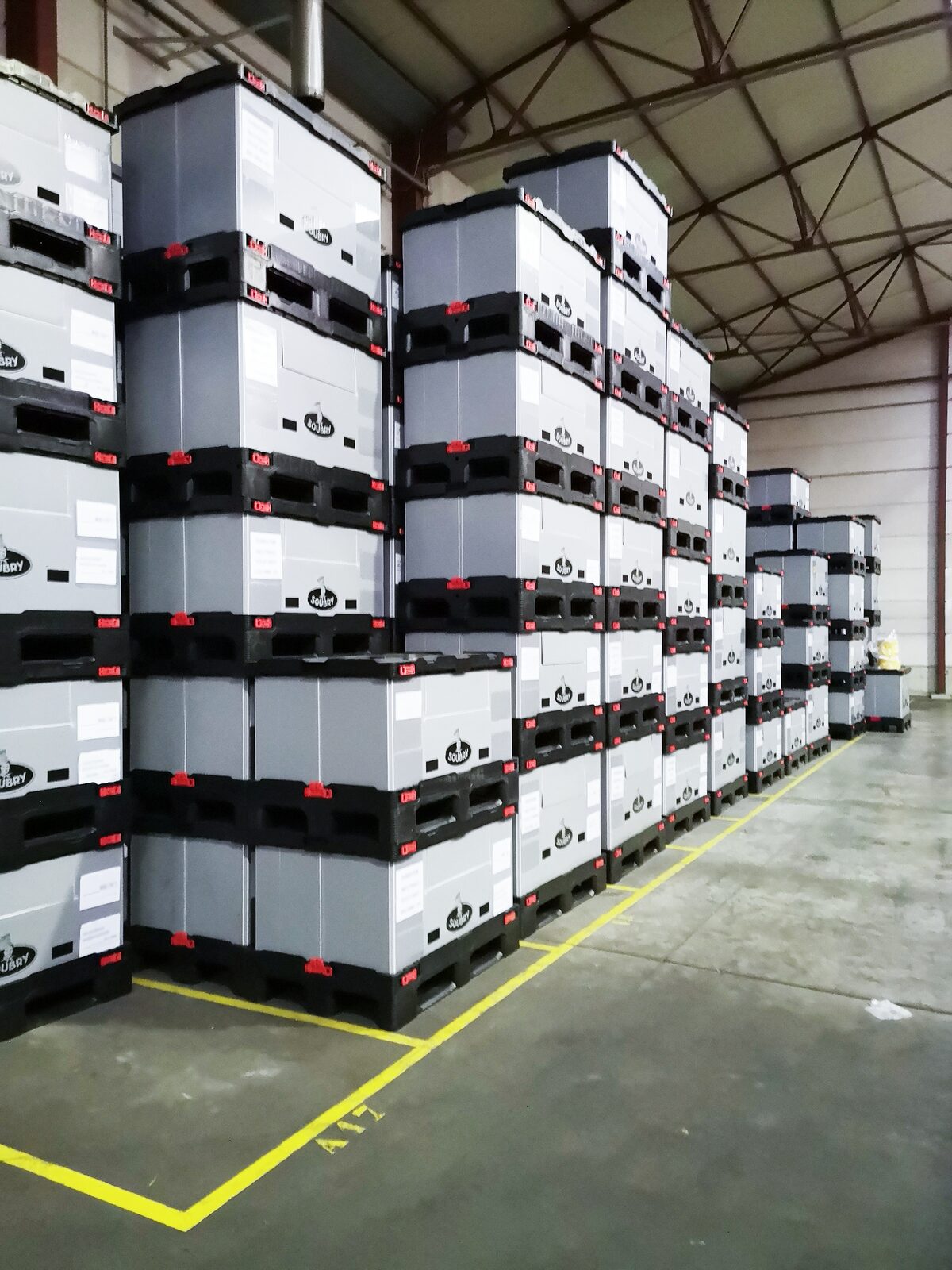
This modular system consists of a pallet, a foldable sleeve, and a lid. "As a result, ten pallet spaces used on the outbound trip take up only one pallet space during the return trip. That results in enormous space savings," says Van Sas.
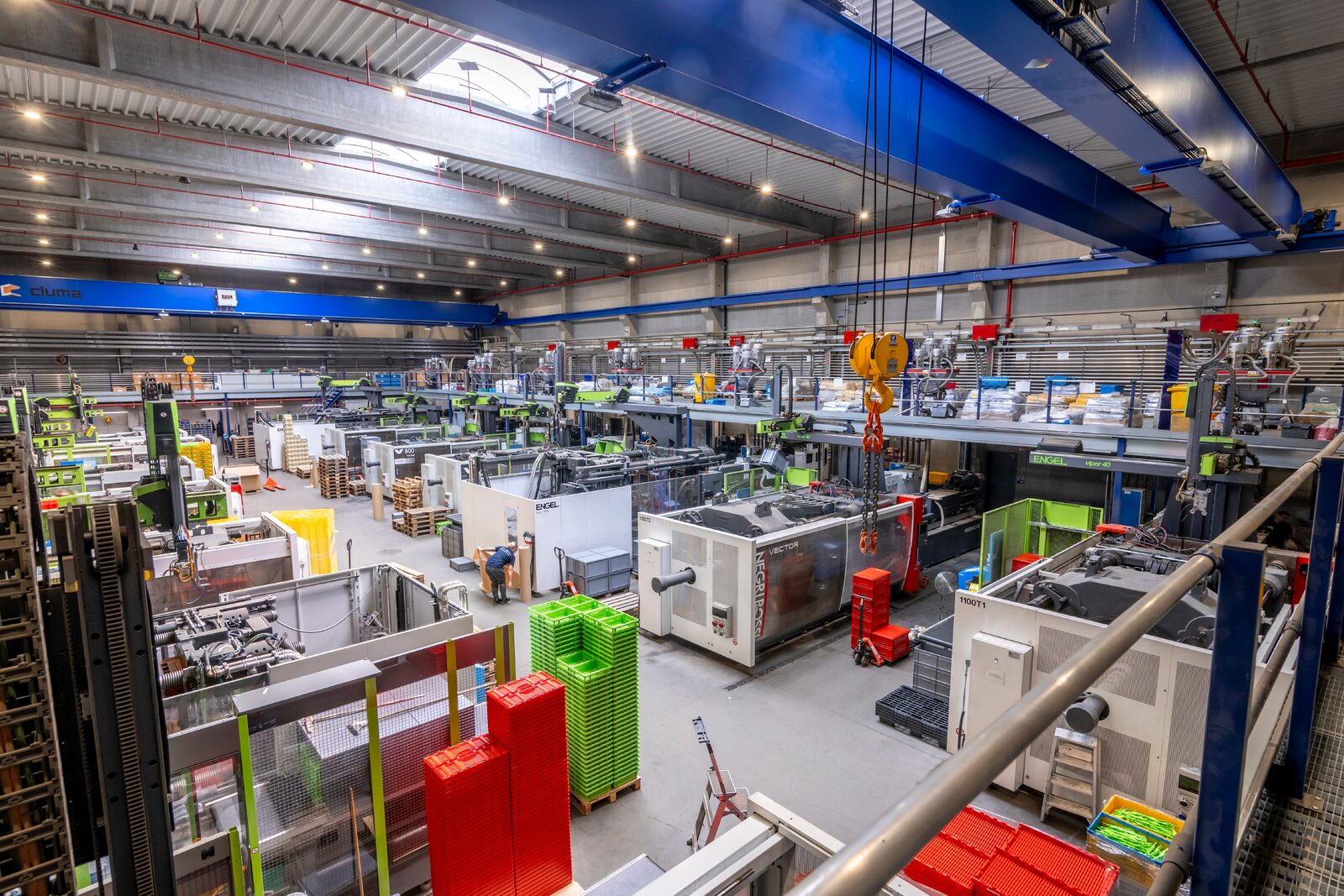
GW-SF’s focus on more efficient logistics chains extends beyond Belgium. Companies with locations in different countries prefer to organize their packaging flows the same way everywhere. Moreover, those seeking to comply with the PPWR want to apply that approach in every region. A European network of in-house sales representatives and dealers makes that possible. "We are Europe-oriented and find that this provides significant added value for our customers," says Verhaeghe. "Still, our decision-making process involves few intermediate steps. We’re still a family-owned business, which allows us to adapt quickly." Van Sas adds: "As a result, the path from the customer’s request to a customized solution is short."
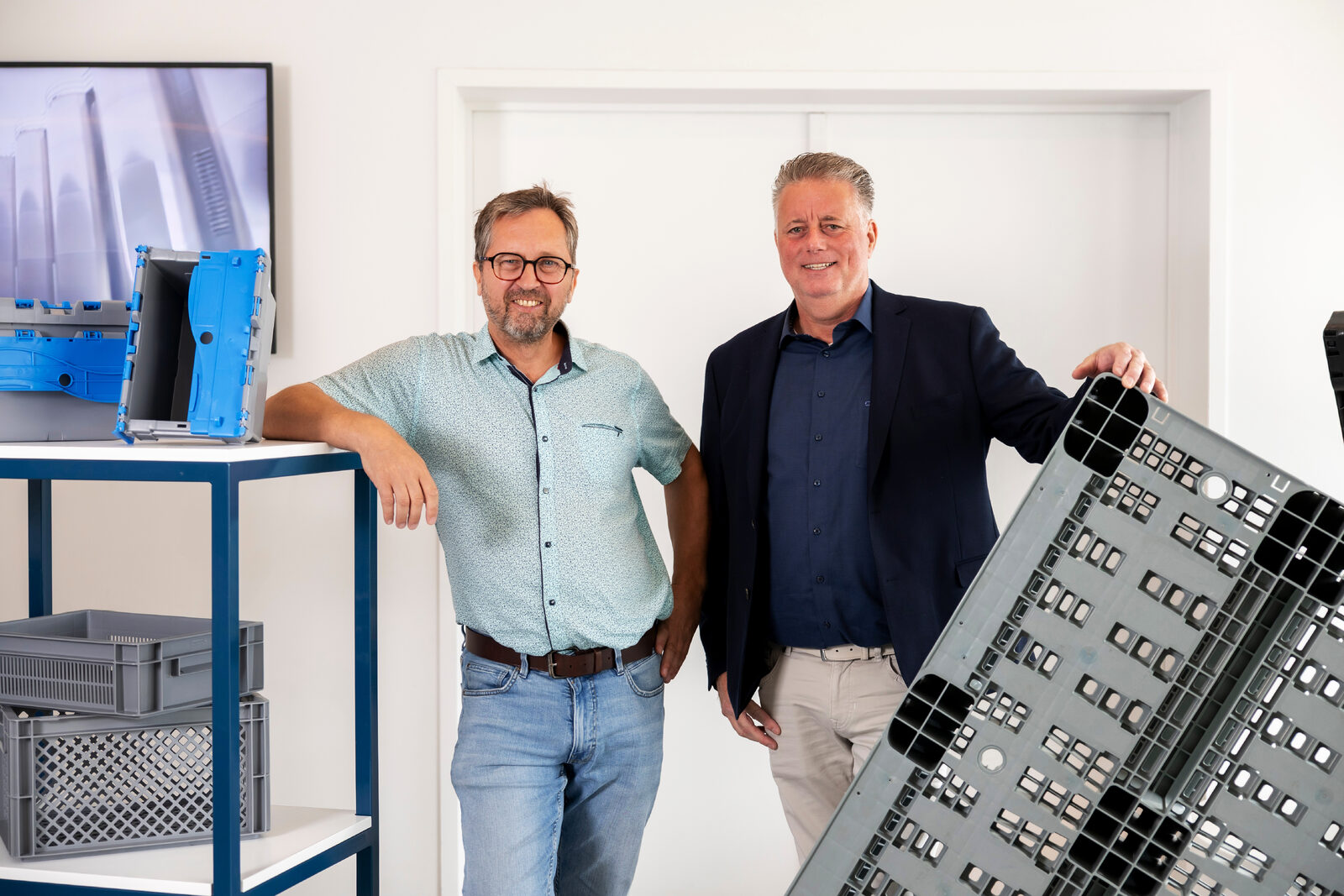
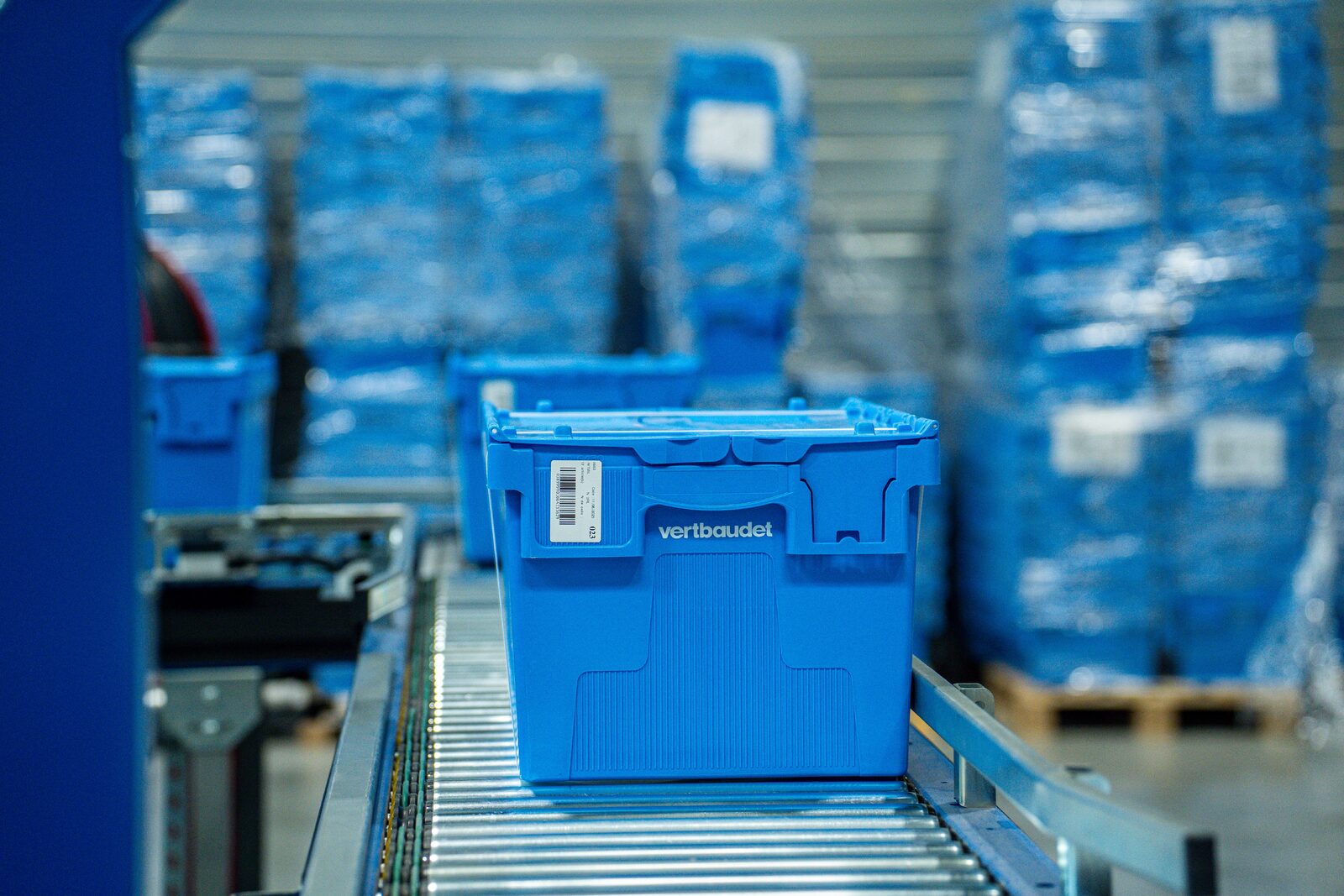
The customer’s application and logistical context determine which product configuration is most efficient. For example, certain containers combine stackability during use with nestability when they are returned empty. Ease of use is also taken into account in the design: "Because the right side of our bins is a different color than the left side, the stacking or nesting direction is immediately recognizable," explains Verhaeghe.
According to Verhaeghe, space-saving and sustainability go hand in hand: "If you can transport more cargo per trip thanks to space-saving products, you need fewer trips. That not only reduces logistics costs, but also fuel consumption and emissions." He believes the recent PPWR also lends additional weight to this approach: "What Europe is increasingly demanding today in terms of reuse and circularity is partly in line with the principles we’ve been applying to our product development since our founding."
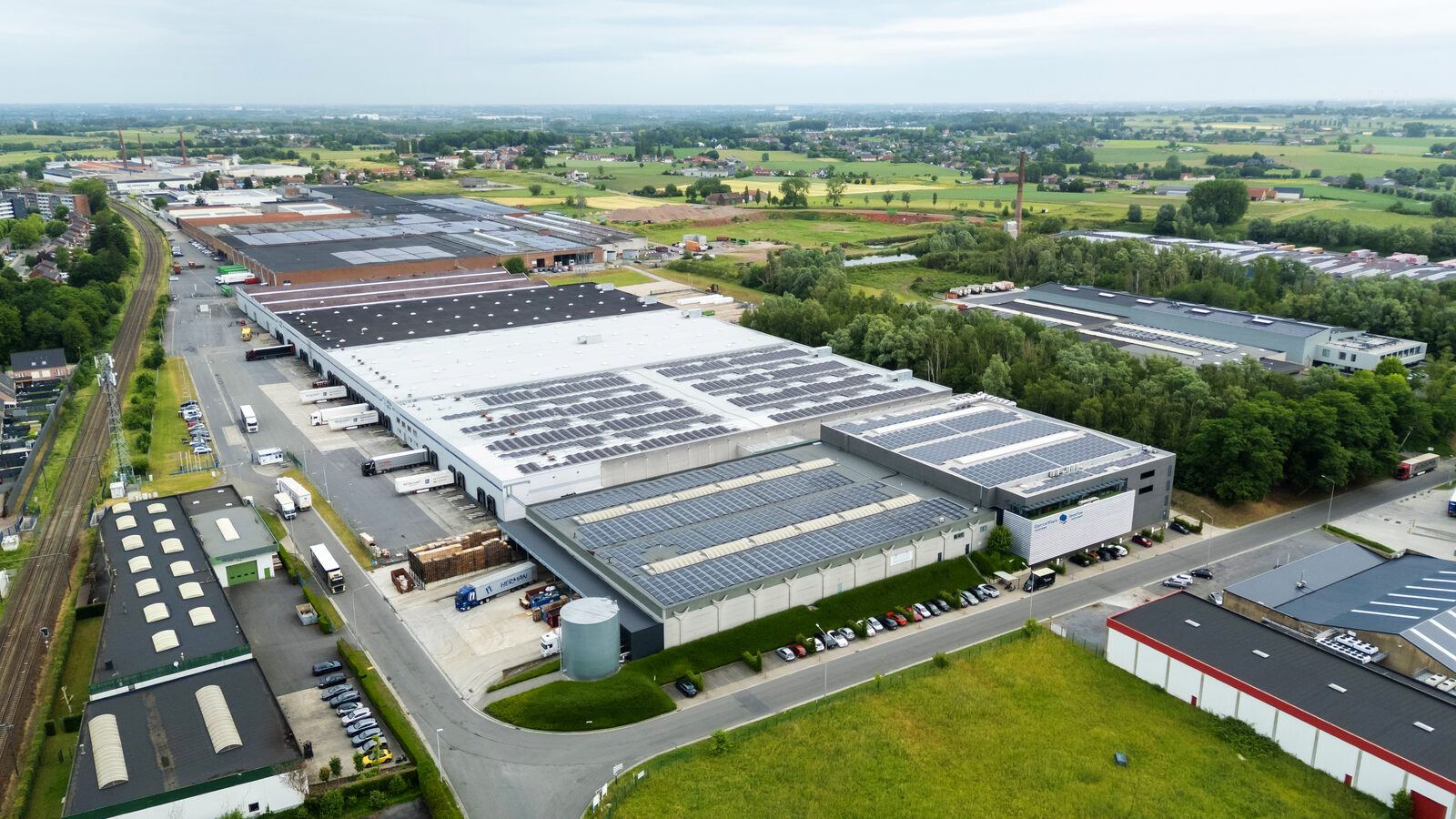
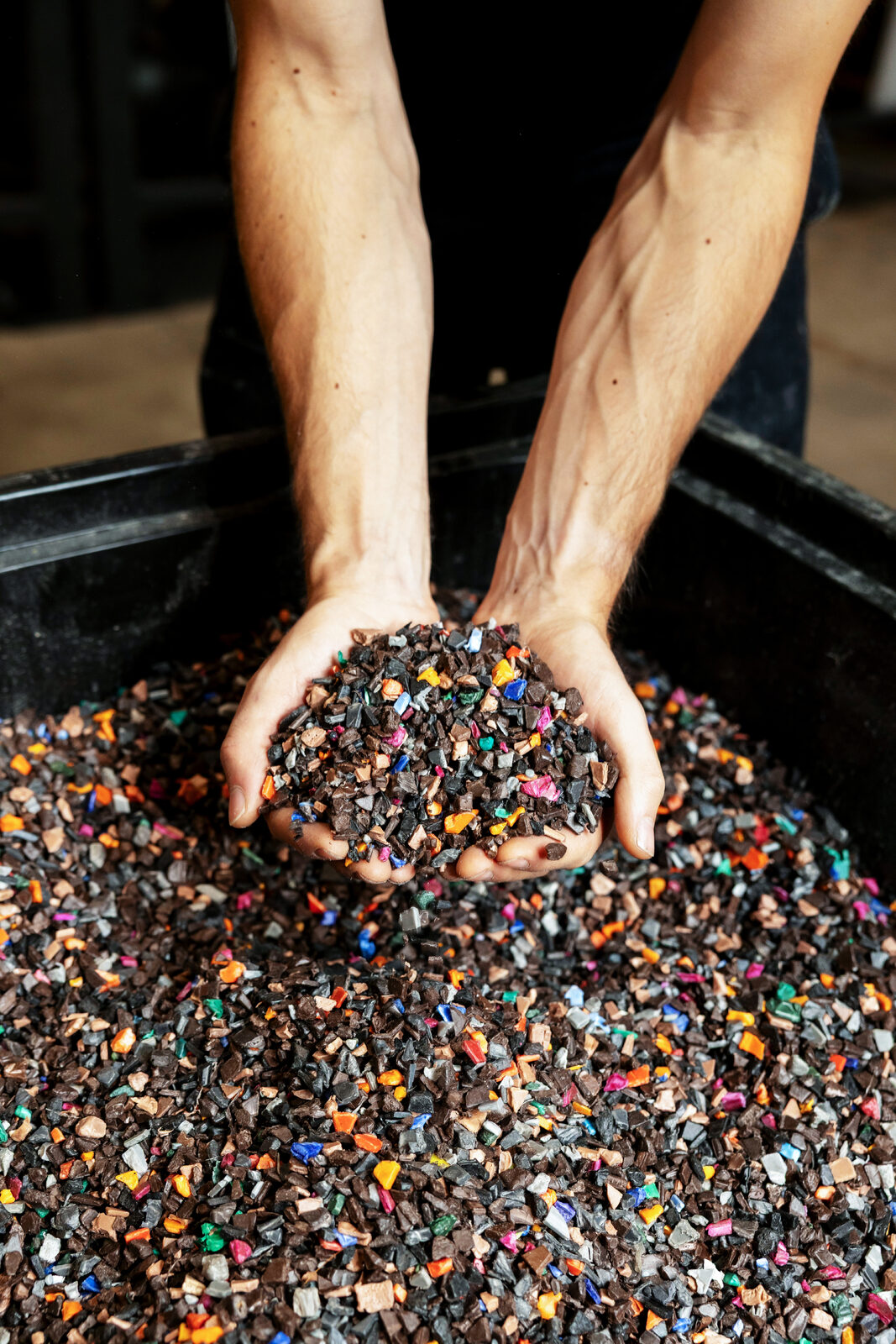
The fact that sustainability and space efficiency go hand in hand also fits perfectly with GW-SF’s business operations: from investments in solar panels and more energy-efficient production technology to the use of as many recycled raw materials as possible. "We also consider the entire life cycle of our products. They are designed for long-term reuse and can be recycled again at the end of their useful life," Van Sas adds.