warehouselogistiek.eu
EN

The platform for internal & external logistics, supply chain and automation
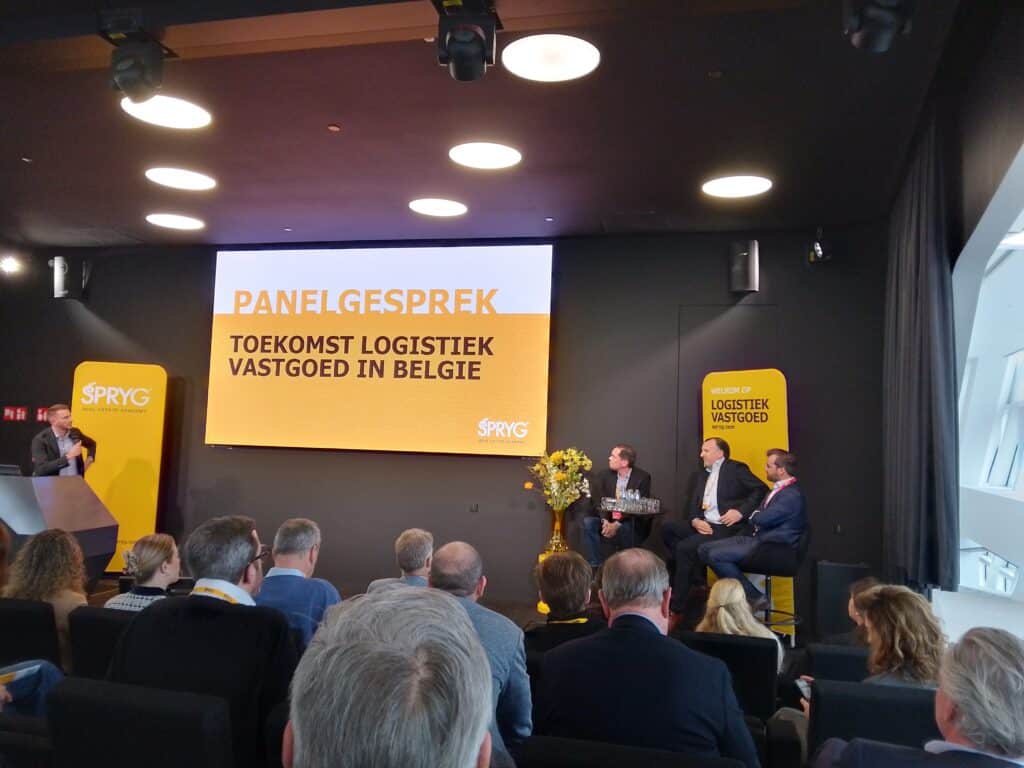
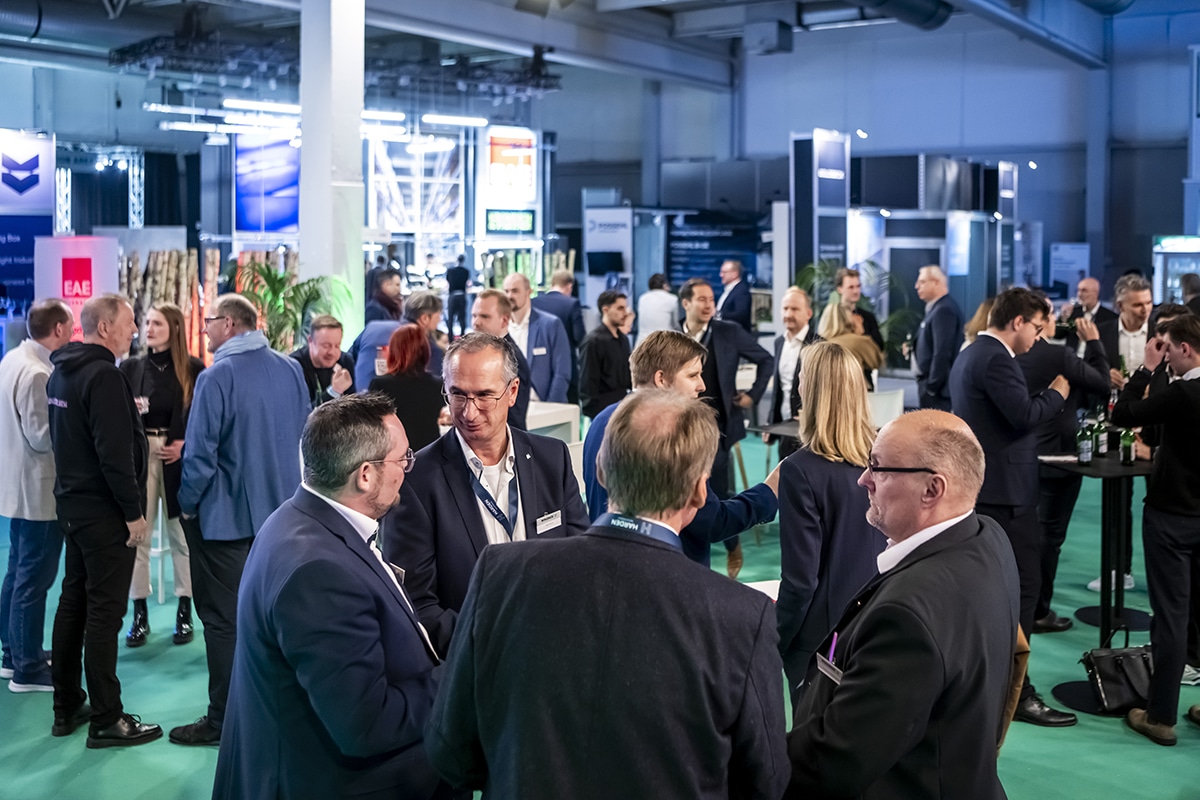
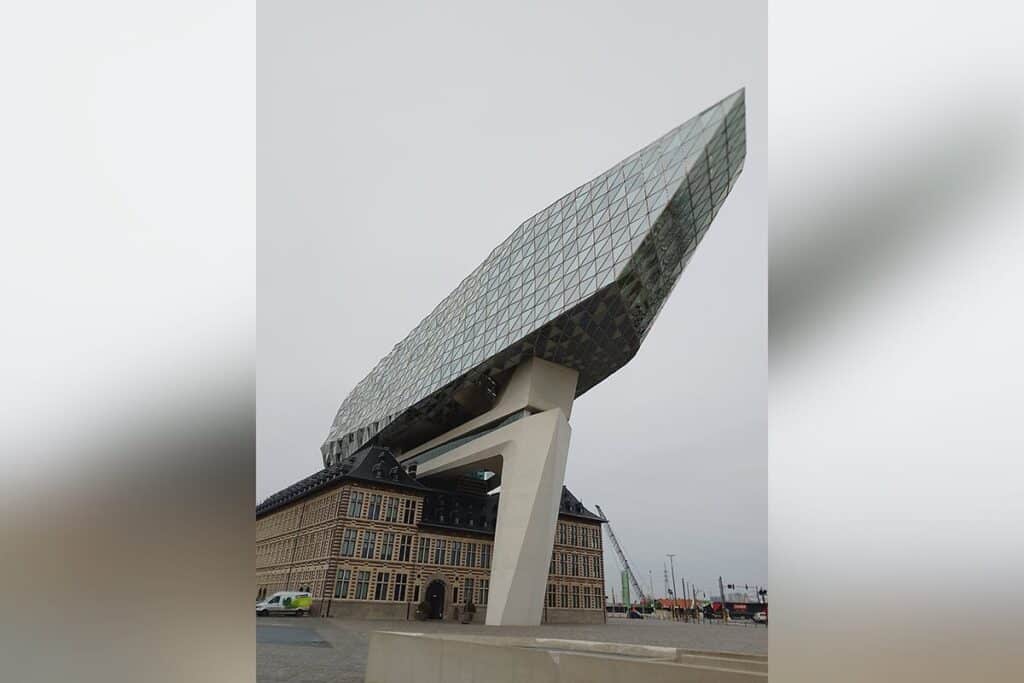
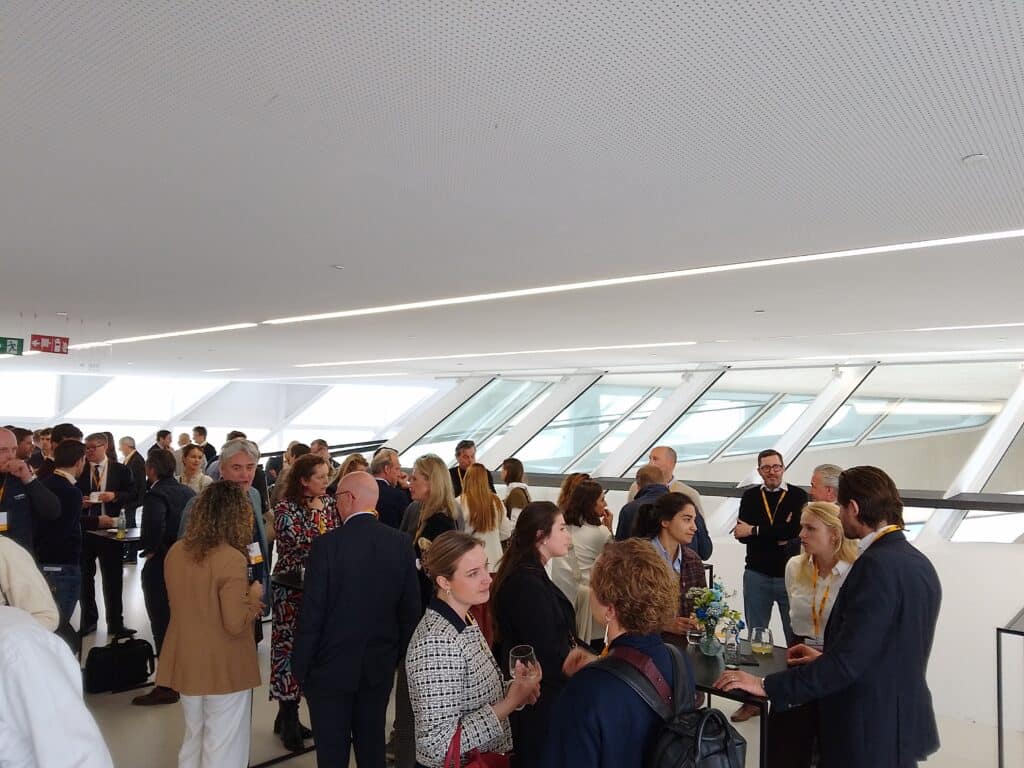
On March 24, 2026, SPRYG Real Estate Academy hosted the 15e edition of the Logistics Real Estate Day Belgium. During this well-attended study afternoon at the Port of Antwerp-Bruges Port Hall - moderated by Christophe Wuyts, Head of Industrial Agency at Ceusters Vastgoed - one conclusion quickly became clear: logistics real estate is at a tipping point. What was once a relatively predictable sector is today evolving into a complex and dynamic playing field under the influence of geopolitics, technology, energy (management) and spatial scarcity. Waiting for stability is no longer an option.
According to Johan Beukema (Managing Partner at Buck Consultants International), stable, global supply chains are giving way to more flexible and regional networks. Companies are bringing production and distribution closer to their markets and building additional resilience into their chains.
Supply chains are thus evolving from static structures to dynamic systems, supported by data, digitization and continuous monitoring. For Europe, this means a realignment of logistics flows, with Central and Eastern Europe gaining ground, while Western Europe is under pressure due to higher costs and limited construction space for logistics projects.
We see this pressure on space most clearly in urban contexts. There, the growth of e-commerce clashes with physical and organizational constraints, resulting in inefficient and unsustainable last-mile distribution.
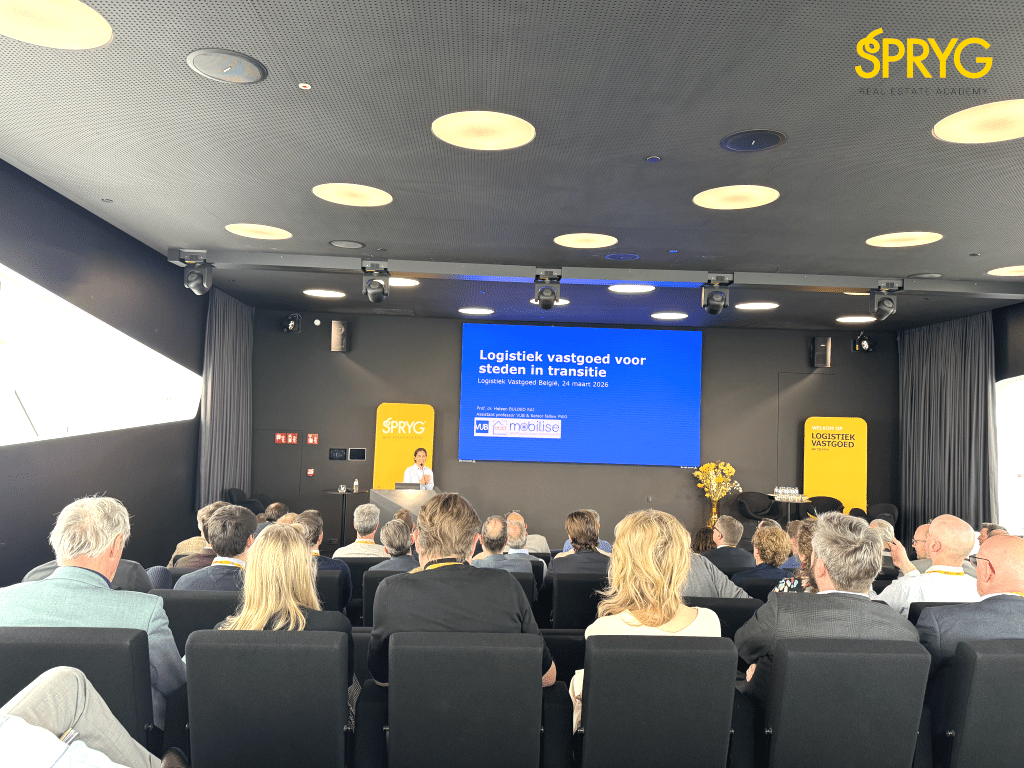
Prof. Dr. Heleen Buldeo Rai (VUB) outlined how urban logistics hubs - with examples in New York, Paris and Amsterdam - offer a solution by bundling deliveries and shortening distances. But that requires a fundamentally different view of real estate: vertical warehouses, function blending and integration into the urban fabric are becoming increasingly important. The challenge is not only technical, but also policy-related. Without appropriate regulations and spatial planning, the rollout of urban logistics will remain laborious.
(Renewable) energy has since evolved from a prerequisite to a core component of logistics real estate. According to Robin Bruninx, CEO of Encon, electrification, data center growth and geopolitical uncertainty are putting pressure on the electricity grid in Belgium, making grid congestion increasingly common.
As a result, logistics players are becoming active energy managers, with their own production, storage and smart control. Solar panels, batteries and charging infrastructure are an integral part of new projects. The result? A fundamental shift, where logistics real estate becomes not only an operational asset, but also an energy platform that generates value.
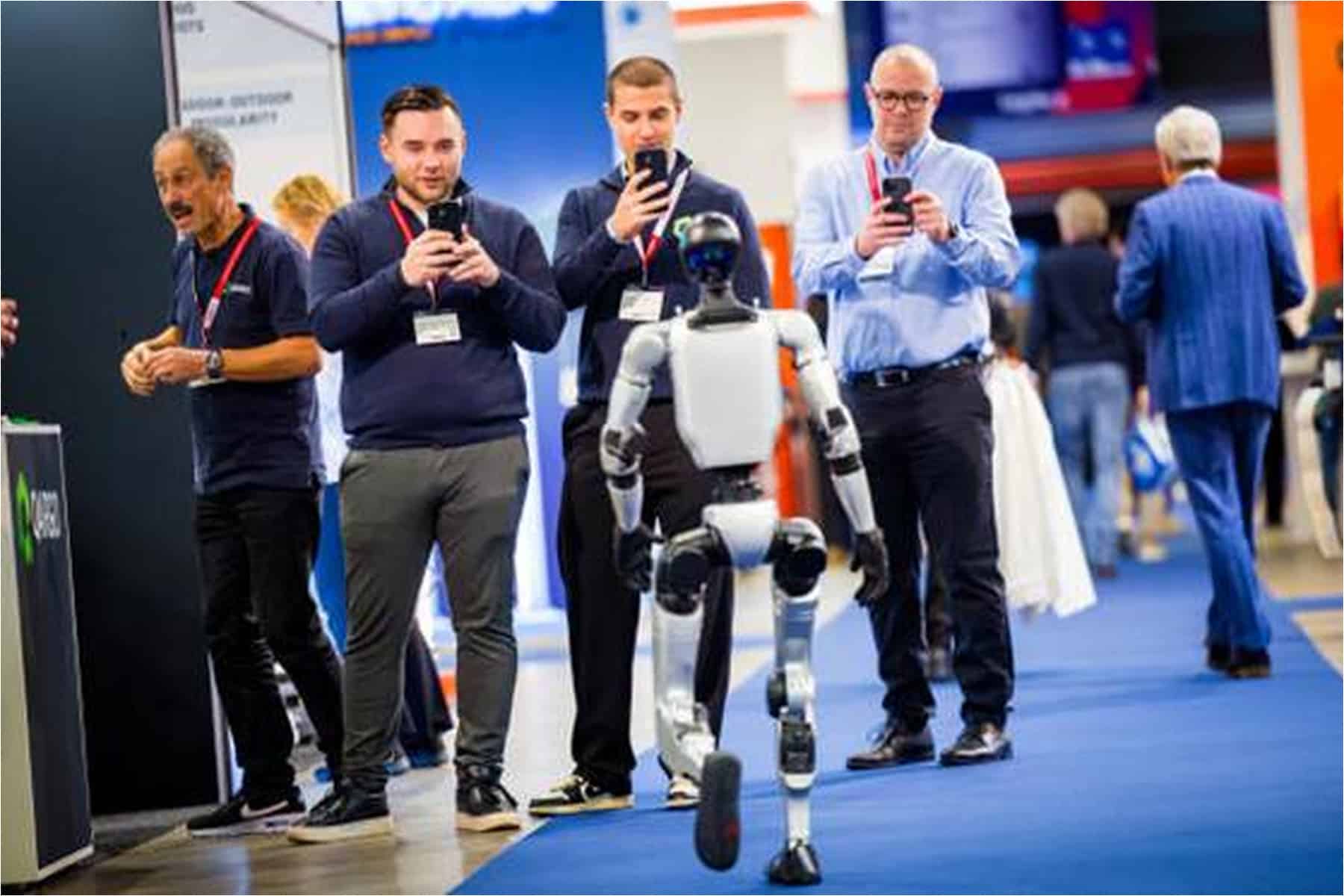
Labor shortages and lack of space are forcing companies to work more efficiently. Automation plays a crucial role in this. Jonathan Bytebier, Sales Manager at Movu Robotics, demonstrated how new technologies such as 2D and 3D shuttle systems make it possible to optimize both new and existing warehouses. Because of their flexibility and scalability, these systems lower the threshold for automation, even for existing buildings. The result is a warehouse that is not only more efficient, but also more resilient to peaks and fluctuations in demand.
The theme of spatial scarcity for logistics construction projects in Belgium ran as a thread through two concluding debates. During a first debate with VLAIO, Montea EN Weerts Group the effectively available space in Flanders turns out to be more limited than often thought, as a result of which the policy is focusing on more efficient use through redevelopment, mixing functions and strategic planning. For companies, this translates into a growing need for flexibility: large lots in prime locations are scarce, and activities are more often spread geographically.
At the same time, the focus is shifting from large-scale new construction projects to reconversion of existing sites. Energy plays an increasingly important role in this. Locations with available capacity or possibilities for in-house production are gaining in importance, although accessibility remains decisive for certain users. The trade-offs between mobility, energy and space therefore differ from project to project.
Also in the Belgian main ports (Brussels Airport Company, Port of Antwerp-Bruges EN North Sea Port), space is becoming scarcer and more selectively used. The emphasis there is shifting from expansion to optimization, with more focus on brownfield development. Complex permitting procedures and external factors such as international competition are putting additional pressure. Energy and sustainability are both a challenge and a necessary transition.