warehouselogistiek.eu
EN

The platform for internal & external logistics, supply chain and automation

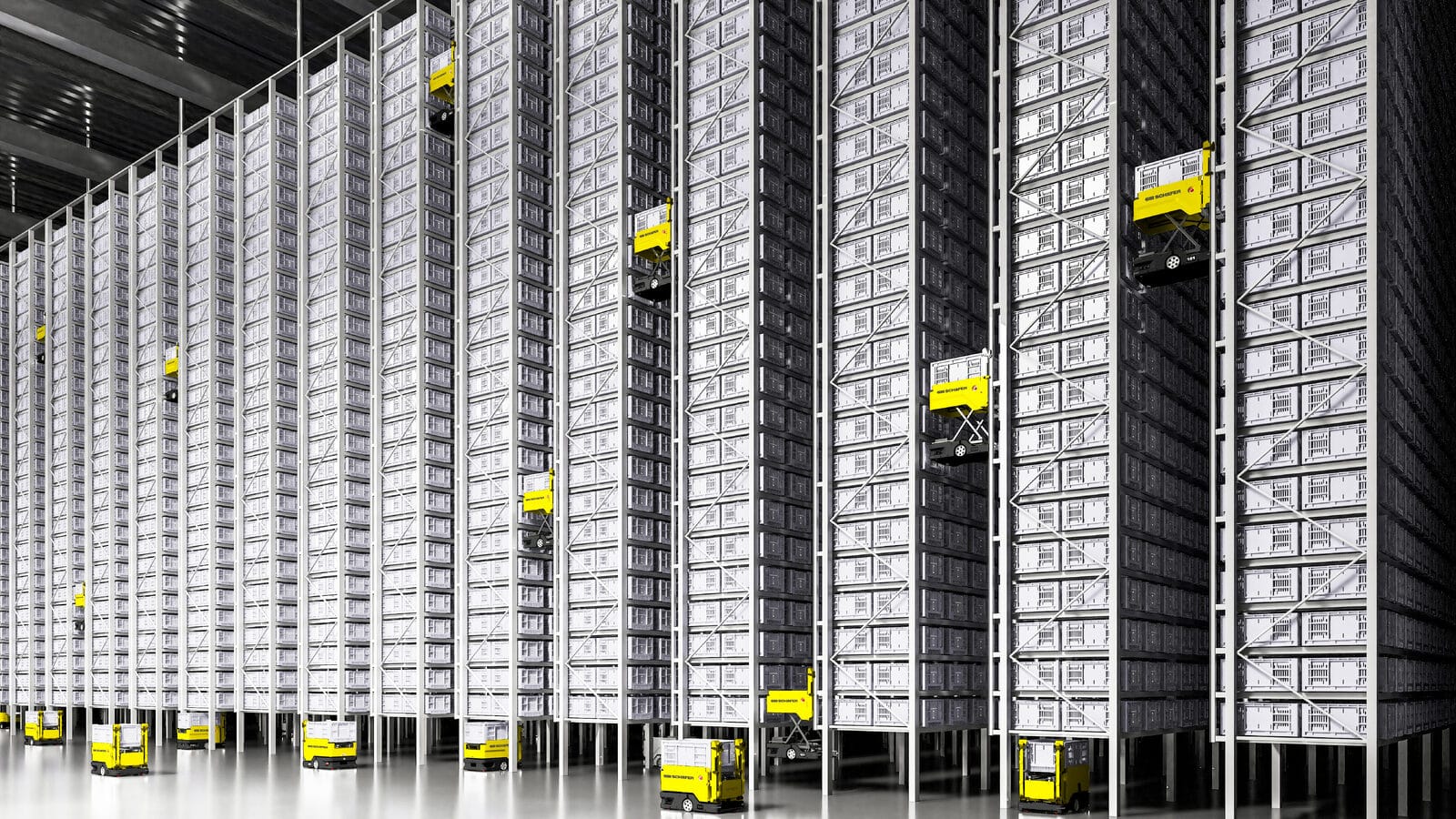
Anyone who walks into a distribution center today sees mostly robots. Shuttles that shoot through racks at lightning speed. Conveyor belts that never stand still for a moment. Software that determines what goes where. It sometimes seems as if humans are slowly disappearing from the warehouse.
But those who think automation is a matter of “put down a few robots and done,” are wrong.
In our world, we do not build individual machines, but complete production plants. Automated warehouses are capital-intensive installations that must last for years. They must run stably, day in and day out. That requires engineering, integration, service and - above all - knowledge. A lot of knowledge.
The demand for automation is growing rapidly. That's not news. The e-commerce boom has structurally changed logistics, and that movement continues. But a robot by itself does not make a distribution center.
We find that customers sometimes think that automation is sort of plug-and-play. That you open a catalog, go through a configurator and have a running installation a few weeks later. That's not how it works. Every project is customized. Each warehouse has its own processes, constraints and ambitions. And every investment has to prove itself over years.
What concerns me at least as much is the role of people in this increasingly automated world. The forklift driver is slowly disappearing from the warehouse. In their place are technicians, software specialists and maintenance engineers. People who understand how systems work together. People who can read data. People who prevent failures instead of just solving them.
And that's where it falters.
Enrolment in technical and logistics courses is under pressure, while the need for knowledge and skills is actually increasing. We are building distribution centers that are fully automated, but training sometimes still focuses on jobs that will hardly exist in the future. This is not a reproach, but a signal. As a sector, we will have to invest in education and training. Not only out of idealism, but also out of self-interest. Without technicians no running systems. Without knowledge, no reliable logistics.
Automation makes our work more efficient, faster and predictable. Sensors measure temperature, vibration and noise. Data tells us when maintenance is needed, even before a malfunction occurs. That helps tremendously, especially now that good technicians are scarce. But technology does not replace responsibility.
In the end, it's all about trust. Customers invest millions in installations that have to carry their logistics. Then you want partners who think along, advise honestly and stay once the system is up and running. Not just during the sale, but afterwards.
Automation is radically changing logistics. This is irreversible and also necessary. But let's not pretend that humans are disappearing from the picture. On the contrary. In a world full of robots, human knowledge makes all the difference. The future of the warehouse is automated. The future of logistics remains human work.
René Wolters
managing director KNAPP Benelux
Neem dan rechtstreeks contact op met KNAPP Benelux BV.
 Contact opnemen
Your Value Chain Tech Partner Do you want to automate every step of your value chain? Then you've come to the right place: our one-stop automation and digitization solutions are your ticket to the future! Automate your logistics activities Powerful robotics meets intelligent software. With our range of intelligent automation solutions, including shuttles, bots, bag sorters, AMRs, WMS, WCS, analysis tools [...]
Bekijk Bedrijfsprofiel