warehouselogistiek.eu
EN

The platform for internal & external logistics, supply chain and automation
‘Warehouse Automation That Pays Off’
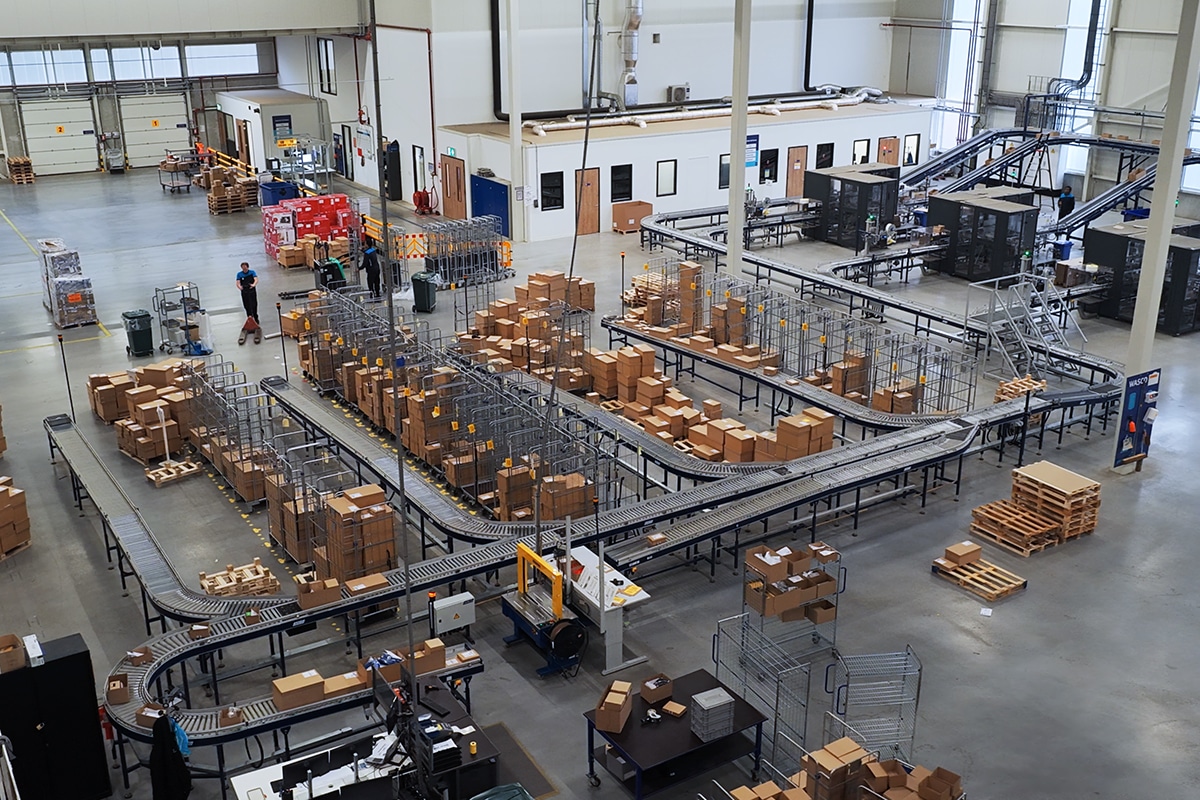
For many companies, automation is no longer a question of ‘if.’ What matters much more is how an automated warehouse system can be integrated into existing processes, how quickly the investment will pay for itself, and whether the solution will still be suitable if the product range, volumes, or requirements change.
It is precisely in this regard that modern, flexible automation concepts differ from traditional, rigid systems. Five factors are particularly important in this context.
Automation must be economically viable. This is not just a matter of reducing labor costs. Shorter distances, faster process speeds, fewer errors, better use of space, and automated processes also affect total operating costs.
The advasolutions system is designed to reduce total cost of ownership (TCO) by up to 30 percent. Depending on the specific application, the investment can pay for itself in as little as about 1.5 years. This makes automation an attractive option even for companies that do not want to completely redesign their entire warehouse right away.
Virtually no company today knows exactly what requirements its warehouse will need to meet in five or ten years. Automation, therefore, does not need to be tailored to a maximum future scenario from the outset.
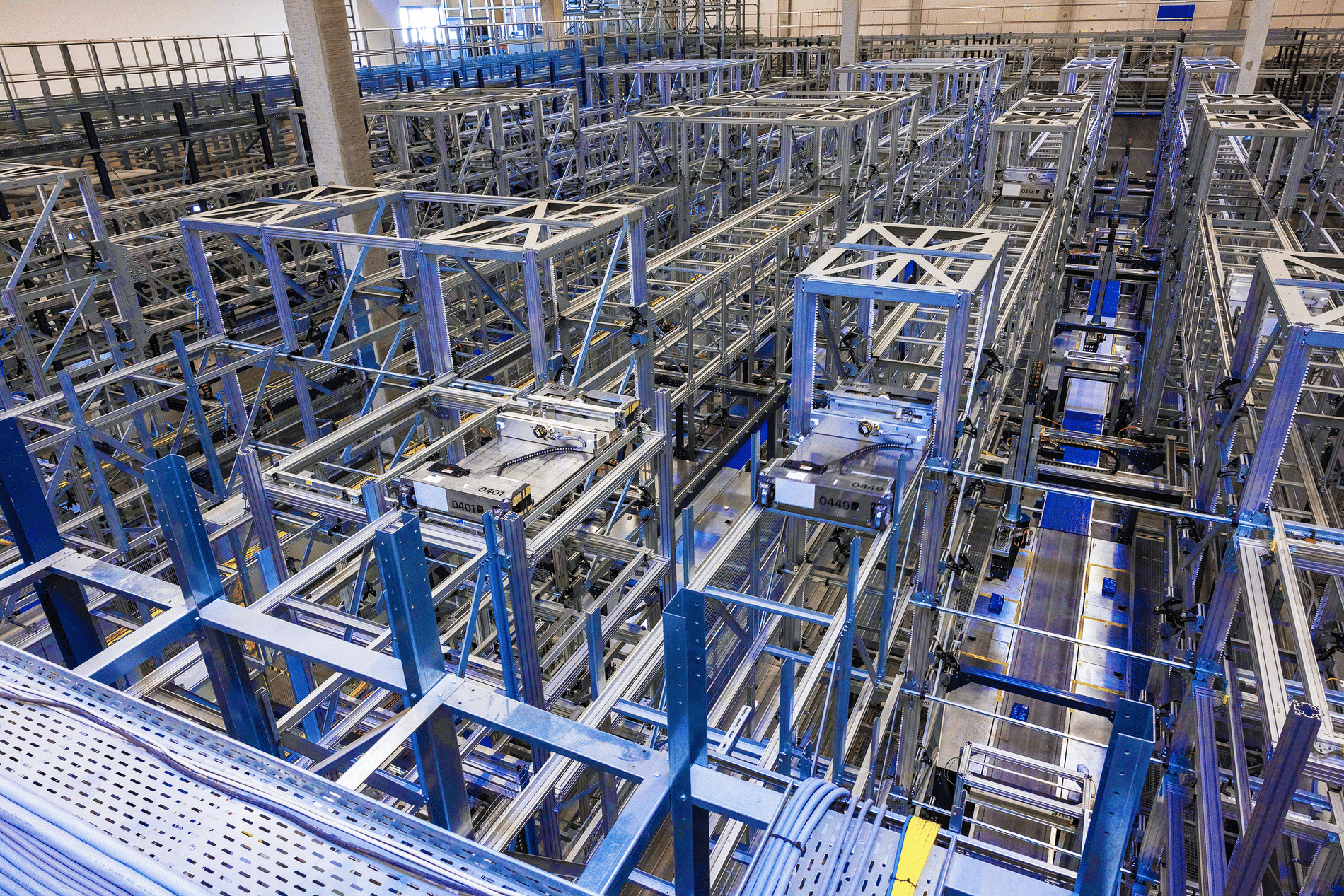
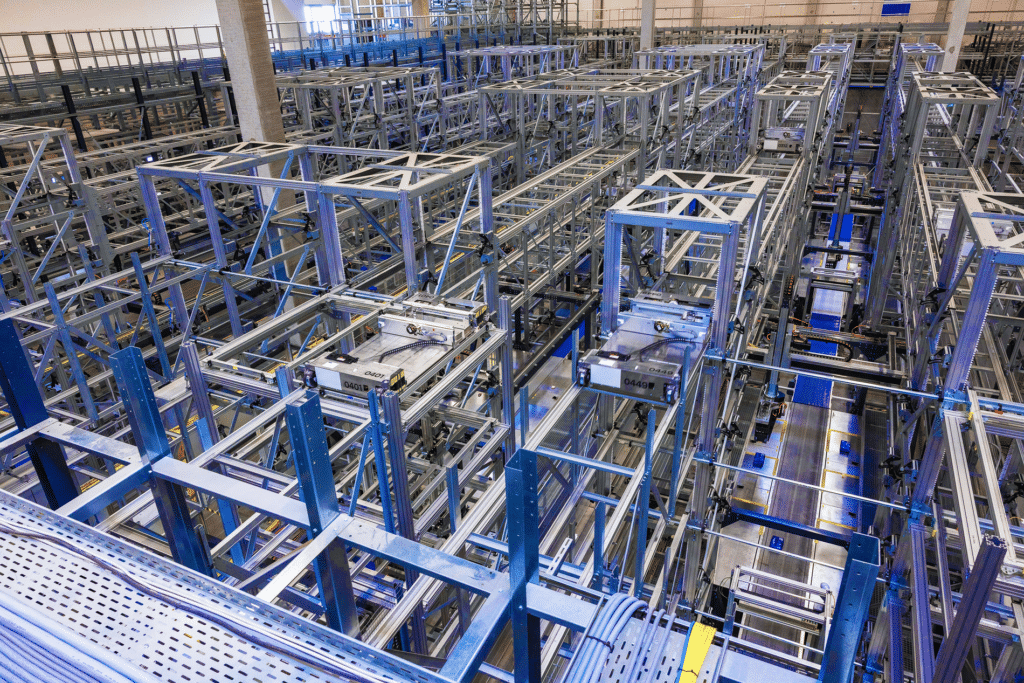
advasolutions’ modular architecture makes it possible to automate individual sections or zones first. As order volume or performance requirements increase, additional shuttles, rack sections, or zones can be added. This allows capacity and performance to grow in line with actual demand.
It is precisely at locations where operations have been underway for years that the need for automation is often particularly great: in existing warehouse environments, or “brownfields.” However, existing buildings, organically developed processes, and existing ERP and WMS structures often make traditional automation projects complex.
That is why advasolutions’ technology has been designed to integrate into existing warehouse and IT environments. Companies can continue to use their current infrastructure and add automation in stages, rather than having to completely adapt their processes and facilities to a new system.
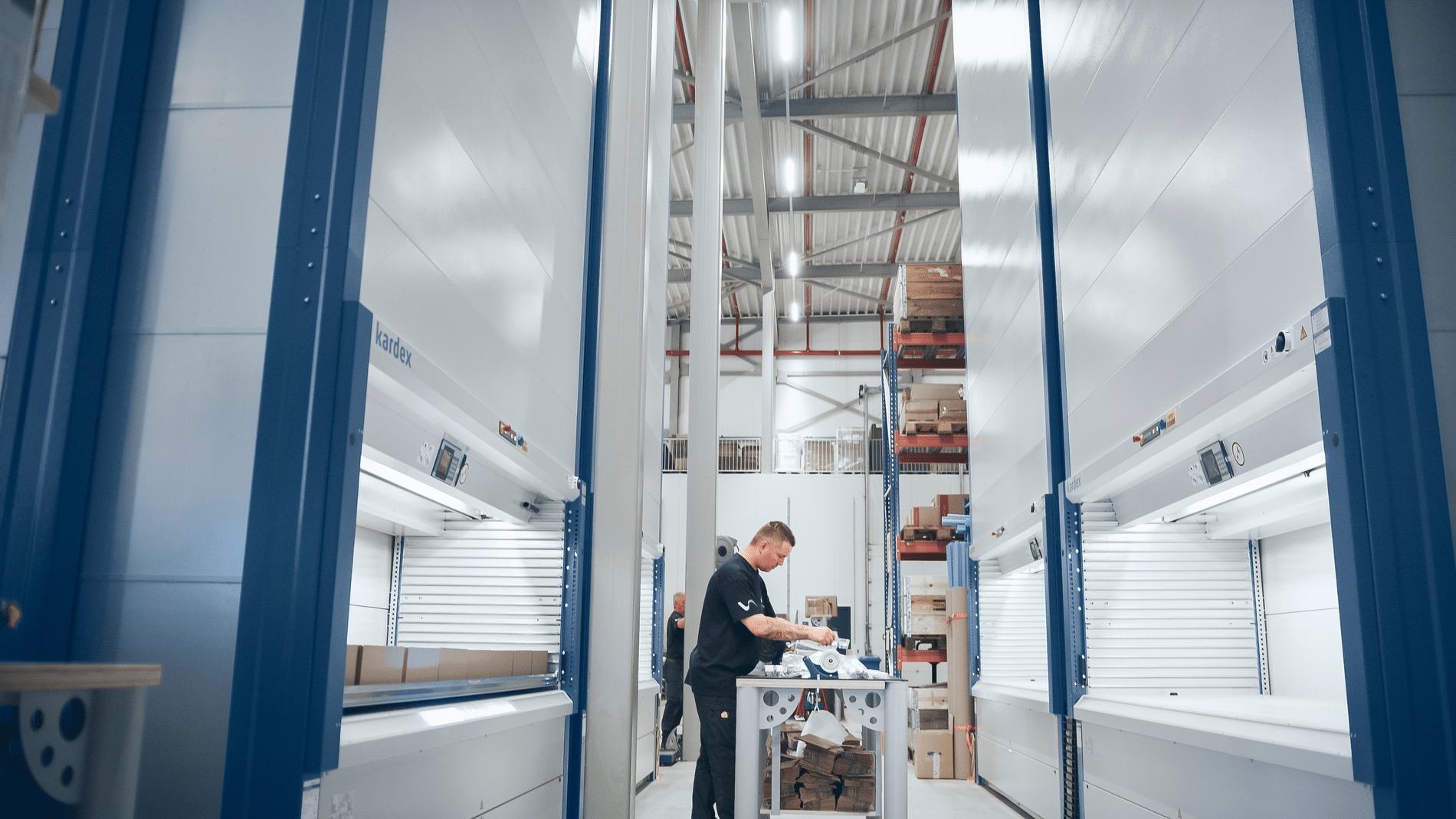
Many automated warehouse systems operate extremely efficiently with standardized bins. In practice, however, the reality in the warehouse is often different: boxes, loose items, various packaging sizes, and bulky ‘ugly goods’ are all part of the daily inventory.
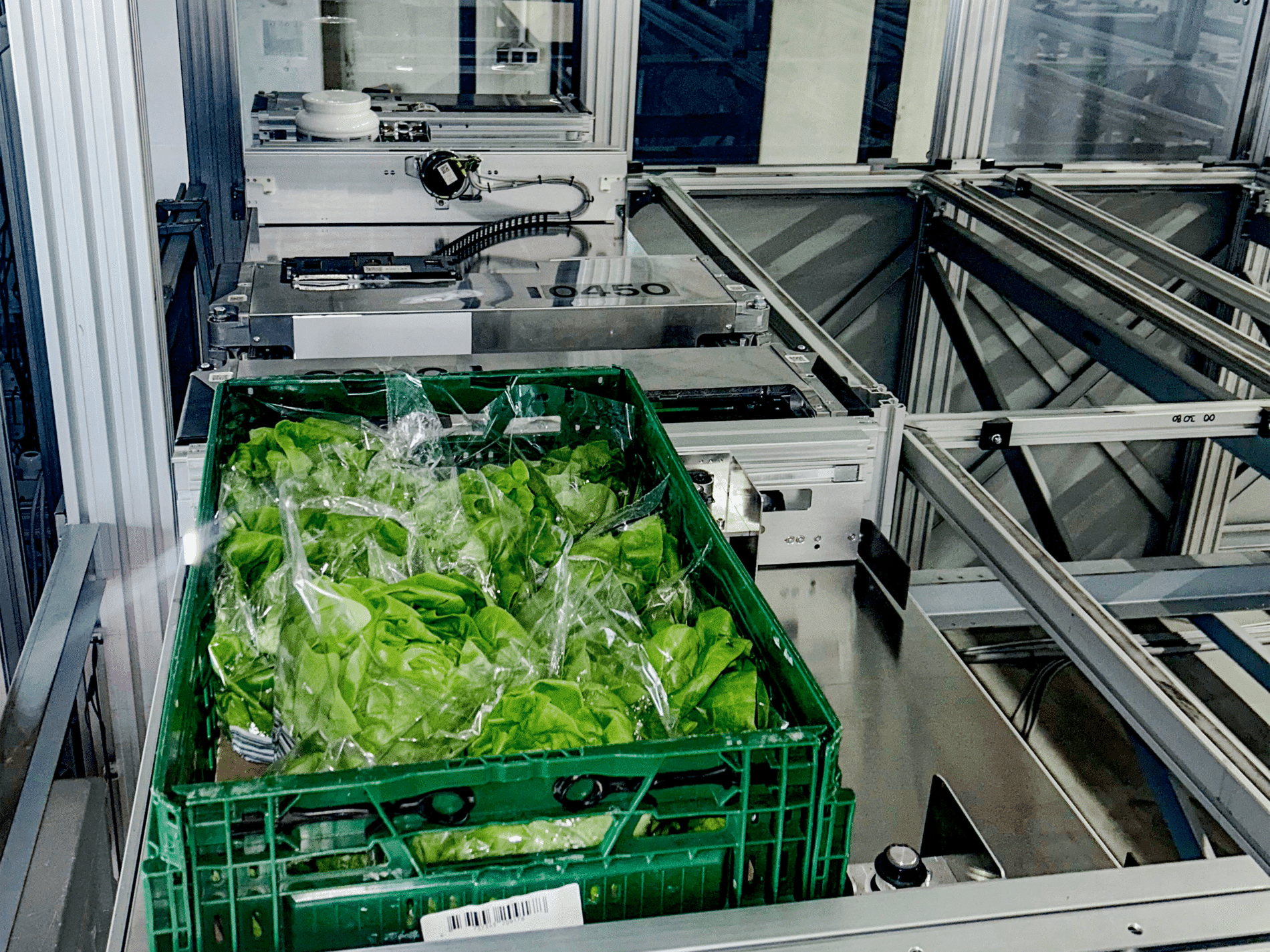
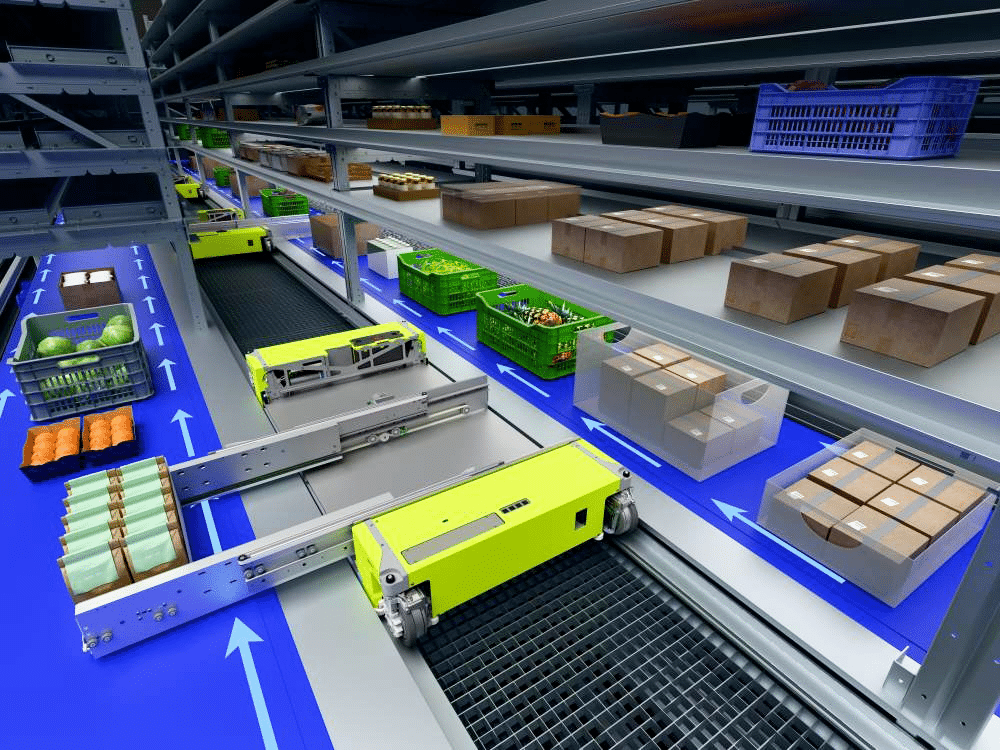
The advasolutions system therefore employs an item-oriented approach. Different types of goods can be stored directly, without first having to be repackaged into uniform system bins. Dynamic storage locations adapt to the actual space required. This reduces the number of additional process steps and, at the same time, enables better utilization of the available warehouse space.
Automation doesn't stop at the movement of goods. The data generated in the process is just as important.
Relevant product data can be recorded digitally as soon as goods are received. 5D scanning and a digital twin ensure that items and goods movements remain traceable within the system. As a result, companies know where their goods are at all times. This transparency forms the basis for more accurate inventory, fewer errors, and data-driven optimizations.
advaManager is the central software platform for logistics companies. It allows you to digitize your logistics processes from start to finish: from orders and warehouse management to invoicing. Instead of using various standalone solutions that don’t integrate well with each other, everything is consolidated into a single tool. This means consistent data, clear process responsibilities, and full transparency regarding all goods movements within the supply chain.
The demands placed on modern warehouses are changing rapidly. Automation must therefore not only be suited to today’s processes. Cost-effectiveness, modularity, ease of integration, product diversity, and transparency determine whether a solution offers long-term value. Modern warehouse automation must therefore be able to do one thing above all else: continue to evolve alongside the company.