warehouselogistiek.eu
EN

The platform for internal & external logistics, supply chain and automation
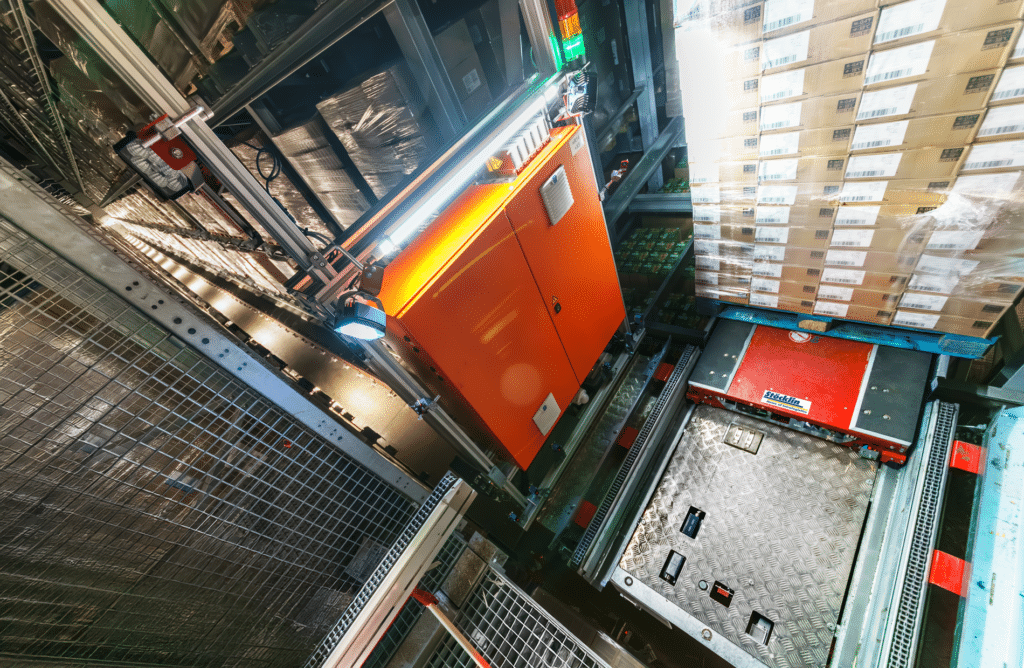
In Rheine, Germany—a short distance from the Dutch border—NewCold demonstrates how maximum system availability, lifecycle services, and sustainable modernization go hand in hand. After all, in highly automated frozen-food warehouses, success depends not only on the technology but, above all, on the system’s performance throughout its entire lifecycle.
For logistics service provider NewCold, maximum system availability is therefore a strategic KPI. The expansion of the distribution center demonstrates how automation, lifecycle services, and sustainable modernization contribute to a future-proof cold-chain operation.
NewCold operates the facility in Rheine five days a week, 24 hours a day, and even six days a week during seasonal peaks. As a result, the time available for maintenance is very limited. Reliability is not just a technical requirement; it forms the foundation of our service to customers. “If I don’t deliver the required reliability, I don’t get paid,” says Jörn Schoo, Technical Manager at NewCold Rheine.
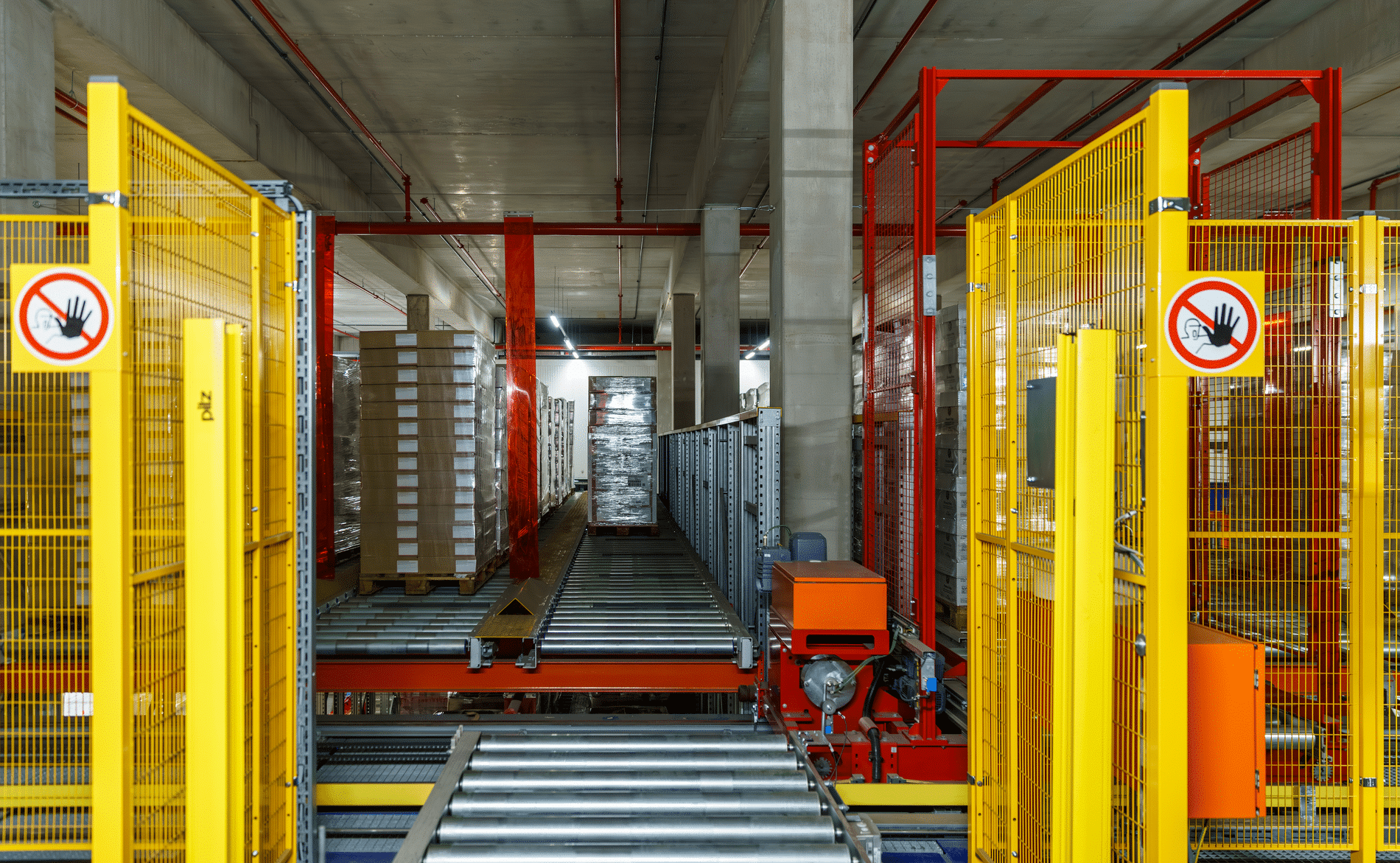
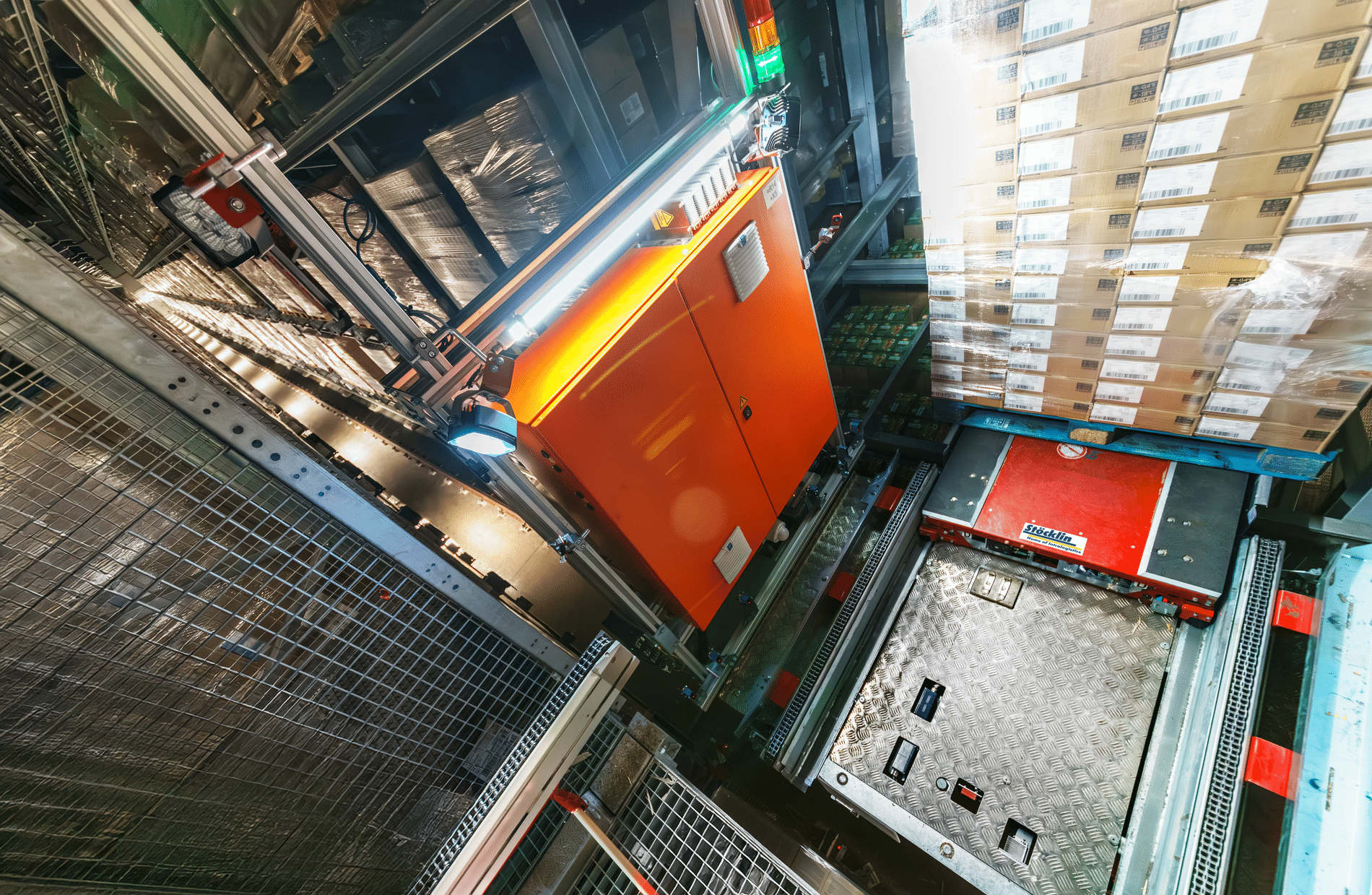
To accommodate business growth, the existing frozen-food warehouse—which had approximately 63,000 pallet spaces—was expanded by an additional 34,000 to 36,000 spaces. To achieve this, Stöcklin built a four-aisle high-bay warehouse equipped with four 42-meter-high MASTer pallet cranes and wireless PowerShuttle technology. Thanks to PowerCaps for energy storage, the shuttles operate with exceptional energy efficiency and enable highly compact storage.
The expansion was completed while day-to-day operations continued largely uninterrupted. The Stöcklin Group drew on its experience from numerous automated frozen-food projects to combine high performance, maximum availability, and energy efficiency at constant temperatures of approximately –23 °C.
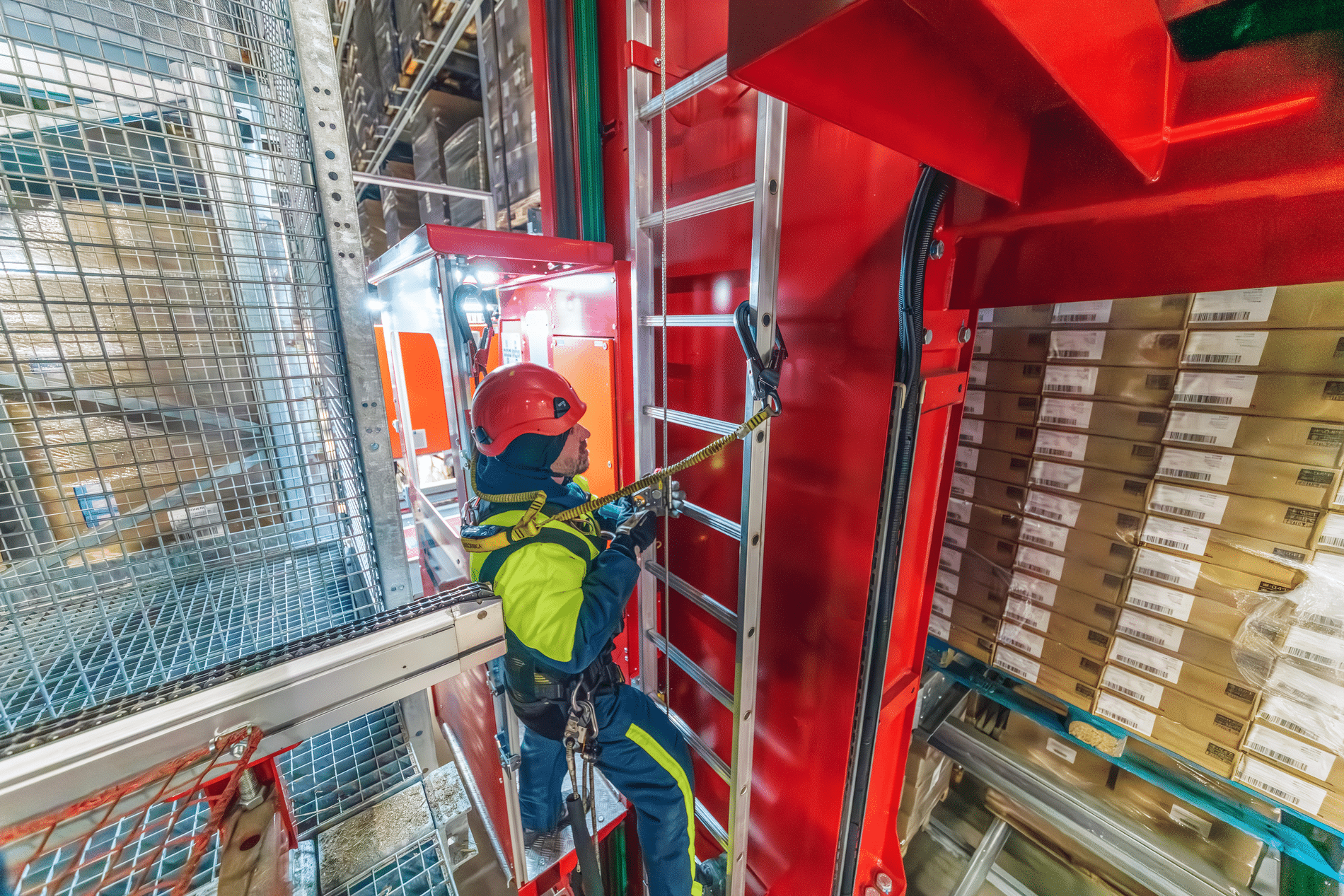
For a 3PL service provider, system availability is directly linked to the quality of service. That is why NewCold has made a conscious decision to implement technical redundancy. An additional PowerShuttle is permanently on standby. With this measure, the company aims to further increase its current availability of nearly 99 percent to virtually 100 percent. For a facility that handles up to 170 trucks daily during peak periods, every additional percentage point of availability makes a significant contribution to stable processes, delivery reliability, and further growth.
However, high availability is not achieved through reliable technology alone. A well-thought-out maintenance and lifecycle strategy also plays a crucial role. Daily maintenance is performed by NewCold’s in-house technical team, supported by specialists from the Stöcklin Group for the knowledge-intensive components of the system. This collaboration makes it possible not only to prevent malfunctions but also to plan for modernization and optimizations in a timely manner.
“Over time, you become blind to your own operations,” says Schoo. “A system partner looks at the installation from a different perspective and helps identify risks and areas for improvement early on.” In addition to preventive maintenance, safety inspections, retrofits, modernization, and predictive maintenance are therefore playing an increasingly important role in the lifecycle strategy.
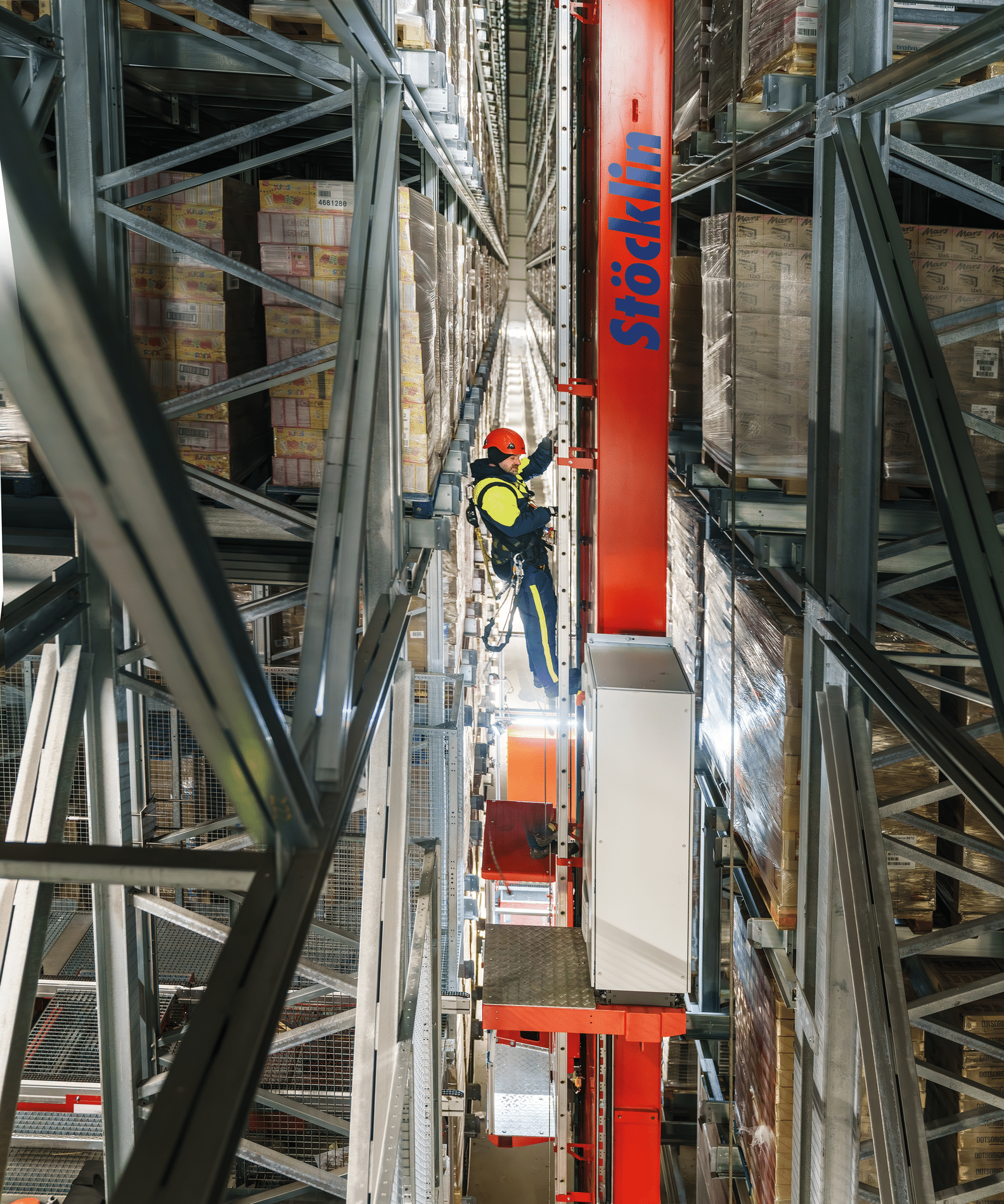
Today, sustainability also means making the most of existing systems. Through targeted retrofit projects, performance and energy efficiency can be improved without replacing entire systems. In addition, data and predictive maintenance make it possible to detect wear and tear early on, prevent unplanned downtime, and further extend the service life of systems.
Stöcklin has been active in the Benelux market for more than 35 years and supports international clients such as Ausnutria, Refresco, FrieslandCampina, and Nike with automated intralogistics solutions, lifecycle services, and retrofit projects. The collaboration with NewCold in Rheine demonstrates how technical innovation, long-term partnerships, and a well-thought-out lifecycle strategy contribute to a future-proof and highly reliable cold-chain operation.