warehouselogistiek.eu
EN

The platform for internal & external logistics, supply chain and automation
How Automation Takes Work Off Our Hands
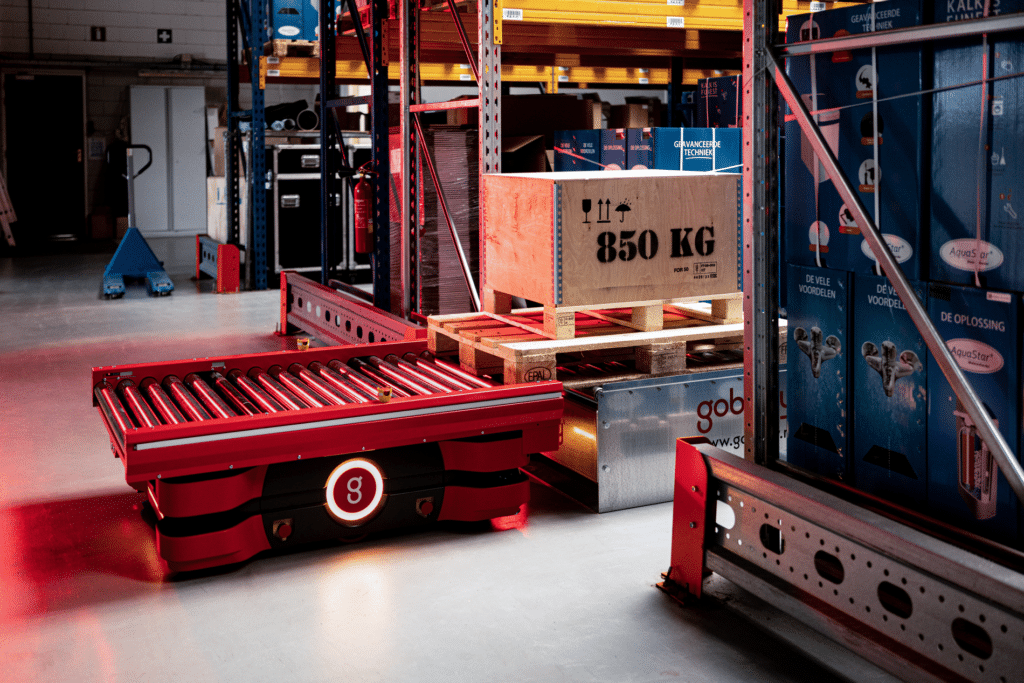
Even in the logistics sector, there’s still quite often a big gap between perception and reality. Arie Verhoeven, director at Gobotty, a developer of robotic solutions: “Companies that are on the fence about whether or not to implement automation—such as robots—should assess how many movements people make within, say, a warehouse. That can be incredibly enlightening.”
Despite challenges such as labor shortages and the difficulty of finding sites for new construction, various companies are still hesitant to take the step toward greater automation. Verhoeven: “As far as I’m concerned, the wait-and-see attitude of many companies is, in a large number of cases, unnecessary. Automation can take work off people’s hands. As a company, you can always start small and only expand once a pilot or project is successful.”
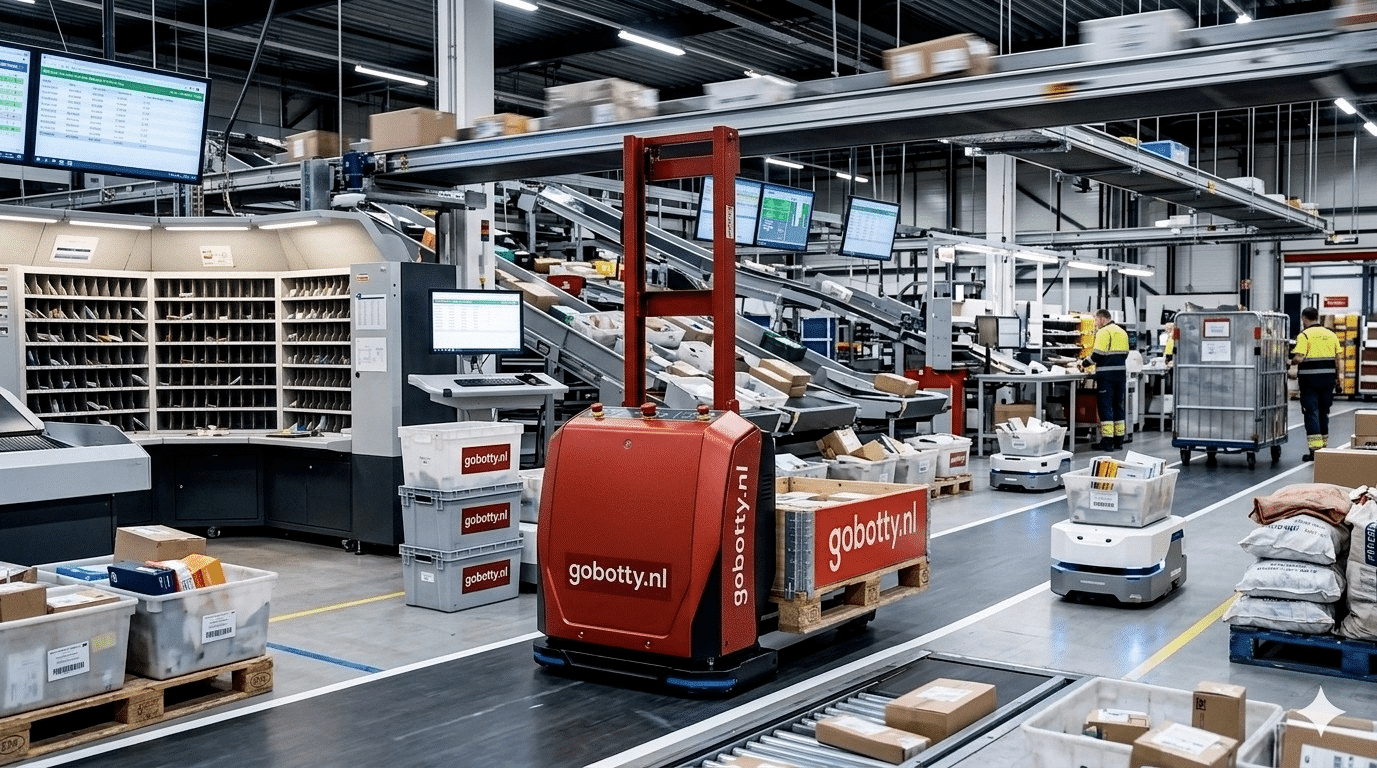
Verhoeven cites the example of a company he recently visited. “The company had the opportunity to build an additional warehouse. The extra space also meant that employees would have to walk farther. Yet the company was hesitant about automation. After mapping out the number of movements, management was shocked. Now, robots handle the delivery and removal of goods. Employees operate the equipment. The result: there’s time to spare, and staff walk much less.”
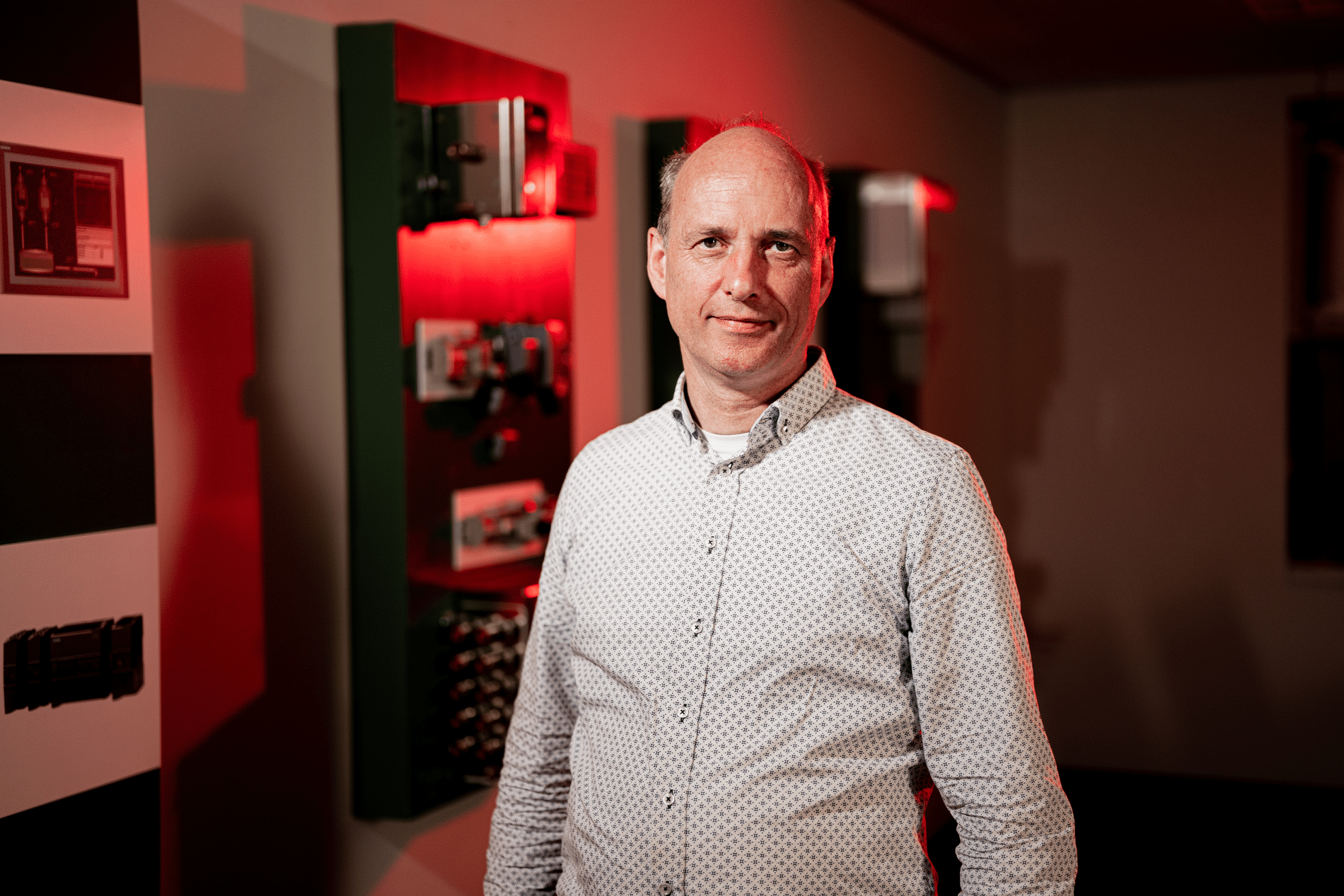
Verhoeven also sees a decline in the need for employees in similar cases. “Perhaps, as a company, you can manage with four people in the warehouse instead of six.” At the same time, he wants to point out that entrepreneurs“ attitudes toward automation and employees could certainly change. ”Even if you can expand your operations by relying on automation, there’s still a chance you’ll be able to manage with slightly fewer people.”
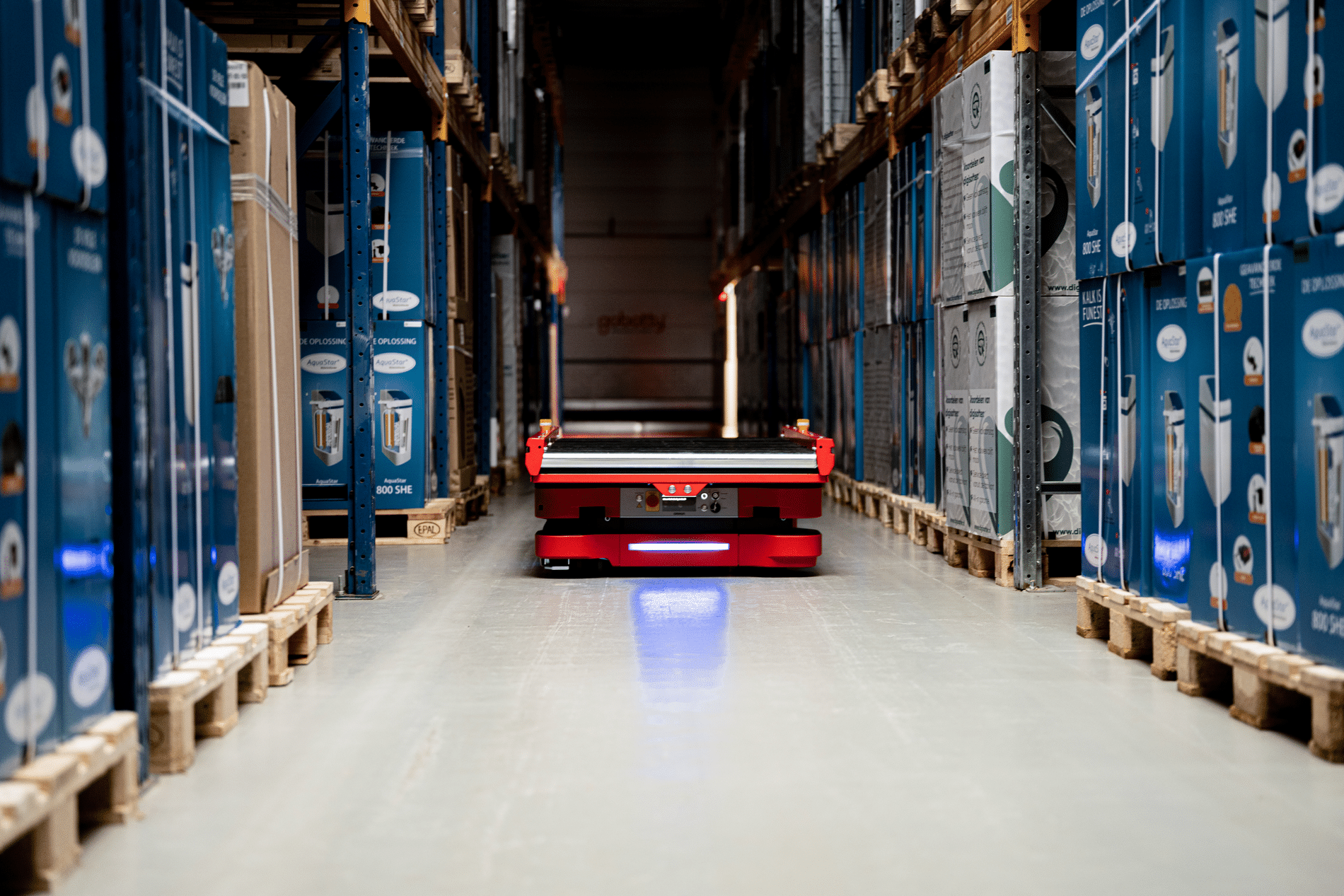
The owner of Gobotty claims that the robots his company rents out are almost always cheaper than what an employee costs per hour. “The business case usually comes together quickly.” And yet many companies remain hesitant. To convince business owners, he is increasingly offering AGVs, AMRs, or alternatives on a two-week trial basis. “Of course, a simpler location is preferred, but one where automation offers significant benefits. That gives companies a real chance to get a taste of success. After those two weeks, we often hear that we should just leave the robot there,” he says with a smile. “Still, we only rent out new products.”
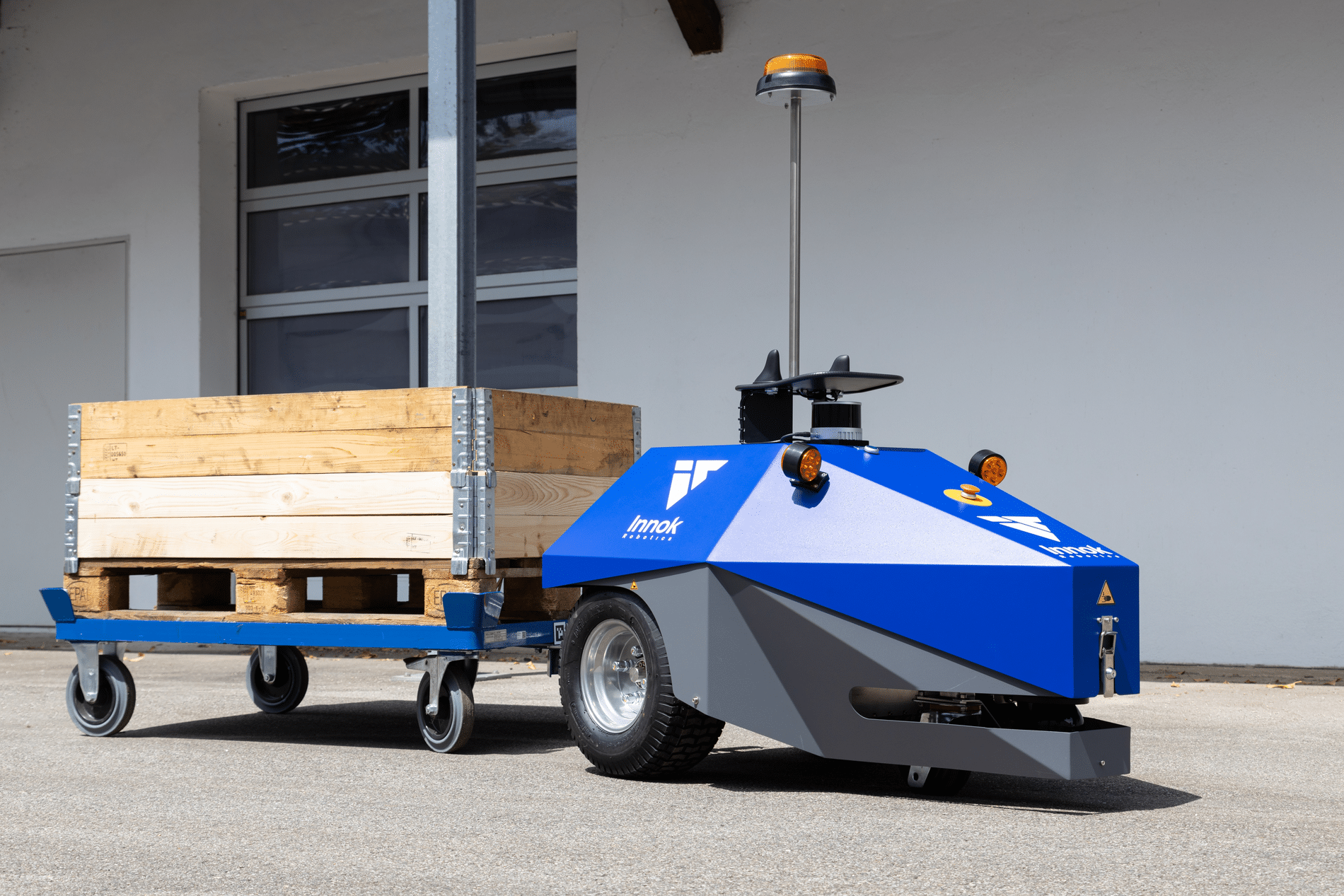
In addition to businesses in the logistics sector, Verhoeven sees opportunities to make operations within manufacturing companies or greenhouse horticulture more efficient. “Right now, you see employees manufacturing something at production line A or a CNC machine, and the next step takes place at station B. To move the item being manufactured, the company assigns an employee with a forklift or electric pallet truck. In practice, that person is away for quite a while—perhaps because he or she is chatting. The production line is empty during this time. If you deploy a robot and use a tablet to indicate that the product or pallet is ready, the robot can handle the transport. This saves a lot of time. I know of examples where production lines were not in use half the time. That came as a surprise to the companies in question, but the calculations didn’t lie. That makes the investment in a robot truly negligible.”

Neem dan rechtstreeks contact op met Gobotty B.V..
 Contact opnemen
At Gobotty, we believe that robotization is not just a product. It is an innovative service, moving companies forward by providing them with customized robotization solutions on a subscription basis. Robotization is invaluable, has many benefits to offer and is not just for the big players. To [...]
Bekijk Bedrijfsprofiel