warehouselogistiek.eu
EN

The platform for internal & external logistics, supply chain and automation
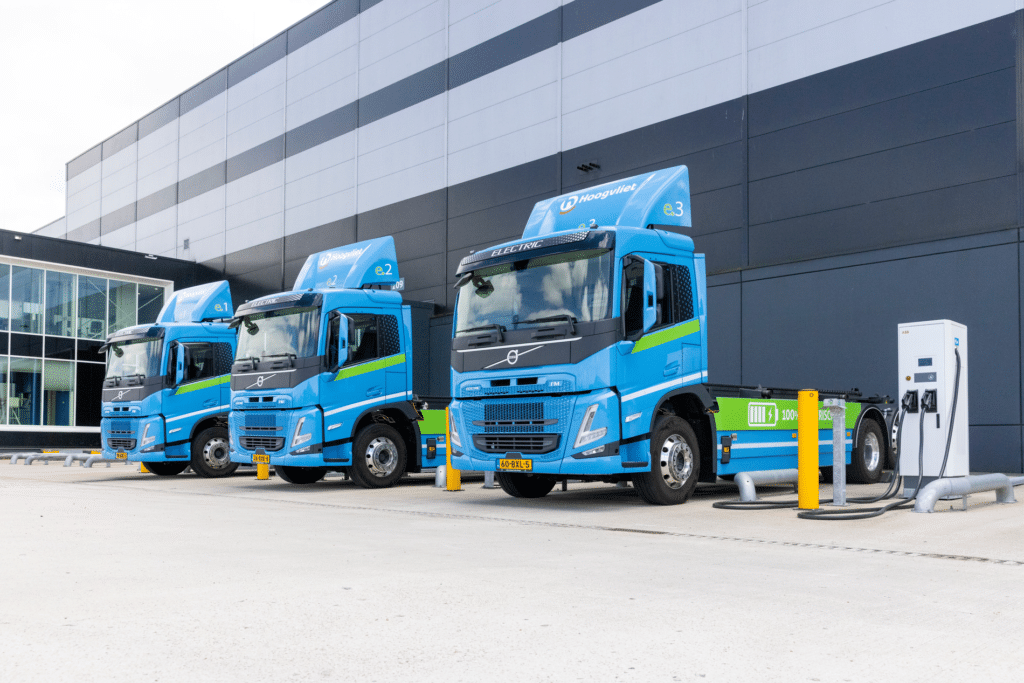
The electrification of distribution transport at supermarket chain Hoogvliet is no longer a pilot project. What started with three electric Volvo trucks is now a structural part of the fleet. Not because one factor was decisive, but because regulations, practical experience and CO2 reduction together pointed in the same direction. In the background, Volvo Connect is used to monitor the vehicles. The system runs with the operation and provides data on deployment and performance, although in daily planning it still plays mainly a supporting role.
“It's really been a combination,” says transportation manager Kees Twilt. “The first three electric vehicles went well. At the same time, you see environmental zones, the truck levy and, of course, the desire to reduce CO2. All those things together make you invest further.”
According to Twilt, the most important choice was not in buying the trucks, but in how to deploy them. Hoogvliet decided fairly quickly not to treat the vehicles as a separate pilot.
“We started cautiously with a small group of drivers, but soon we just had them join the schedule,” he says. “They do the same work as the diesel trucks. That was a conscious decision. If you keep them separate, it remains a test. We wanted to know: does this work in practice?”
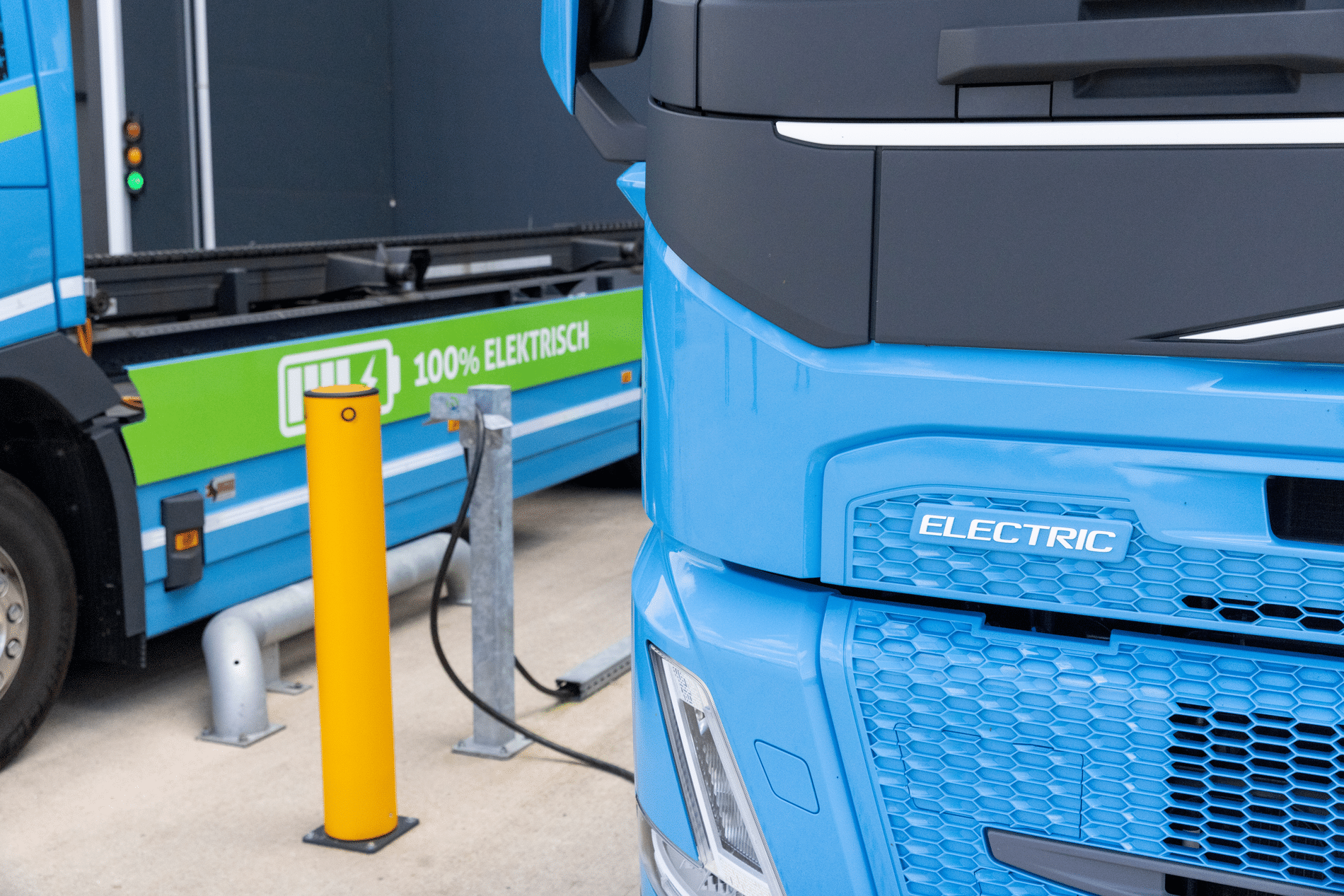
Trip planning includes battery percentage in addition to driving time. When a driver reports for the next trip, planning looks not only at the clock, but also at the available charge. Breaks are taken at the charging station whenever possible.
That took some getting used to at first, especially from drivers. “They drive more consciously,” Twilt said. “Paying more attention to coasting, anticipation. But ultimately there are a lot of similarities to diesel. If you make it complicated as an organization, everyone is going to find it complicated. That's exactly what we try not to do.”
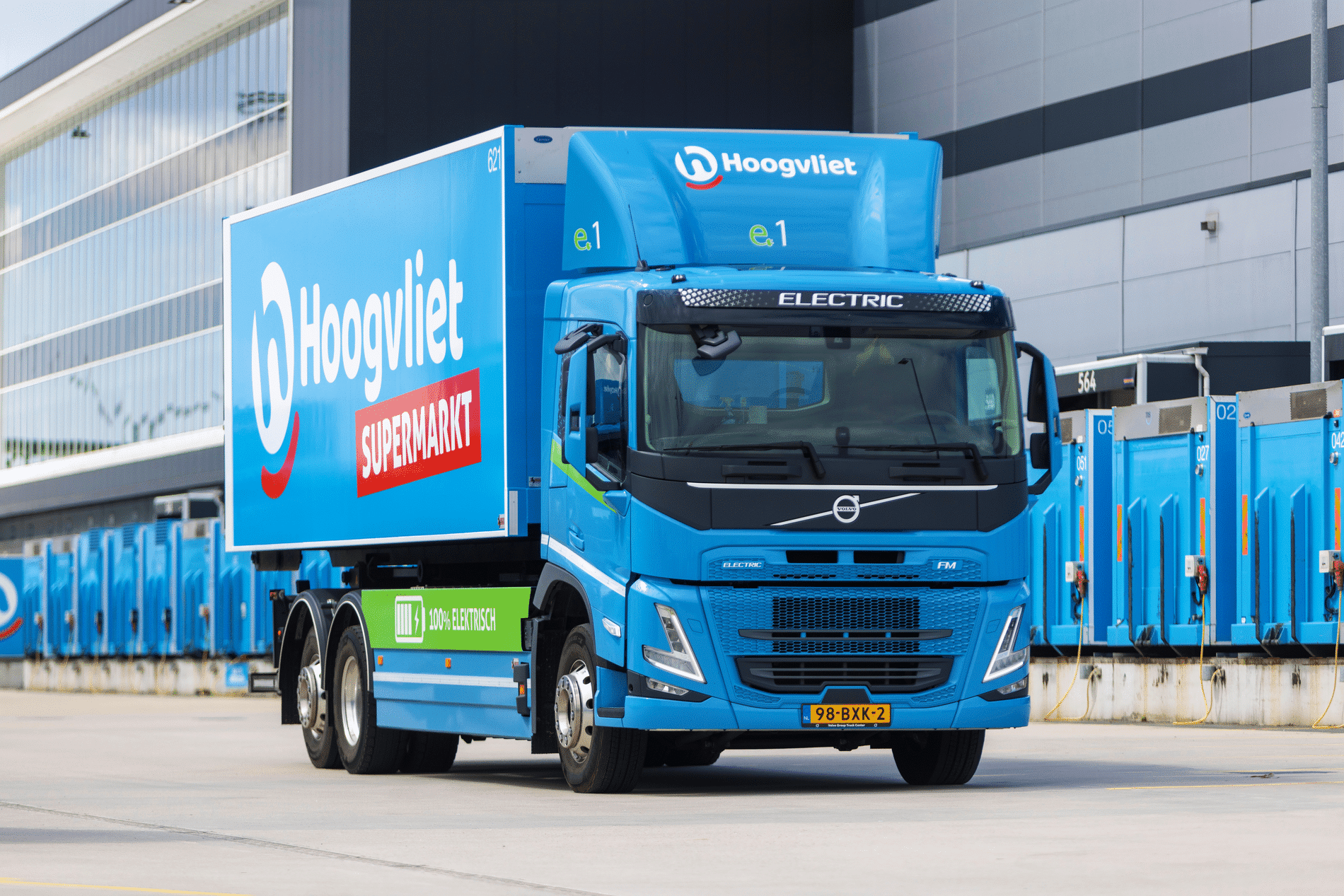
Drivers were a bit hesitant at first. Some thought they would only get short rides. In practice, that turned out to be not so bad.
“What you hear back is that driving comfort is higher,” says Twilt. “Less noise in the cabin and outside. And taking a break at the charging station is now just part of the job.”
Hoogvliet also notices effects around the stores. Local residents are responding positively to the quieter deliveries. There have even been requests for standard electric deliveries. “It shows that as a company you are investing in cleaner logistics,” says Twilt. “You make it visible on the street.”
Financially, electrification is not yet an obvious business case. Investments in vehicles and charging infrastructure are high and come before benefits.
“Ultimately, an electric vehicle should become cheaper than diesel over its lifetime,” Twilt says. “But that has yet to prove itself. Less maintenance should be an advantage, only you don't yet see that reflected in maintenance contract rates.”
In addition, uncertainties surrounding the truck levy and future regulations play a role. “Now the advantage is great, but will it stay that way? Only time will tell.”
According to sustainability manager Anneke van Kempen, the electrification of transportation is part of a broader, realistic approach.
“Hoogvliet's biggest climate impact is in the supply chain of our assortment,” she says. “Our own operation is about five percent. So electric transport is one of the knobs we can turn to reduce those emissions.”
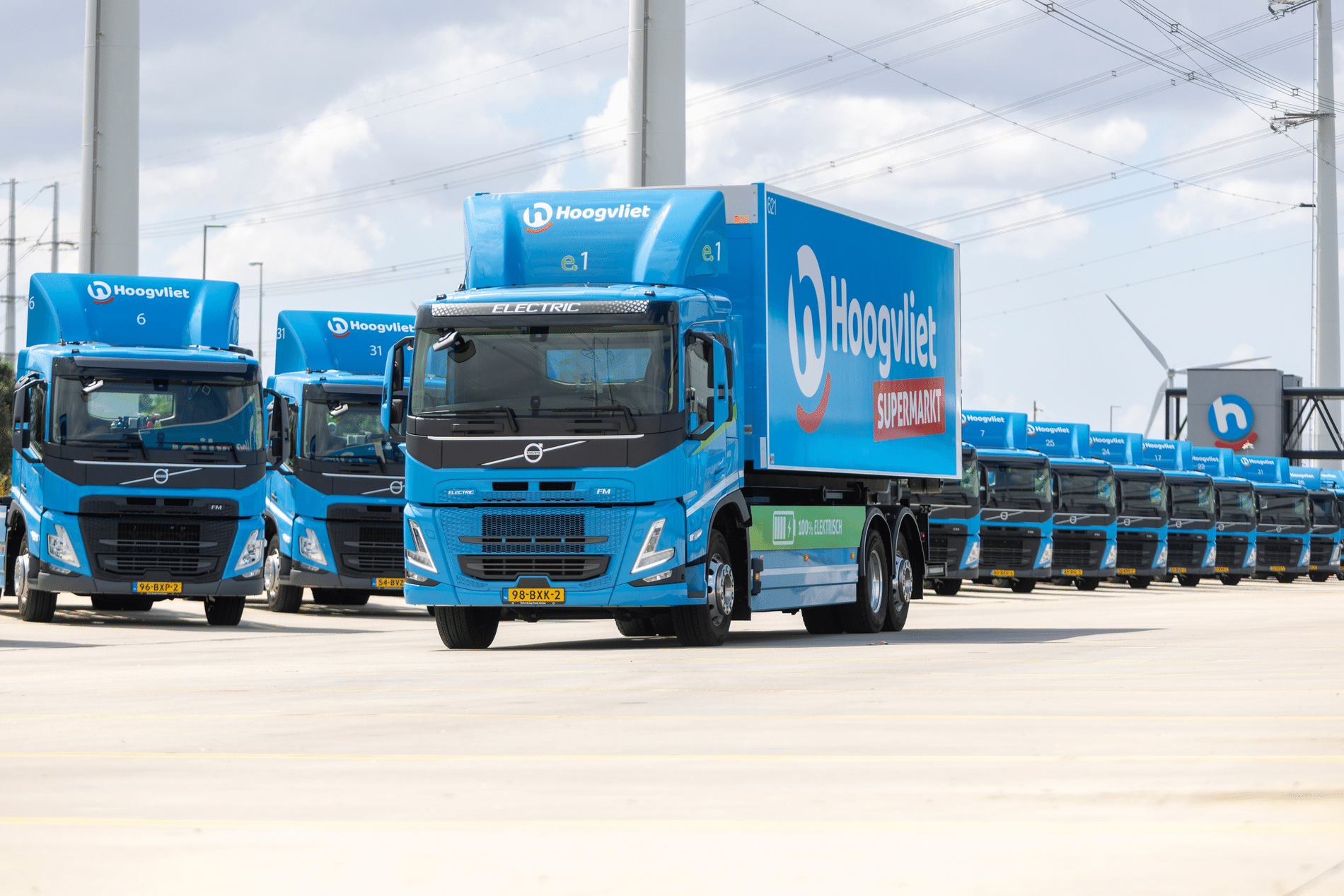
For 2026, Hoogvliet is working with a concrete interim goal: replace three diesel trucks with three electric ones. The goals toward 2030 are currently being worked out in more detail.
“We are taking a step-by-step approach,” Van Kempen said. “Sustainability must remain feasible and affordable for customers and for the organization. We are not a forerunner who wants to do everything first, but we are looking ahead. Regulations such as zero-emission zones and the truck levy are accelerating the movement.”
She says the collaboration between transportation and sustainability is not a separate track. “It is a joint task. Sustainability is in the daily processes. Strategy and operations touch each other continuously.”
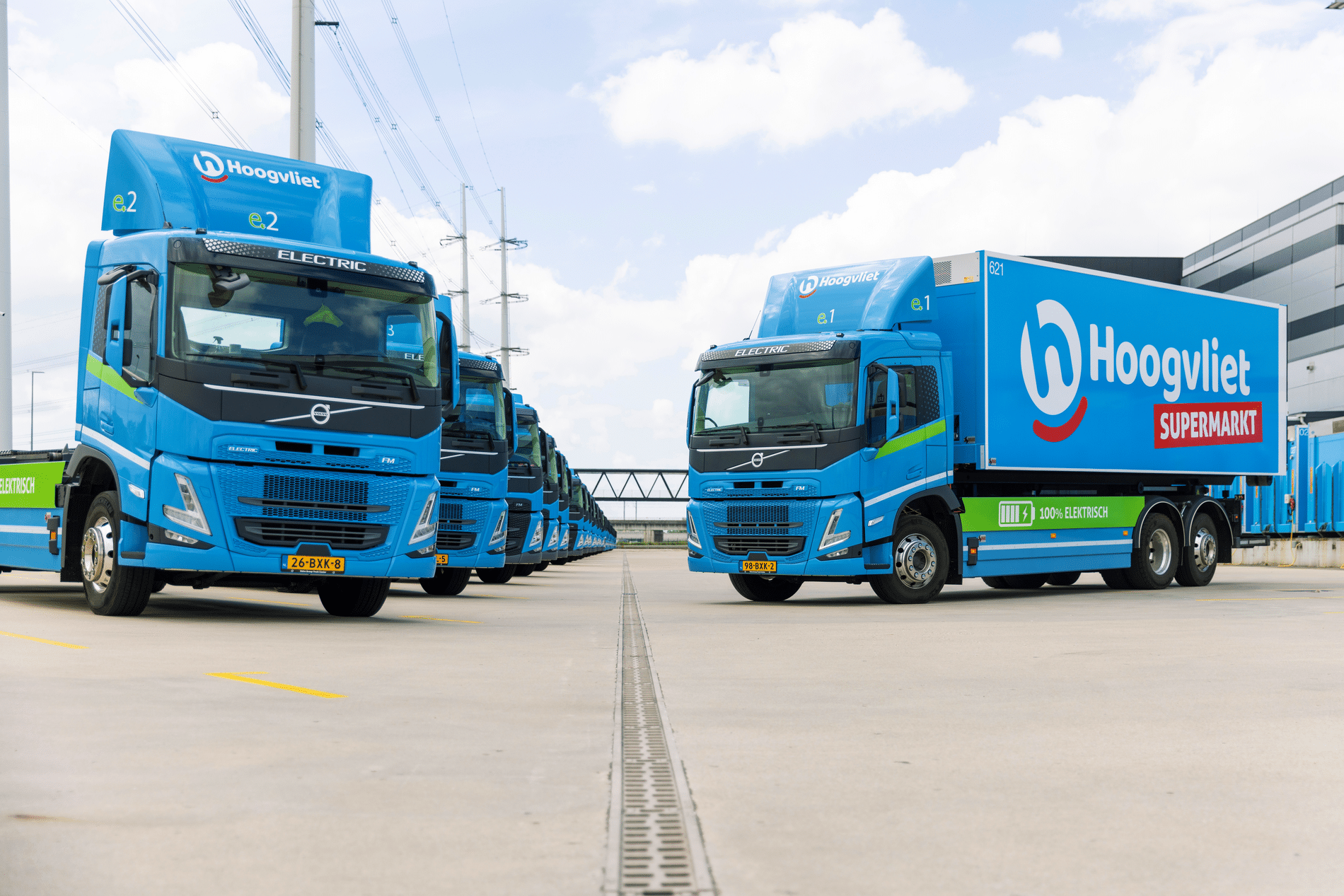
According to both interlocutors, the main gains of the past few years have been in knowledge and experience. Hoogvliet invested even before new rules were fully in place.
“In knowledge and experience, we definitely have an edge,” Twilt says.
The next step is obvious: further electrification of the fleet. But at the same pace and with the same level-headedness. “The most important thing is to just start doing it,” Twilt concludes. “Don't want to think out everything in detail, but start. That's when you learn fastest what works.”