warehouselogistiek.eu
EN

The platform for internal & external logistics, supply chain and automation

AI has great potential, but just how great is it, and where should one start? In a recent white paper, Logistics Community Brabant, Breda University of Applied Sciences, Midpoint Brabant, and TKI Dinalog explored these questions in greater depth. Many logistics entrepreneurs see opportunities in automating administrative tasks, but there are many more opportunities, such as the use of students, according to the document written for the ‘Circular Flows – Next Level Logistics’ project.
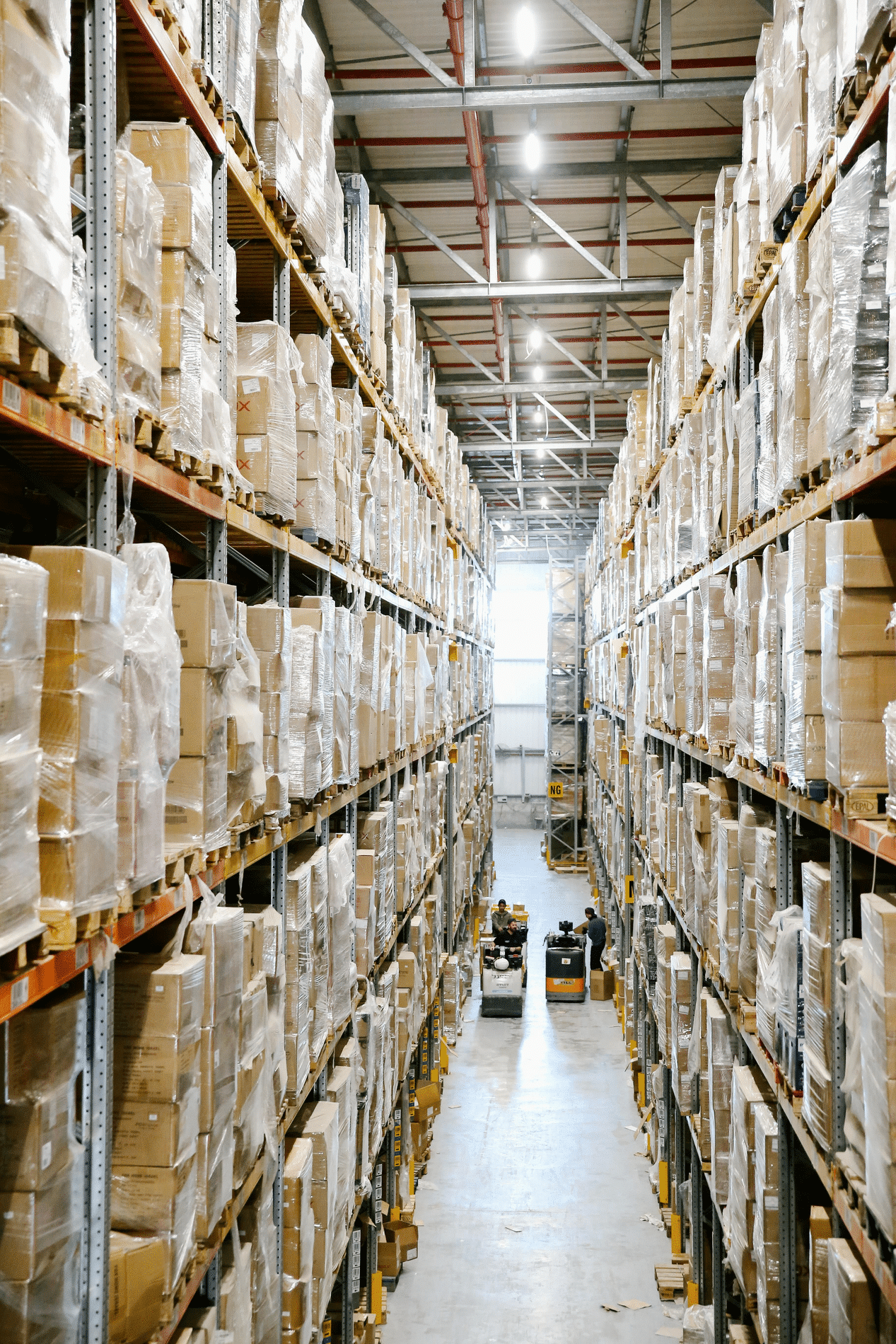
Artificial intelligence can help logistics companies streamline their processes. This is discussed in the white paper ‘AI in the Logistics Sector: The Key to Valuable Work, Greater Efficiency, and Lower Costs.’ Think of tasks in the warehouse, in planning, and in the areas of administration and work preparation. Achieving lower costs is indeed one of the results of AI, but this is preceded by research and testing, according to both software providers and logistics service providers in the document. In any case, logistics work is changing. AI takes work off people’s hands, but at the same time creates valuable work.
AI researcher Sebastian Piest at the University of Twente: “Carriers are already extracting much more information from logistics data than they used to; with AI, they can take the next step.” He’s thinking of predicting volumes for the current week or the following week. “That allows you to estimate how many people you’ll need.” Piest believes that a great deal is already possible with minimal effort. “But be sure to explicitly involve key people in the processes—such as planners—when explaining what your company wants to achieve. And introduce employees to AI in a professional setting.”
Kennis Transport & Logistics, in collaboration with IT firm TrueLime, developed a platform designed to help the service provider manage the daily influx of unstructured emails containing orders, questions, and rate requests. Employees retain control but spend less time on repetitive tasks, the company states. AI is particularly well-suited for entering text and searching for details such as loading and unloading dates and addresses. This allows for faster responses to emails asking about the cost of shipping a pallet from point A to point B. AI is also highly effective at checking for missing or inconsistent information. Consider, for example, a transport order that requires a tailgate but where this was not reported. The service provider does note, however, that using AI requires time and perseverance, as well as ongoing verification to ensure that AI actually delivers a return on investment.

Using ‘off-the-shelf’ AI tools is one way to reduce the costs of AI pilots and processes. There are already quite a few tools available for the logistics sector, including those from startups. For example, applications that can integrate with a TMS. These tools often focus on automating human tasks, verifying documents, and automating and preparing work processes. A robust data infrastructure is extremely helpful. The white paper lists various startups, along with their areas of specialization.

Finally, faculty members at Breda University of Applied Sciences (BUas) are strongly urging companies to make greater use of students as they adopt AI. The reason: starting small with a single project can be the beginning of greater value creation in the sector. And the faculty’s experience shows that a single use case can quickly expand into more projects and lead to greater insight, thanks to the fresh perspective of someone skilled in using the latest tools.