warehouselogistiek.eu
EN

The platform for internal & external logistics, supply chain and automation
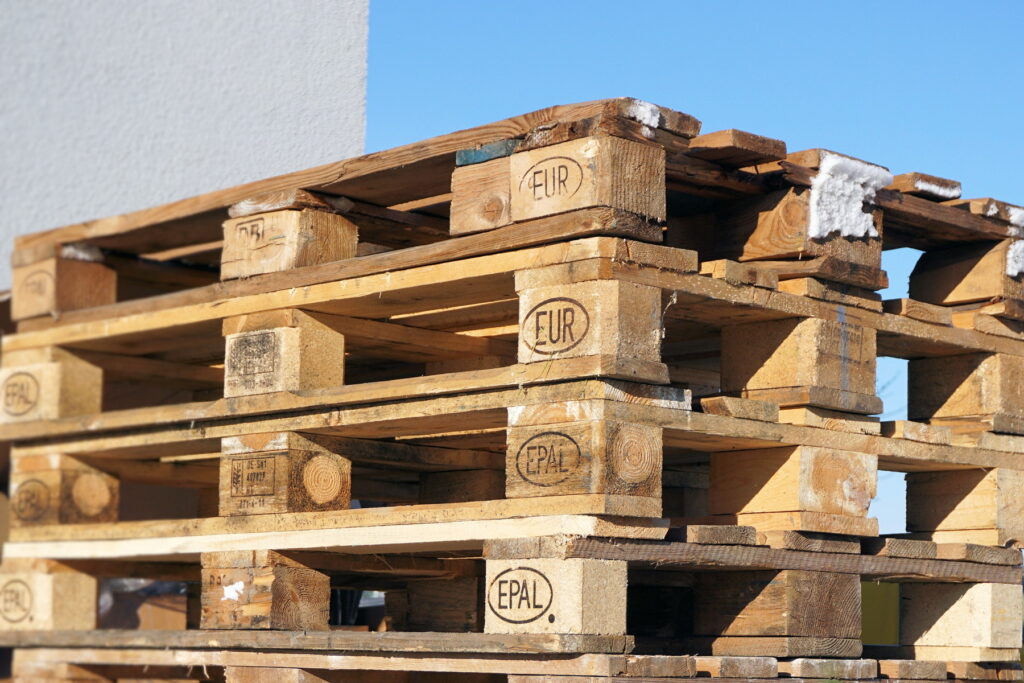
Does a pallet lift have to be automatically replaced after fifteen or twenty years? Not always. A recent service project by Costo Intralogistics at Everest Fresh shows that an existing system can be made operational again for many years to come with a targeted technical overhaul. By combining existing mechanical components with new control technology, safety features, and energy-efficient drives, the pallet lift is once again ready for the future.
When investing in warehouse automation, people tend to look right away at new systems. But when the mechanical components of a system are still in good condition, refurbishment can be an attractive alternative to complete replacement.
This was evident at Everest Fresh. The pallet lift dates back to 2004 and has thus been in daily production use for more than twenty years. Its long service life underscores the quality and durability of the original installation.
Instead of completely replacing the system, an assessment was first conducted to determine which parts were still in good working order, which components needed to be replaced, and what modifications were necessary to ensure the system would remain future-proof from a technical standpoint.
A refurbishment of this kind goes beyond simply replacing a few worn-out parts. Throughout the project, Costo’s service and engineering teams worked closely together. Worn and corroded parts were replaced, and the electrical control system was completely overhauled. In addition, energy-efficient motors were installed.
Machine safety was also a key component of the modernization. The pallet lift has been adapted to meet current machine safety requirements and relevant safety standards. Thus, the focus is not only on repairing the equipment, but also on determining how it can be safely put back into service for the long term.
Whether refurbishment is a more attractive option than complete replacement depends on several factors. The technical condition of the structure, the availability of parts, reliability, safety, energy consumption, and the cost of modernization all play a role.
Future use is also an important consideration. Does the system’s capacity still align with the warehouse process and the expected growth of the operation? If so, retaining the existing mechanical infrastructure could be beneficial both financially and technically.
The project at Everest Fresh demonstrates that age alone does not determine whether warehouse equipment needs to be replaced. By first taking a close look at the existing system, it is sometimes possible to retain a large portion of the equipment with a targeted investment.
This reduces the investment compared to a complete replacement and prevents technically serviceable parts from being replaced unnecessarily. As a result, a pallet lift that has been in use for more than twenty years is given a second life—with modern controls, improved safety, and more energy-efficient drives.
Neem dan rechtstreeks contact op met Costo Intralogistics.
 Contact opnemen
Warehouse automation isn’t just about technology—it’s about a solution that really works. Guided by this conviction, Costo Intralogistics has been designing, implementing, and maintaining comprehensive intralogistics solutions for distribution centers, manufacturing companies, and e-commerce organizations for over 30 years. As an independent system integrator, Costo combines software, mechanization, and automation into a single, reliable system. From consulting and concept engineering to software development, […]
Bekijk Bedrijfsprofiel