warehouselogistiek.eu
EN

The platform for internal & external logistics, supply chain and automation
From Black Friday to Carnival
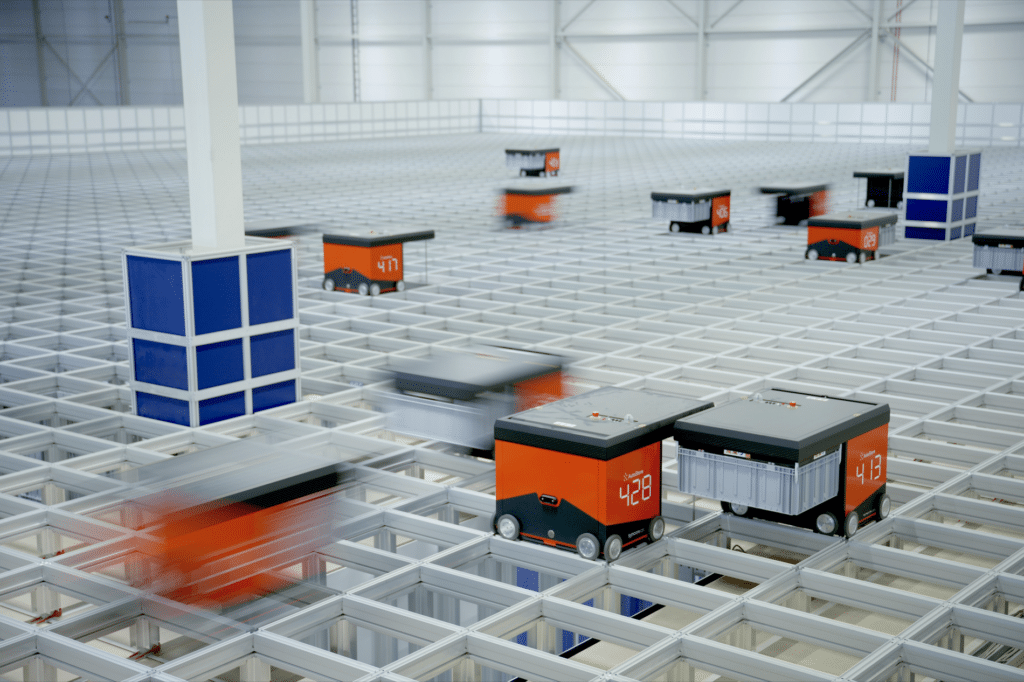
Logistics organizations are increasingly seeing periods consisting of one or a few busy days turn into a longer peak season. For many retailers, this peak season now begins even before Black Friday, with Sinterklaas and Christmas following almost immediately afterward. In some markets, demand remains strong even through Carnival. This trend is also changing the logistical challenge. It requires managing not just a single peak day, but weeks or even months of higher inventory levels and order volumes.
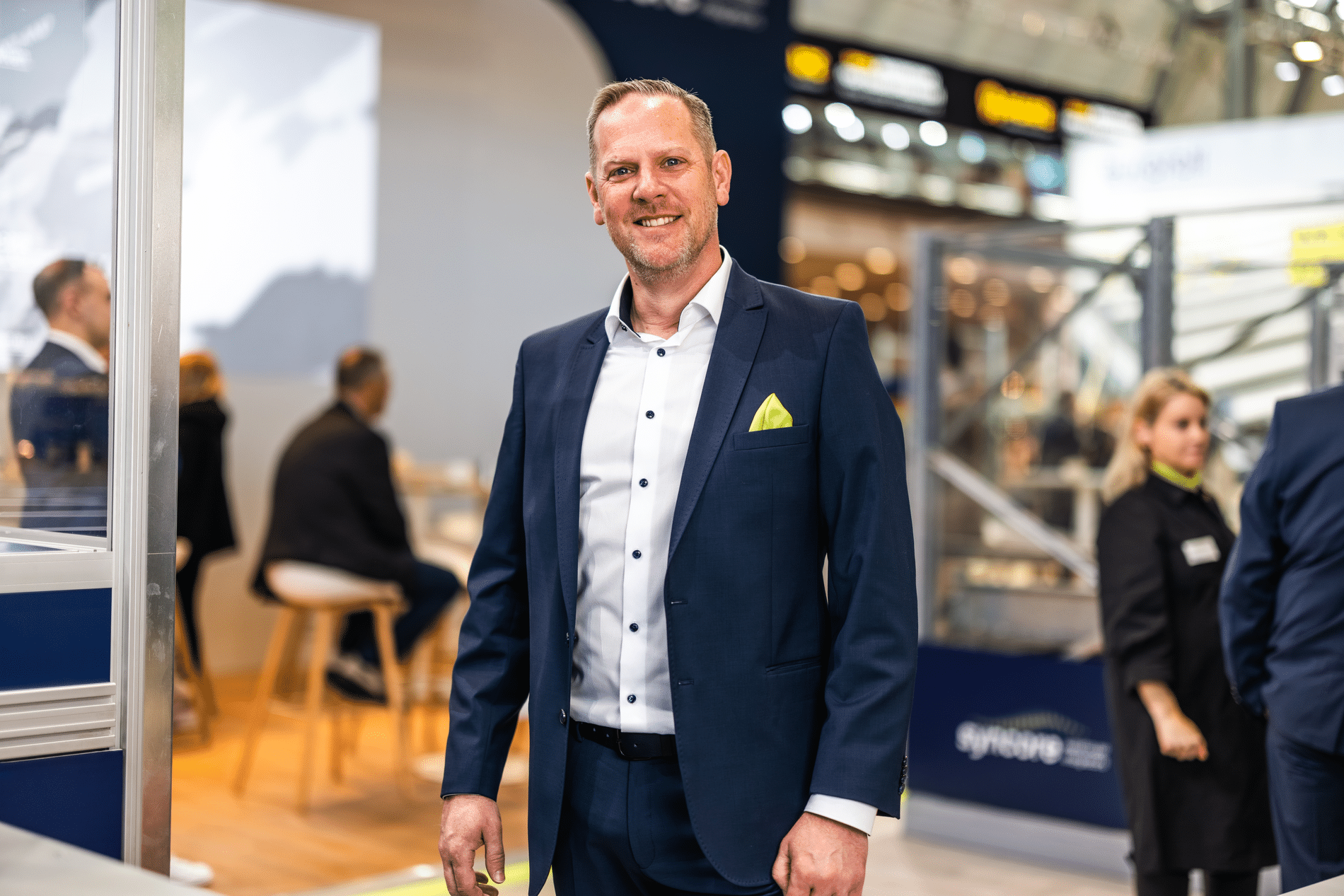
According to Mark van de Weijer, Head of Sales Benelux at Syncore, the longer peak season makes thorough preparation more important than ever. “Forecasts and data may even be more important than the hardware.”
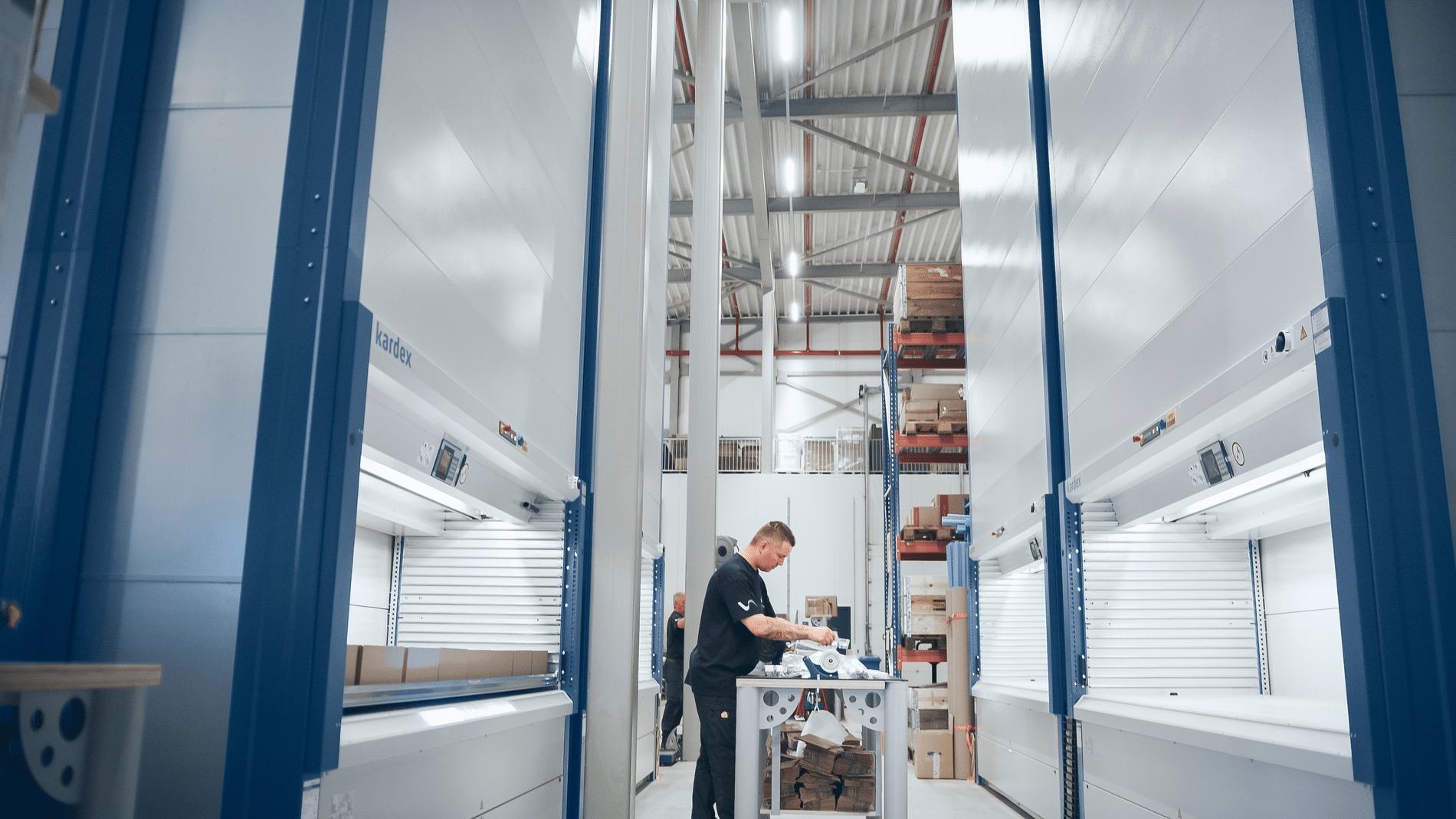
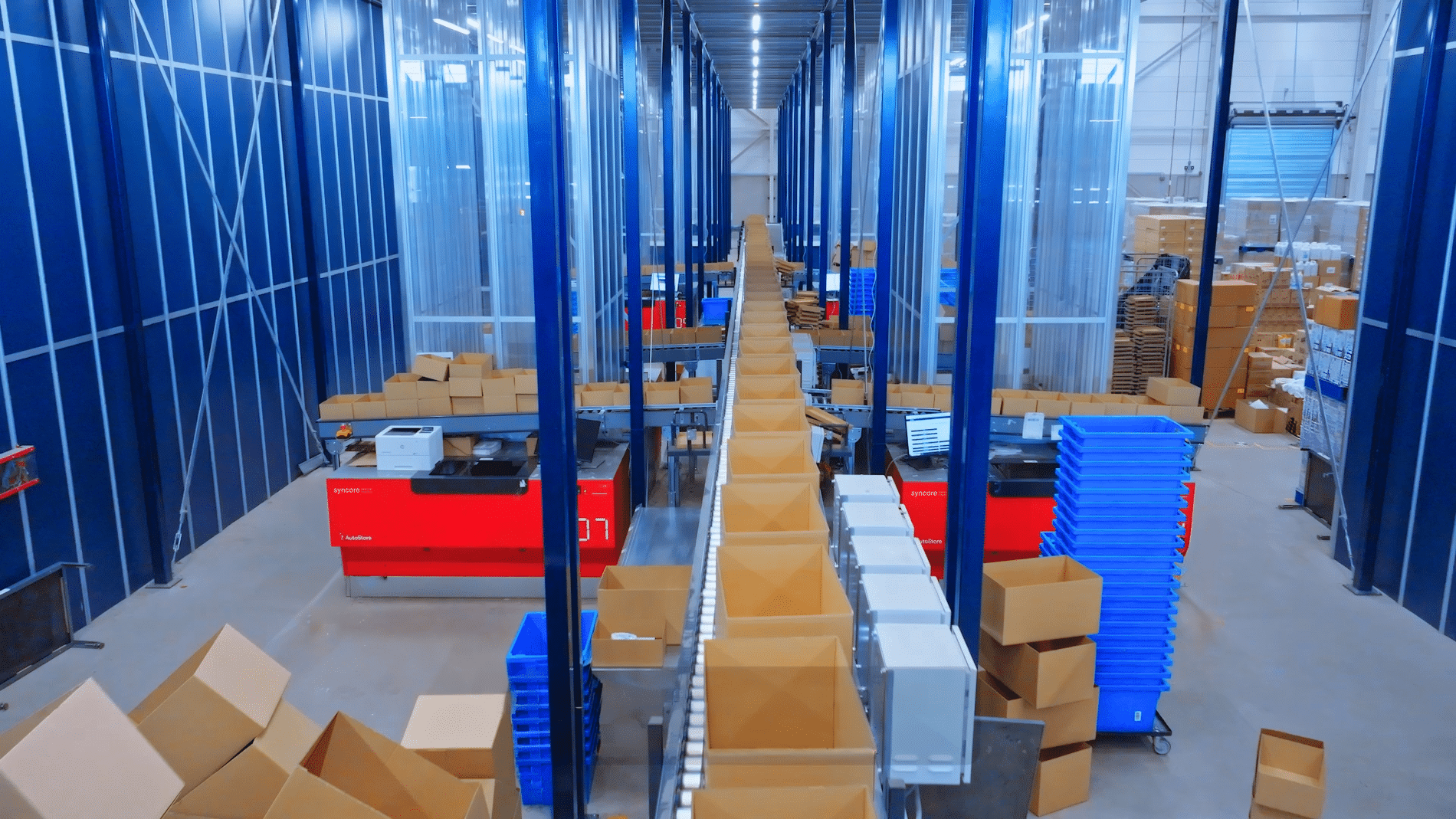
Van de Weijer argues that commercial peaks are attractive but also place a long-term strain on logistics operations. “The question is how to ensure that operations can continue to perform throughout that entire period. To do that, you need to look at the entire flow of goods. The bottleneck could be in warehousing, but it could just as easily be at the workstations, in internal transportation, in staffing, or in the packaging process.”
According to him, the analysis of trends in the flow of goods is best conducted well in advance of the peak. “For organizations whose year-end peak begins in the fall, September is generally no longer the right time to implement major changes to critical systems. Expansions and optimizations must already have been prepared and tested by then. Maintenance must also be up to par, so that the system remains fully available during the busiest months.”
However, the availability of a system alone is not enough. “A technically reliable system may still lack the capacity to handle higher volumes over the long term.” That is why Syncore examines factors such as storage capacity, system load, inventory trends, and the order profile. This goes beyond just the individual components of the system. “The way these components influence one another determines how much capacity the entire operation can actually deliver.”
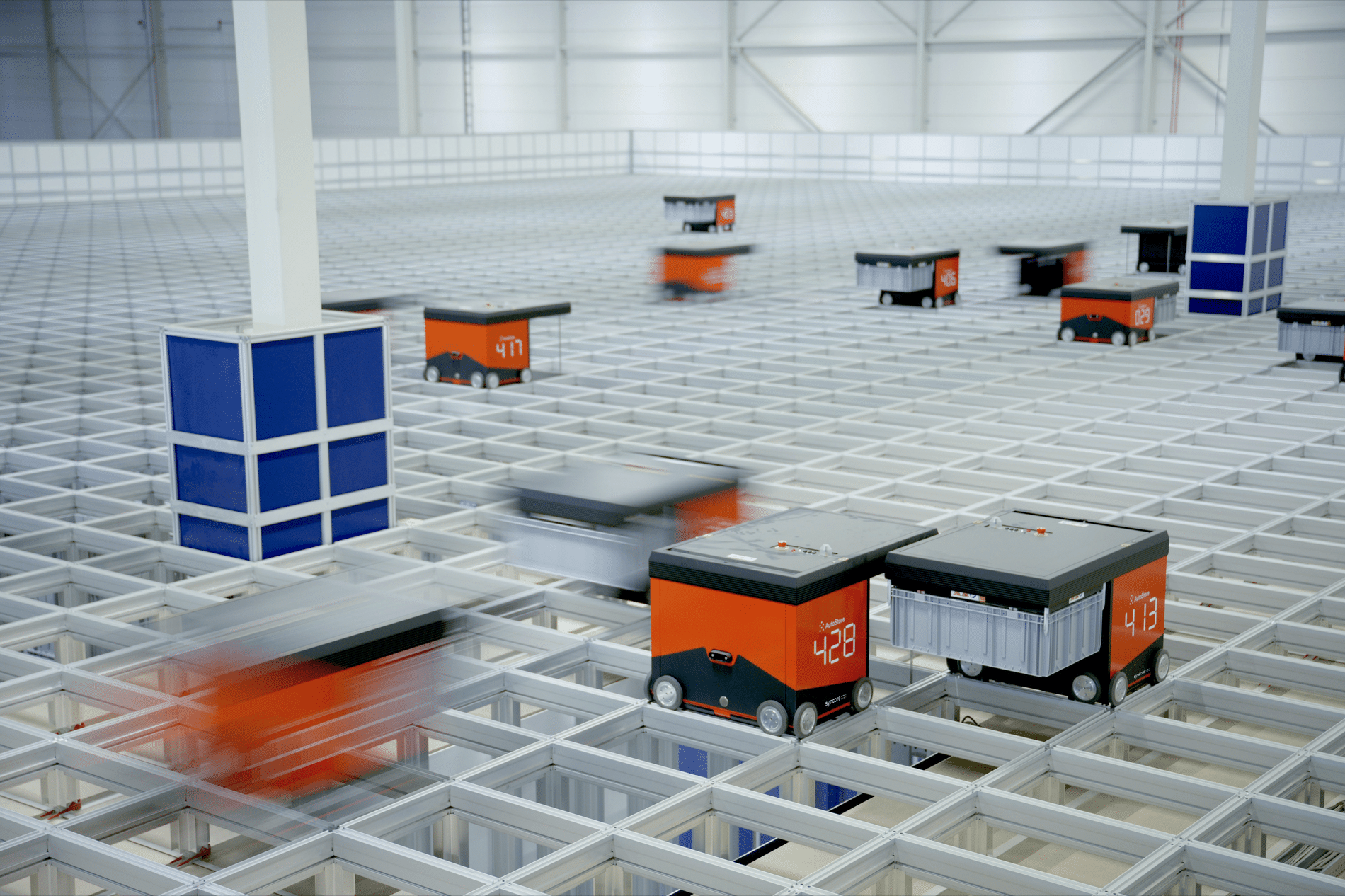
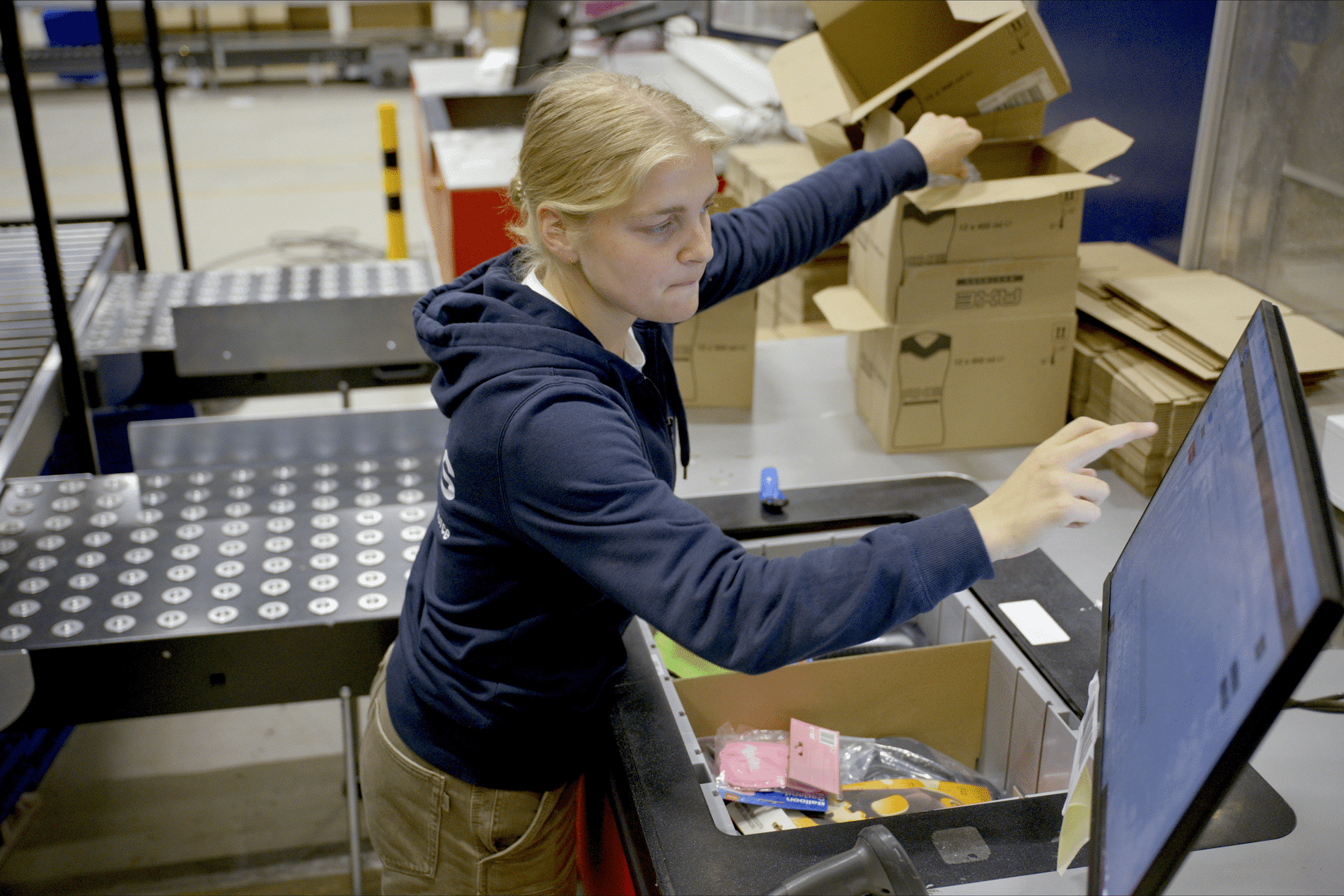
A thorough analysis prevents companies from rushing to purchase additional hardware. “More storage capacity, additional workstations, or robots may be necessary, but sometimes a different schedule, process design, or staffing arrangement can free up capacity. It all starts with insight; only then can you determine what the operation actually needs. Historical order data, current system data, and forecasts form the basis for that assessment. In addition, Syncore draws on the experience gained from over 200 AutoStore installations and more than 850 warehouse automation projects.”
“None of those 200 AutoStore installations are identical, even though they are all built from the same basic components. The configuration and use of the components have a major impact on the system’s performance. That experience is valuable.”
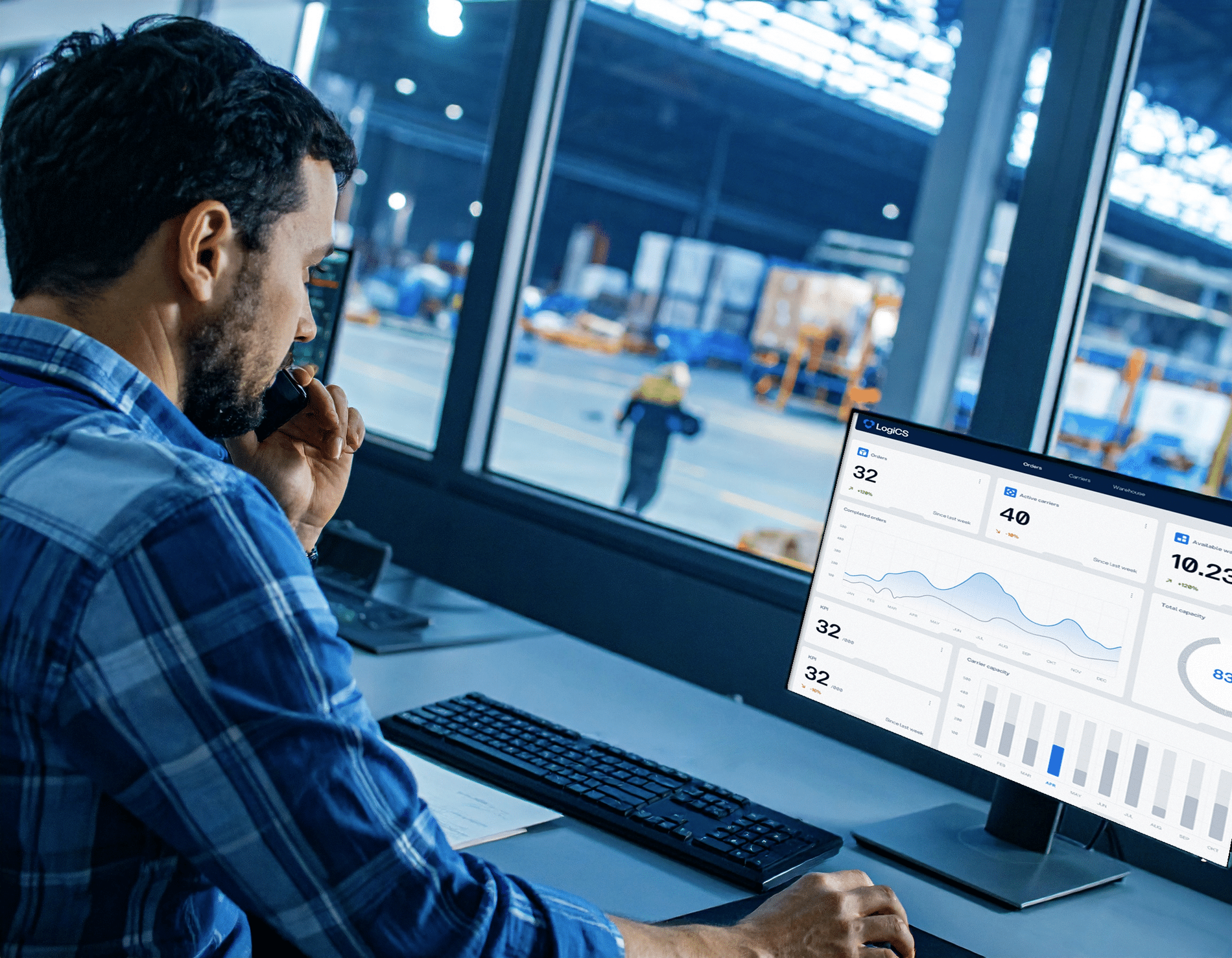
According to Van de Weijer, an investment needed to handle the peak does not have to pay off exclusively during that specific period. In growing organizations, he often observes that order volume does not fully return to its previous level after the peak. An expansion will therefore not only provide extra capacity during the busiest months but also create room for further growth. His most important advice is therefore not to wait until the rush hits. “The question isn’t just whether your warehouse can handle the busiest day, but whether the entire operation can continue to perform at a higher level for months on end.”
Neem dan rechtstreeks contact op met Syncore.
 Contact opnemen
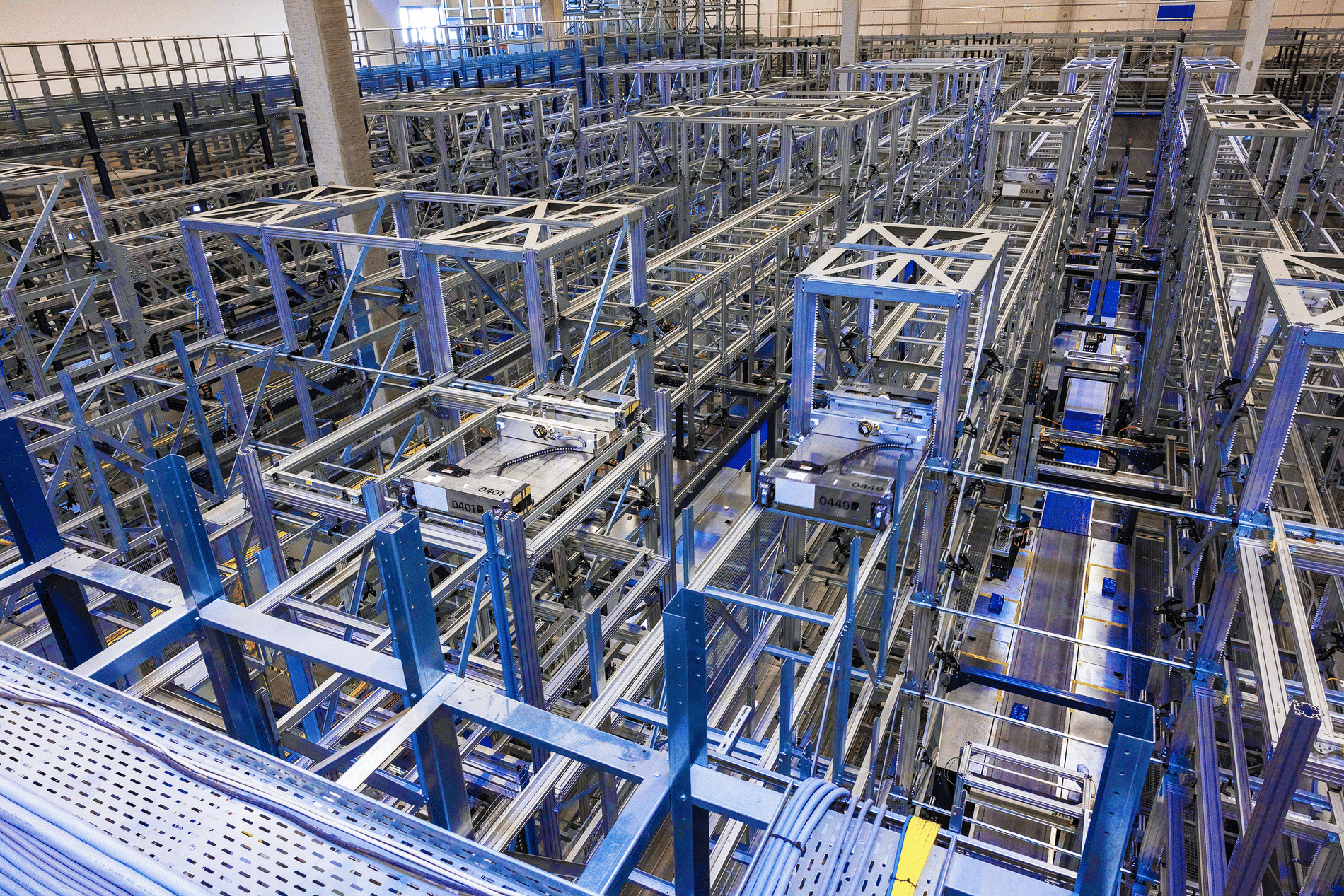
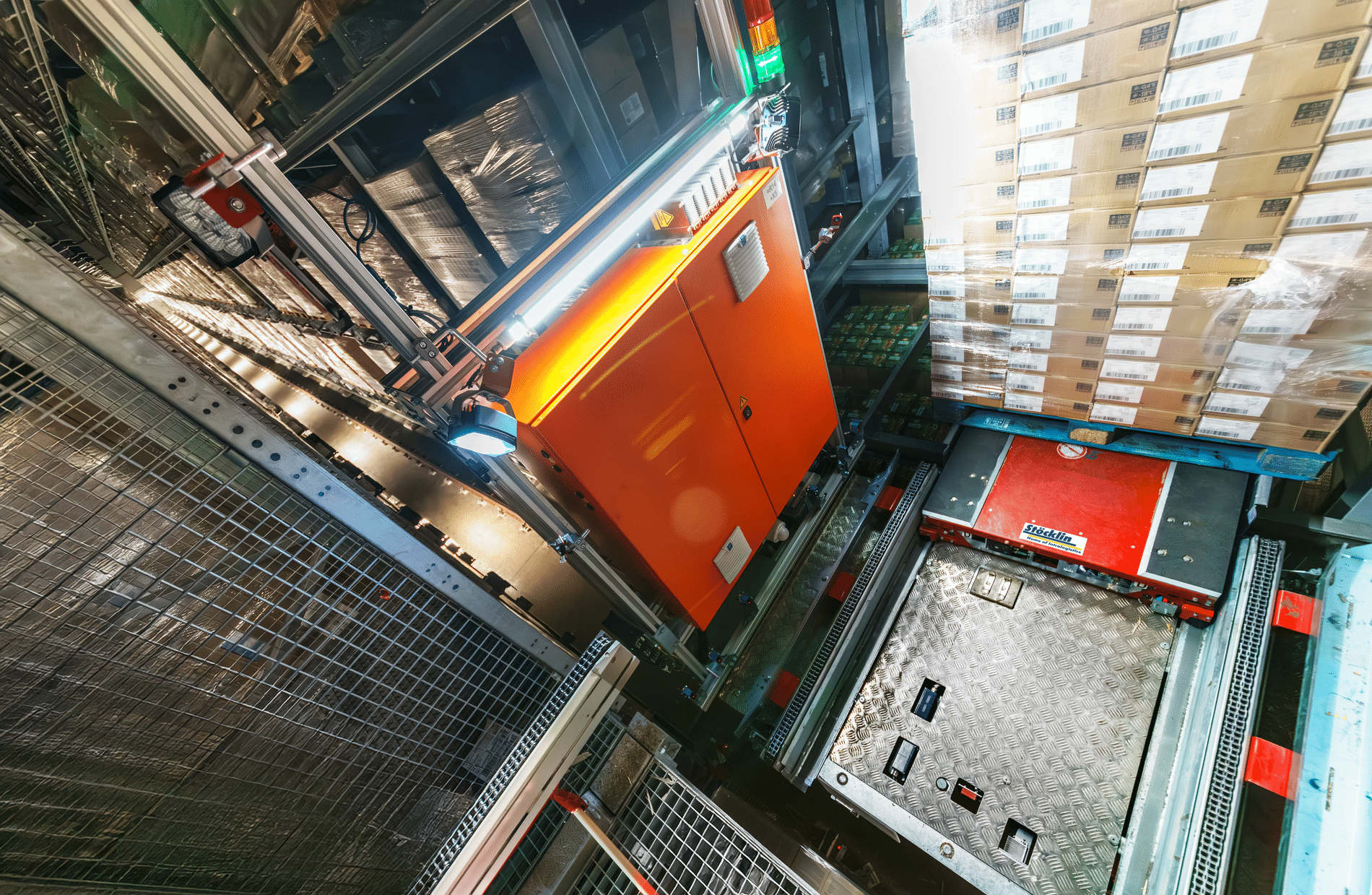
Syncore designs, implements and maintains automated warehouse systems, from goods-to-person installations to compact pallet warehouses with high storage density. Control is through our own intelligent warehouse control system, developed and managed by our own specialists. We work closely with customers and technology partners, from the initial design phase to implementation. That approach ensures that systems connect [...]
Bekijk Bedrijfsprofiel