warehouselogistiek.eu
EN

The platform for internal & external logistics, supply chain and automation
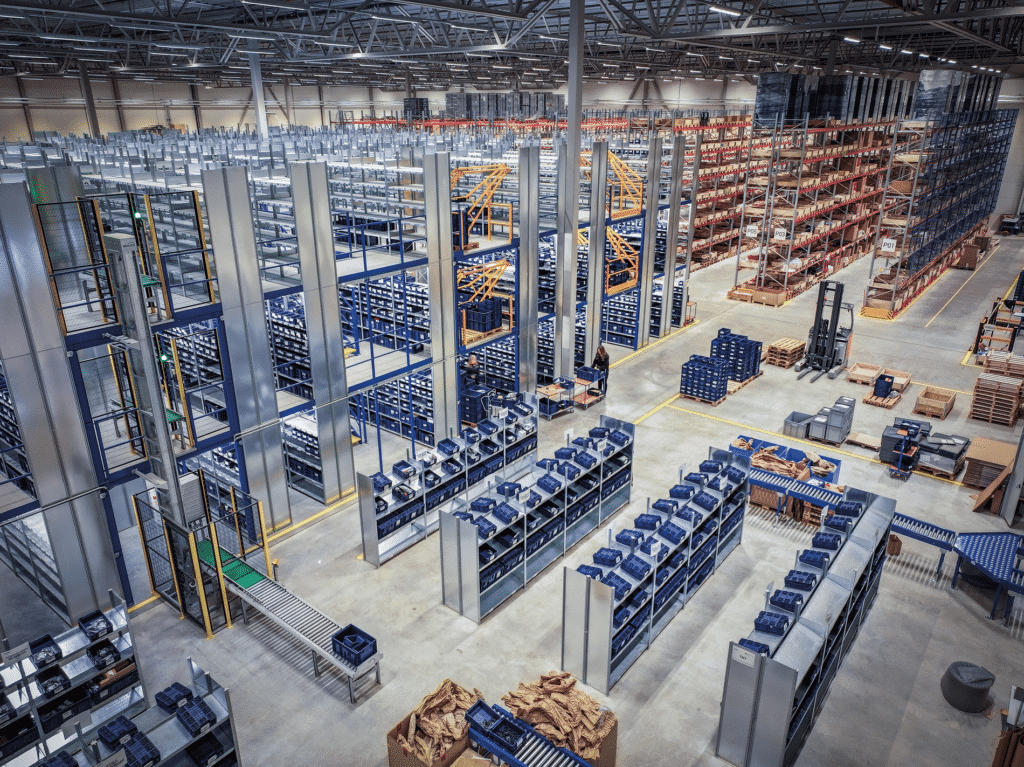
More and more companies are reaching the limits of their warehouse capacity. Building new facilities or expanding existing ones is often costly, not immediately available, or even impossible due to grid congestion. At the same time, product ranges are expanding and pressure on logistics processes is increasing. According to Martijn Ubachs, Sales Director Benelux at META Warehouse Systems, that doesn’t necessarily mean companies should immediately turn to expensive automation solutions.
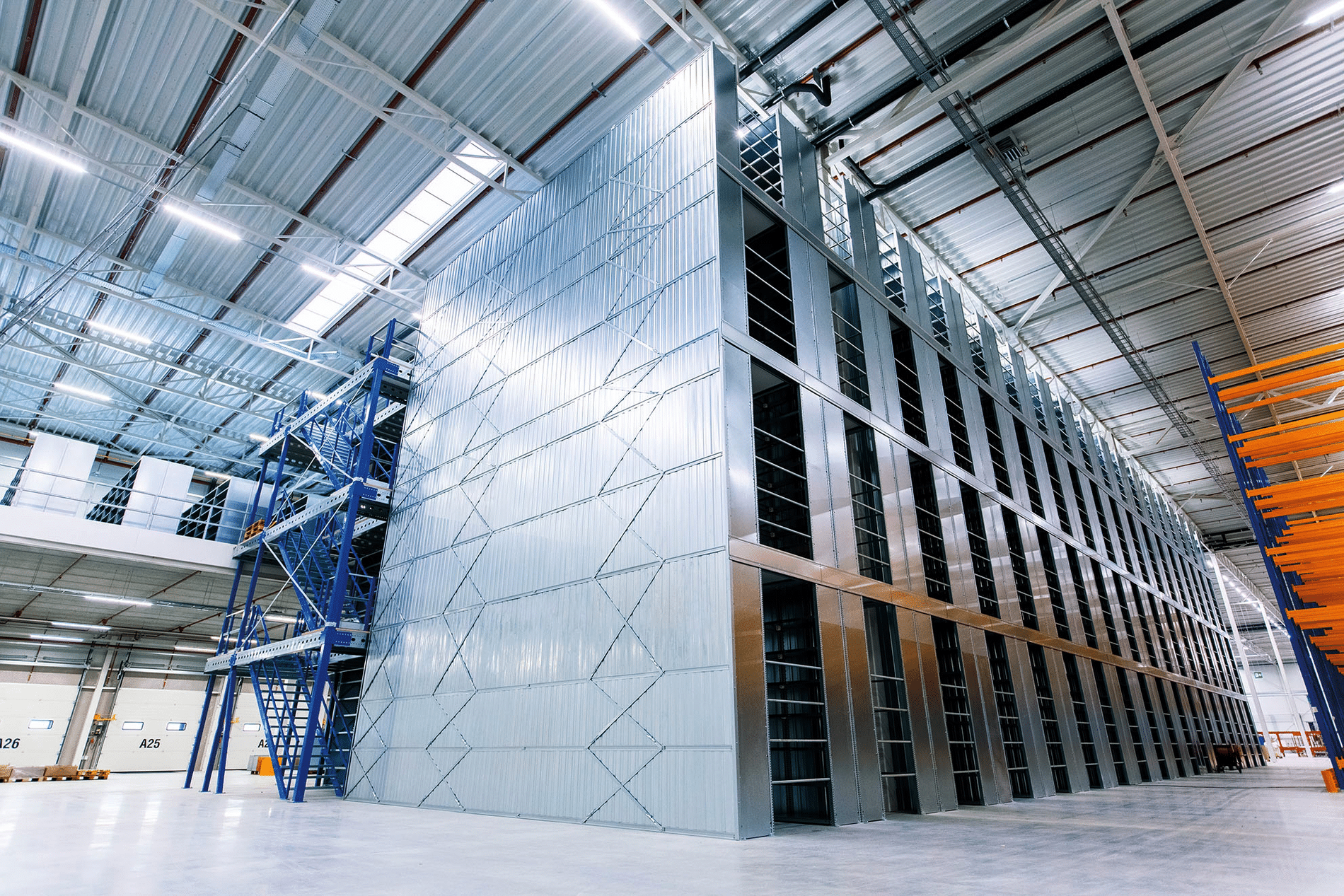
“For many companies, there is an interesting alternative between traditional warehousing and full automation: the picking tower,” Ubachs explains. “This allows you to create significantly more storage capacity within your existing footprint while simultaneously improving the efficiency of order-picking processes.”
Companies with a wide range of small items face a particular challenge. “Think of spare parts, technical components, retail items, e-commerce products, and electronics.” According to Ubachs, these items are characterized by high SKU density and require well-organized storage and fast order picking.
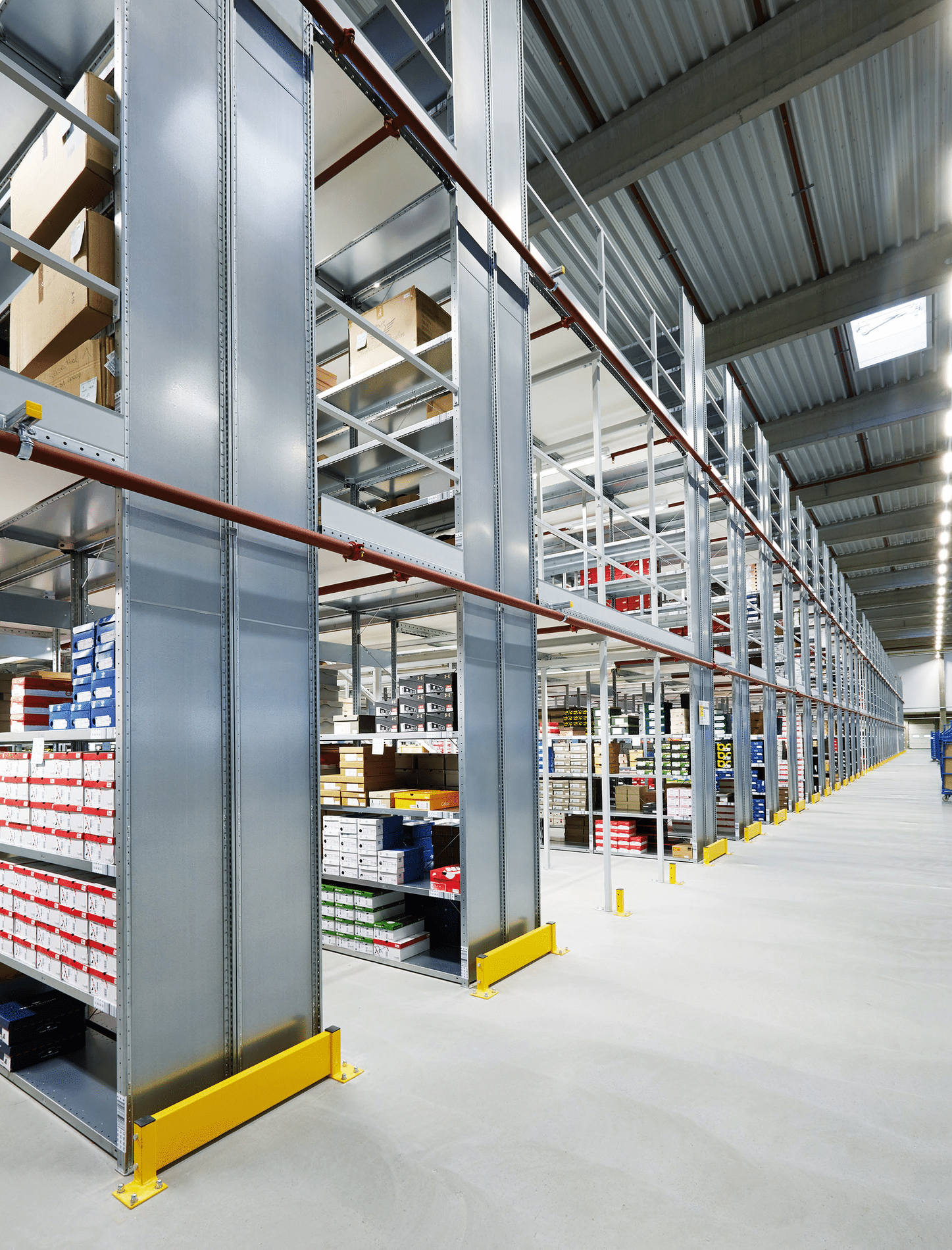
“In many organizations, we see that a relatively small product volume requires a large number of storage locations,” says Ubachs. “That’s exactly when you want to create as much storage capacity as possible within a limited floor area. A picking tower makes that possible without having to invest directly in complex automation systems.” By making optimal use of the building’s height, additional storage space is created without expanding the warehouse floor area. This allows companies to store more inventory within the same square meters while simultaneously reducing the walking distances for order pickers.
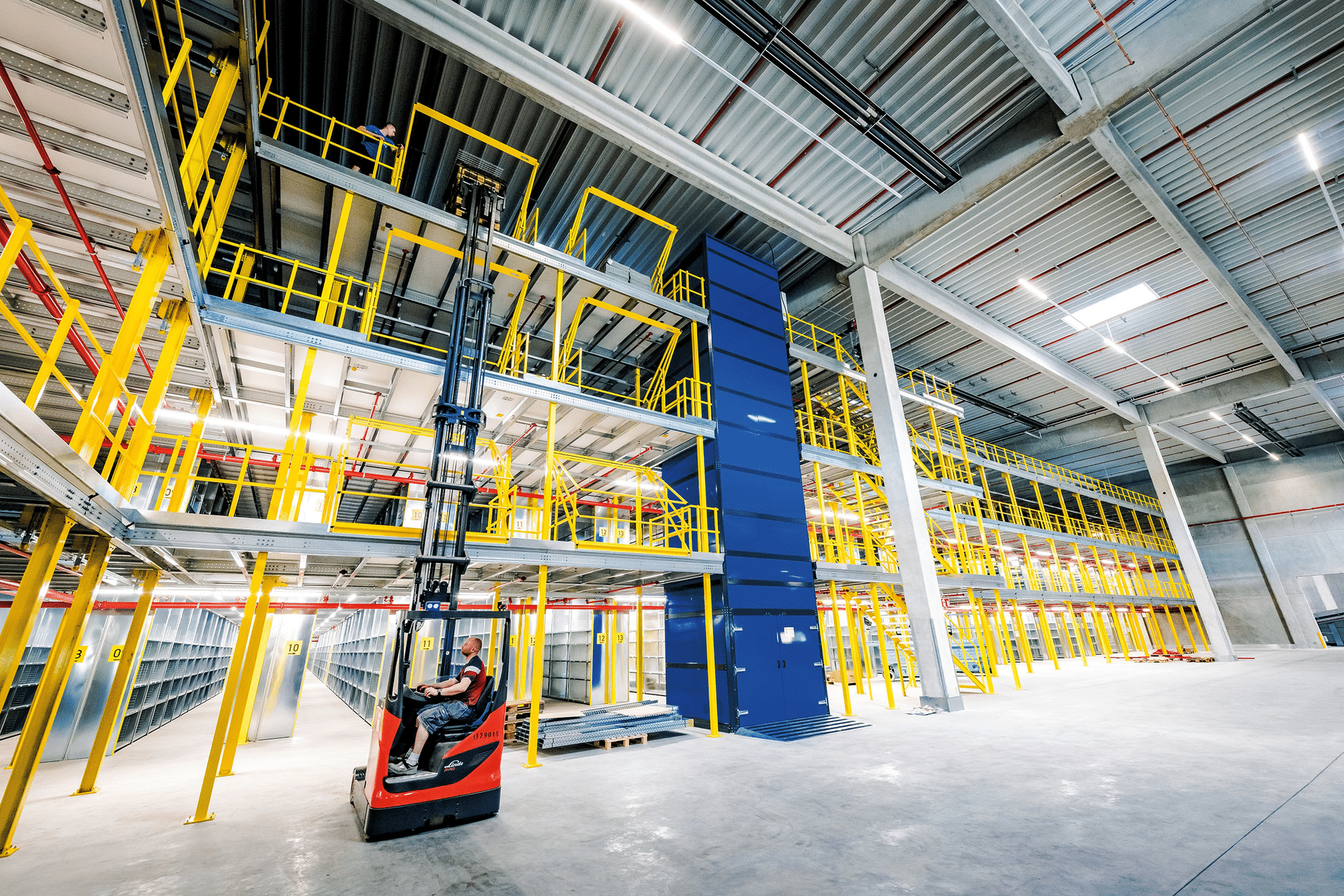
META’s pick tower is a multi-level storage system consisting of integrated floor levels supported by the racking system itself. As a result, a separate steel structure or traditional mezzanine floor is often unnecessary. “The system combines the advantages of a multi-level warehouse layout with the flexibility of shelving racks,” explains Ubachs. “That makes it a relatively fast and cost-effective solution that is also easy to adapt to changing logistics needs.” Thanks to its modular design, companies can adjust the layout as product ranges change or volumes grow.
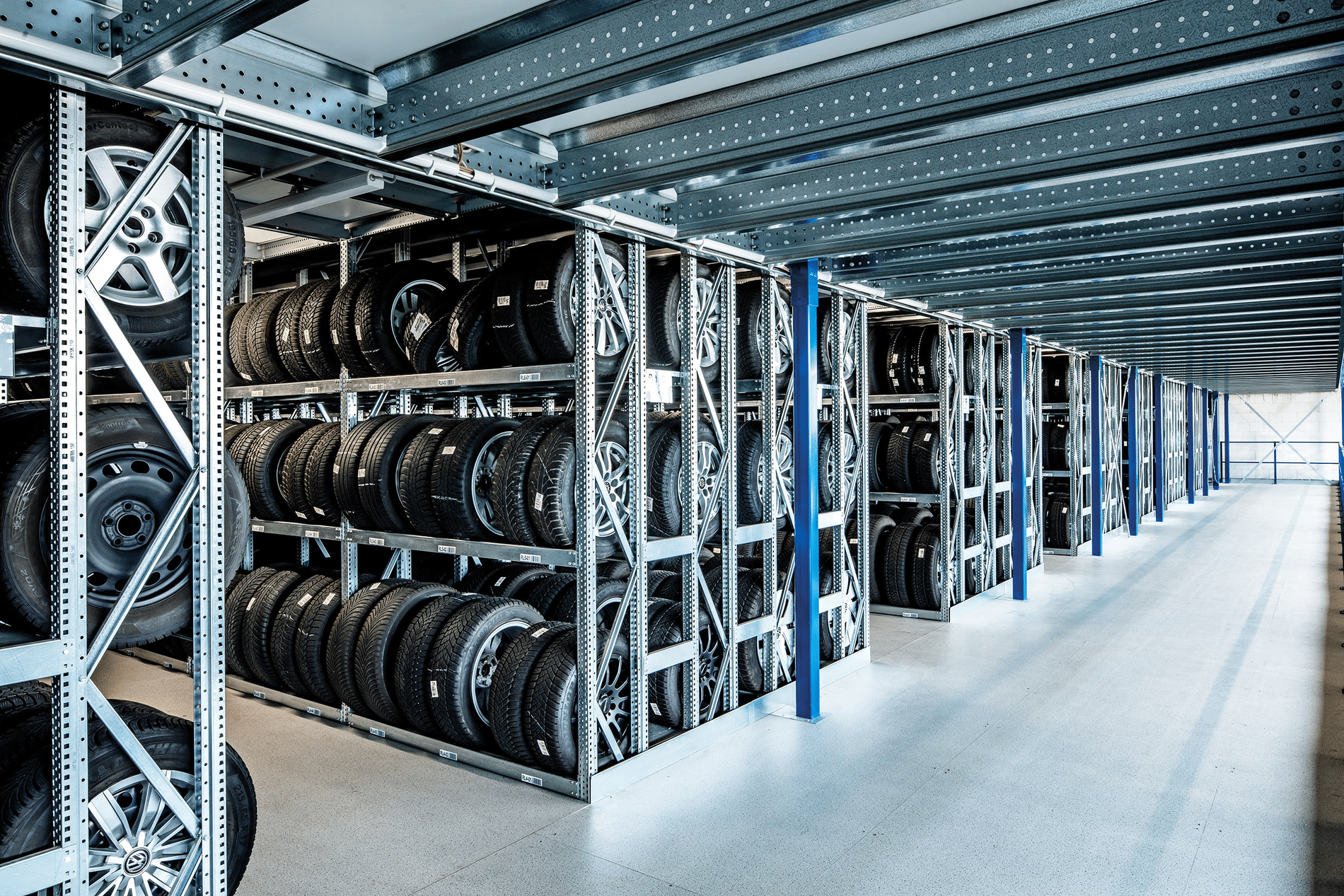
According to Ubachs, a key advantage of a pick tower is that companies don’t have to choose between a static storage solution and automation. “In fact, a pick tower provides an excellent foundation for future automation. The system can easily be expanded with lifts, conveyors, spiral conveyors, or goods-to-person solutions. This allows companies to invest in phases and develop their warehouse step by step.” This creates a scalable solution that grows along with the organization’s logistics needs.
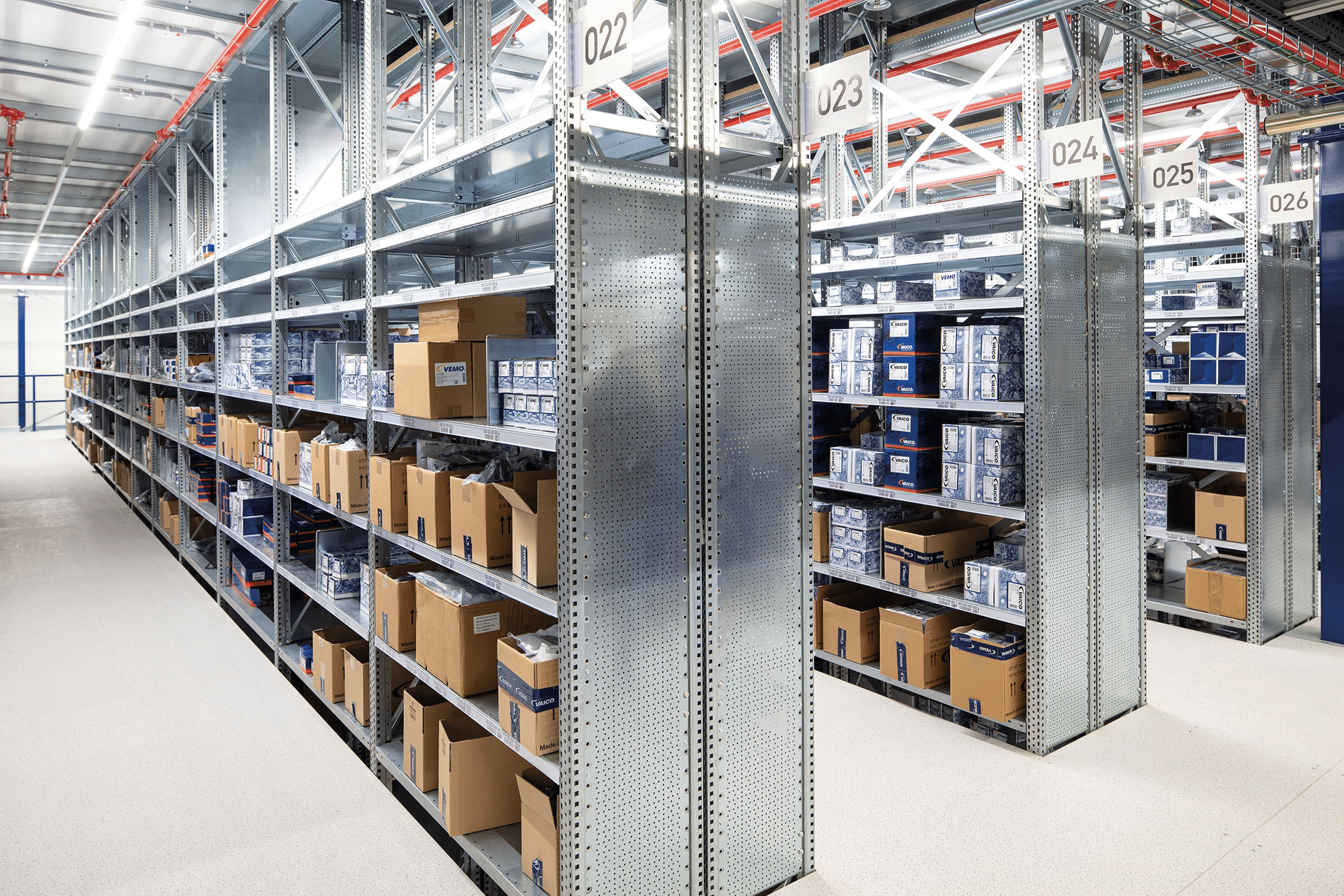
META expects demand for multi-tier storage systems to continue to grow in the coming years. The combination of limited space, rising real estate costs, and labor shortages is forcing companies to use their warehouse space more efficiently. “Not every organization has an immediate need for full automation,” concludes Ubachs. “For many companies, the greatest benefit lies in making smarter use of available space and optimizing order-picking processes. A picking tower offers a proven, scalable, and future-proof solution for this that directly contributes to the warehouse’s operational efficiency.”