warehouselogistiek.eu
EN

The platform for internal & external logistics, supply chain and automation
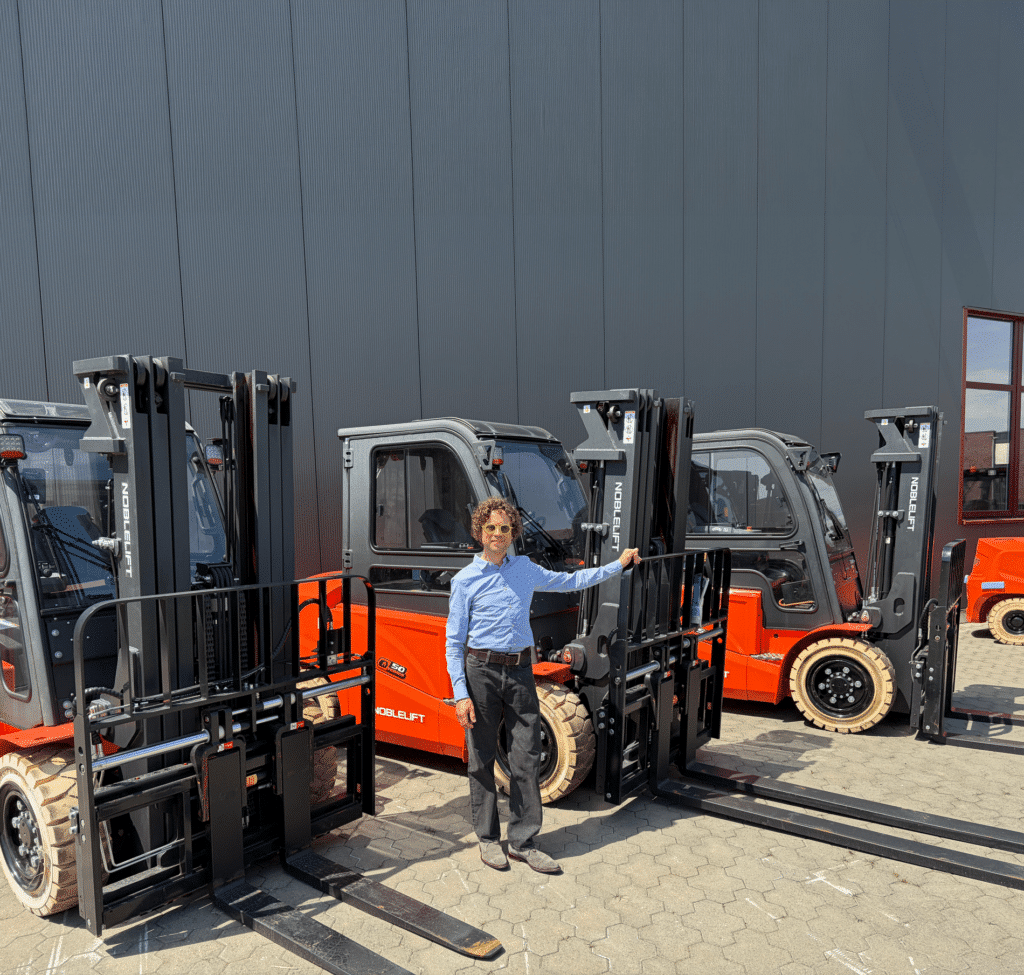
The material handling market is changing rapidly. Whereas companies used to often settle on a single standard solution, the choice of a forklift now increasingly revolves around the right combination of application, technology, and total cost of ownership. By expanding its product lineup to include Noblelift, Immer-Goed is responding to this trend.
The days when a forklift was chosen primarily based on capacity, lift height, and purchase price are behind us. Logistics and industrial companies are placing greater emphasis on a machine’s performance in day-to-day operations. How long will a forklift remain operational? What is its actual energy consumption? How easy is it to maintain? And above all: what does downtime cost?
“The question we’re asking more and more often isn’t which forklift a customer wants to buy, but what exactly they want to do with that forklift. The answer to that question often matters more than the brand or type of machine,” says Stefan Staes of Immer-Goed.
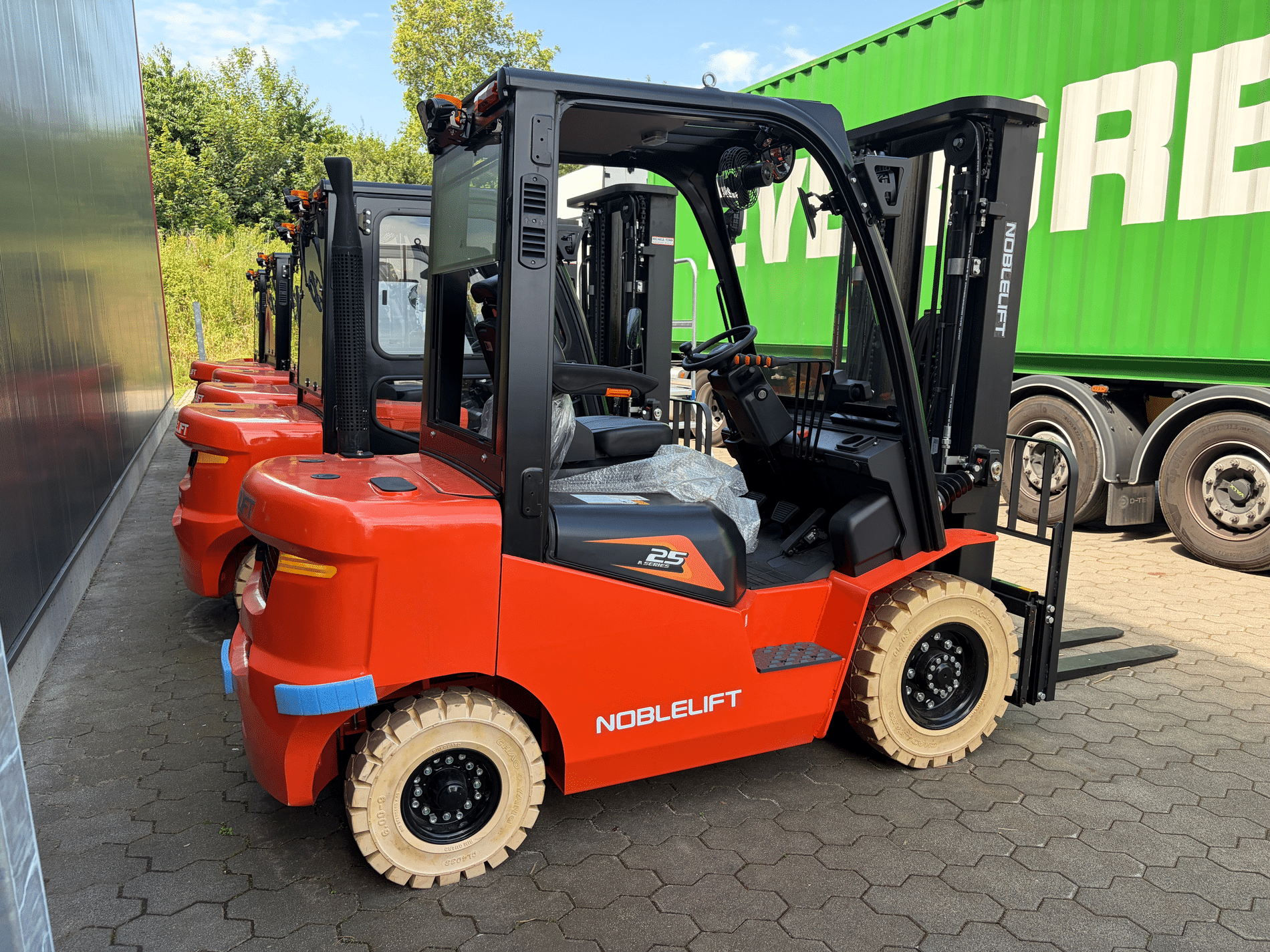
Electric forklifts have gained significant ground in recent years. In warehouses and logistics environments, they have in many cases become the logical standard. That does not mean that diesel will disappear entirely. Modern Stage V diesel forklifts remain relevant for outdoor use, heavy-duty applications, and operations where extended operating range is critical.
The choice between electric and diesel is therefore less a matter of principle and more a matter of function. The focus is not on the technology itself, but on the application for which the machine is used. There are also significant differences within the electric segment. Battery integration, energy management, drive efficiency, and weight distribution significantly determine how a forklift performs in practice. As a result, machines that appear comparable on paper can differ markedly from one another in daily use.
Total cost of ownership is playing an increasingly important role in investment decisions. Companies are looking not only at the purchase price, but also at the costs over the machine’s entire lifespan. Energy consumption, maintenance, availability, residual value, and downtime are key factors in this regard.
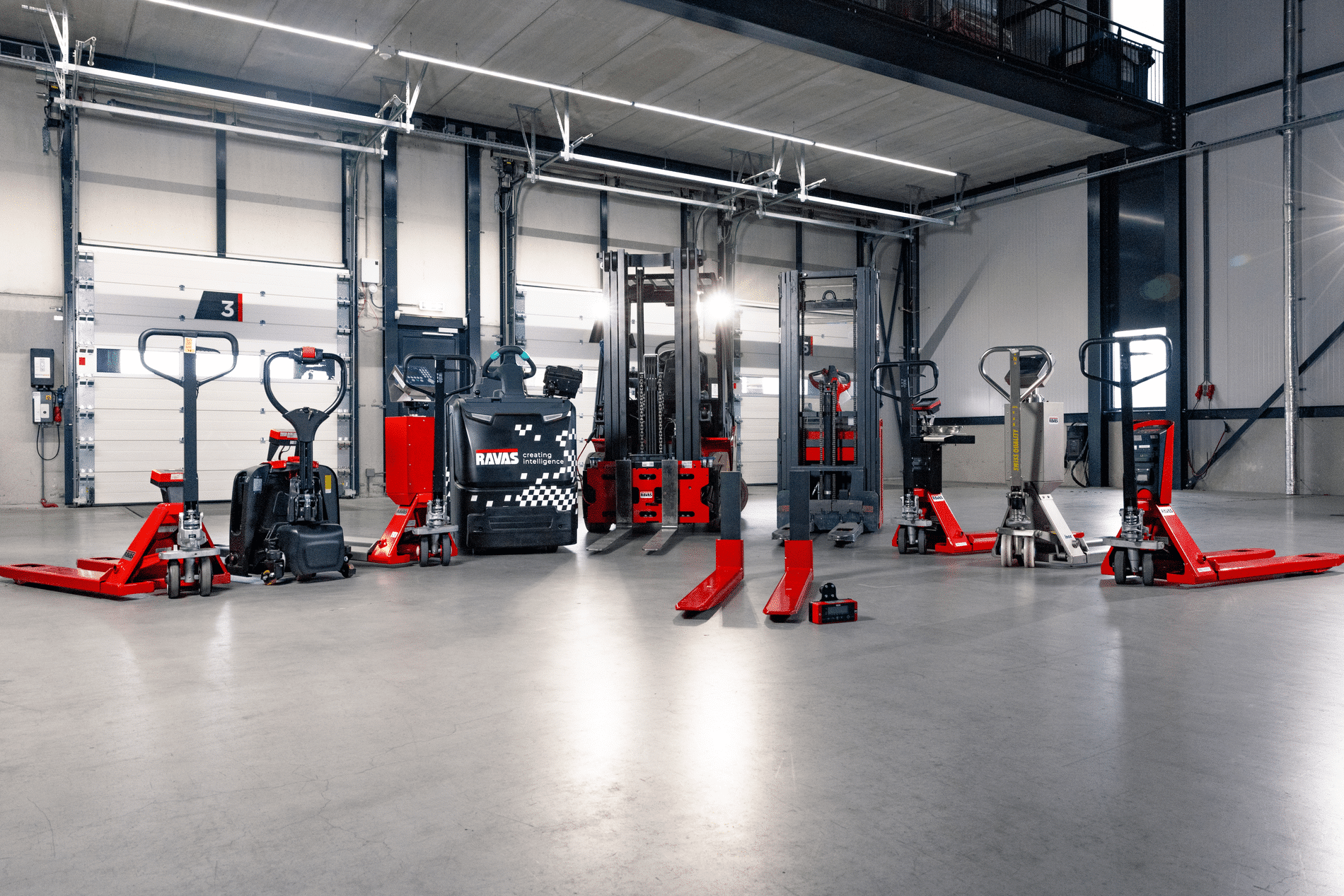
In this context, a broad and complementary product range is becoming increasingly important. Noblelift is still a relatively new name to some users, but as an OEM manufacturer, the company has extensive industrial experience. The product range extends from hand pallet trucks and warehouse equipment to reach trucks, lithium-ion forklifts, heavy-duty Stage V models, scissor lifts, aerial work platforms, and industrial cleaning machines.
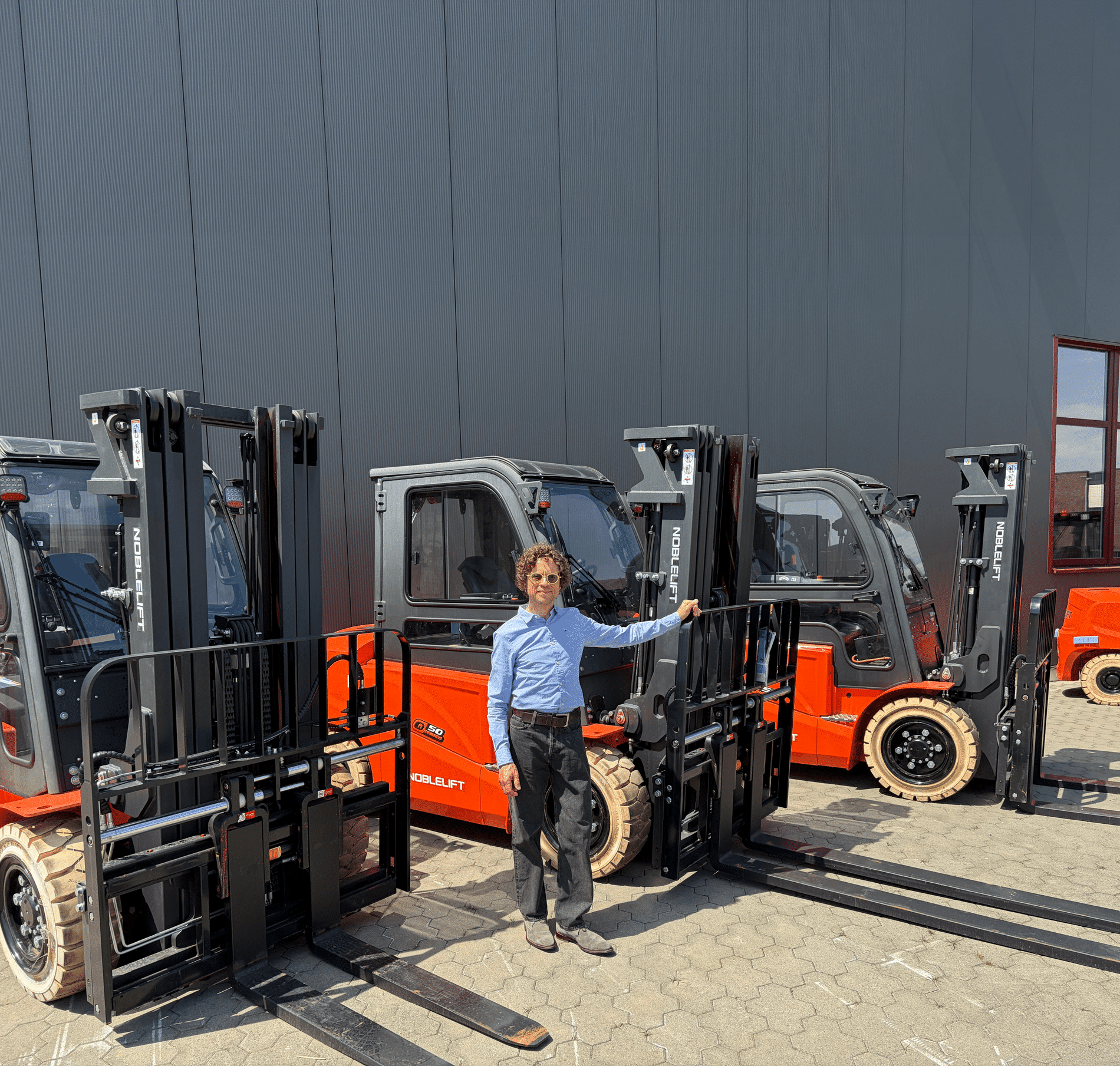
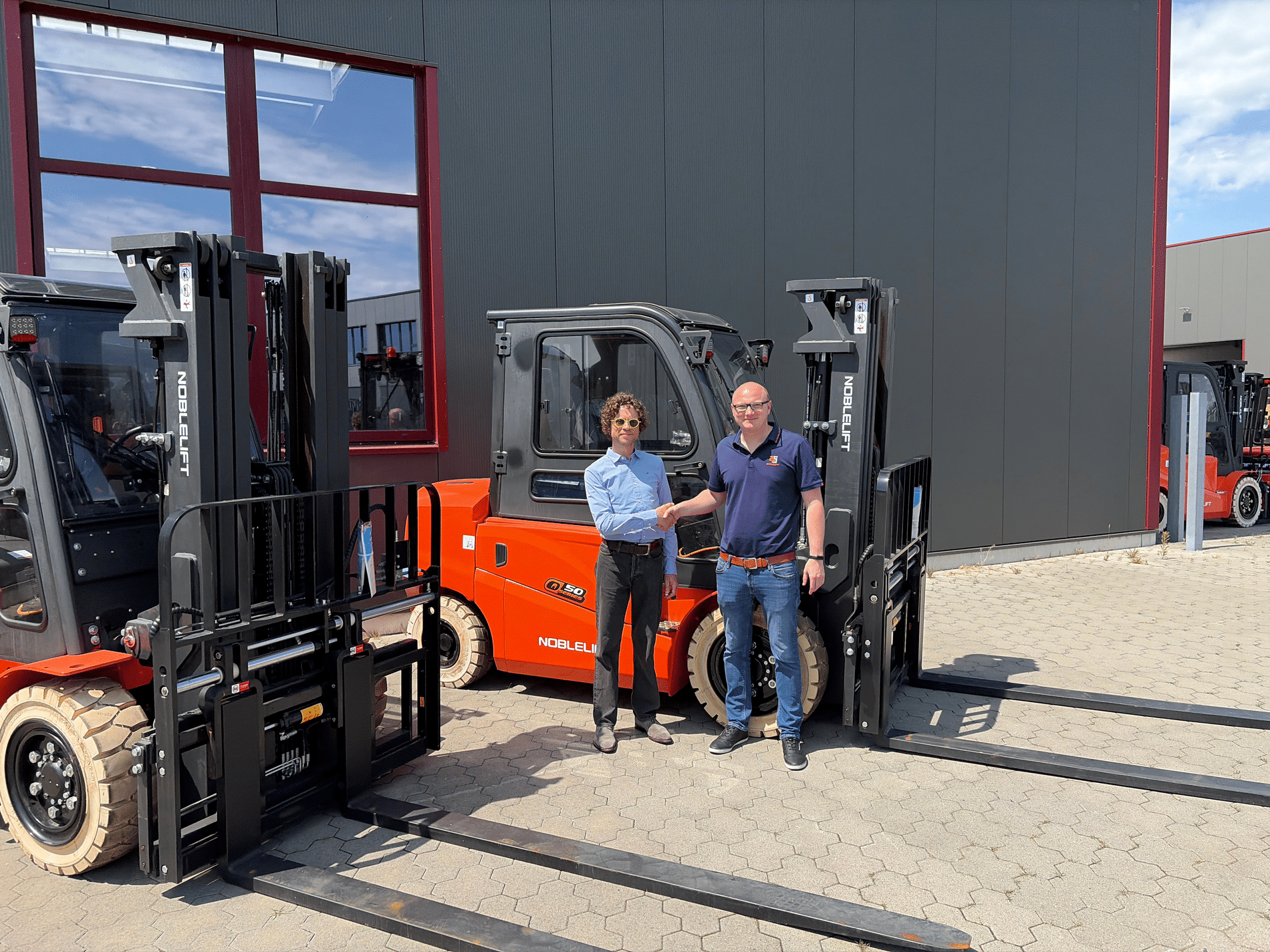
According to Immer-Goed, Noblelift positions itself primarily as a practical choice in the mid-range segment: reliable, technologically mature, and cost-efficient. The recently delivered machines, including robust 5-metric-ton forklifts, demonstrate, according to the company, what matters most in practice: solid construction, ergonomic controls, good visibility, maintenance-friendly technology, and the ability to operate under demanding conditions.
This also changes the role of the supplier. Suppliers are increasingly moving away from being mere sellers of machines and are more often acting as consultants in the areas of deployment, energy, maintenance, and operating costs. Ultimately, the value of a forklift is not determined by the specifications in the brochure, but by what the machine contributes on a daily basis to the continuity and efficiency of the logistics process.