warehouselogistiek.eu
EN

The platform for internal & external logistics, supply chain and automation
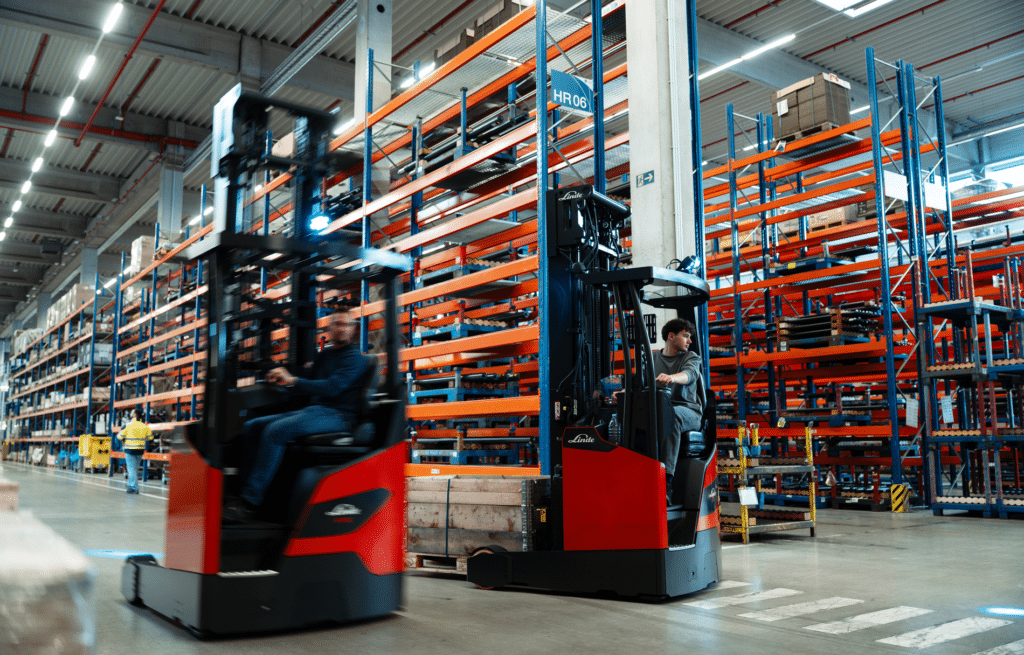
New Linde 1121 reach trucks
With the introduction of the 1121 reach truck series, Linde is adopting a broader positioning in the warehouse segment. While the well-known 1120 series dominated the premium segment for years, the new line is explicitly focused on day-to-day operations: logistics environments where reliability matters, but where operations do not run at maximum capacity all the time. Motrac has now added the series to its product lineup.
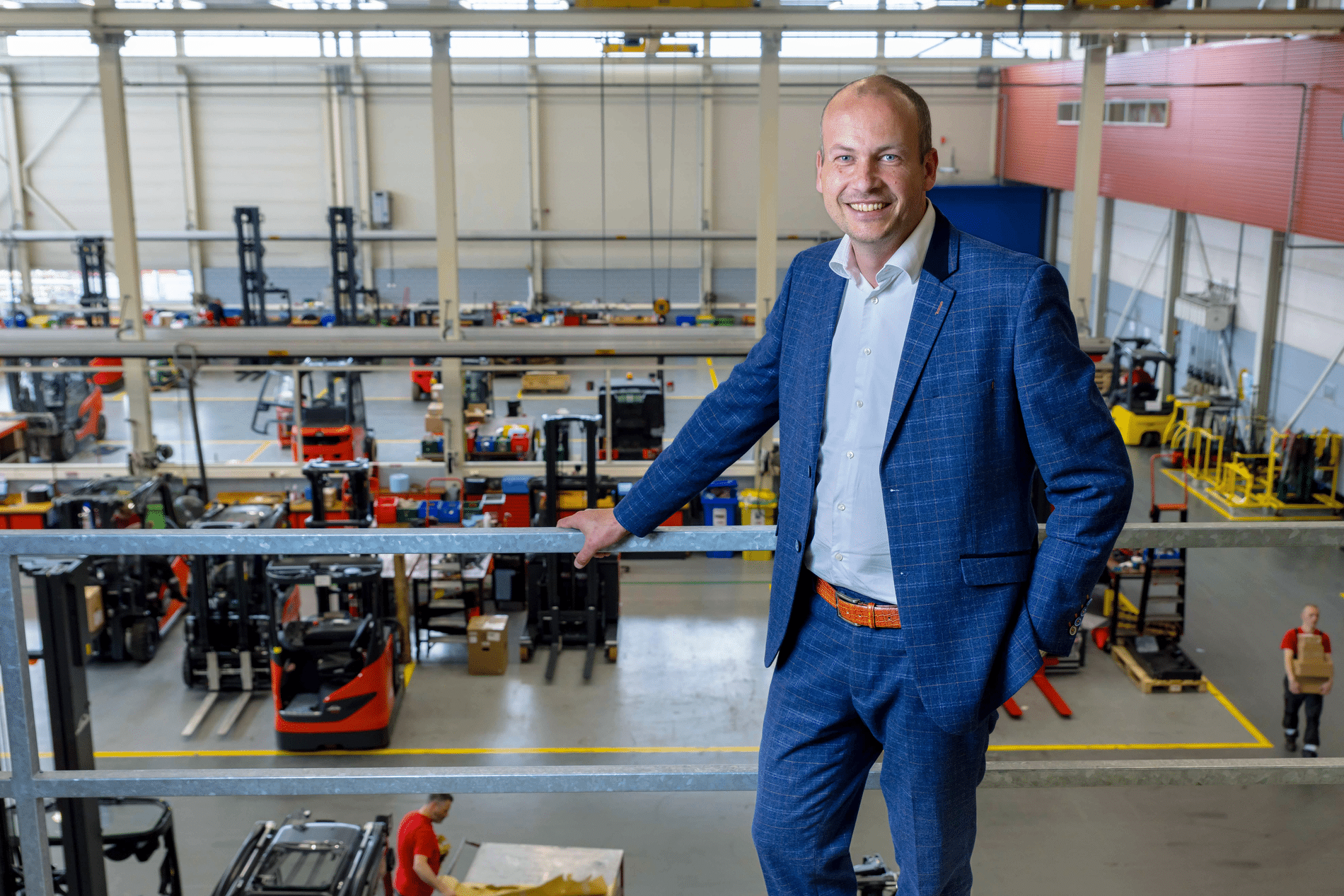
According to Maarten Vaandrager, Sales Director at Motrac Netherlands, the new series stems from a clear observation. “The 1121 is a perfect addition to the current product range and the ideal reach truck for everyday warehouse applications. They are designed for the growing number of companies looking for compact, agile trucks for single- and two-shift operations.”
Whereas the 1120 was designed for heavy and continuous use, Linde is trying to close that gap with the 1121 series. Not by compromising on the basics, but by tailoring the product more sharply to its actual use. That shift is not only technical, but also economic. The new series is more accessible to a wider range of users, especially in SMEs. “It's Linde quality, at a level better suited to everyday use,” Vaandrager said.
One of the most obvious choices is the fully integrated lithium-ion battery. This affects not only energy management, but also the construction of the truck itself.
Because the battery is part of the design, the machine is more compact. That translates directly to a smaller turning radius and more maneuverability in narrow aisles. In practice, that means less risk of damage and more efficient operation in existing warehouses, where space is often the limiting factor.
In addition, lithium technology offers the now familiar benefits: interim charging, less maintenance and a more constant energy level throughout the working day. “It makes the truck easier to use and more predictable in performance,” says Vaandrager.
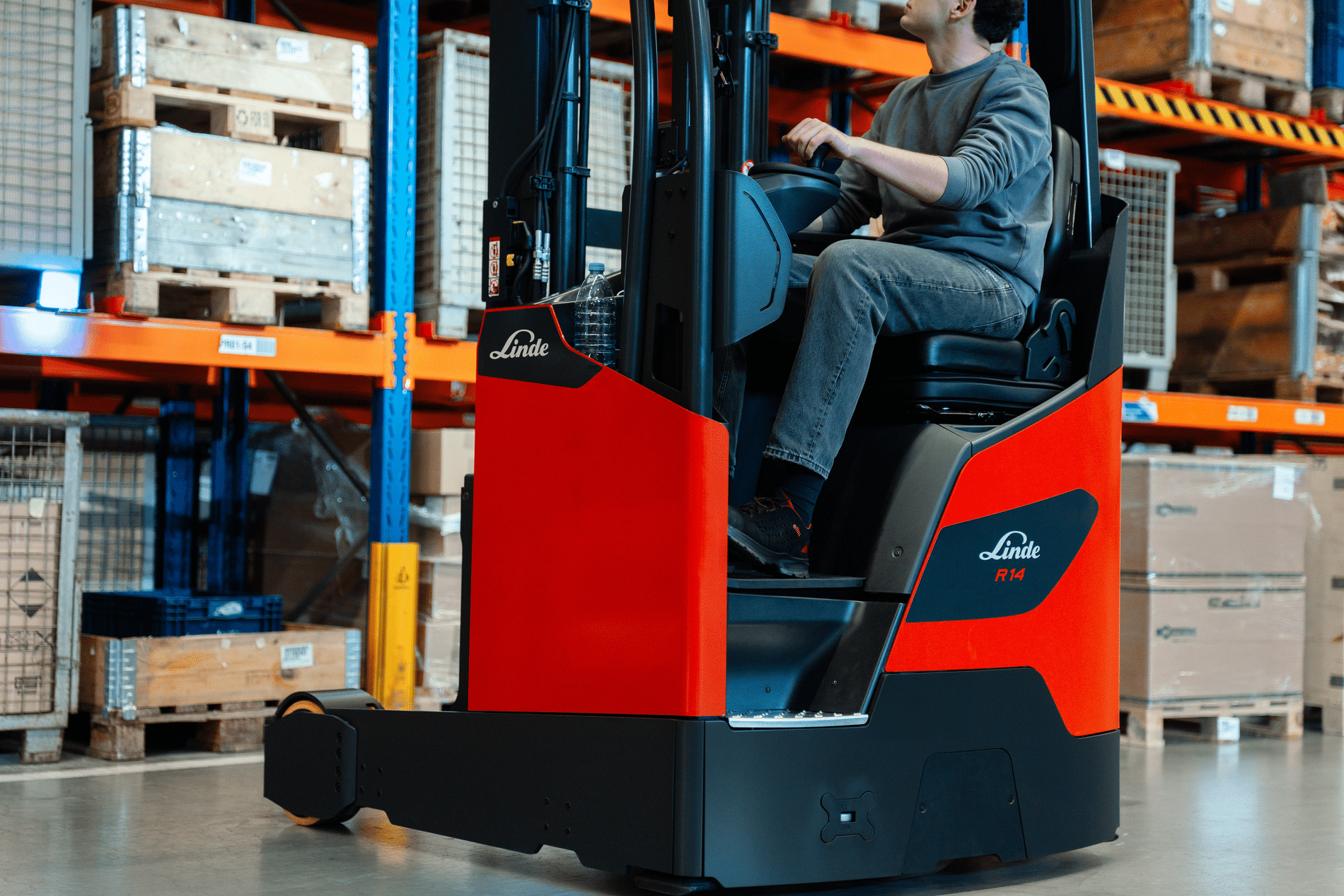
Although the 1121 series is positioned emphatically below the 1120, typical Linde elements remain. Safety systems such as Curve Assist, which automatically adjusts speed when cornering, are standard. Brakes on all three load wheels and optional systems such as the Linde Safety Guard are also part of the package.
In terms of ergonomics, little has been sacrificed. As with the heavier models, the cab is placed on rubbers to absorb vibrations. Combined with a standard suspension seat, this should reduce operator strain during longer shifts.
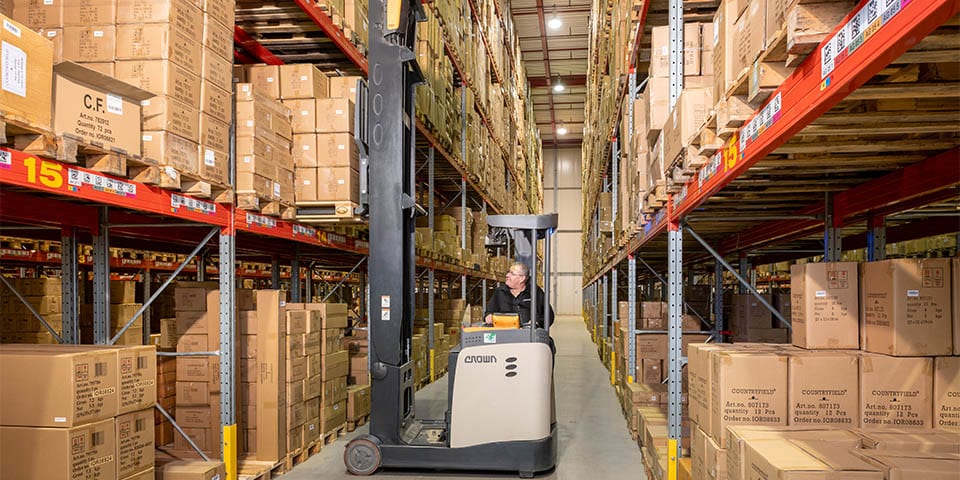
The maximum lifting height of 11 meters is in line with a clear trend in the Netherlands. Warehouses are getting higher, while available floor space is under pressure.
The 1121 series comes in variants up to 9 and 11 meters, with lifting capacities from approximately 1.2 to 1.8 tons. Thus, Linde serves most of the common warehousing applications, without going straight to the extremes.
For that heavier use - for example, in three-shift operations or intensive handling - the 1120 series remains emphatically in the picture.
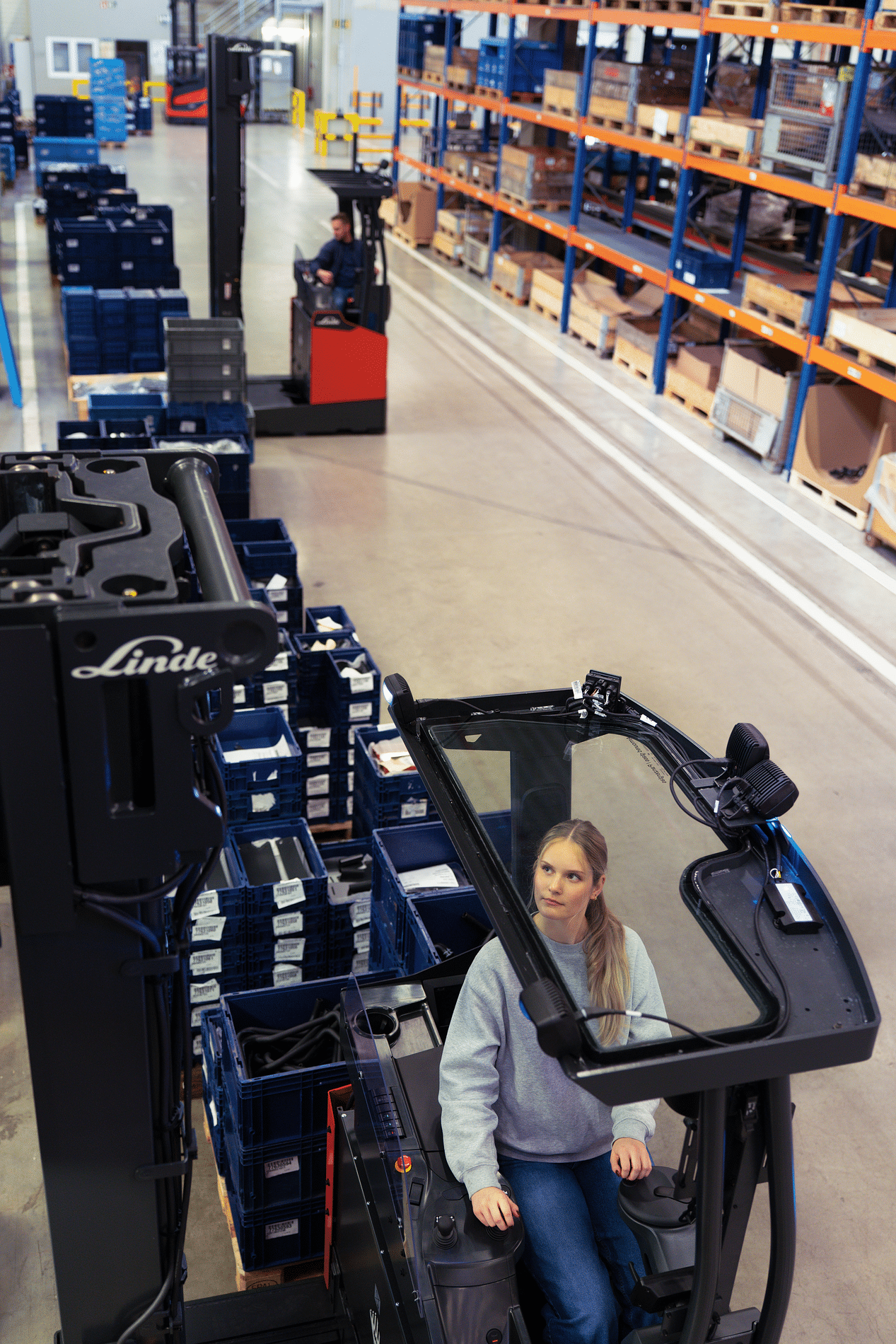
The positioning of the 1121 is perhaps most interesting. Not as a stripped-down variant, but as a conscious choice for a different usage profile. In doing so, Vaandrager avoids terms like ‘entry-level model. ’We prefer to call it a truck for the daily warehouse application,“ he says.”
That amounts to a deployment of roughly 1,000 to 1,500 running hours per year, in sectors such as logistics, retail and manufacturing. Environments where efficiency and reliability are important.
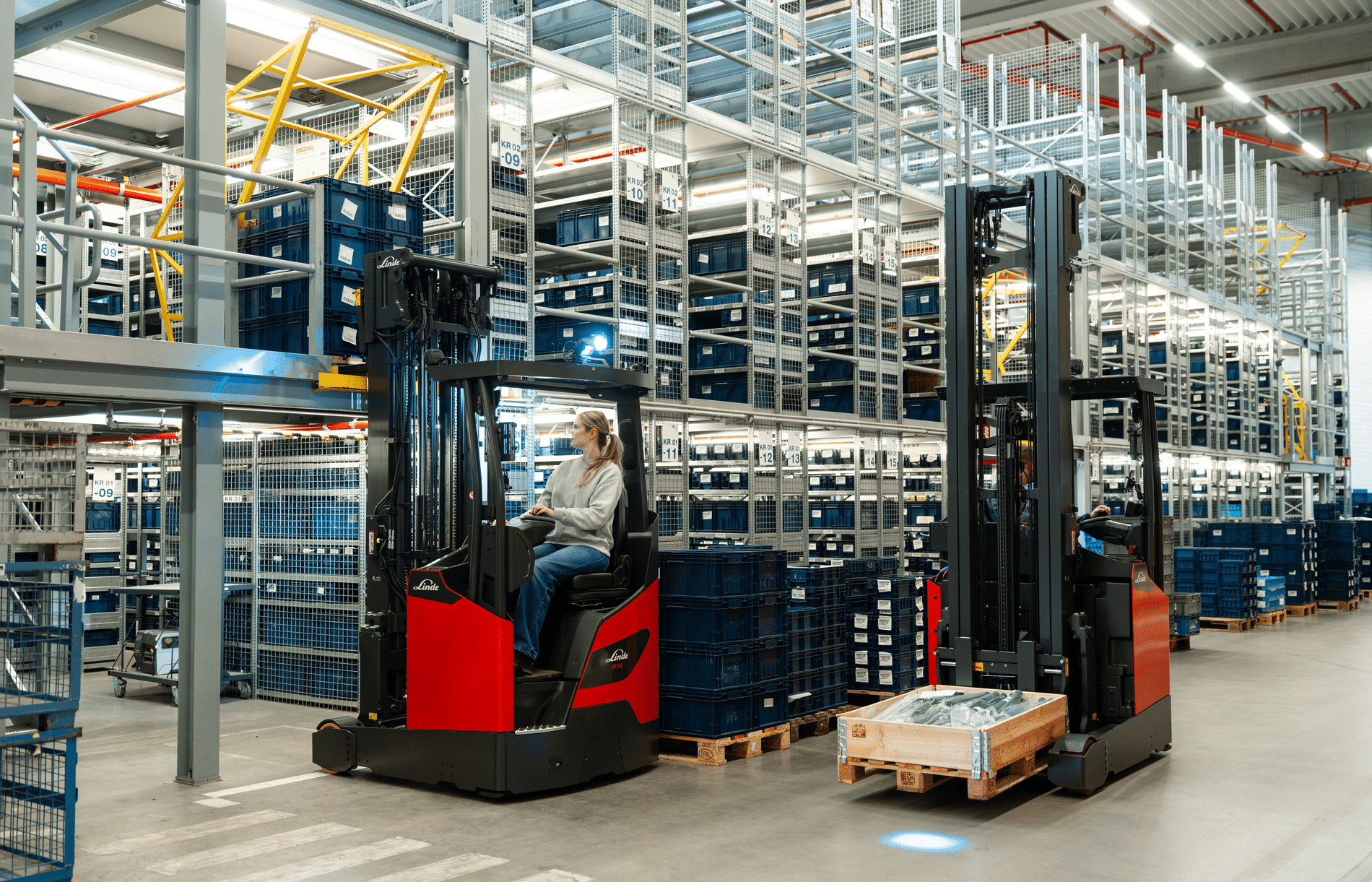
With the 1121 series, Linde seems to be responding to a market that is looking more and more critically at the ratio between investment and use. Not every user needs a heavy-duty model, but wants the security of a proven brand.
The key, then, is to keep the brand promise while making the product more accessible. Or as Vaandrager sums it up, “a reach truck for customers who want to invest smartly, without compromising on performance.”
Neem dan rechtstreeks contact op met Motrac Internal Transport.
 Contact opnemen
Motrac was founded in 1954 and has been a leading total provider of internal logistics solutions ever since. We sell, rent and lease lift and warehouse trucks of the innovative Linde brand. We advise and provide engineering for automated warehouse trucks and a 24/7 maintenance service. With this we offer a one-stop-shop offering in logistics solutions combined with a high level of service. With branches [...]
Bekijk Bedrijfsprofiel