warehouselogistiek.eu
EN

The platform for internal & external logistics, supply chain and automation
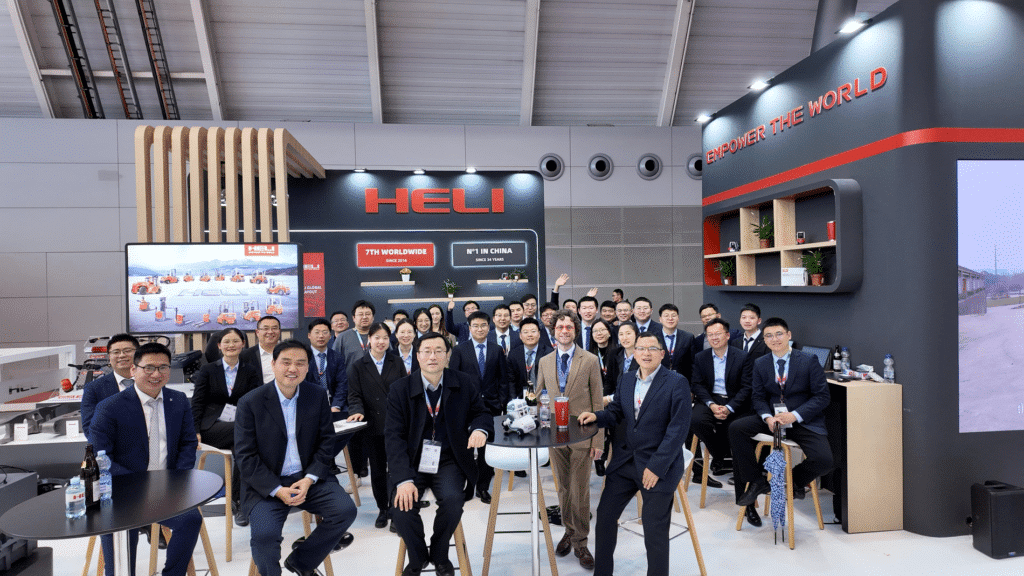
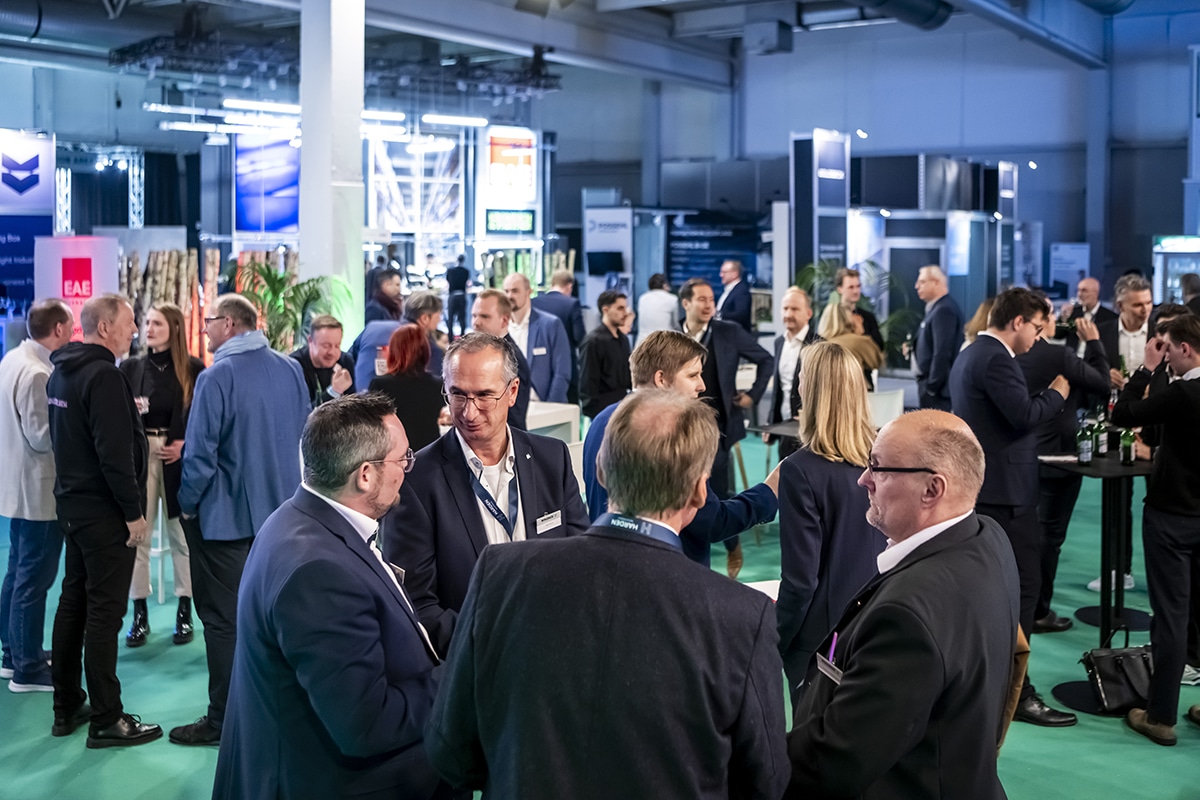
Did China miss the industrial revolution? Historians have been debating that for decades. The country missed the boat in the 18th century, but anyone who walked around LogiMAT 2026 in Stuttgart this week felt that the balance of power has definitely tilted. As Susanne Preuß recently wrote in the Frankfurter Allgemeine Zeitung, “Die China-Welle rollt und wird in ganz Europa zum Problem.” But where the establishment sees a threat, on the trading floor we saw, above all, a technological reality: China today sets the pace at which energy, automation and scale converge.
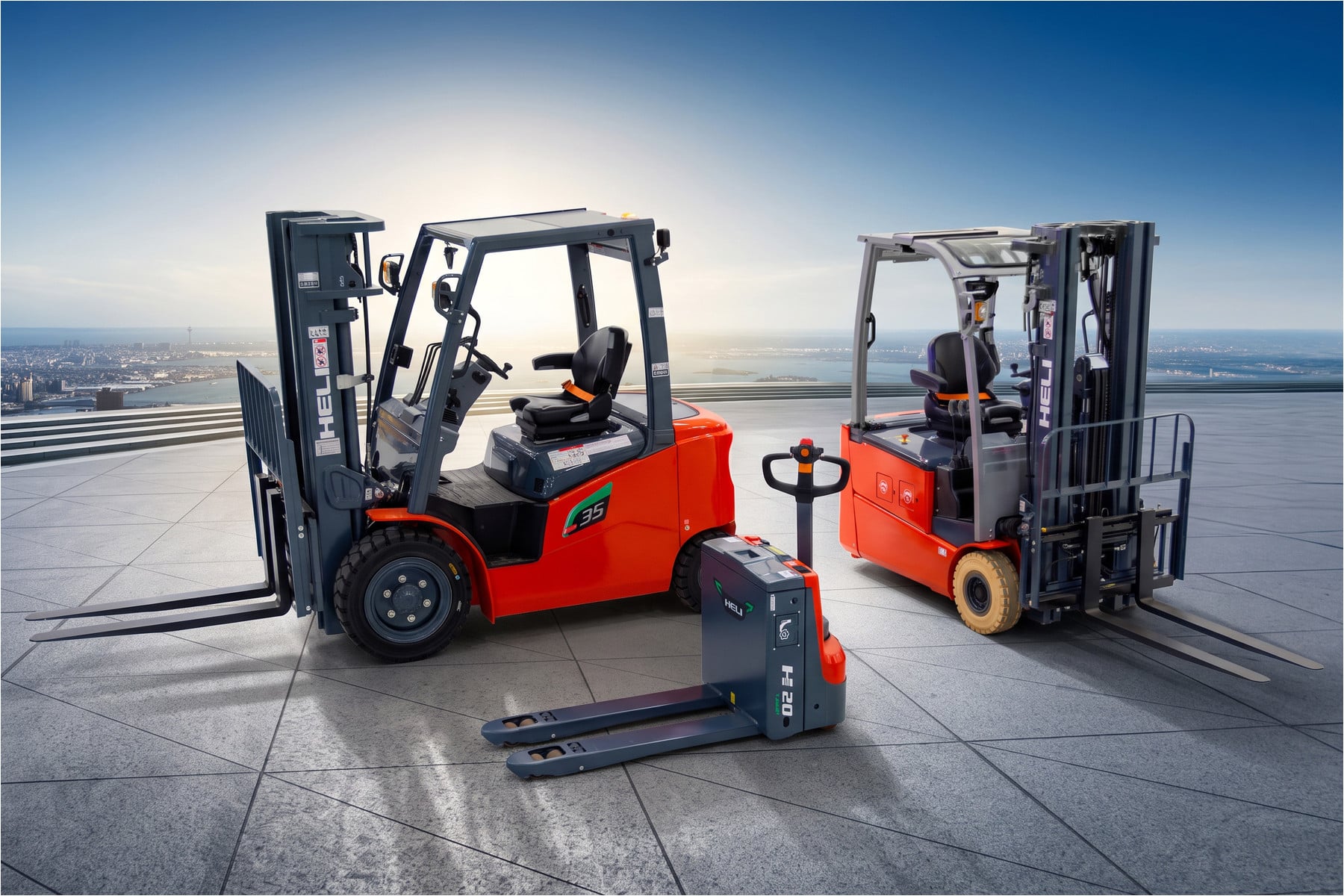
HELI is the embodiment of this “China-Welle.” As a national industrial champion, the company has a scale and continuity that are rare. That position gives HELI a fundamental advantage: not being dependent on innovation - but being directly at the source of it.
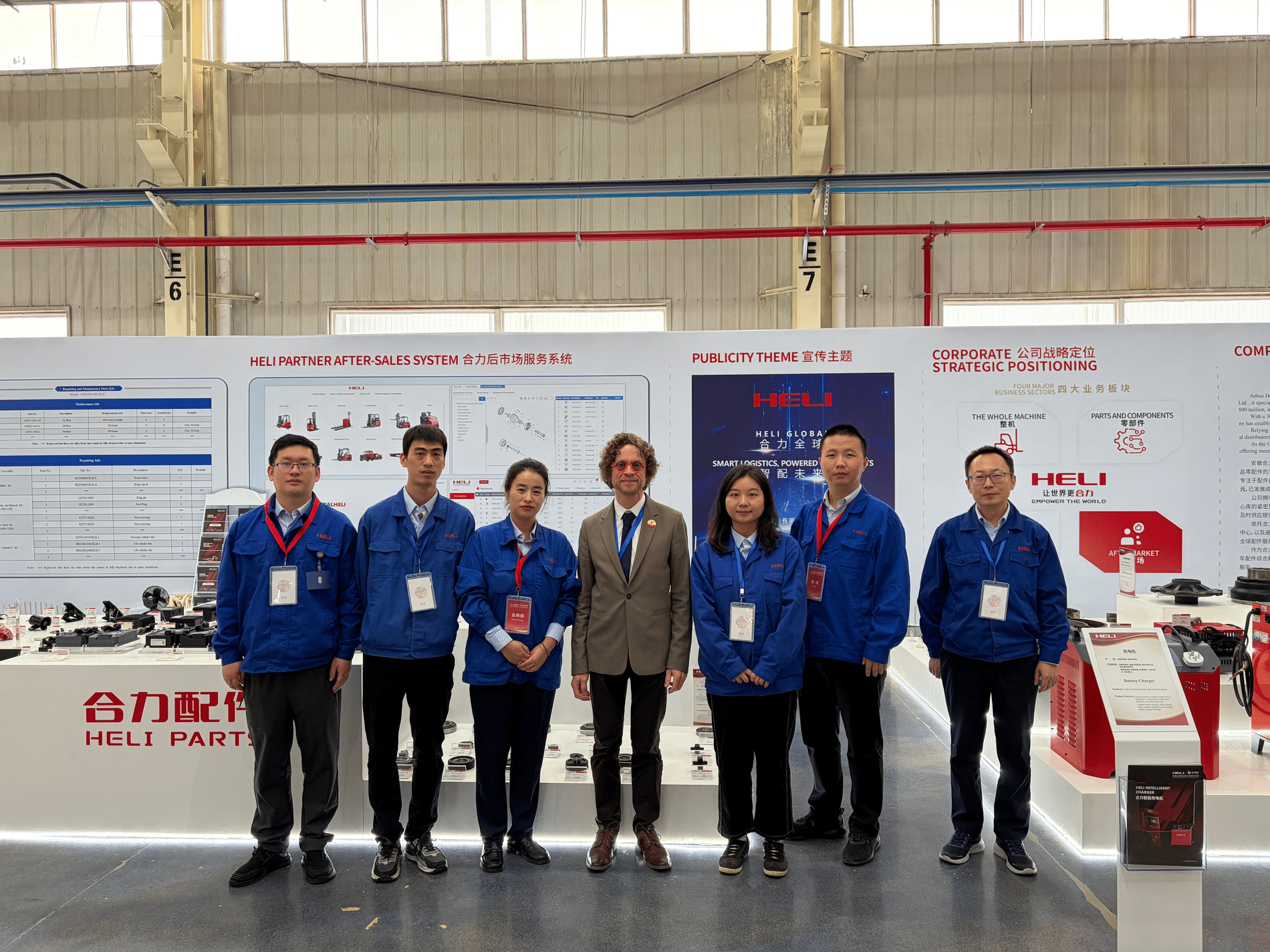
It is no coincidence that Tesla relies on LFP battery technology from CATL - today the worldwide reference in energy storage - for a growing proportion of its models and energy storage. This same technological base is now at the heart of the HELI fleet through the joint subsidiary Heding.
In this strategic alliance, automotive expertise is translated directly into industrial applications. The battery is no longer a component, but an integral part of the system.
This translates concretely to the workplace:
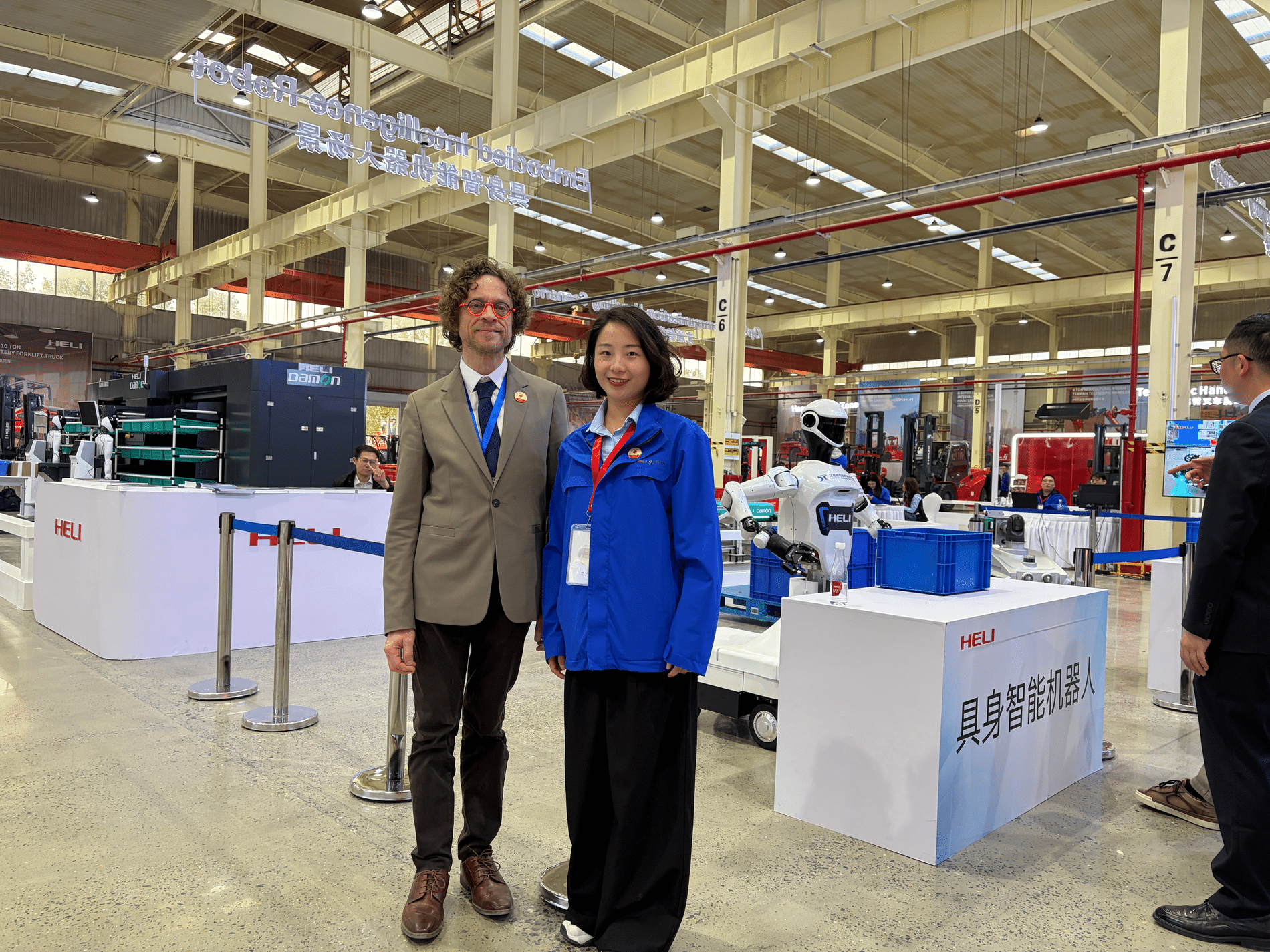
The revolution does not stop with the truck or the battery. The real gain is in the synergy within the group.
Through its subsidiary LDSJ, HELI develops its own attachments. Rotators, clamps and other applications are designed within the same industrial structure as the truck itself, ensuring optimal integration with hydraulics and controls.
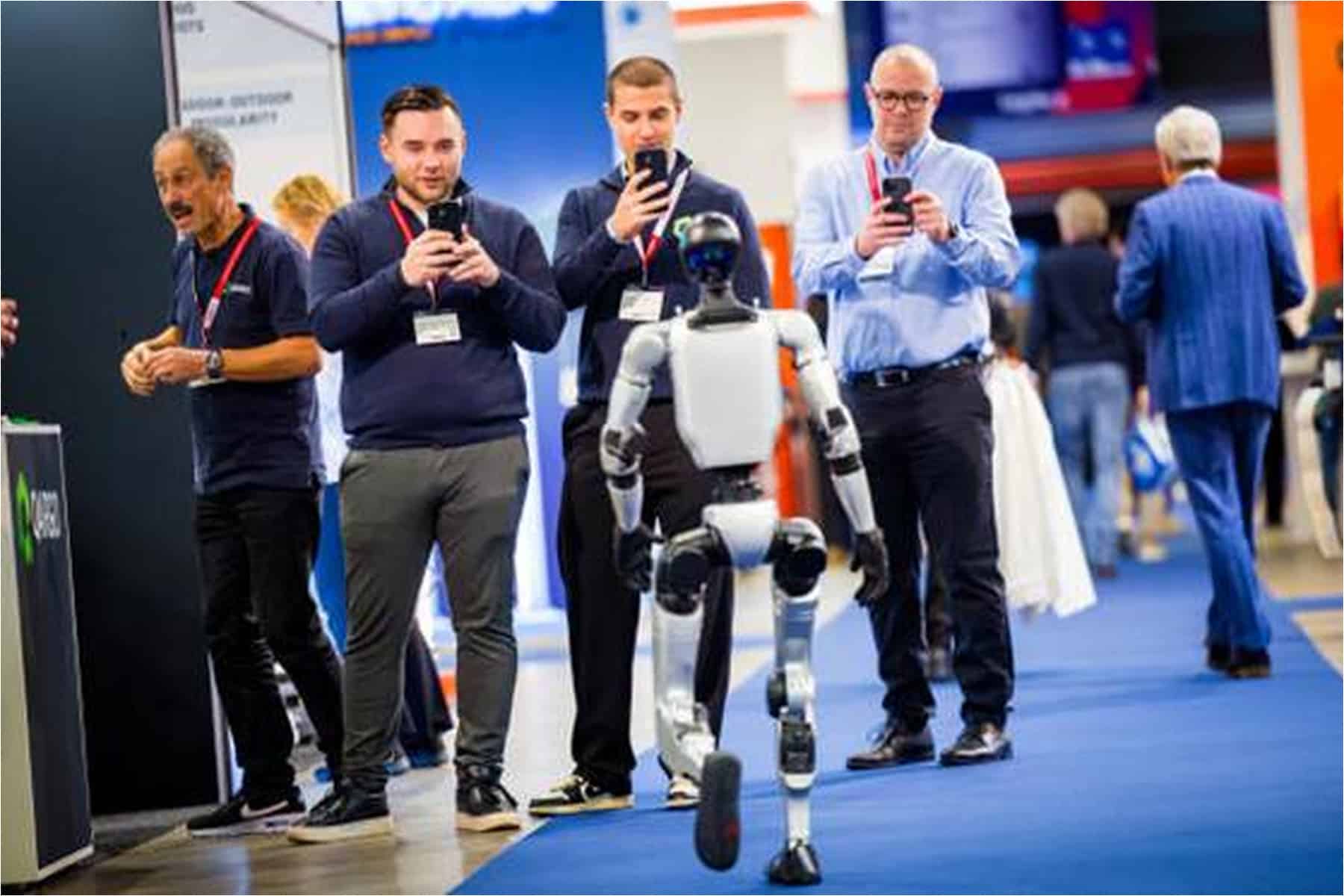
The Brain (Efork)Efork provides the intelligence. At LogiMAT, it became clear how AGVs and shuttle systems communicate seamlessly with the rest of the fleet and the logistics flow.
Together, they form a “one-stop-shop” approach where machine, energy, attachments and software form one coherent ecosystem.
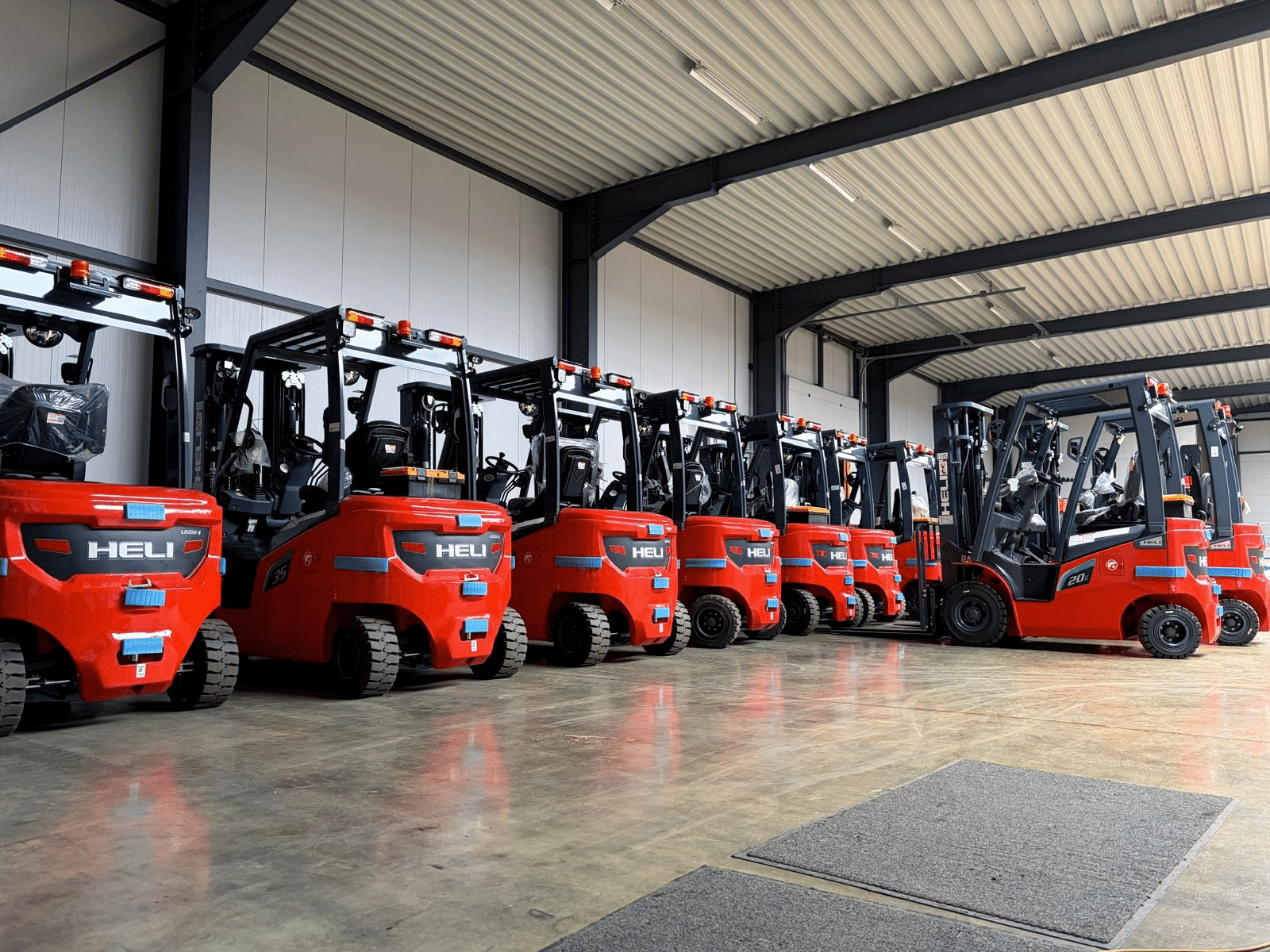
At the same time, practice remains leading.
For tough outdoor applications or locations without sufficient charging infrastructure, robust Stage V diesel machines remain essential. Thanks to modern after-treatment technology, particulate emissions today are up to 97% lower than previous generations.
Not ideology, but application determines the right choice.
The “China-Welle” the FAZ writes about is not an abstract concept. It is an integrated industrial reality. From the lithium mine and the Heding battery to LDSJ's front-end equipment and Efork's intelligent software - the chain is closed.
The Great Catching Up is over. The lead has begun.