warehouselogistiek.eu
EN

The platform for internal & external logistics, supply chain and automation
From algorithms to AI
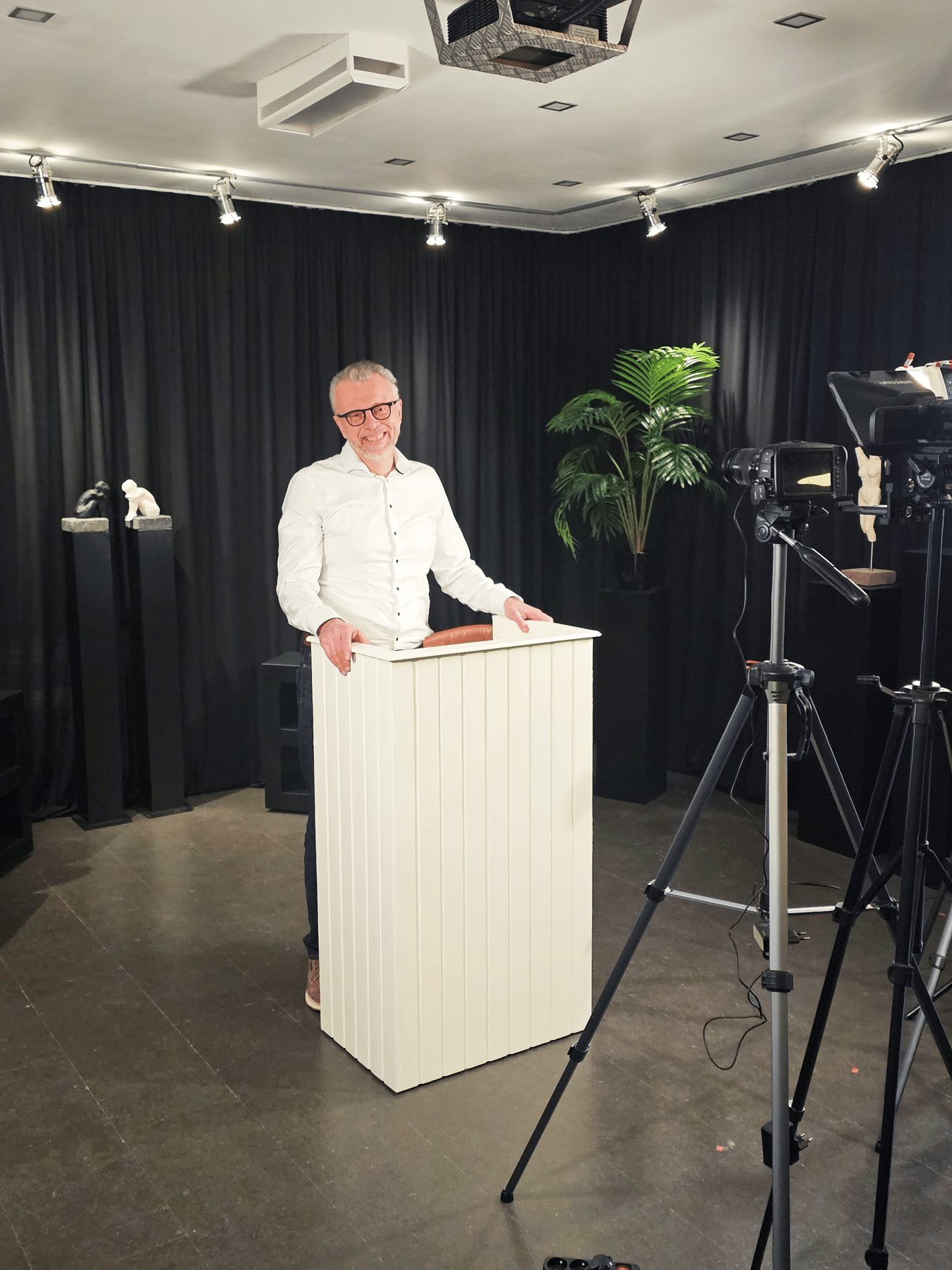
Work smarter, not harder. That belief runs like a thread through the career of Jeroen van den Berg, founder of Jeroen van den Berg Consulting and one of the founders of modern warehouse management. For thirty years he has been helping organizations worldwide to improve the performance of their warehouses; with technology as a tool, not as an end in itself.
Van den Berg's fascination with warehousing began not on the shop floor, but in the lecture halls. After studying mathematics, he received his doctorate from the University of Twente on Planning and Control of Warehousing Systems. “I designed algorithms for location allocation, order picking and replenishment of pick locations. Issues that warehouses still struggle with today,” he says. He started as a logistics consultant at Berenschot in 1997, right at the time when warehouse management systems (WMS) were making their appearance. Publications, conferences and consulting projects followed in quick succession. In 2001 he started his own agency, with a clear focus: warehouse management in all its facets.
A defining moment in his career was the project at the Air Force's Woensdrecht Logistics Center. There, the theoretical approach from his book Integral Warehouse Management was put into practice on a large scale for the first time. “Without large investments, but by working smarter, we realized huge performance improvements,” he looks back. The project received international attention and eventually led Woensdrecht to become responsible for the European parts distribution of the F-35. “That project taught me how to not just think up improvements, but actually get them done.” He later incorporated those lessons into his second book, Highly Competitive Warehouse Management, which is much more practical in nature.
Anyone who has been around for that long has seen the industry change fundamentally. In the 1990s, most warehouses still worked with paper pick lists. The introduction of WMS and handheld scanners was a revolution: paperless working, automatic task distribution and real-time insight made their appearance. A second major turnaround came with e-commerce. Fast delivery times and late orders forced systems to respond in real time rather than plan ahead.
According to Van den Berg, corona added to that. “The lean designed supply chains turned out to be vulnerable. Many companies lost their grip.” The focus is now on manageability, scalability and supply chain integration: one version of the truth, decisions captured in business rules and as little manual intervention as possible. “The litmus test is simple: can a customer order and get delivered without anyone having to correct anything?”
Although WMS packages have greatly improved functionally, Van den Berg is critical of implementations. “Those still often take around 200 days. As an organization, you have to twist yourself into all sorts of corners to fit into the standard package.” That, he says, is going to change with AI. He expects faster implementations through chatbots that understand configurations and adjust them immediately, as well as a strong acceleration of software development. “The WMS is increasingly becoming the transactional backbone, with flexible apps around it. As a result, you dare to make customizations again without fear that it will hinder you later.”
In his consulting practice, Van den Berg sees the same challenges recurring: staff shortages, cost pressure and the need for more control. Robotization and digitization are necessary to increase labor productivity, but success or failure of projects is rarely in technology alone. “People are decisive. The creativity of consultants, but also the willingness of organizations to question their processes.”
That requires leadership. Managers must combine people skills with oversight and direction. “Set a dot on the horizon and avoid getting bogged down in putting out fires.” Change management is still too often underestimated in this regard. Users not only need to be heard, but also involved at the right time. “Once people see the screens, the conversation really gets going.”
In ten years, according to Van den Berg, we will still be driving pick carts and reach trucks through warehouses, but with more robotization, even at smaller companies. He sees underestimated technology in order management systems that make smart decisions about which warehouse to deliver from. Overrated trends? “Drones and humanoid robots get a lot of attention, but there are often simpler solutions.”
His advice to organizations and young professionals is clear: “Choose a direction and go for it. Good logistics contributes not only to profits, but also to sustainability and job satisfaction. And think from the chain - then you'll really make a difference.”