warehouselogistiek.eu
EN

The platform for internal & external logistics, supply chain and automation
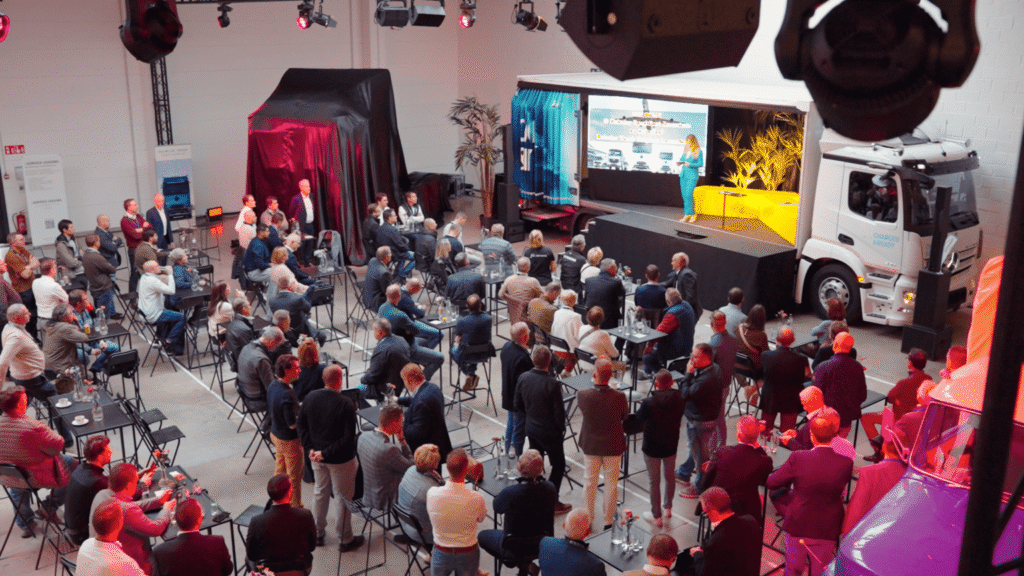
After breaking away from its passenger car division, Daimler Truck is looking ahead with confidence. What exactly the rapidly changing future holds for the German truck manufacturer, the company made clear through its CEO during the Daimler Truckport event near Zaventem airport. Electric trucks - of course - but also more attention to customer sighs.
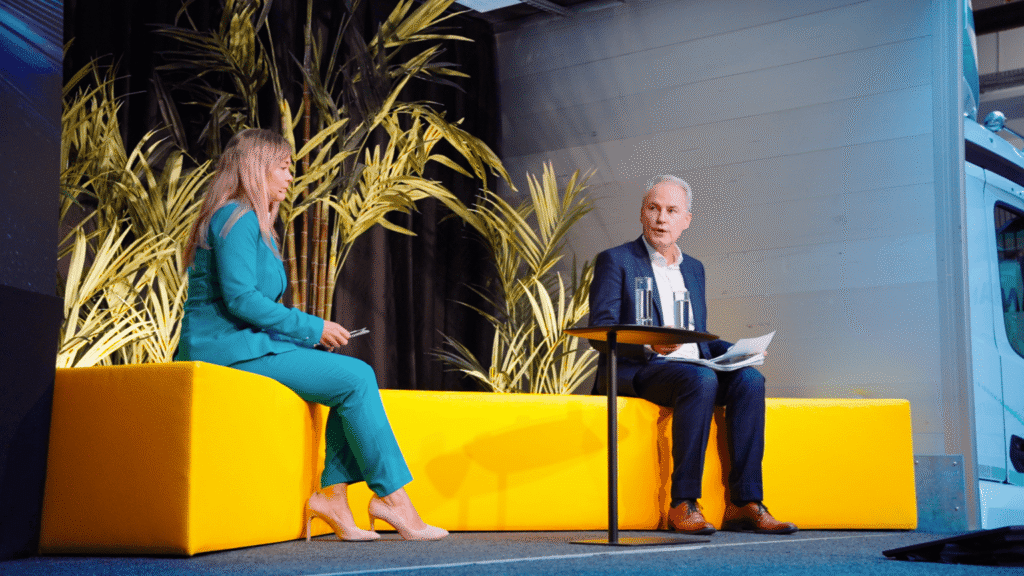
Next year, Daimler Truck celebrates its 129th anniversary, but the gaze of its Belux CEO, Peter Brock, is not actually on the rearview mirror at all. In his vision of the future, he talked about “dedicated driving lanes accessible only to autonomous vehicles” and “highways with more than enough hydrogen refueling stations.” “We are investing plenty,” Brock said, “but the main thing is to do it in a dosed way.” Another thing that could not be dismissed from the halls of the Daimler Truck Port event where the boss spoke to us: the specter of geopolitical tensions. Still, Brock sees opportunity. “Because despite everything, the transportation sector will continue to grow by two to three percent by 2030, and that will benefit both our business and that of customers.”
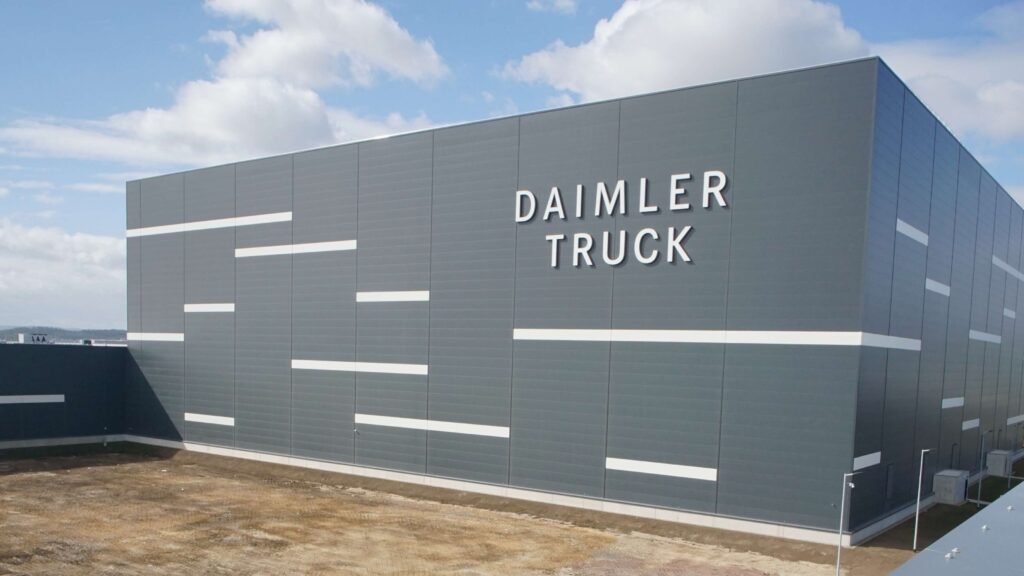
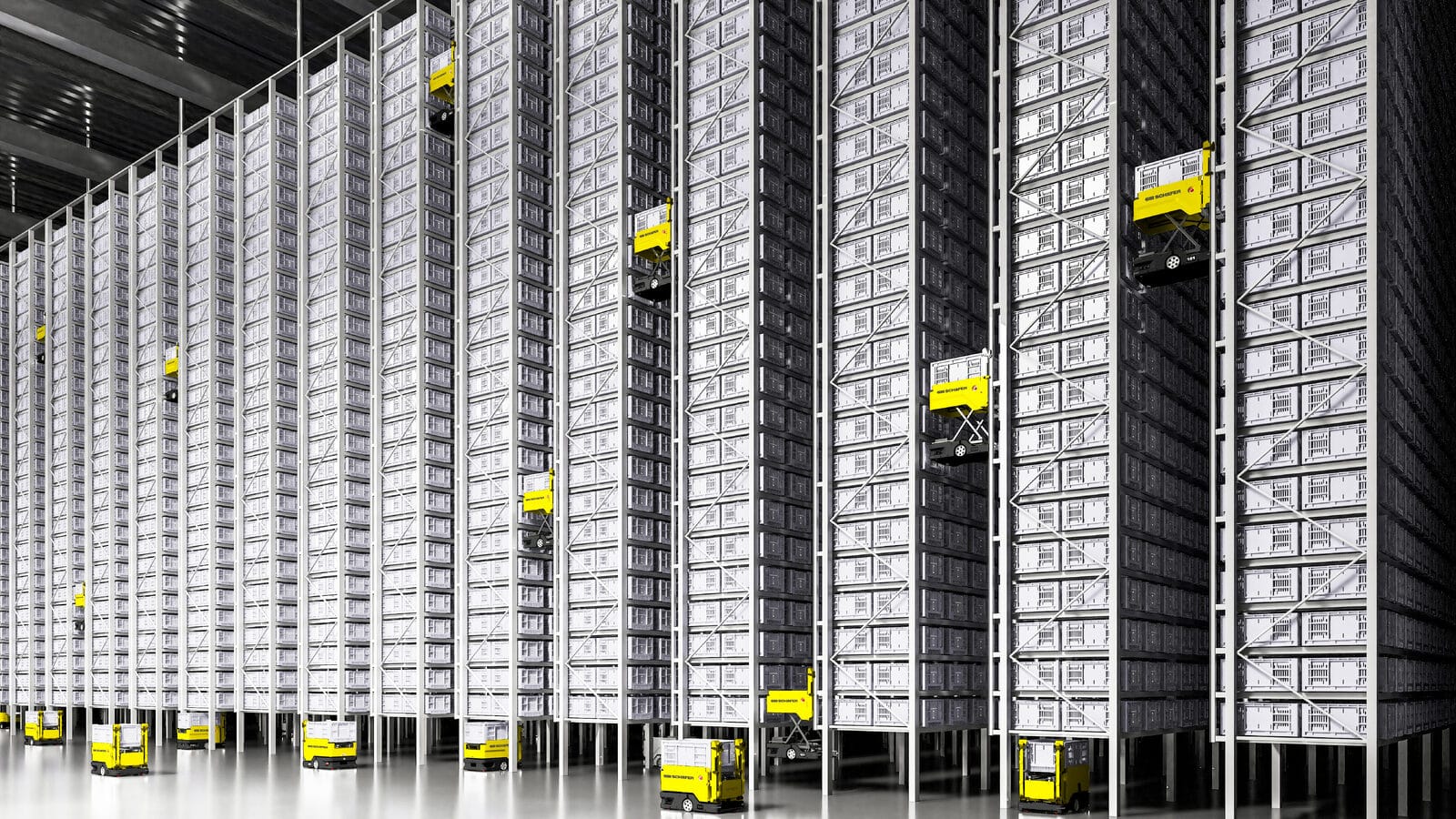
Last year, Daimler Truck, which has 108,000 employees worldwide, sold some 460,000 vehicles. Those figures lay the foundation on which the manufacturer can continue to build a more sustainable offering. But there is more. Brock: “As a manufacturer, we have to deliver according to customer expectations. We also - and above all - want to be a partner with whom customers can do business as easily as possible.” There was still room for improvement there. Daimler Truck therefore invested in a newly opened and brand new logistics center in the southern German town of Halberstadt. This will increase delivery reliability and minimize downtime for customers.
That dosed investment? Well, Daimler Truck is putting its money where its mouth is. As the world's largest manufacturer of diesel engines, that technology remains a core product, but innovations in powertrains with traction batteries, in-house, are expanding. For hydrogen, the strategy is more one of shared costs, pluralism and patience. For this, the company is joining forces with Volvo Trucks and developing both hydrogen combustion engines and fuel cell technology. Their commercial launch is scheduled for 2029. “Our products are important building blocks for the transition, and they are ready for it,” Brock emphasizes
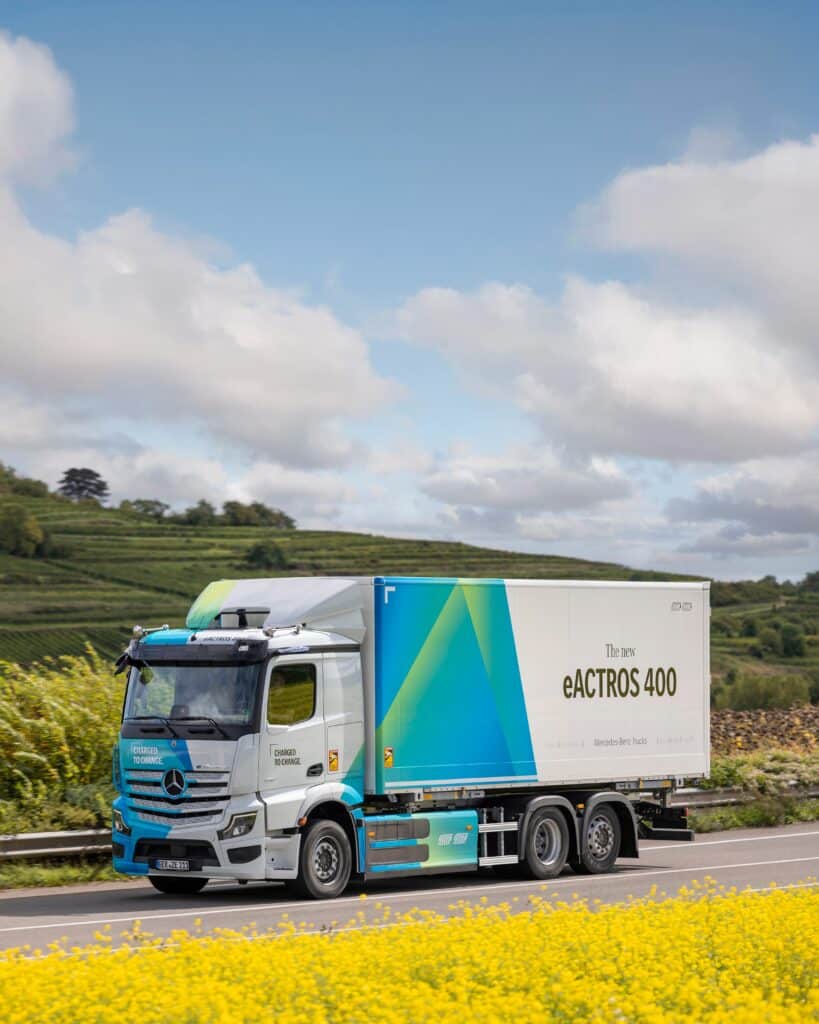
To add weight to those words, attendees at Daimler Truck Port were able to experience a European premiere: the new all-electric eActros 400, which borrows from the larger eActros 600. From it, the mid-size truck adopts the two-motor electric drive axle, as well as the four-speed transmission. It delivers a continuous output of 400 kW with a peak of 600 kW. But because it carries only two instead of three battery packs (414 kWh), it weighs 1.5 tons lighter and can handle up to 25 tons of payload, comparable to a diesel truck.
That the LFP (lithium iron phosphate) type was again chosen for the batteries marks a growing trend for Daimler Truck: this chemical compound uses few critical raw materials. As a result, it is less pricey, which polishes the TCO picture. In addition, drivers can count on the fast-charging advantages of an 800-volt architecture. For example, the 400 charges from 10 to 80 percent in 46 minutes via CCS and achieves up to 480 kilometers of driving range with a partial load. “A ZEV truck will remain more expensive than the diesel alternative for some time to come. Political intervention is needed. Because 35,000 charging stations must also be active in Europe by the end of the decade,” Brock concludes