warehouselogistiek.eu
EN

The platform for internal & external logistics, supply chain and automation
Mixed case palletizing solution
Logistics service providers who want to change processes, expand or simply do more with fewer people must be creative. The opportunities to do so are increasing. Körber Supply Chain presented at the LogiMat version of a mixed case palletizing solution and also expects a lot from new digital twin solutions.
A few persistent challenges are forcing logistics service providers to think outside the box. Grid congestion is a challenge; so is a lack of workers. At the same time, customers are demanding more flexibility. “Regarding the latter: logistics service providers and soft drink bottlers, for example, are increasingly being asked to deliver goods in smaller quantities and in appropriate layers on a load carrier,” says Marcel Spruijt, senior sales manager for Körber Supply Chain in the Netherlands.
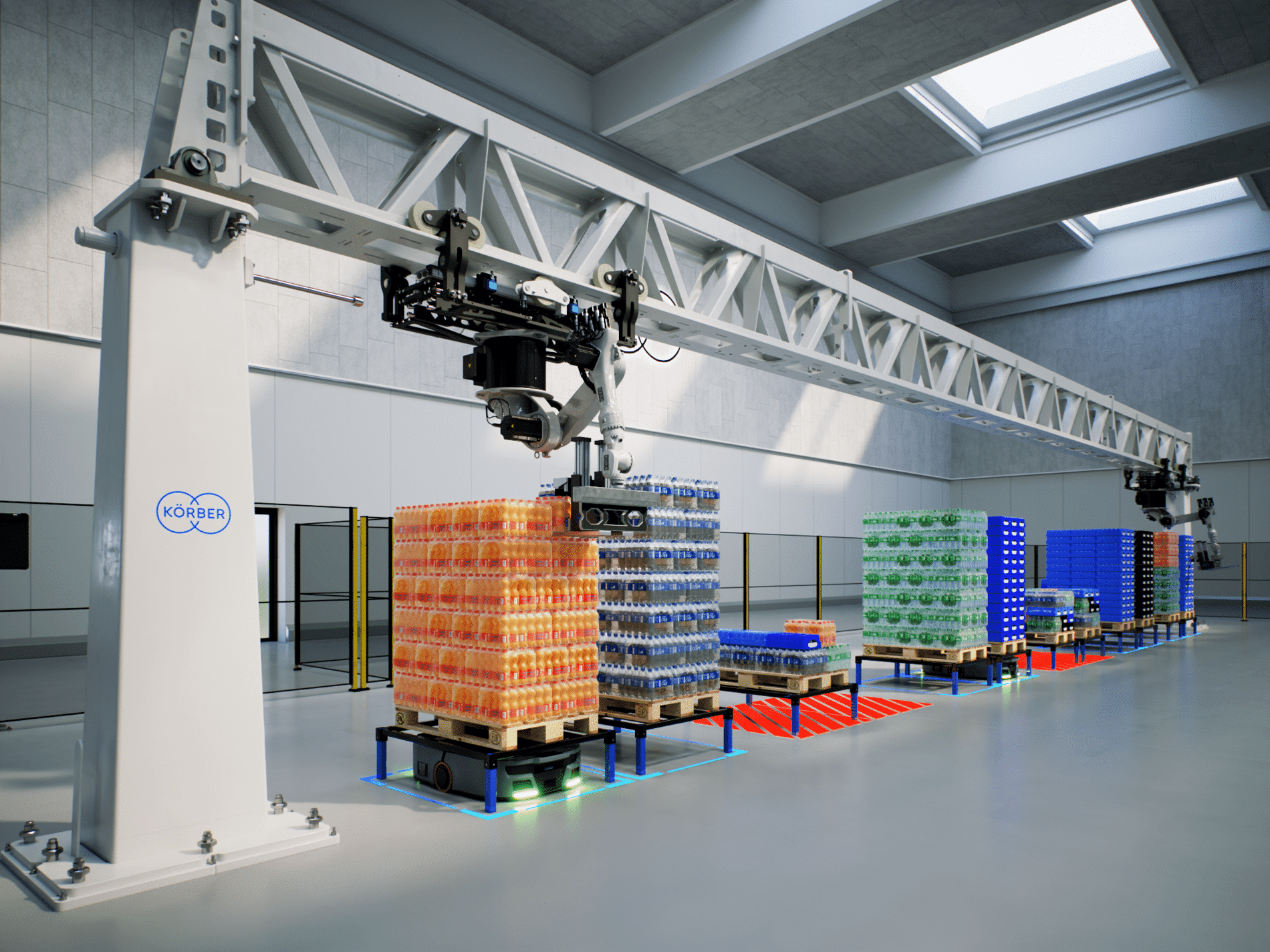
As far as Körber Supply Chain is concerned, a mix of options is available to respond to the aforementioned challenges. At the LogiMat, the end-to-end logistics solutions provider presented a mixed case palletizing solution. The system is intended for logistics operations within companies that produce or process up to 1,500 SKUs per day. Says Spruijt, “If a retailer asks to deliver a mix of various products on a pallet, this solution can take that out of their hands.”
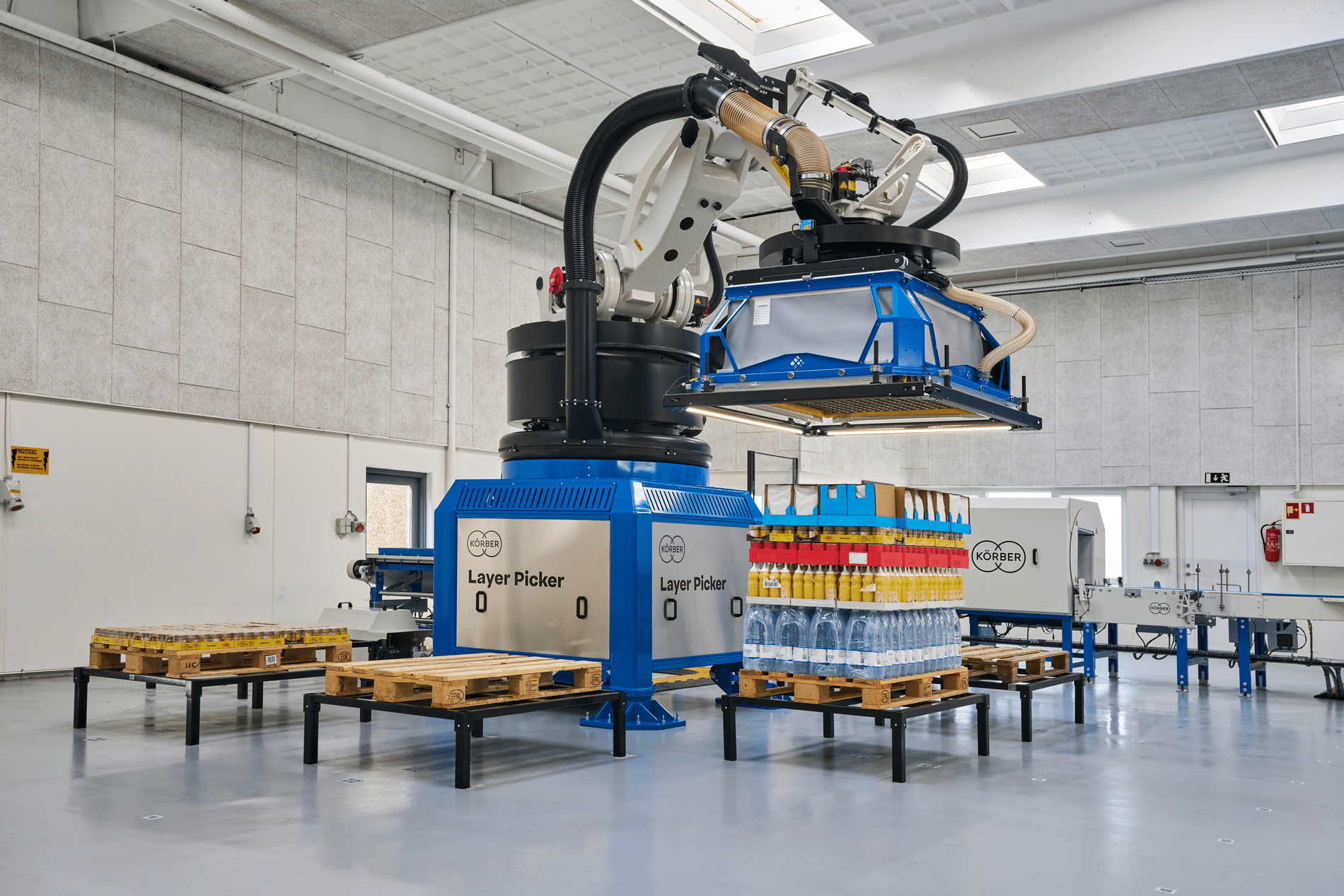
The new mixed case palletizing solution gives entrepreneurs in the FMCG sector in particular the opportunity to respond more flexibly to customer requests. Spruijt is thinking of logistics service providers, but also soft drink bottlers, for example. “Companies that handle on average between 1,000 and 1,500 SKUs per day and serve retailers who want increasingly smaller quantities of customized products delivered. The mixed case palletizing solution also removes much of the manual handling that is now often required.”
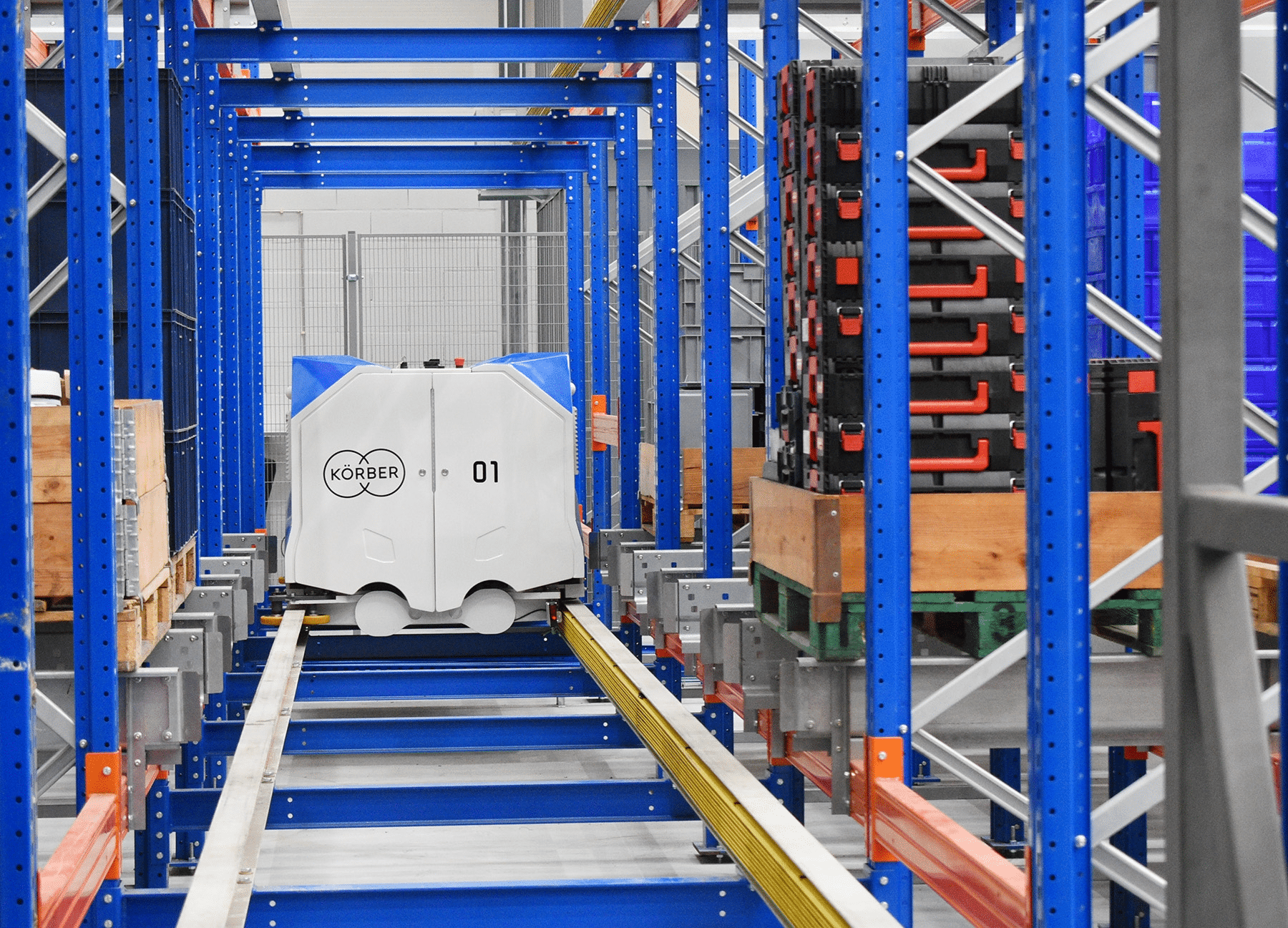
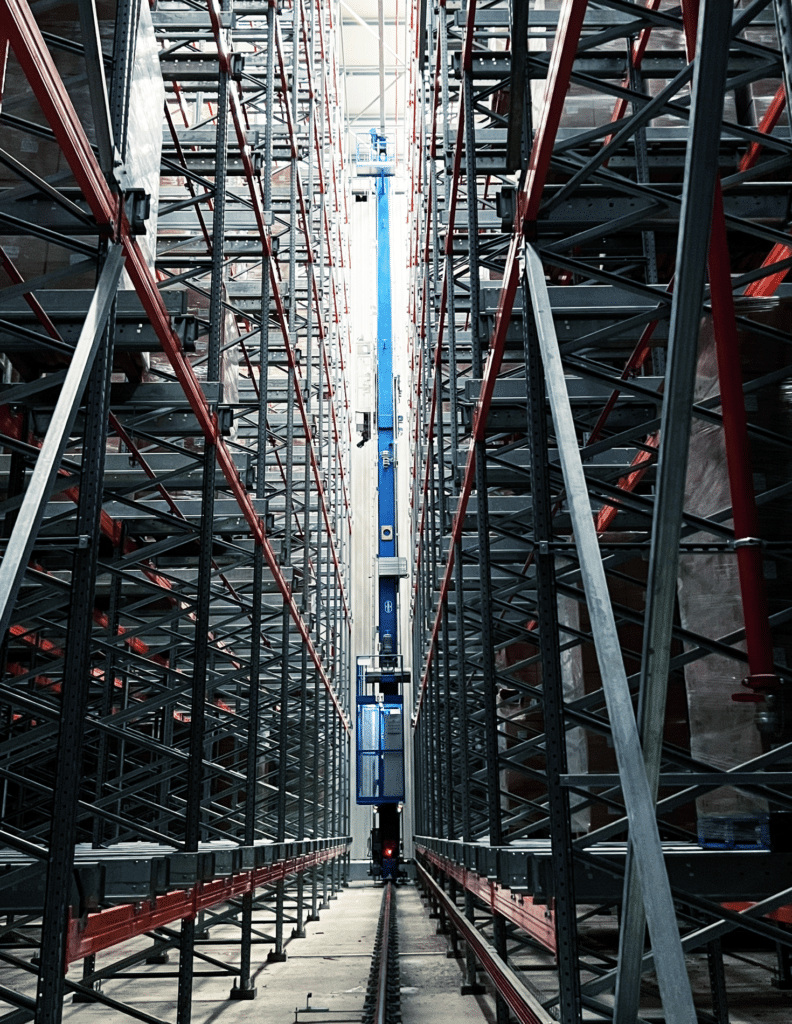
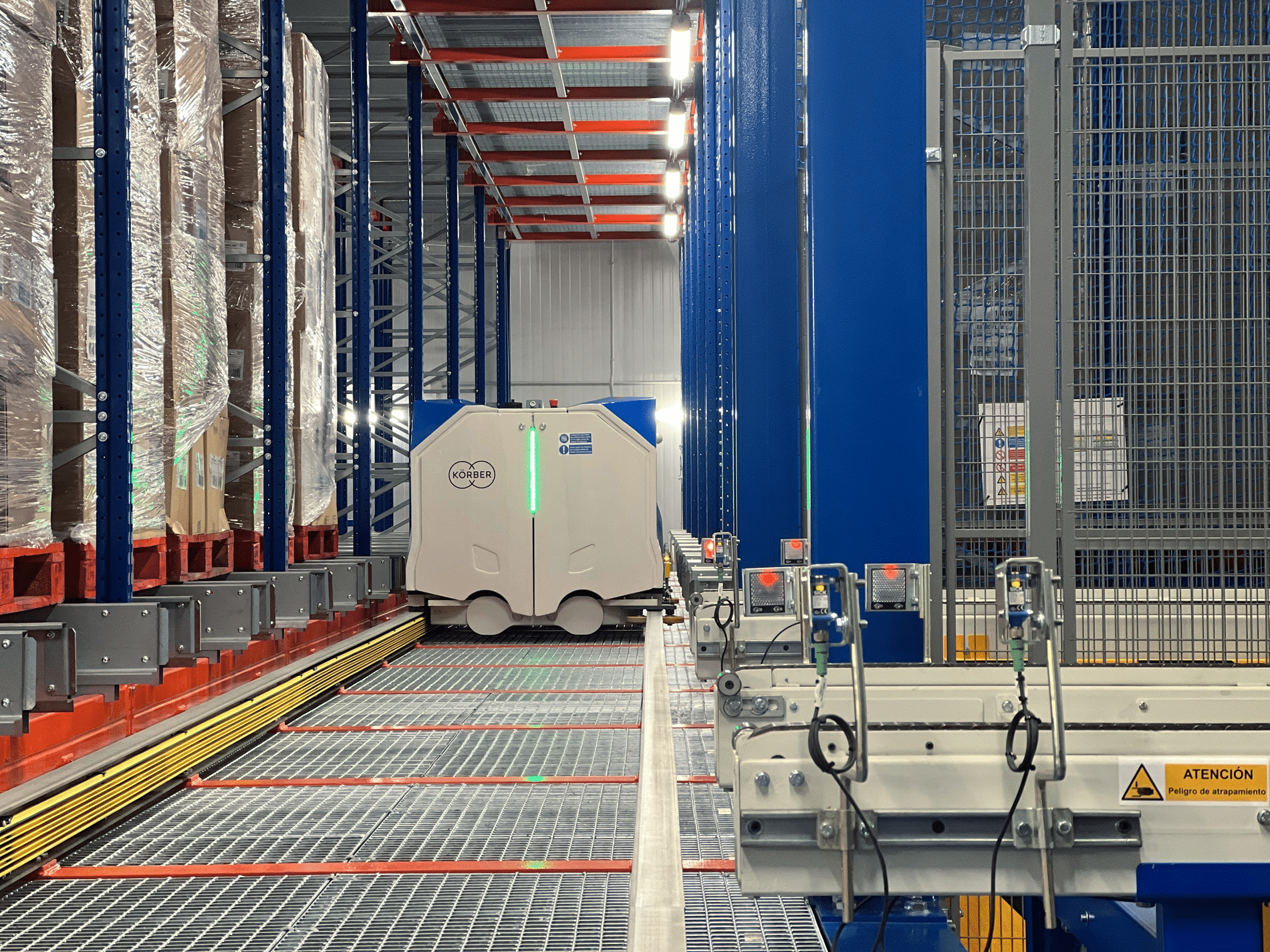
Grid congestion and the limited availability of new construction sites also pose challenges. Logistics service providers are forced to perform more work within existing premises. This is precisely where a system integrator like Körber can make a difference, according to Spruijt. “As a system integrator, we know exactly which processes fit together well and how new technologies such as AMRs and pallet shuttle storage systems can be integrated within existing operations without increasing energy requirements.”
When responding to new customer demands and adapting logistics operations, an overall view within a warehouse is important. In this regard, Körber expects a lot from the digital twin solution it developed. It is cooperating with Nvidia for this purpose. “With this digital twin, we can simulate processes in the design of warehouse automation and optimize logistics systems. This speeds up engineering and lets us test processes even before they are used. We do this in close cooperation with our customers.” Spruijt compares figuring out warehouse automation like connecting Lego bricks. “Systems such as a layer picker, mixed case palletizer and AMRs make the overall picture very dynamic. With the digital twin, it is easy to build up the overall picture and provide insight into how the combination works out functionally in the virtual environment. This makes it easier to respond precisely to our customers” requirements."
Digital steps can no longer be ignored in both the design and practical application of warehouse processes, Spruijt says. “But because a picture says more than a thousand words, we show a virtual tour on our website. In doing so, we show that an end-to-end process can be both sustainable and efficient.”